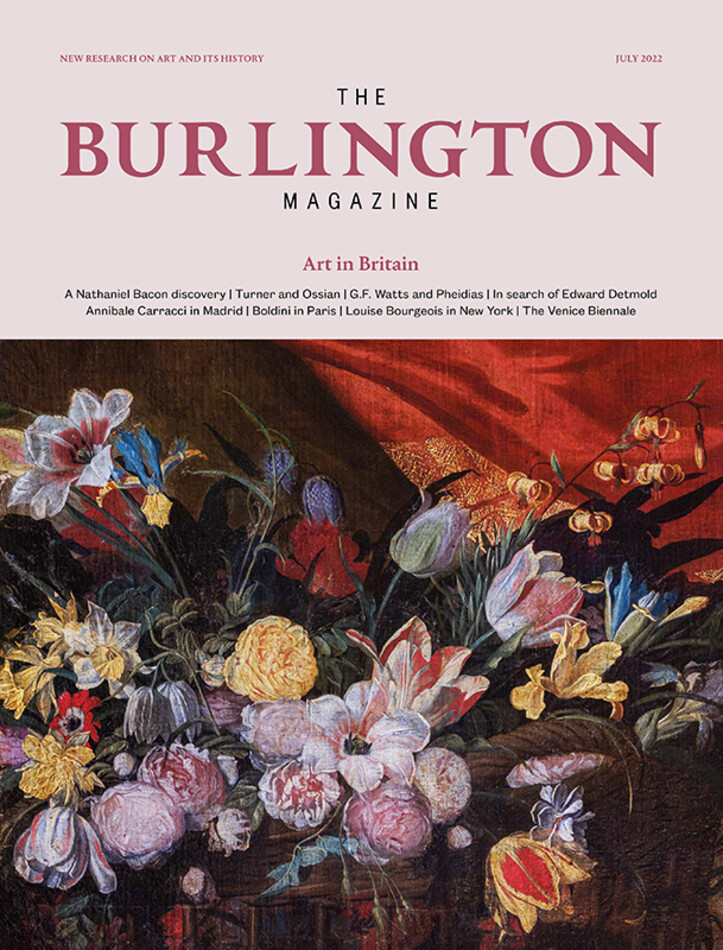
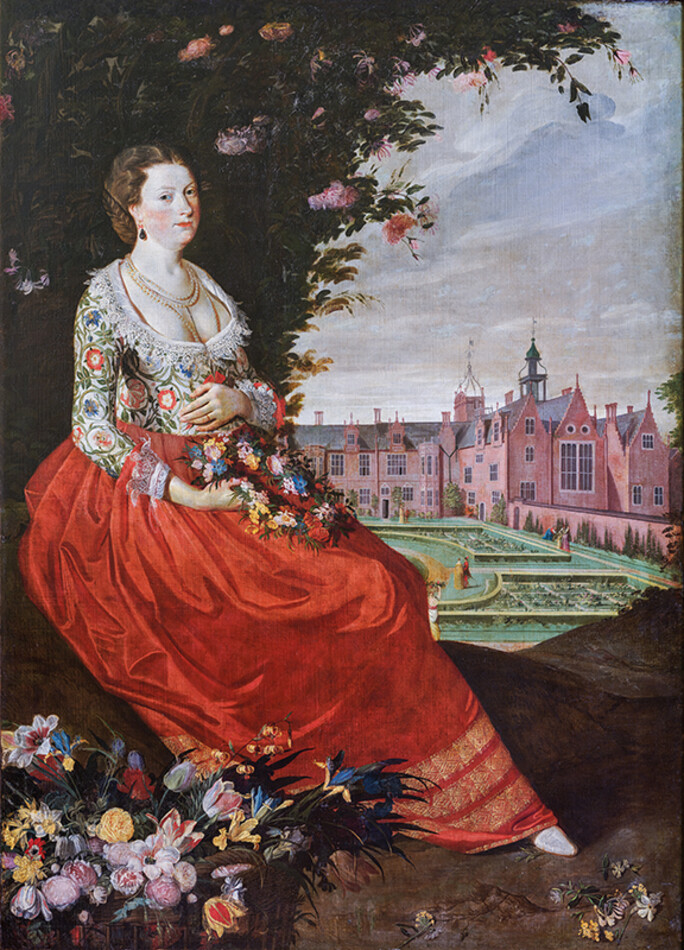
With nearly 1,500 artworks on display, there is a lot to see at the Royal Academy of Arts (RA) Summer Exhibition 2022. If you want a taste of what’s on show then here is a quick tour. The theme chosen by the exhibition’s coordinator, Alison Wilding RA, is Climate. It begins outside, where a large-scale immersive installation by Spanish artist Cristina Iglesias brings nature and water to the courtyard. Inside, the artworks are spread over 11 rooms, including two galleries of prints selected by Grayson Perry RA.
Tag Archives: Museums
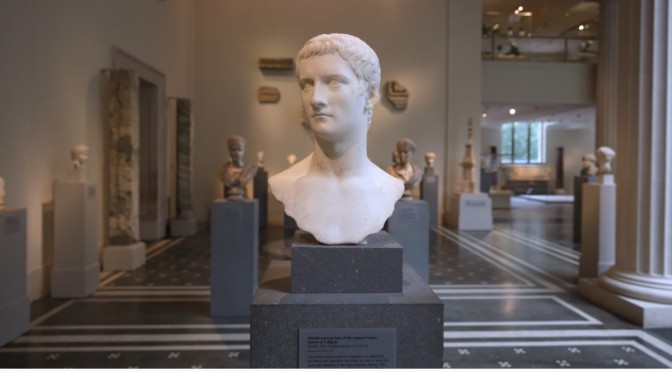
Museum Insider: ‘Caligula’ Marble Bust’s True Colors
Archaeologists Vinzenz and Ulrike Koch Brinkmann have spent the last 40 years dedicated to the study of polychromy—or “many colors” in Greek—in ancient sculpture. Once a fringe area of study, their research combats the misconception of white purity in ancient Greece and Rome. They reflect on the marble bust of Caligula and how the reconstruction of its former color can help us better understand history.
Explore more perspectives on Caligula: https://www.metmuseum.org/perspective…
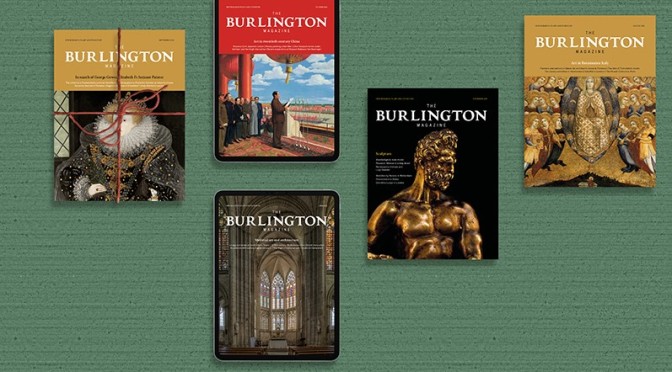
Preview: The Burlington Magazine – July 2, 2022
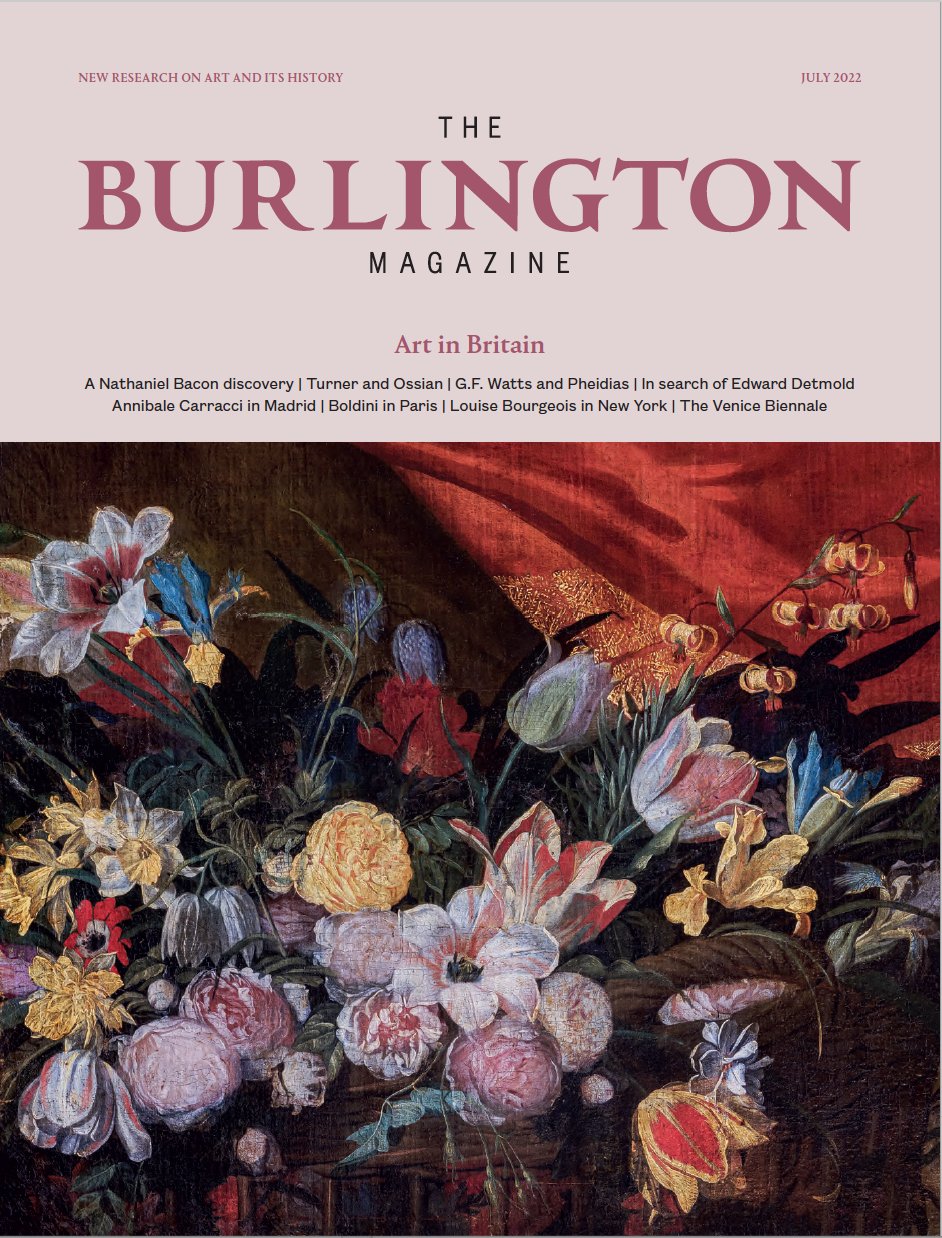
Louise Bourgeois: Paintings Louise Bourgeois: The Woven Child
‘Je vois red’ raged Louise Bourgeois (1911–2010) on one of the loose sheets of paper that she made notes on, most often about herself and her work and, in this case, about the painting Natural history #2 (1944; Easton Foundation, New York), which struck her as all going wrong. Slipping between two languages, Bourgeois’s fury conforms to the themes of rage, the death drive and childhood aggression that the art historian Mignon Nixon has traced in the artist’s work in reference to the ideas of the psychoanalyst Melanie Klein.
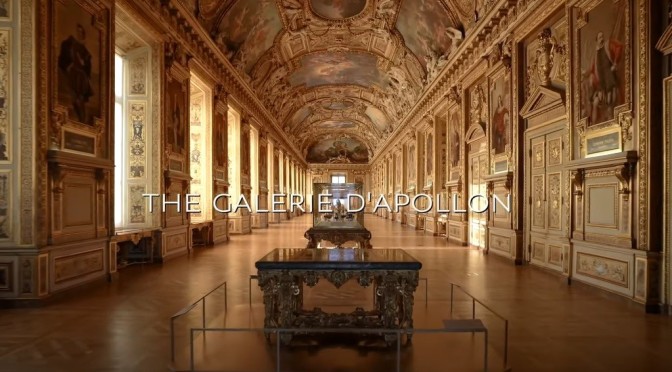
Views: Galerie d’Apollon In The Louvre Museum, Paris
King Louis XIV famously identified himself with the sun god Apollo and this splendid gallery was the first tangible representation of that image. To create this masterpiece of architectural decoration, he summoned the greatest painters, gilders and sculptors of the day, who later worked on the Hall of Mirrors at the Château de Versailles. Today, the Galerie d’Apollon is home to the royal collection of hardstone vessels and the French Crown Jewels.
The French Crown Jewels
The royal collection also includes the Crown Jewels. The so-called ‘Côte de Bretagne’ spinel, which once belonged to Anne de Bretagne, is the oldest of the gems to have survived a tumultuous history involving theft, dispersal and sale. Three historical diamonds – the Regent, the Sancy and the Hortensia – formerly adorned royal crowns or garments. The spectacular 19th-century jewellery sets in the collection include emerald and diamond pieces that once belonged to Empress Marie Louise.
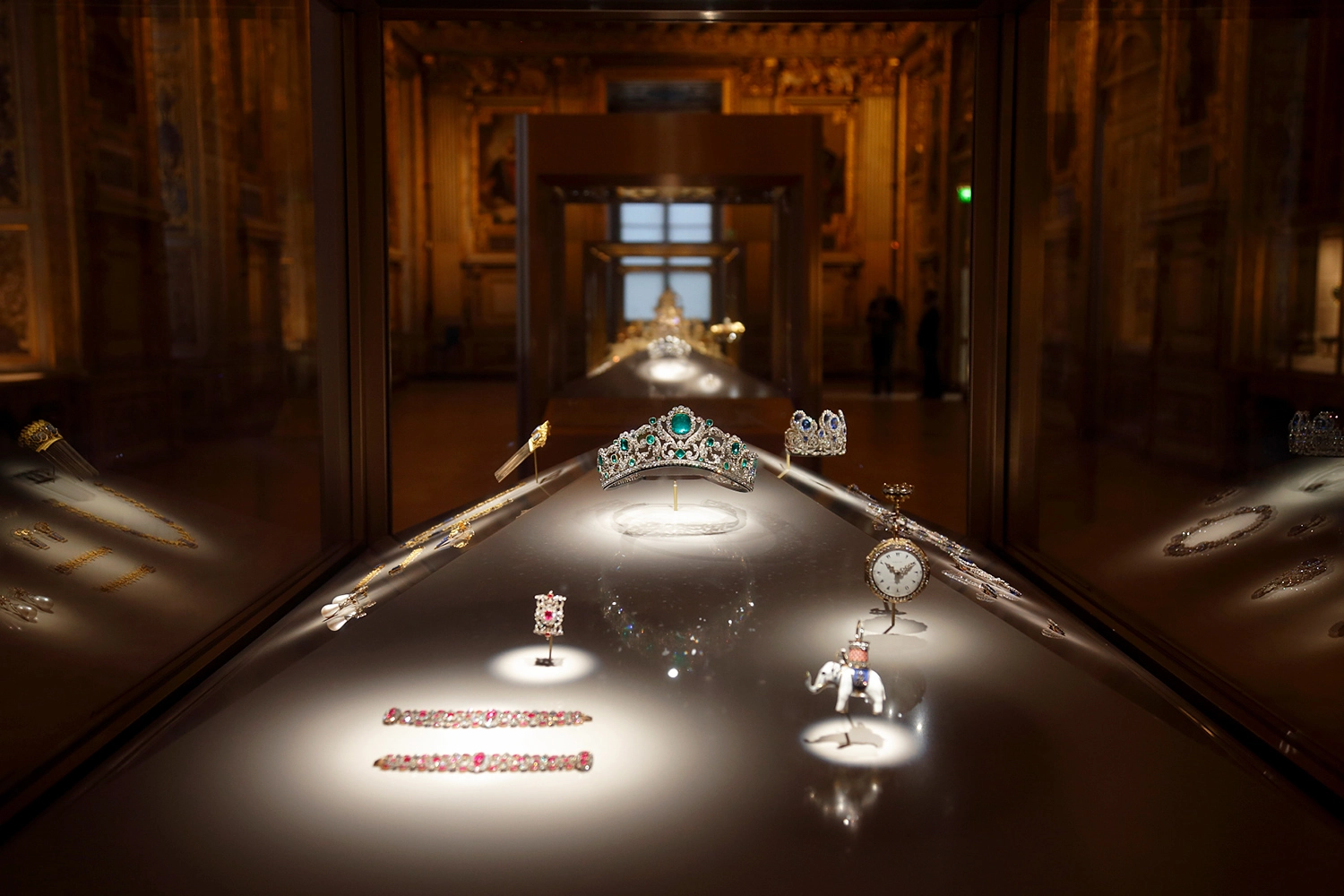
The 60-meter-long Apollo Gallery contains 105 extraordinary pieces, the most famous being the Crown Jewels of France. “This generic term covers not just the jewels that belonged to the kings of France but all the regalia as well: the precious stones and glyptic pieces,” says Pierre Rainero, director of style and heritage with the jeweler Cartier, which has sponsored the renovation work.
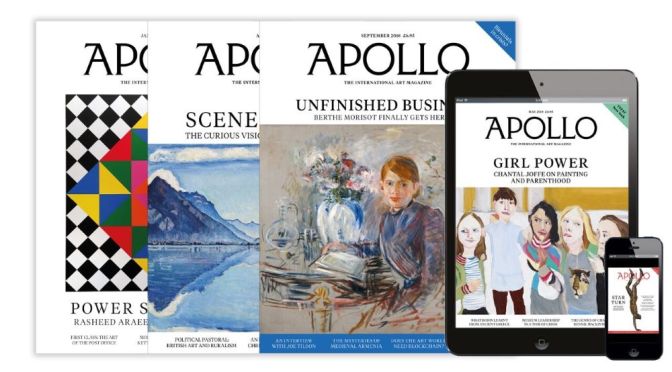
International Art: Apollo Magazine – July/Aug 2022

• The Russian artists making a stand against the war
• An interview with Gabriele Finaldi, director of the National Gallery
• The miniature marvels of Charles Paget Wade
• A Yoruba masterpiece in focus
Plus: London’s art market after Brexit, the Huntington Library comes up to speed, the beauty of banality, and reviews of Maillol’s sculptures, gilded manuscripts and Van Leo’s photographs of Cairo
Reviews: The Week In Art
This week: our associate editor, Kabir Jhala, and editor-at-large, Jane Morris, have been in Kassel, Germany, to see Documenta, the quinquennial international art exhibition.
They review the show and respond to the escalation of a long-running row over antisemitism and broader racism, which has resulted in a work being removed from the exhibition. Virginia Rutledge, an art historian and lawyer, discusses the dispute over Andy Warhol’s appropriation of a photograph by Lynn Goldsmith of the pop icon Prince. The case will be heard in the US Supreme Court this autumn and has potentially huge implications for artistic freedom. And this episode’s Work of the Week is An Outpost of Progress (1992), a drawing by the late Spanish artist Juan Muñoz, inspired by Joseph Conrad’s short story of the same name.
Documenta 15, Kassel, Germany, until 25 September.
Juan Muñoz: Drawings 1982-2000, Centro Botín, Santander, Spain, 25 June-16 October.
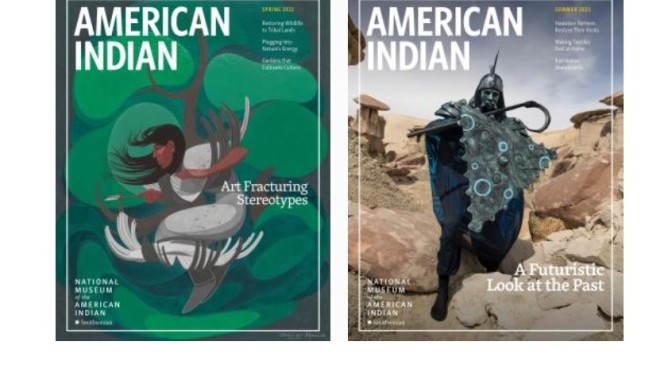
Previews: American Indian Magazine – Summer 2022
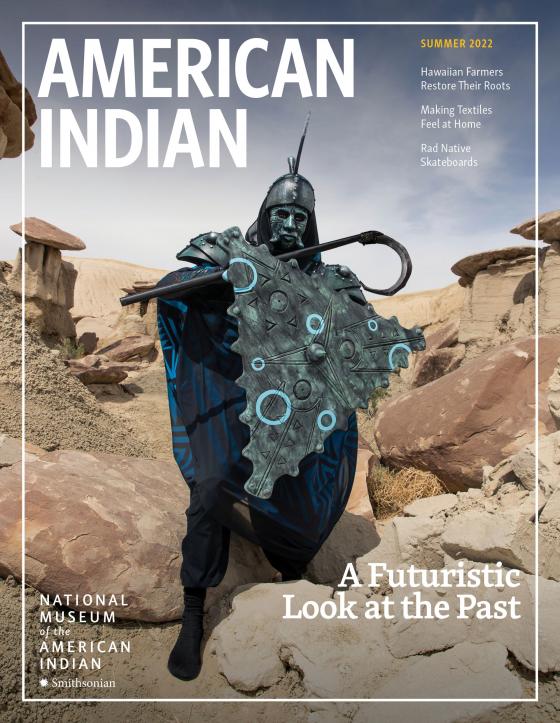
American Indian Magazine – Summer 2022
Highlights:
Watching Over the Past: Virgil Ortiz’s Futuristic Creations Are Perpetuating Cochiti Pueblo Pottery-Making Traditions
Virgil Ortiz still remembers the outings he took as a 6-year-old boy with his mother to creeks throughout their Pueblo of Cochiti in New Mexico. There, they would gather clay to mold into pots and storytellers—seated comical human or animal figures. His father was a drum maker and his mother and grandmother were both potters. He remembers giving prayers of thanks to Mother Earth for providing clay, a medium through which they could express themselves. “I was surrounded by art every day,” says Ortiz.
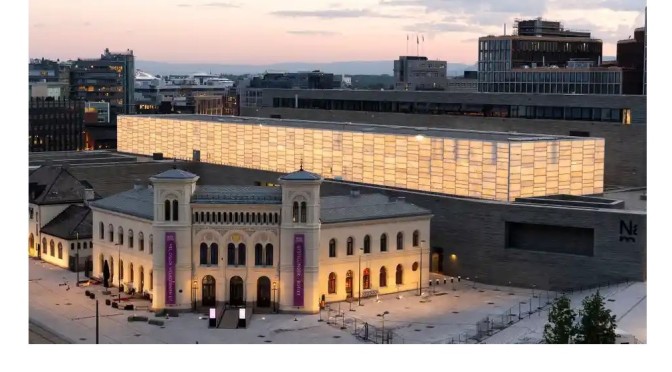
Views: The New National Museum Of Norway, Oslo
The Norwegian capital Oslo is getting a new national museum for classical and modern art, architecture and design. The museum’s collection includes around 100,000 objects, ranging from medieval tapestries to modern design classics and contemporary artworks.
There will be rooms dedicated to, among others, the works of Edvard Munch , including “The Scream,” 19th-century landscape painting, royal robes worn by the Norwegian queens, as well as works by prominent artists, such as Gustav Vigeland, Hannah Ryggen, Claude Monet, Vincent Van Gogh and Ida Ekblad.
Reviews: ‘The Week In Art’
This week: why is Tate rejecting an archive of material relating to Francis Bacon, 18 years after acquiring it?
Our London correspondent Martin Bailey tells us about his recent scoop that Tate is returning a thousand documents and sketches said to have come from the studio of Francis Bacon to Barry Joule, a close friend of the artist, who donated them to Tate in 2004. We then discuss the material with Martin Harrison, the pre-eminent Bacon scholar and editor of the catalogue raisonné of Francis Bacon’s work published in 2016, and to Sophie Pretorius, the archivist at the Estate of Francis Bacon, who went through the Barry Joule archive item by item. Victoria Munro, the director of the Alice Austen House Museum in New York, discusses this still too-little-known photographer, and her documentation of immigration to the United States and the lives of queer women in the 19th and early 20th centuries. And this episode’s Work of the Week is Weißes Bild (1994), a painting by the late Luxembourg-born artist Michel Majerus, now on view at Art Basel—Aimee Dawson, acting digital editor, is at the fair and talks to Giovanni Carmine, curator of the Unlimited section, in which the painting appears.
Sophie Pretorius’s essay Work on the Barry Joule Archive is in the book Francis Bacon: Shadows published by the Estate of Francis Bacon and Thames and Hudson.
For more on the Alice Austen House Museum, visit aliceausten.org. The podcast My Dear Alice is out in the autumn.
Art Basel, until 19 June.
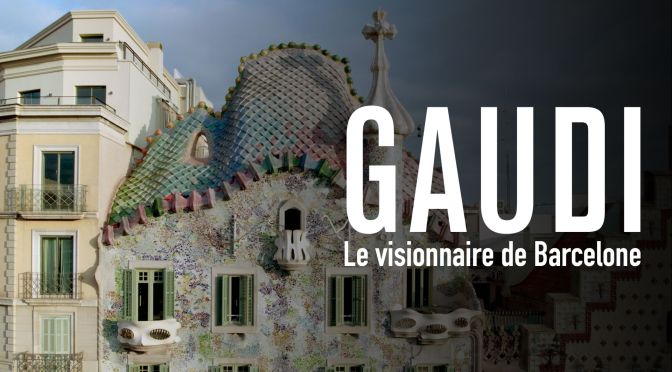
Exhibits: ‘Antoni Gaudí’ At The Musée d’Orsay In Paris
The Musée d’Orsay is hosting the first major exhibition devoted to Antoni Gaudí organized in France in Paris in fifty years. In an immersive museographic experience, it will show the spectacular creations of this unique artist, in particular, presenting sets of furniture never before exhibited in France. It will offer a new vision of the artist as a unique and singular figure, a non-isolated genius who practiced in a Catalonia in the midst of social, political and urbanistic upheaval.
Until July 17th, 2022
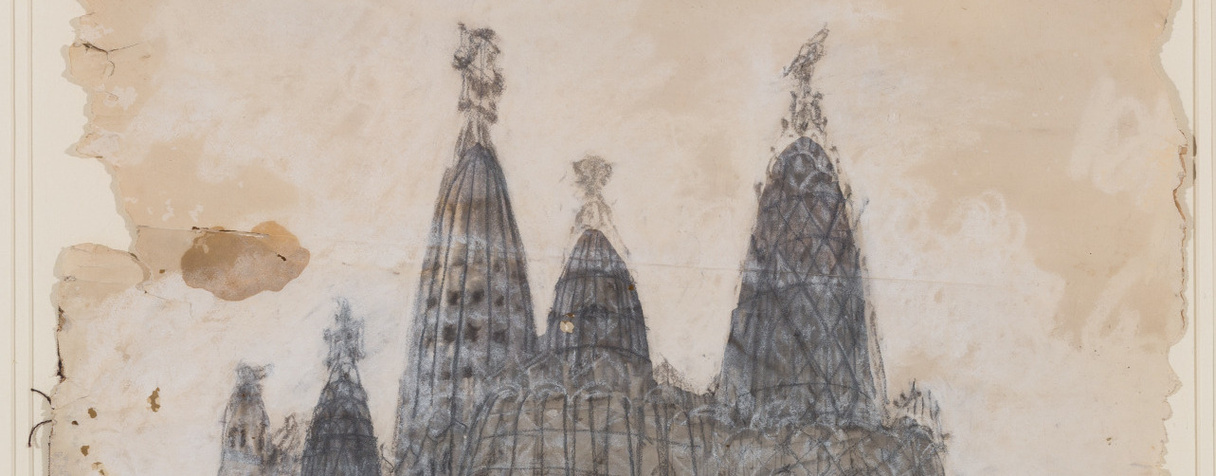
©Museu Nacional d’Art de Catalunya, Barcelona / Marc Vidal i Aparicio
The exhibition will focus on showing the architect’s creative process at a time of an exceptional local artistic profusion linked to “Modernism” or the Art Nouveau movement in Spain, supported by distinguished patrons, anxious to distinguish Catalonia, a land of Mediterranean identity. Gaudí’s workshop, his many collaborators, and his sophisticated working techniques will be the guiding line of the exhibition to make the public understand the extraordinary inventive capacity of the architect who defied all the creation of the moment.
 Boomers Daily