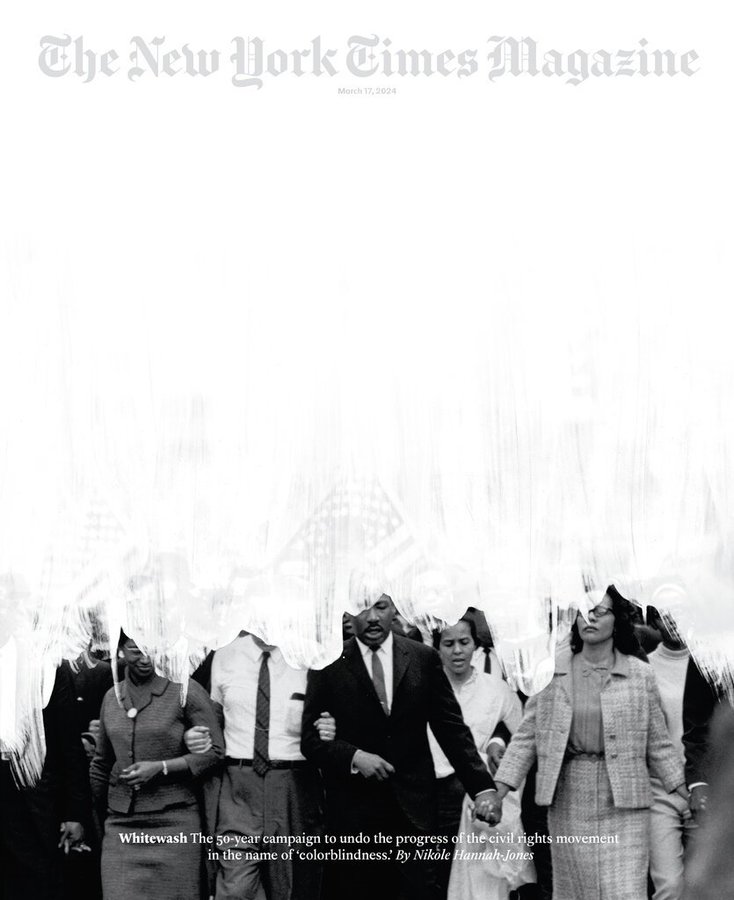
The fall of affirmative action is part of a 50-year campaign to roll back racial progress.
By Nikole Hannah
Anthony K. Wutoh, the provost of Howard University, was sitting at his desk last July when his phone rang. It was the new dean of the College of Medicine, and she was worried. She had received a letter from a conservative law group called the Liberty Justice Center. The letter warned that in the wake of the Supreme Court’s decision striking down affirmative action in college admissions, the school “must cease” any practices or policies that included a “racial component” and said it was notifying medical schools across the country that they must eliminate “racial discrimination” in their admissions. If Howard refused to comply, the letter threatened, the organization would sue.
Researchers are documenting a phenomenon that seems to help the dying, as well as those they leave behind.
By Phoebe Zerwick
Chris Kerr was 12 when he first observed a deathbed vision. His memory of that summer in 1974 is blurred, but not the sense of mystery he felt at the bedside of his dying father. Throughout Kerr’s childhood in Toronto, his father, a surgeon, was too busy to spend much time with his son, except for an annual fishing trip they took, just the two of them, to the Canadian wilderness. Gaunt and weakened by cancer at 42, his father reached for the buttons on Kerr’s shirt, fiddled with them and said something about getting ready to catch the plane to their cabin in the woods. “I knew intuitively, I knew wherever he was, must be a good place because we were going fishing,” Kerr told me.
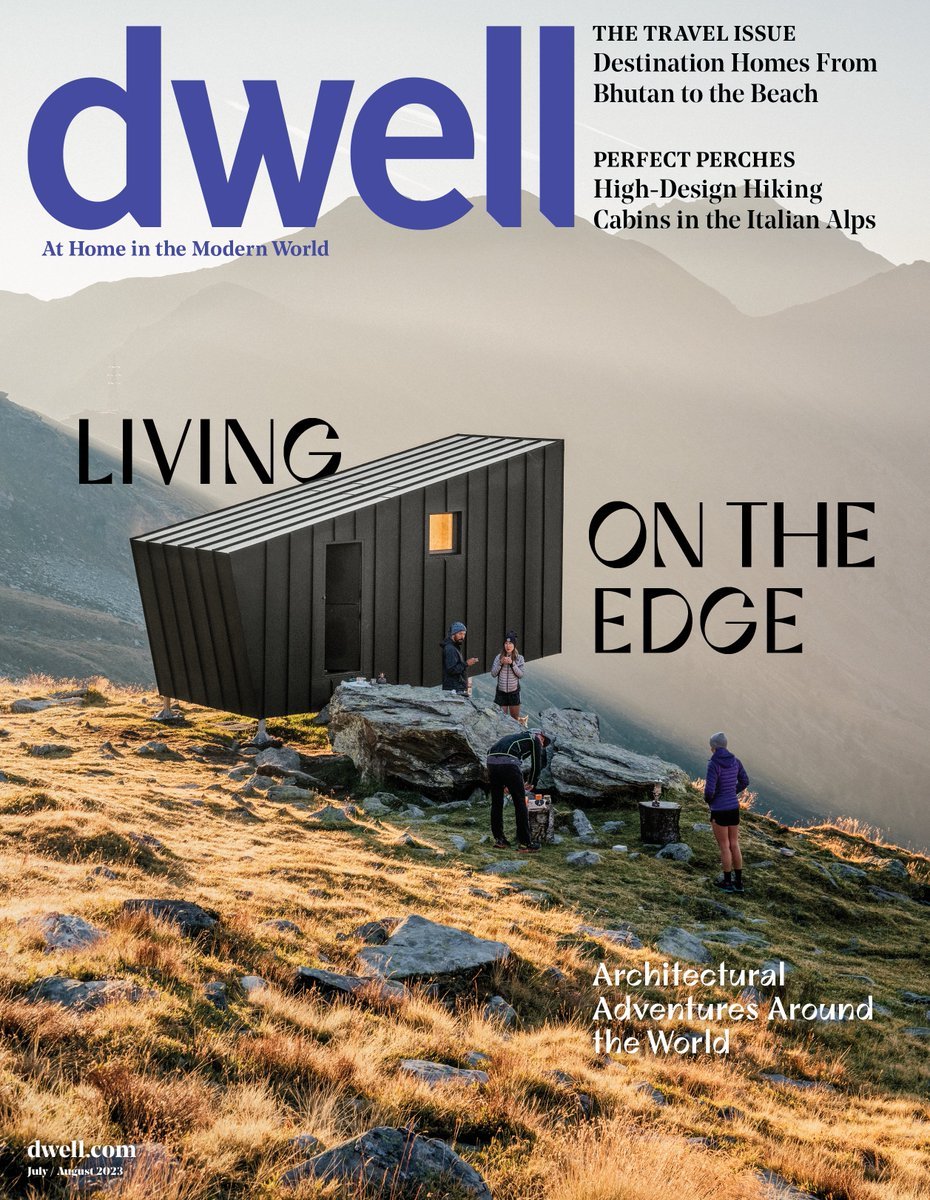
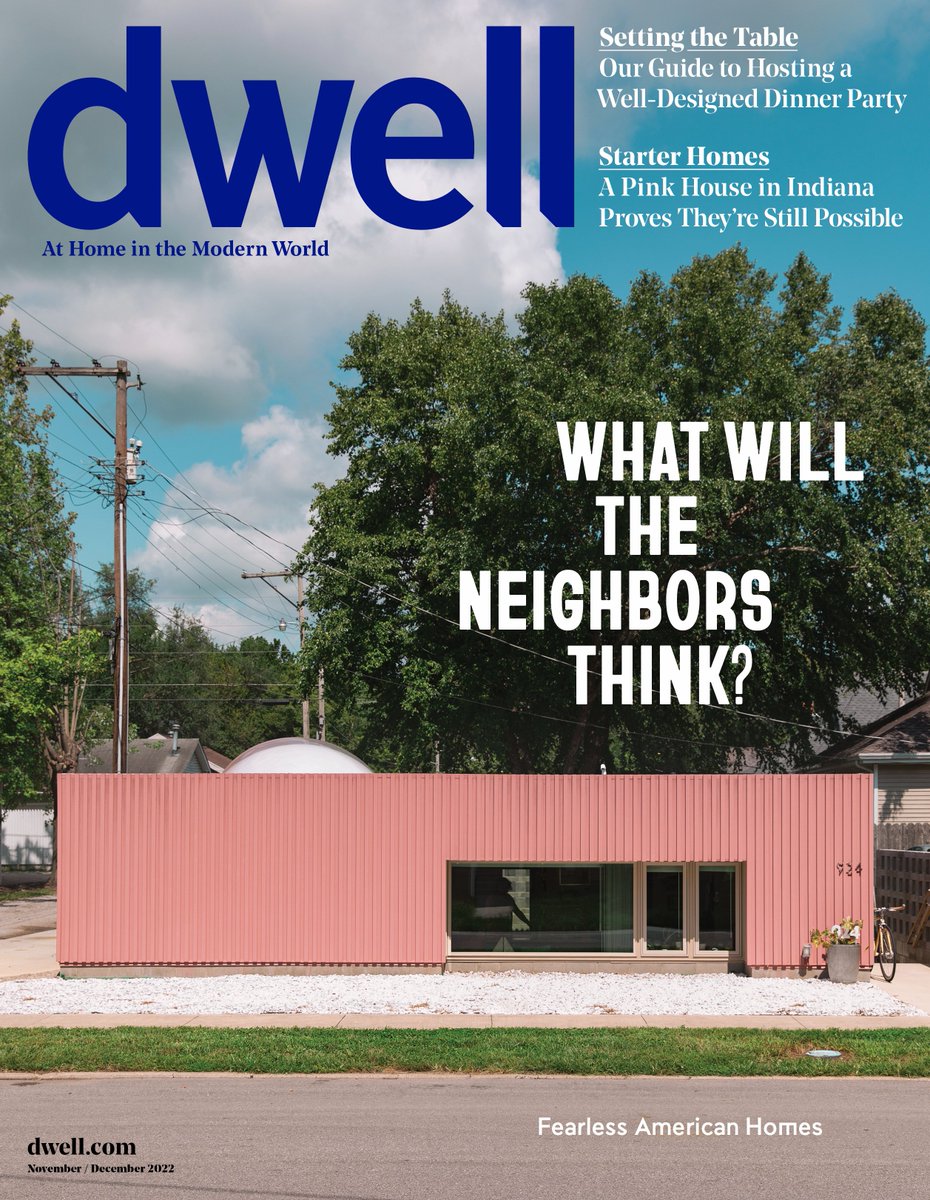
Dwell – July/August 2023 issue: The Travel Issue: Destination Homes From Bhutan to the Beach; Perfect Perches: High-Design Hiking Cabins in the Italian Alps…
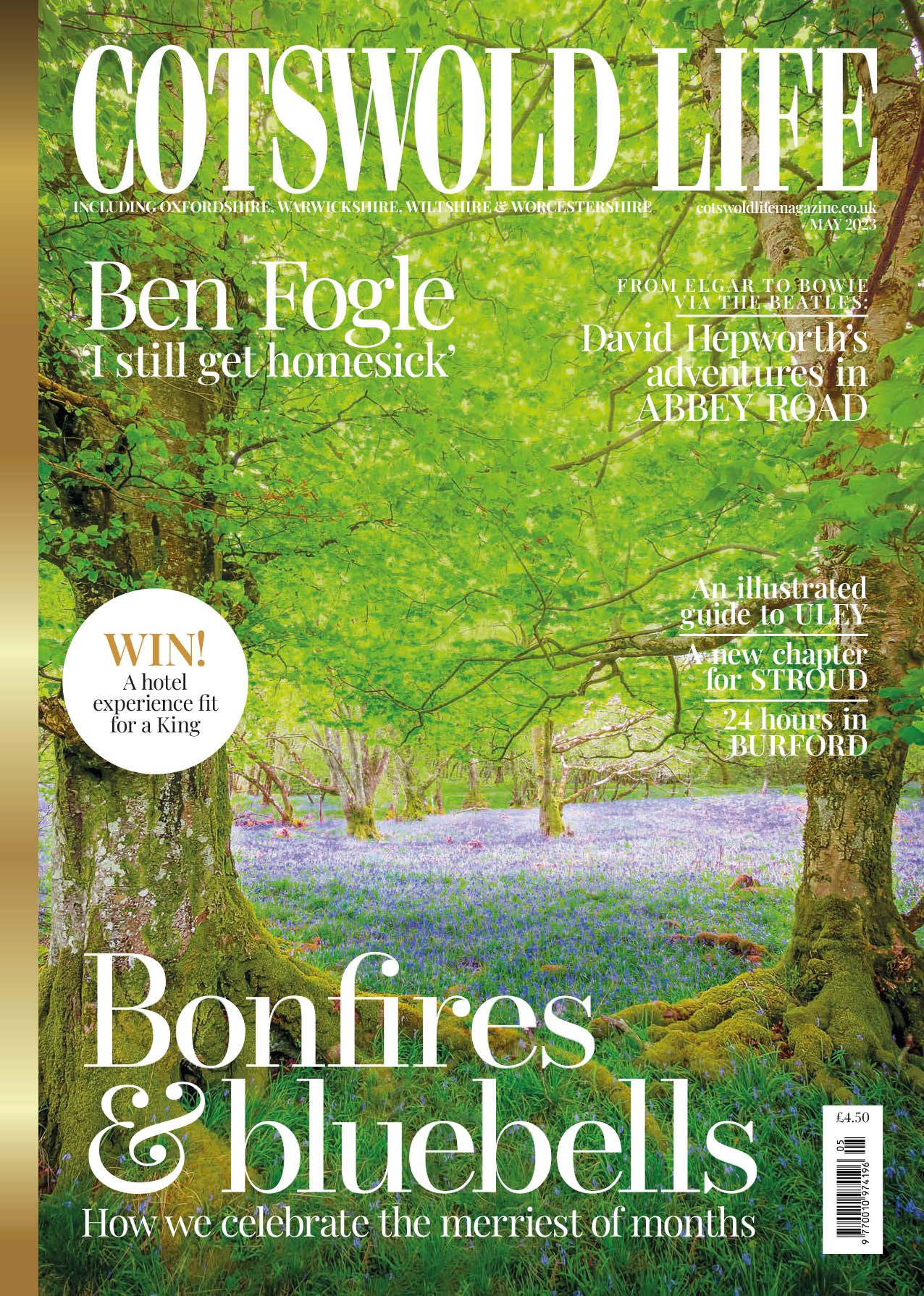
COTSWOLD LIFE MAGAZINE – MAY 2023: The issue features the folklore, sayings and celebrations of Maytime; 24-hours in Burford; @Benfogle on health scares, hope & homesickness; from Elgar to Beatlemania at @AbbeyRoad; an illustrated guide to #Uley; a folkloric walk by the River Severn.
SURVIVING WINTER: Joe Gibbs summons the fortitude of our forebears in a bid to survive the cold season in an old house with rattling windows, draughty chimneys and a leaky roof.
NEWS: What impact will inflation and the cost-of-living crisis have on our historic houses and churches?
MASTERPIECE: The Forstye Saga‘s enduring appeal.
ARCHITECTURE: Drapers’ Hall: An enduring force for good.
FURNITURE: The joys of gilded furniture.
INTERIORS: Fat, often glistening metallic tassels, fringes, cords and braids—known as passementerie—have been beautifying interiors for centuries, reveals an admiring Matthew Dennison.
Geechee basketmakers, Gee’s Bend quilters, and Native American artisans are developing ways of navigating markets that have not always had their best interests at heart.
The two-level ADU is decked out with a light-filled recording studio for him, and for her, a luminous design space with soaring ceilings and sliding glass doors.
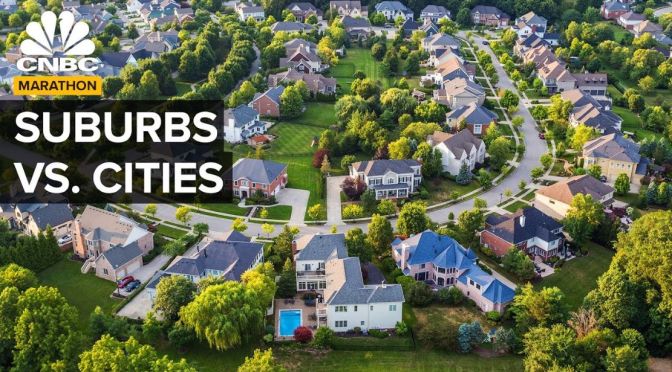
CNBC Marathon reviews why a cost-of-living crisis is unfolding across America’s housing infrastructure. CNBC explores what that means for apartments in the cities and houses in the suburbs. Inflation data shows that costs for items such as rent and groceries are increasing quickly across the Sun Belt and coastal cities.
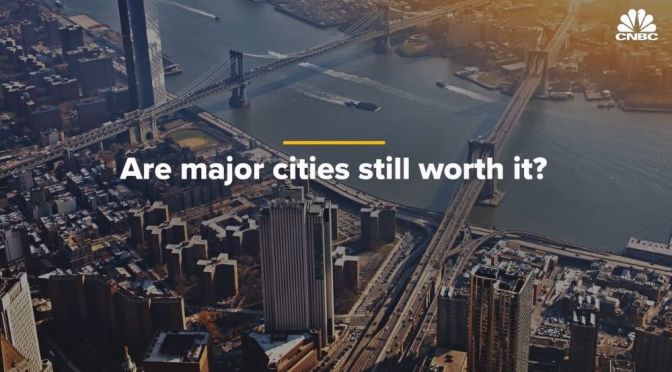
Chapters: 00:00 Introduction 00:39 How to make the suburbs more affordable (Published April. 2022) 13:22 How suburban sprawl shapes the U.S. economy (Published Feb. 2022) 26:34 Are major cities still worth it? (Published May 2022)
Now years removed from the darkest days of the pandemic, people are asking: Is a return to the city worth it? Metropolitan regions have sprawled in recent years, raising budget concerns and quality-of-life issues for the people who remain downtown. Meanwhile the absence of commuters is slowing the recovery in leisure and hospitality. About 46% of renters in the U.S. are struggling to make ends meet, according to Harvard University researchers.
Builders say conditions for renters will get worse before they get better. A snarled supply chain, a labor shortage, and rising interest rates are worsening what some call a “throwaway” development pattern. Several real estate industry experts have ideas about how to make housing more attainable. Some of the most popular ideas include mixed-use districts and master-planned communities.
America’s suburbs are sprawling again. Over the 20th century, real estate developers built large tracts of single-family homes outside of major cities. The builders were following mortgage underwriting standards first introduced by the Federal Housing Administration in the 1930s. Over the century, those guidelines created housing market conditions that explicitly shut out many minorities. Experts say it is possible to update these old building codes to create equity while fixing some, but not all of the problems of American suburbia. CNBC Marathon brings together the best of CNBC’s coverage on the U.S. housing crisis and how life in the suburbs impacts city living.
A cost-of-living crisis is unfolding in U.S. major cities. Inflation data shows that costs for items such as rent and groceries are increasing quickly across the Sun Belt and coastal superstar cities. Now years removed from the darkest days of the pandemic, people are asking: Is a return to the city worth it?
Metropolitan regions have sprawled in recent years, raising budget concerns and quality-of-life issues for the people who remain downtown. Meanwhile the absence of commuters is slowing the recovery in leisure and hospitality. Many renters believe that a cost-of-living crisis is brewing in America’s major cities.
New York City is showing up as a hotspot of rent inflation. The average rent for 1-bedroom apartments in Manhattan rose to $3,995 a month in May 2022 — a 41% increase from one year ago, according to Zumper. Sudden, double-digit rent spikes are hitting other hubs, including Chicago, Los Angeles, and Austin, Texas. Zumper data shows that growth is particularly strong in Sun Belt cities such as Miami, where rents have risen to $2,700 a month in May 2022, a 64% increase from a year prior. During the pandemic, workers left the largest U.S. cities.
Two years in, renters have returned but many commuters haven’t as companies negotiate the particulars of a return to the office. Public officials are concerned about lagging transit ridership in cities such as New York. Ed Glaeser, an economist at Harvard University, says cities are becoming more important — not less — in the age of remote work. “When you Zoom to work, you miss the opportunity to watch the people who are older, to watch what they’ve done and to learn from them,” he told CNBC in an interview.
But for renters, a return to increasingly expensive cities might seem like a raw deal, especially if they can do their jobs from home. Researchers say remote work limits firms’ ability to train new workers. Data produced by Microsoft’s workforce suggests that it is more difficult to share in-depth information remotely, which can produce silos within companies’ rank and file.
“A lot of these tech companies, they’re saying you can work remotely,” said Andra Ghent, a professor of finance at the University of Utah. “But, you know, in many cases, they’re also saying, like, we’re not going to pay you quite the same amount.” Many renters believe that a cost-of-living crisis is brewing in America’s major cities. New York City is showing up as a hotspot of rent inflation. The average rent for 1-bedroom apartments in Manhattan rose to $3,995 a month in May 2022 — a 41% increase from one year ago, according to Zumper.
Sudden, double-digit rent spikes are hitting other hubs, including Chicago, Los Angeles, and Austin, Texas. Zumper data shows that growth is particularly strong in Sun Belt cities such as Miami, where rents have risen to $2,700 a month in May 2022, a 64% increase from a year prior. During the pandemic, workers left the largest U.S. cities. Two years in, renters have returned but many commuters haven’t as companies negotiate the particulars of a return to the office.
Public officials are concerned about lagging transit ridership in cities such as New York. Ed Glaeser, an economist at Harvard University, says cities are becoming more important — not less — in the age of remote work. “When you Zoom to work, you miss the opportunity to watch the people who are older, to watch what they’ve done and to learn from them,” he told CNBC in an interview. But for renters, a return to increasingly expensive cities might seem like a raw deal, especially if they can do their jobs from home.
Researchers say remote work limits firms’ ability to train new workers. Data produced by Microsoft’s workforce suggests that it is more difficult to share in-depth information remotely, which can produce silos within companies’ rank and file. “A lot of these tech companies, they’re saying you can work remotely,” said Andra Ghent, a professor of finance at the University of Utah. “But, you know, in many cases, they’re also saying, like, we’re not going to pay you quite the same amount.”
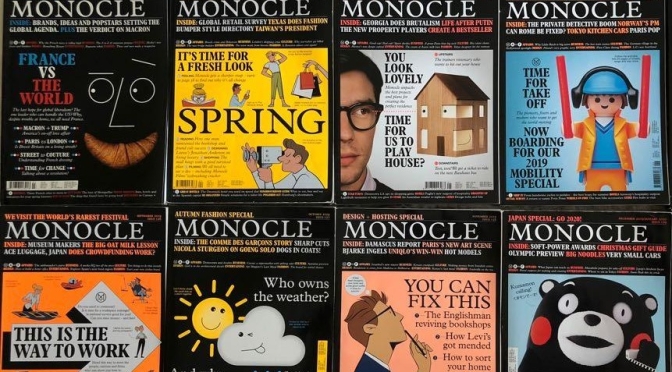
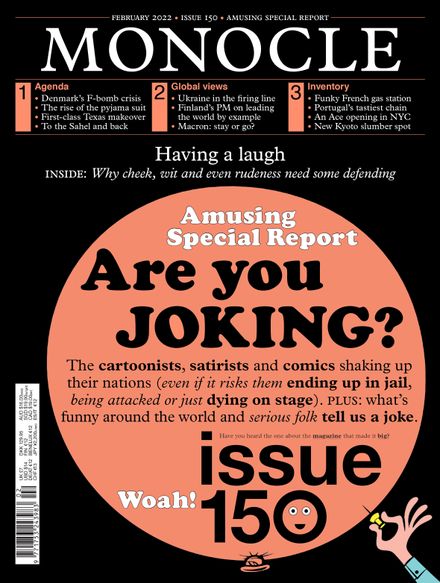
Monocle’s 150th issue is a humour special that also includes an interview with Finland’s prime minister Sanna Marin and celebrates ambitious city halls that inspire the metropolises they serve. Order your copy now: https://t.co/jsgQz1X4WHpic.twitter.com/7wNYPZqTYt
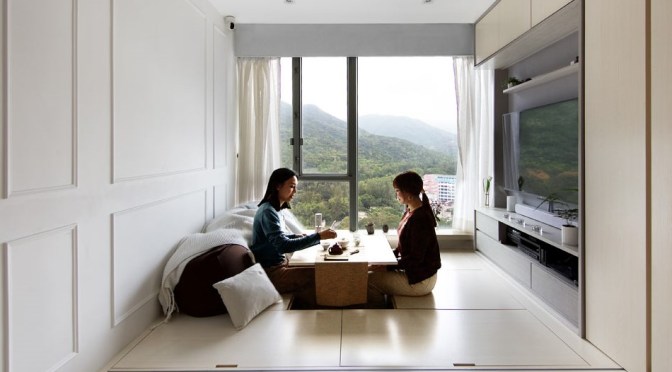
Situated along the coast of Hong Kong, SmartZendo apartment was designed to bring Zen ideas into a small home. In redesigning the home, architect Patrick Lam converted a chaotic, awkward space into a mindful experience of modern living, using Zen’s focus to draw the scenery outside into the home.
Creating an open living area allowed the addition of a raised floor, containing additional storage hidden by hatches, as well as a raisable coffee table embedded in the floor. This also allowed the relocation of the kitchen from an irregularly shaped room into the living area, and the addition of a series of timber panels that can divide the living space into a sleeping area.
Smart hardware and appliances complete the home, reducing clutter and encouraging dual purpose use of furniture and cabinetry throughout.
Narrated by Shane Morris with Music by Solus by Life In Colour.
Quotes by Ralph Waldo Emerson
Ralph Waldo Emerson, who went by his middle name Waldo, was an American essayist, lecturer, philosopher, abolitionist and poet who led the transcendentalist movement of the mid-19th century.
News, Views and Reviews For The Intellectually Curious














 Boomers Daily