
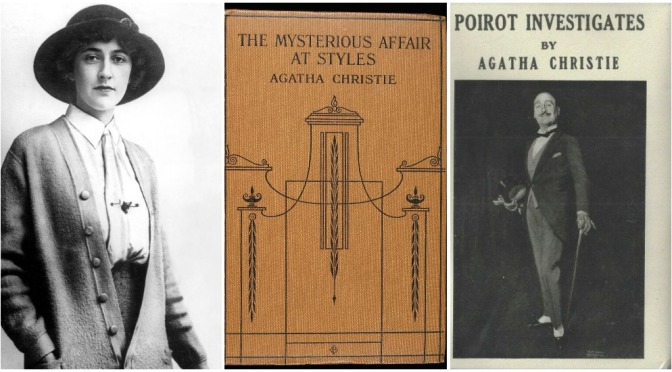
From Open Magazine (May 29, 2020):

And with The Mysterious Affair at Styles (published a 100 years ago, in 1920) Christie would introduce readers to Monsieur Hercule Poirot, an old Belgian detective who resembled Holmes superficially (‘eccentric detective, stooge assistant’, as the author would admit in her autobiography later) but whose psychological insights and near-mystical idiosyncrasies would make him arguably the most successful and beloved literary sleuth of all time.
IN 1916, THE 26-year-old Agatha Christie finished writing her first detective novel at Dartmoor, a quiet upland in Devon, UK, known for its beautiful granite hilltops. Sir Arthur Conan Doyle had published The Hound of the Baskervilles, in 1902, which would become one of the most widely read Sherlock Holmes adventures—and the story was set in this same corner of the world, Dartmoor.
Books like Murder on the Orient Express (1934), The Murder of Roger Ackroyd (1926) and Death on the Nile (1937) remain some of the bestselling murder mysteries in the world today, over eight decades after their original publication (Christie’s net sales for all of her books combined are over two billion now).


 Gertrude Stein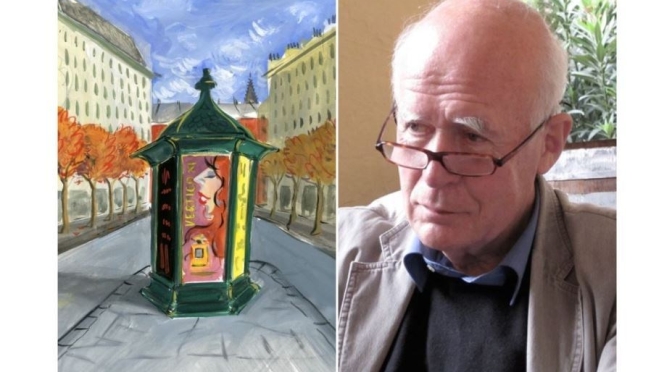

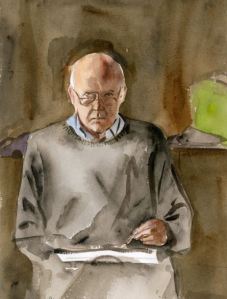 took up the most substantial part of his time, at the BBC in the 1960s and 1970s and thereafter as a freelance. He was also an illustrator, a journalist, an author of children’s books, an editor and a publisher. The great range of his professional work, and his encompassing interest in the work of others, made him a collaborator sought out by writers, publishers and artists.




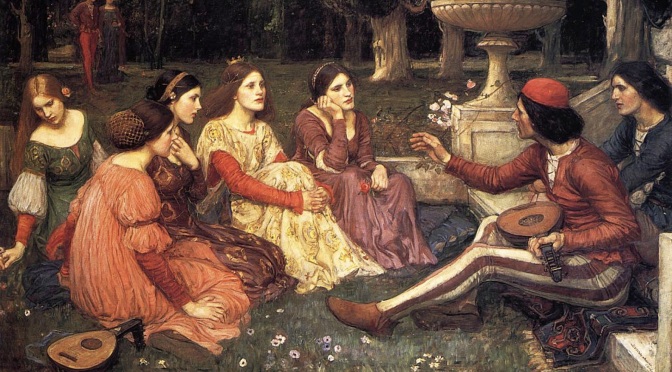

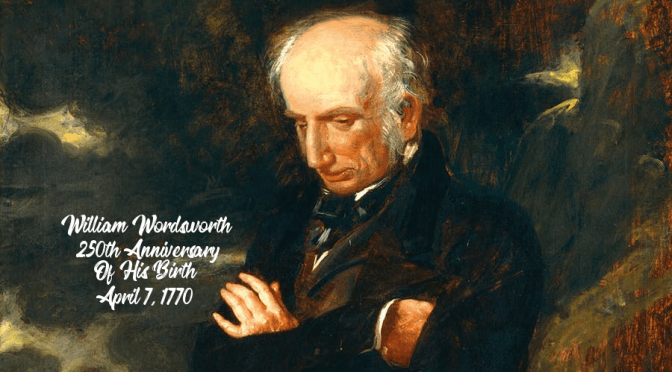
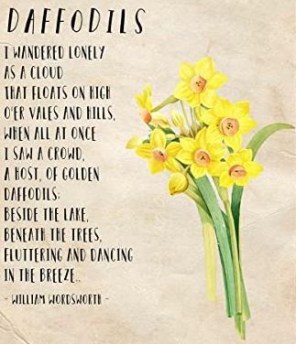 ‘We are fond of tracing the resemblance between Poetry and Painting,’ wrote William Wordsworth
 When, in 1840 or so, a well-meaning houseguest called Margaret Gillies made a drawing of the 70-year old Mrs Wordsworth, everyone agreed that it was an excellent likeness; but her kind act was rewarded with a testy and somewhat ungracious sonnet from the sitter’s husband. He preferred to visualise Mary in her salad days: ‘’tis a fruitless task to paint for me, / Who, yielding not to changes Time has made, / By the habitual light of memory see / Eyes unbedimmed, see bloom that cannot fade, / And smiles that from their birth-place ne’er shall flee / Into the land where ghosts and phantoms be’.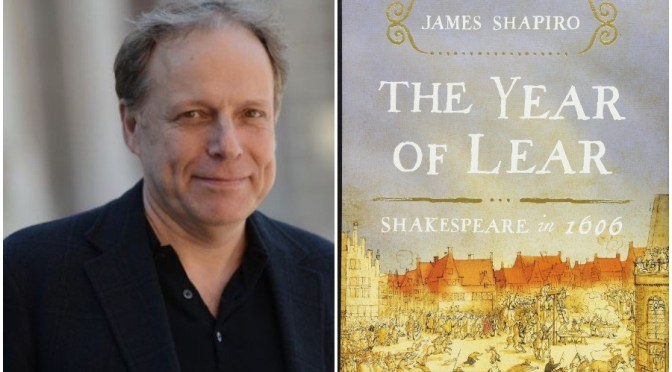
 Octavian Report “Rostrum” spoke with him about a major theme in Shakespeare’s work and life: disease. Specifically, pandemic plagues, which ravaged London repeatedly throughout Shakespeare’s career, shuttering the theaters, and which appear (obliquely and otherwise) in some of his greatest plays.
 Boomers Daily