The Globalist Podcast (August 30, 2023) – We discuss Imran Khan’s suspended conviction and rising tensions between Beijing and Tokyo over Fukushima’s wastewater.
Plus: our Washington correspondent, Chris Cermak, flicks through the day’s papers and we look ahead to Monocle’s Quality of Life Conference in Munich.
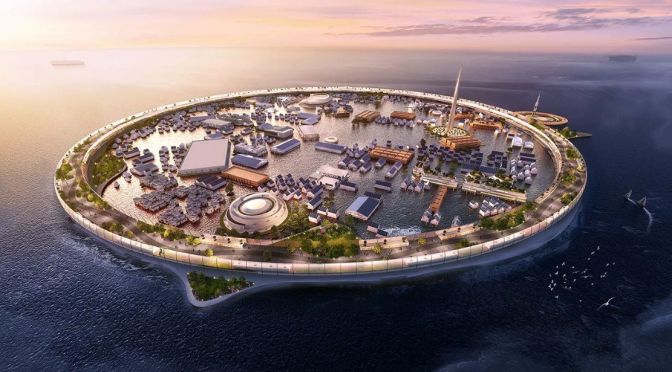
Tomorrow’s Build (August 29, 2023) – Dogen City in Japan is a smart healthcare city floating on the sea that integrates food environment, architecture, data, energy, and ocean resource with a focus on healthcare.
The Globalist Podcast, Friday, August 18: The US, Japan and South Korea gather for unprecedented trilateral talks, Spain’s prime minister, Pedro Sanchez, makes a deal with the Catalan separatist party and World Cup fever takes over Brisbane ahead of Sunday’s final.
Plus: the latest papers from Zürich, a roundup of the climate news with Monocle’s Edmonton correspondent, Sheena Rossiter, and the rise of Brazilian wine.
Brücke Films (August 7, 2023) – There are many wonderful places in Kumamoto Prefecture, Japan, where my cabin is located. I will introduce a small portion of them on my own walking tour.
Kikuchi Keikoku (Kikuchi Gorge) is a 4km long gorge located in Aso Kuju National Park. The water runs from the outer rim of the Aso Crater. It is also known as Kikuchi Suigen (water source), and was selected as one of the 100 best waters in Japan
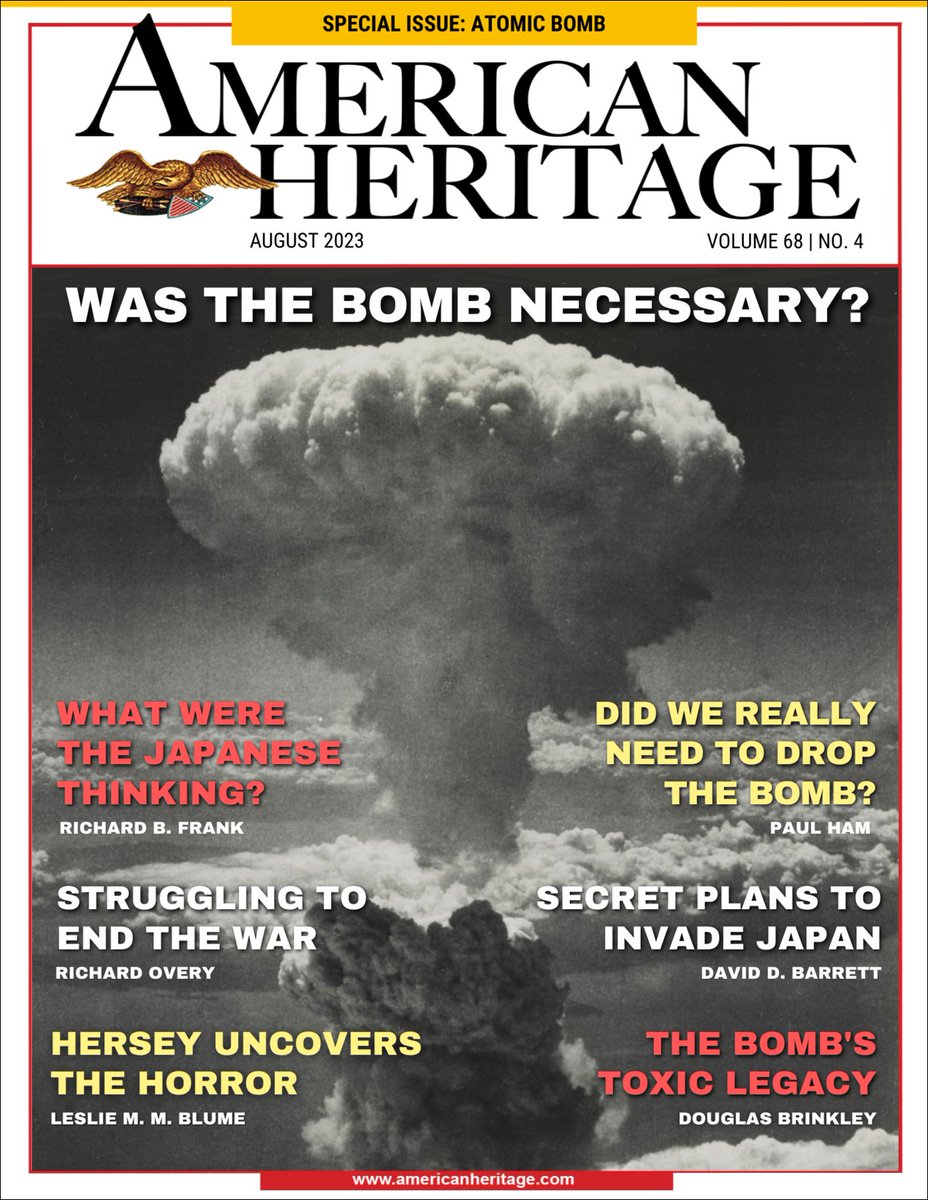
American Heritage Magazine (August 2023) – This World War II issue features ‘Was the Bomb Necessary?’; Struggling to End the War; What were the Japanese Thinking?; Hersey Uncovers the Horror, The Bomb’s Toxic Legacy, and more…
American bombings in Japan, such as the firebombing of Tokyo during Operation Meetinghouse on March 10, 1945, left approximately 84,000 civilians dead. Photo by Ishikawa Koyo
In the spring of 1945, American bombing raids destroyed much of Tokyo and dozens of other Japanese cities, killing at least 200,000 people, without forcing a surrender.
After the bloody battles at Iwo Jima and Okinawa, planners feared as many as two million American deaths if the US invaded the Japanese homeland.
By the summer of 1944, U.S. military power in the Pacific Theater had grown spectacularly. Beginning days after the D-Day invasion in France, American forces launched their largest attacks yet against the Japanese-held islands of Saipan on June 15, Guam on July 21, and Tinian on July 24. Situated 1,200 to 1,500 miles south of Japan in the crescent-shaped archipelago known as the Marianas, they were strategically important, defending the empire’s vital shipping lanes from Asia and preventing increased aerial attacks on the homeland.
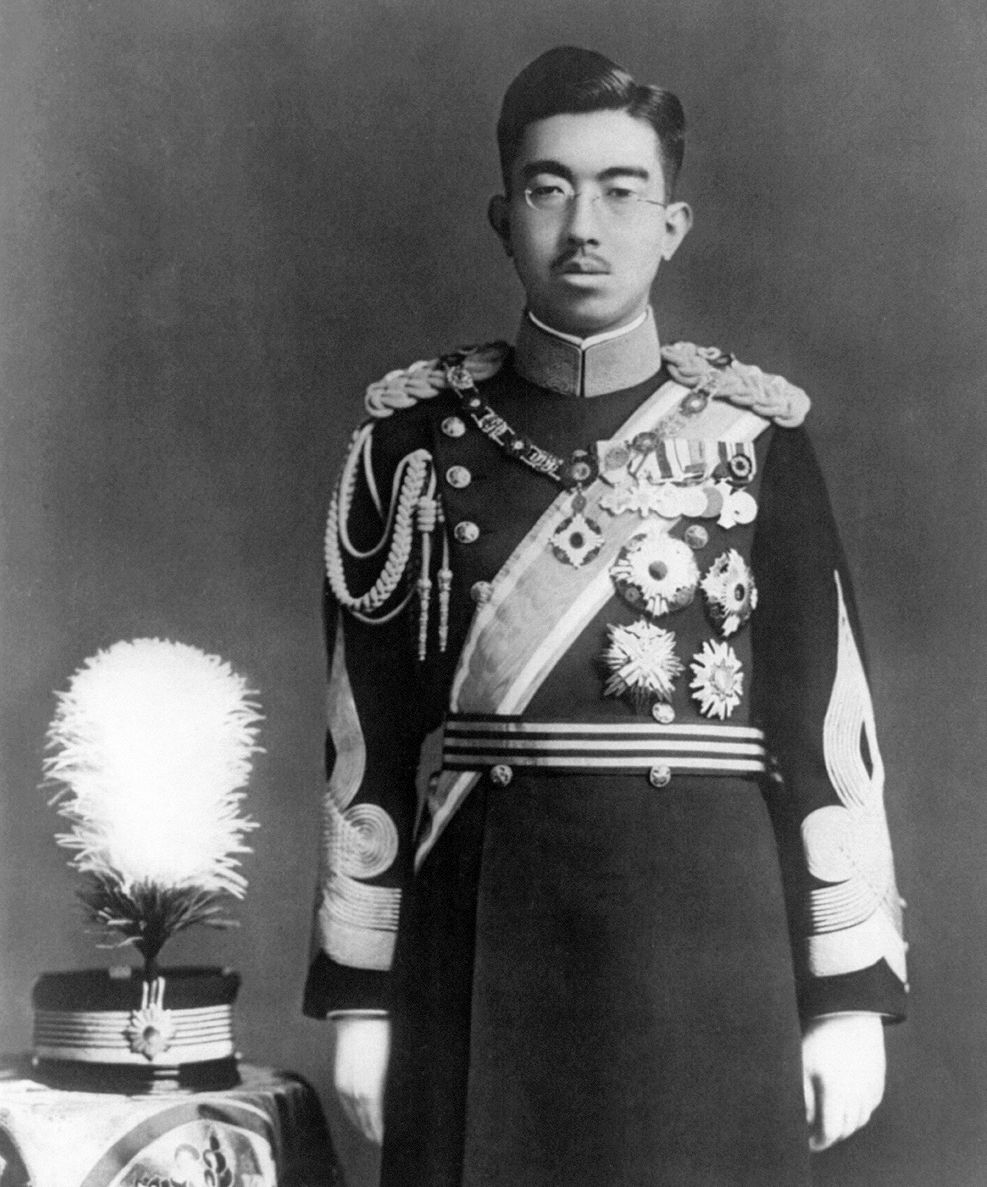
Much of the debate over ending the war centered on the role of Emperor Hirohito, the “living deity,” after the conflict. Library of Congress
As defeat became inevitable in the summer of 1945, Japan’s government and the Allies could not agree on surrender terms, especially regarding the future of Emperor Hirohito and his throne.
As the Allied armies closed in on the German capital in 1945, the complications for ending the war in Europe paled, in comparison with the difficulty of forcing a Japanese surrender. For the Japanese military, the concept was unthinkable, a state of mind confirmed by the hundreds of thousands of Japanese servicemen who had already been killed, rather than giving up a hopeless contest.
For the Japanese leadership, the whole strategy of the Pacific war had been predicated on the idea that, after initial victories, a compromise would be reached with the Western enemies to avoid having to fight to a surrender. Switzerland was thought of as a possible neutral intermediary; so, too, the Vatican, for which reason a Japanese diplomatic mission was established there early in the war.
The Japanese government watched the situation in Italy closely, when General Pietro Badoglio became prime minister after the fall of Mussolini’s fascist regime, and remained in power after the Italian surrender in 1943. If Badoglio could modify unconditional surrender by retaining the government and Victor Emmanuel as king, then a “Badoglio” solution in Japan might ensure the survival of its imperial system.
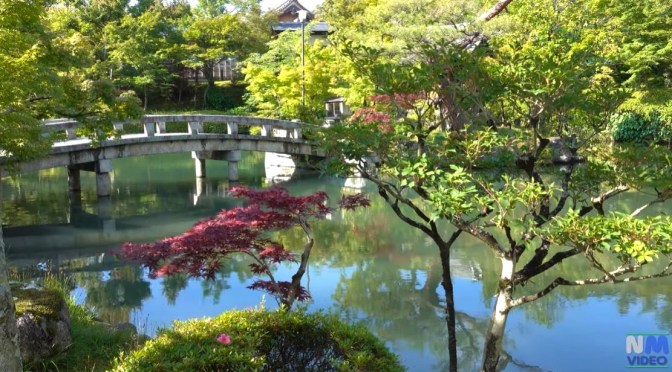
Massimo Nalli Films (August 5, 2023) – A tour of Eikan-dō (永観堂, “View of Eternity Hall” or “Hall of Yōkan) or “Zenrin-ji” (禅林寺, “Temple of Forest of Zen”) is the head temple for the Seizan branch of Japan’s Jōdo-shū (Pure Land) Buddhist sect.
The temple compound is nestled in Kyoto’s Eastern Mountain (Higashiyama), and its buildings, most of them connected by covered walkways and staircases, are scattered among a range of heights.
– Main gate – the Kōrai-mon (高麗門) is named after the ancient Korean kingdom of Goguryeo (Kōrai in Japanese). The current structure dates from the late Edo period (mid-19th century).
– Inner gate – the Yakui-mon (薬医門), along with the Kōrai-mon, derive from the fortress gates that would have surrounded the aristocratic mansion before it became a temple. Their placement and architecture are said to still reflect these origins today. The current structure dates to 1744.
World Economic Forum (July 29, 2023) – This week’s top stories of the week include:
6 energy saving tips for hot weather – When it’s hot, your ceiling fan should turn anti-clockwise. This creates a downdraft and circulates the cool air. On winter mode, fans move clockwise instead. Pulling hot air upwards and dispersing it around the room.
France will help pay for people’s clothing repairs – The government will refund €6-€25 of the cost of mending shoes and clothes. It hopes the scheme will cut textile waste and help to create a more circular textile sector. 700,000 tonnes of clothing are thrown away in France every year. Two-thirds of it ends up in landfill. The global textile industry is a major source of both pollution and CO2. It generates 10% of the world’s total CO2 emissions. By 2050, this could be 25%.
This Finnish island wants you to turn off your phone – This summer, Ulko-Tammio is encouraging visitors not to look at their devices. Ulko-Tammio is a small island in the Eastern Gulf of Finland. It’s uninhabited and home to rare birds and plants. Visitors arrive by boat to birdwatch, hike and camp. Now, the island is encouraging them to switch off their devices, take a break from emails and social media and focus attention on their surroundings rather than their screen.
Japan is encouraging more women into science – Currently, only 1 in 7 Japanese scientists are women. So from 2024, a dozen universities are introducing quotas to urge more women to major in science, technology, engineering and maths, also known as STEM. The Tokyo Institute of Technology wants women to make up 20-30% of new students, up from 13% today. Nagoya University, Shimane University and the University of Toyama are also putting quotas in place. Currently, only 7% of female students in Japan major in science and engineering. The lowest in the OECD.
_____________________________________________
The World Economic Forum is the International Organization for Public-Private Cooperation. The Forum engages the foremost political, business, cultural and other leaders of society to shape global, regional and industry agendas. We believe that progress happens by bringing together people from all walks of life who have the drive and the influence to make positive change.
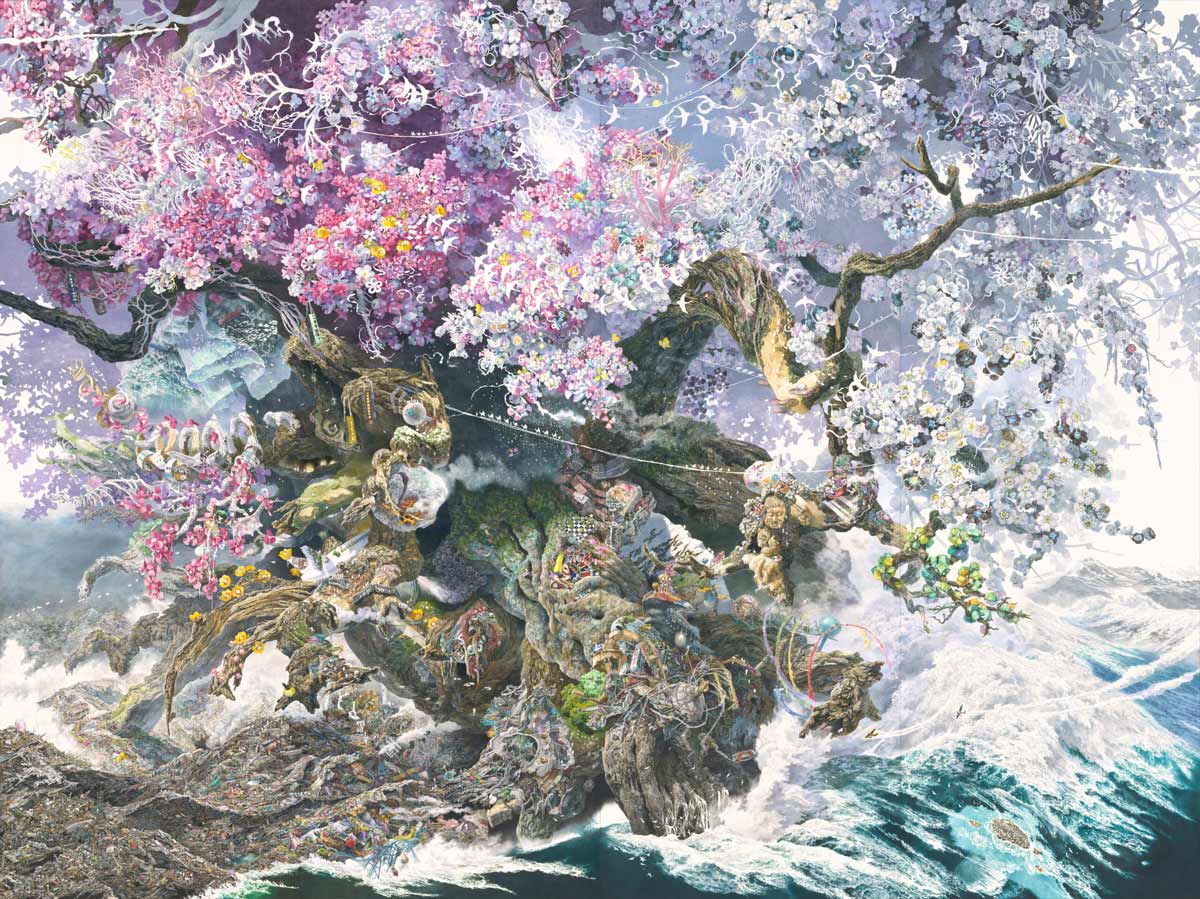
Audain Art Museum, Whistler, British Columbia, Canada (July 22, 2023) – Manabu Ikeda: Flowers from the Wreckage features Ikeda’s meticulously detailed pen-and-ink drawings that are filled with astonishing images.
This Japanese artist seeks inspiration from his surroundings to bring attention and awe to viewers, as a way of sending warnings about the painful reality of environmental disasters. Central to his practice are metaphors of grief and the undeniable aspects of life that are often beyond society’s control, including the fundamental forces of Mother Nature. Ikeda’s drawings also reveal human resilience and the ability to rise above devastating situations when it appears impossible.
Curated by Kiriko Watanabe, the Audain Art Museum’s Gail & Stephen A. Jarislowsky Curator, this is Ikeda’s first solo retrospective in North America showcasing over sixty works from national and international collections. Flowers from the Wreckage includes Foretoken (2008), Meltdown (2013) and Rebirth (2013-16), a selection of Ikeda’s large-scale drawings that relate to the 2011 Great East Japan Earthquake; the most devastating earthquake, tsunami and nuclear power disaster in the country’s recorded history.
Manabu Ikeda: Flowers from the Wreckage will be on display in the AAM’s Tom and Teresa Gautreau Galleries from June 24 to October 9, 2023. A full colour exhibition catalogue featuring essays by Kiriko Watanabe and comments by Manabu Ikeda will be available for purchase in the Museum Shop.
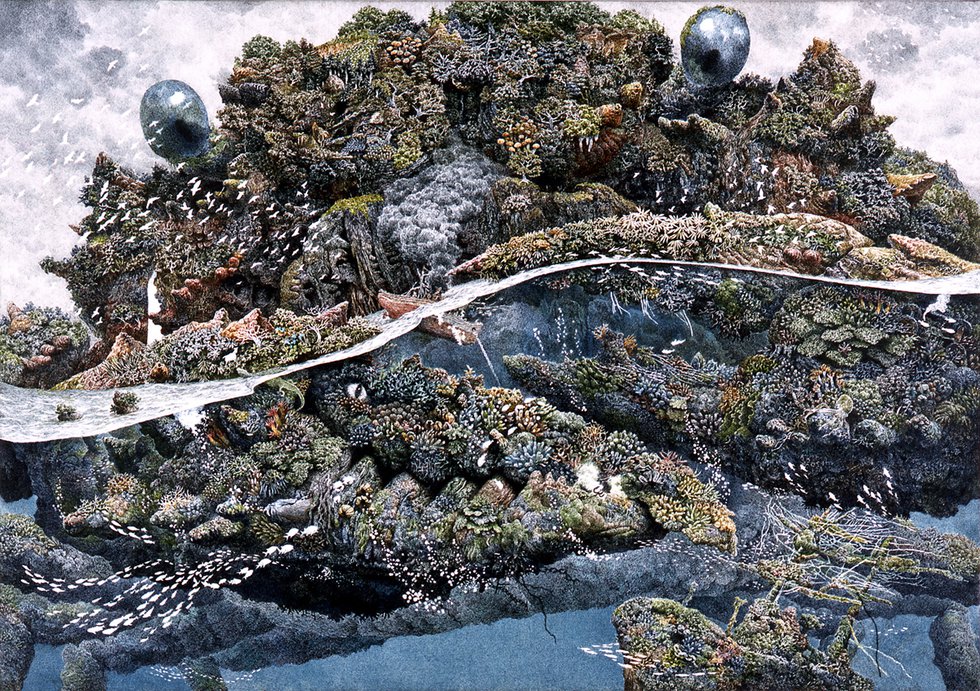
Manabu Ikeda, “Territory,” 2004
pen and acrylic ink on paper, mounted on board, 17″ x 23″ (Takahashi Ryutaro Collection, courtesy the Audain Art Museum, Whistler, B.C.)
Manabu Ikeda Studio Gallery
A studio has been set up in the Museum’s architecturally stunning Upper Galleries, where visitors have the opportunity to observe the process of Ikeda drawing his latest work and interact with him during open studio hours.
Manabu will be in studio on Thursdays, Fridays, and Saturdays, from 3:00pm to 4:30pm until August 30. Museum guests are encouraged to come and witness the Artist’s incredible talent and learn more about his techniques. The studio will be open for viewing Thursday through Monday until September 4.
The Globalist Podcast, Monday, July 17, 2023: Reports from Khartoum as violence in Sudan escalates.
Plus: Japanese prime minister Fumio Kishida tours the Middle East, the latest transport news and a new edition of ‘The Monocle Companion’, celebrating ideas for a better world.
News, Views and Reviews For The Intellectually Curious


 Tomorrow’s Build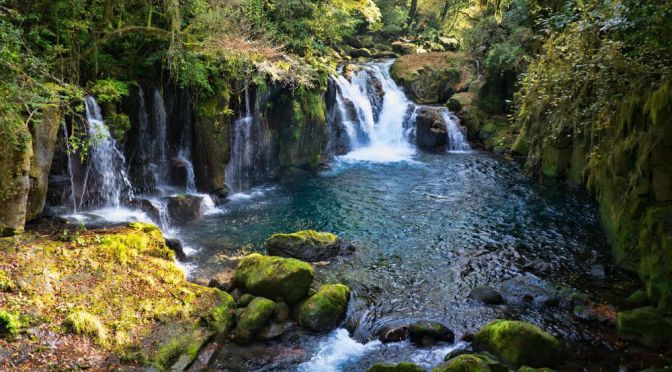
 Brücke Films (August 7, 2023) – There are many wonderful places in Kumamoto Prefecture, Japan, where my cabin is located. I will introduce a small portion of them on my own walking tour.







 Boomers Daily