
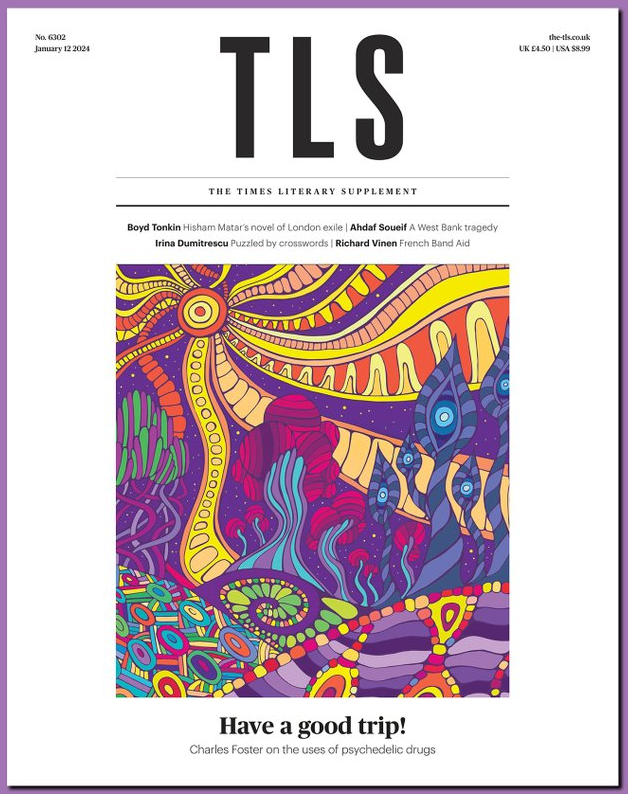
Times Literary Supplement (January 10, 2024): The latest issue features ‘Have a good trip’ – On the uses of psychedelic drugs; Hisham Matar’s novel of London exile; A West Bank tragedy; Puzzled by crosswords; French Band Aid, and more…

Times Literary Supplement (January 10, 2024): The latest issue features ‘Have a good trip’ – On the uses of psychedelic drugs; Hisham Matar’s novel of London exile; A West Bank tragedy; Puzzled by crosswords; French Band Aid, and more…


In the past few years, chronic absenteeism has nearly doubled. The fight to get students back in classrooms has only just begun.
Absenteeism underlies much of what has beset young people, including falling school achievement, deteriorating mental health, and elevated youth violence.

From opposite directions, the revolutionary intellectual and the creator of James Bond saw violence as essential—psychologically and strategically—to solving the crisis of colonialism.
More than fifty years later, Zohra Drif could still picture the Milk Bar in Algiers on September 30, 1956. It was white and shining, she recalled, awash in laughter, young voices, “summer colors, the smell of pastries, and even the distant twittering of birds.” Drif, a well-coiffed law student in a stylish lavender dress, ordered a peach-Melba ice cream and wedged her beach bag against the counter. She paid, tipped, and left without her bag. The bomb inside it exploded soon afterward.
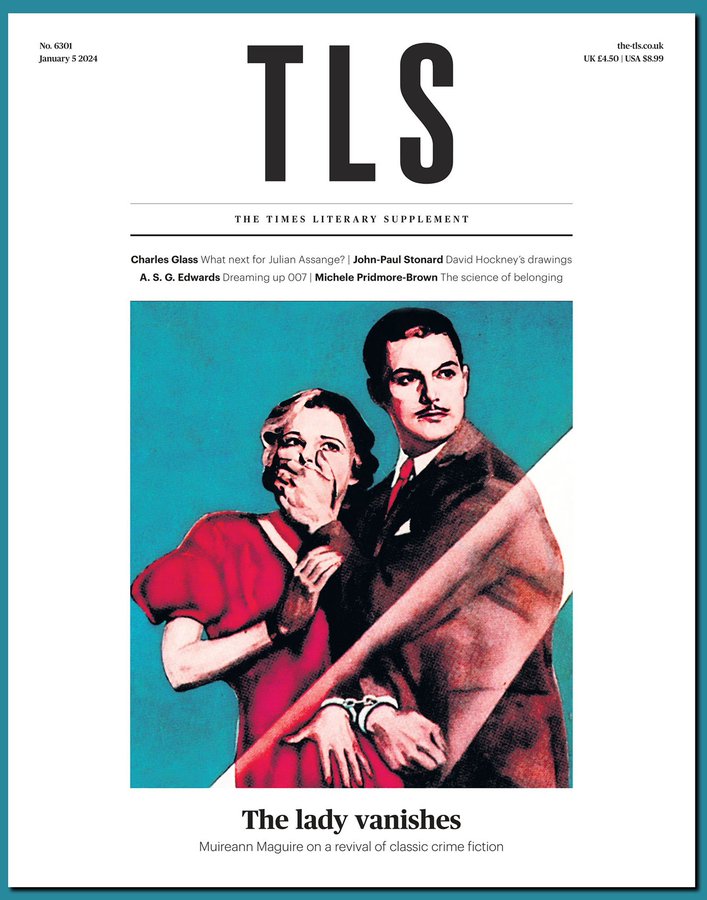
Times Literary Supplement (January 3, 2024): The latest issue features ‘The Lady Vanishes’ – Muireann Maguire on a revival of classic crime fiction; What next for Julian Assange; David Hockney’s drawings; Dreaming up 007; The science of belonging and more…

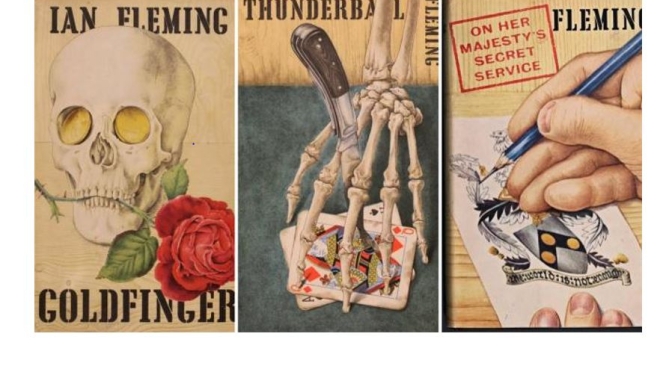
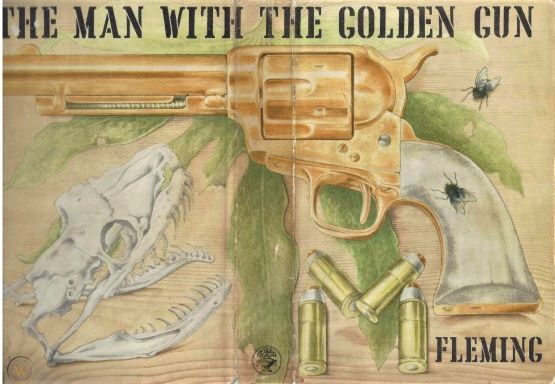
In April 1956, at the suggestion of his friend Francis Bacon, Richard Chopping took the society hostess Ann Fleming to see some of his trompe l’oeil paintings, which were then on show at the Arthur Jeffress Gallery in Mayfair. Impressed by these pictures, Fleming invited the artist to meet her husband, Ian, who was looking for someone to provide dust-jacket illustrations for his James Bond novels.


Chopping was immediately offered the job, and his striking designs remain the work for which he is best known and are, for many collectors, the reason the novels are particularly prized.
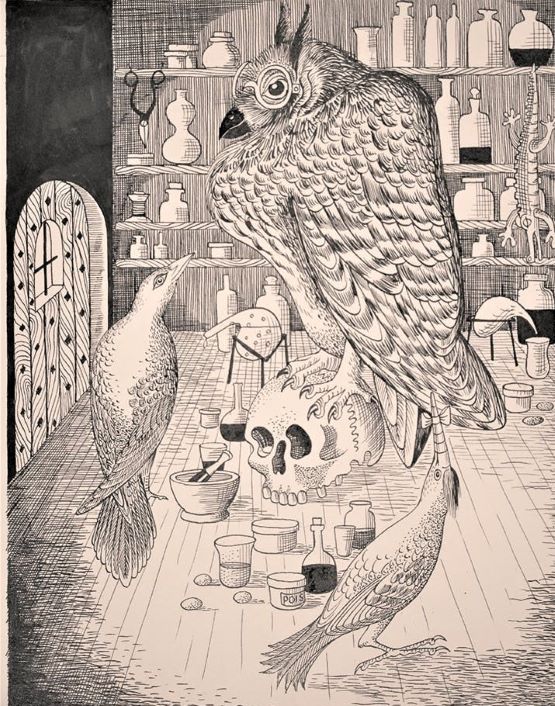
As this small but imaginatively curated exhibition demonstrates, there was a great deal more to Chopping than James Bond. Nevertheless, the highly detailed, finely executed and often macabre paintings he produced for Fleming are characteristic of his work as a whole. Born in Essex in 1917, Chopping moved to London at the age of 18 with little idea of what he wanted to do, but soon got a job on the magazine Decorations of the Modern Home.
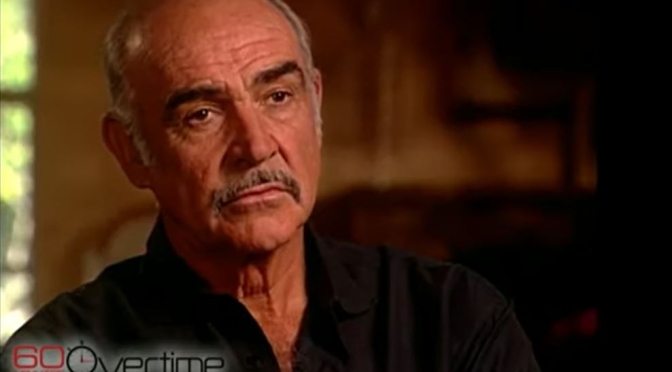
Acclaimed Scottish actor Sean Connery has died at the age of 90, the BBC reports. In 1999, 60 Minutes profiled the “James Bond” star. Steve Kroft asked Connery about how he separated himself from the movie character he had become so famous for.
Sir Thomas Sean Connery was a Scottish actor and producer. He was best known as the first actor to portray the character James Bond in film, starring in seven Bond films, between 1962 and 1983. Connery had been in smaller theatre and television productions until he got his break with the Bond films.
From a Variety.com online interview (January 17, 2020):
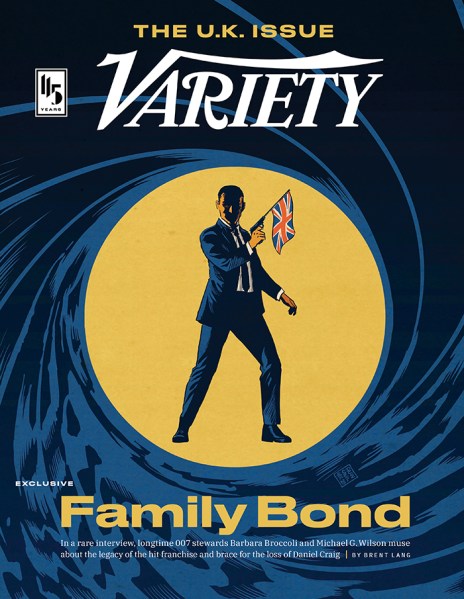 “He brought flesh and blood to the character,” she says. “Bond in the novel is a silhouette. Daniel has given him depth and an inner life. We were looking for a 21st-century hero, and that’s what he delivered. He bleeds; he cries; he’s very contemporary.”
(On Daniel Craig)
“For better or worse, we are the custodians of this character,” says Barbara Broccoli, who oversees the franchise with her half-brother Michael G. Wilson. “We take that responsibility seriously.”
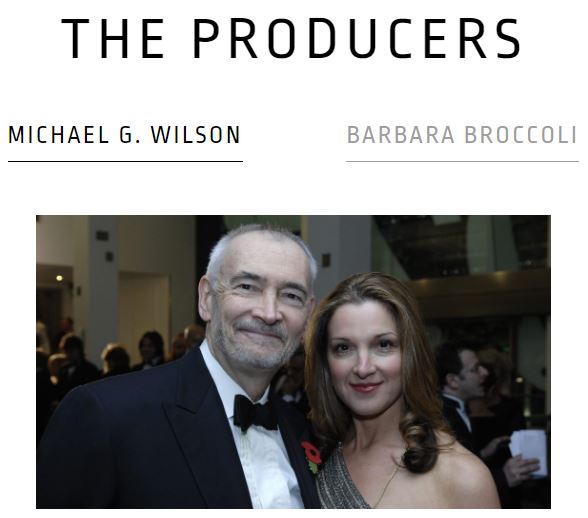
It’s an arrangement that was first hammered out by Broccoli’s father, the producer Albert “Cubby” Broccoli, when John F. Kennedy was president and the Twist was all the rage. Miraculously, that pact has prevailed through the decades and generations, enduring everything from corporate mergers and bankruptcies to shifting consumer tastes and geopolitical upheavals. The elder Broccoli died in 1996. but not before ceding control to his two children with the 1995 release of “GoldenEye,” a film that proved a sexist superspy, conceived by novelist Ian Fleming in the 1950s, still had a role to play in post-Cold War cinema.



 Boomers Daily