Tag Archives: Italian Design

Australia Architecture: Casa Piva’s Italian Roots

The Local Project (November 7, 2023) – Casa Piva is a small yet layered architects own home defined by a slow revealing of spaces and experiences. Andrew Piva, Project Architect and Director at B.E. Architecture, refers to his home as a labour of love – it is simultaneously warm, inviting and highly functional thanks to the use of Tuscan Oak as a surface material.

Video timeline: 00:00 – Introduction to the Architects Own Home 01:11 – Behind the Design of the Home 02:12 – Enveloped in Warm Materials 03:18 – Including A Bit of Fun 04:44 – A Compact And Generous Brief 06:18 – Focusing on A Minimal Selection of Materials 06:32 – A Rational, Balanced and Calm Design

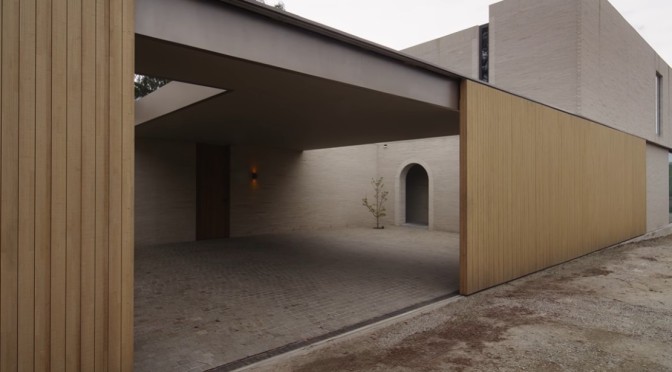
From the street, the family home doesn’t reveal too much of itself. However, upon entry, one is met with an intriguing and experiential journey through spaces that are designed around a series of small courtyards. The foremost entry into the architects own home takes place through a modest-sized door from the laneway, where one is greeted by a large and intricate brick courtyard with trees coming up through apertures in the roof – a scene reminiscent of an Italian villa. As well as providing a generous space for the dwelling, it also serves as a functional space to park cars.

Once inside, Casa Piva reveals a compressed, dark and moody ambience. This slowly transitions as you journey through the architects own home. The first glimpse of the kitchen, which is adorned with Tuscan Oak joinery, reveals the warmth and comfort the casa brings forth. The home is compact but features generously sized rooms. Within the residence are three bedrooms as well as a study, which doubles as a TV room and guest bedroom and reveals the residence’s flexibility. The master bedroom is larger and cocooned in timber.
Home Design: An Enclosed Courtyard In Australia

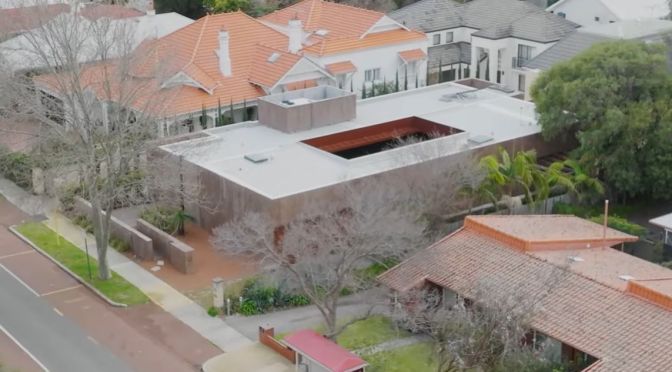
The Local Project (October 3, 2023) – Tapping into Western Australian sensitivities, Enclosed House II is a hidden Italian-Inspired family home that evokes a purity and sense of harmony reminiscent of the desert.

Video timeline: 00:00 – Introduction to the Hidden Italian-Inspired Family Home 01:12 – A Very Desirable and Hidden Location 01:48 – A Walkthrough of the Home 02:47 – Enabling The Space To Function As One 03:18 – The Customisation of The Vitrocsa Products 04:08 – A Reduced and Harmonised Material Palette 04:26 – Relating to Country Through Materials 05:40 – The Misconception of Minimalism 06:20 – Providing A Sense of Security and Privacy

Seemingly impenetrable, the raw, textural retreat the home provides is achieved through an innovative approach to materiality, light and space. Tucked away behind a river, the location of the hidden Italian-Inspired family home is one that is immediately desirable, set on a busy street with a strong suburban feel. The design responds directly to the bustling streetscape in the way that the architecture of the home draws on privacy – there is a visceral sense of security and solitude established from arrival.

Upon entering, one is met with a stark walkway with robust textural walls that frame the process of entering. This sets the scene for the earthiness one can expect from the rest of the home. At the end of the entrance is the main living space, which, in a moment of surprise, appears as a large empty void. The space extends to the kitchen and the courtyard and is transformable, eloquently merging the indoor and outdoor due to the intelligent Vitrocsa window systems.

The raw earthiness and connection to land that is felt throughout the hidden Italian-Inspired family home derives from a considered materiality and minimal furniture. There is a reduced spectrum of materials used, seeing a harmonised palette and muted tonality connect seamlessly. Timber and natural materials dominate the interior design, and there is a strong connection to the colours and textures of the Western Australian landscape, specifically the red sand of the outback.

Preview: New York Times Style Magazine – 10.2.2022

In the salon of Il Palazzetto, a print by Giuseppe Capogrossi plays counterpoint to frescoes depicting scenes from Virgil’s Aeneid.
In the salon of Il Palazzetto, a print by Giuseppe Capogrossi plays counterpoint to frescoes depicting scenes from Virgil’s Aeneid.Credit…Danilo Scarpati

An Italian Villa Where Architecture Is a Family Affair

Most homes hold the history of their owners, but Il Palazzetto is as much a monument to its designers as to its inhabitants.

In Malibu, an Inflatable Bungalow for Robert Downey Jr.

The actor’s thin-shell home is at once an aerodynamic oddity and, perhaps, a harbinger of environmentally conscious architecture.

Design: ‘Teorema’ Concept Car By Pininfarina (2021)

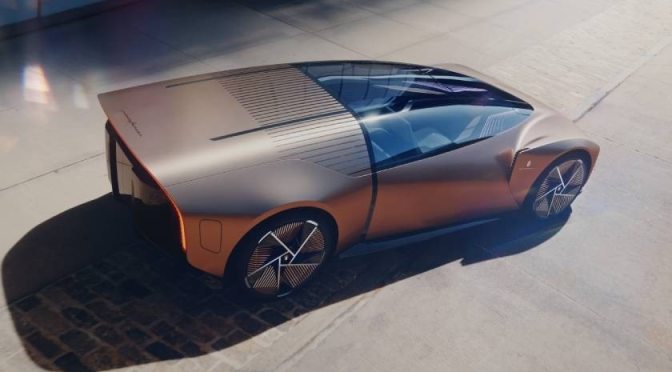
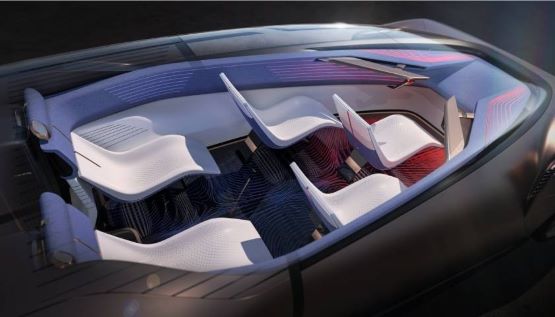
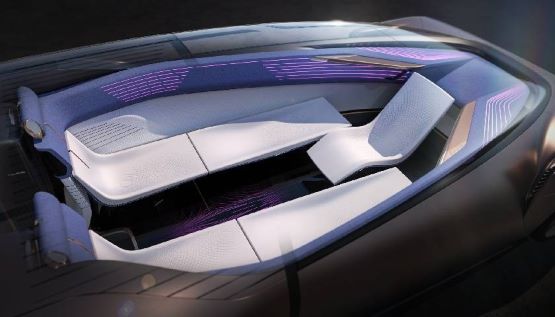
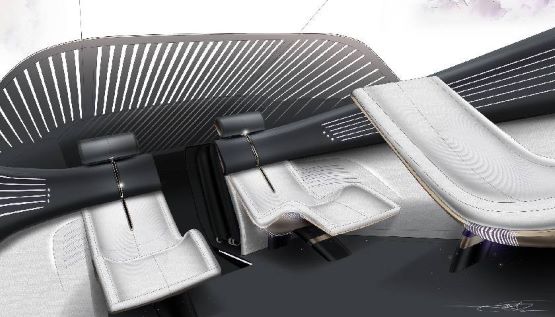
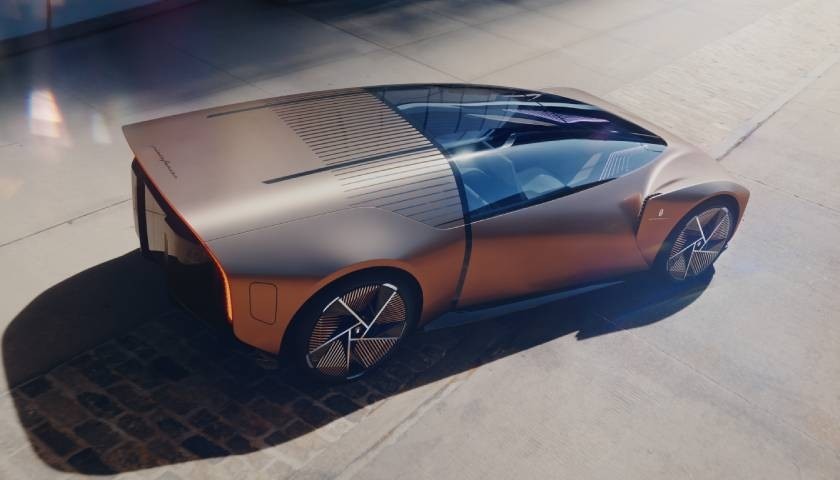
Pininfarina and Poltrona Frau have developed the concept of a new autonomous car called Teorema. The goal is to explore the interactions among passengers in a new way by creating a new “sense of community” for the people riding inside the fully autonomous vehicle.

Pininfarina has developed Teorema’s exterior look, focusing on a futuristic and aerodynamic form. In the interior, the concept car’s seats envisioned by Poltrona Frau can fold down flat, turning into a bench or a chaise longue. Passengers can travel while facing each other or alternatively lie down in a more intimate position while the car drives itself to the selected destination.

Read more

Italian Design: 90 Years Of ‘Pininfarina’ Celebrated

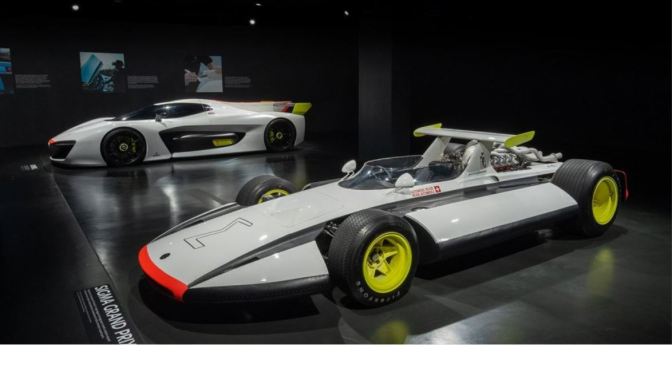
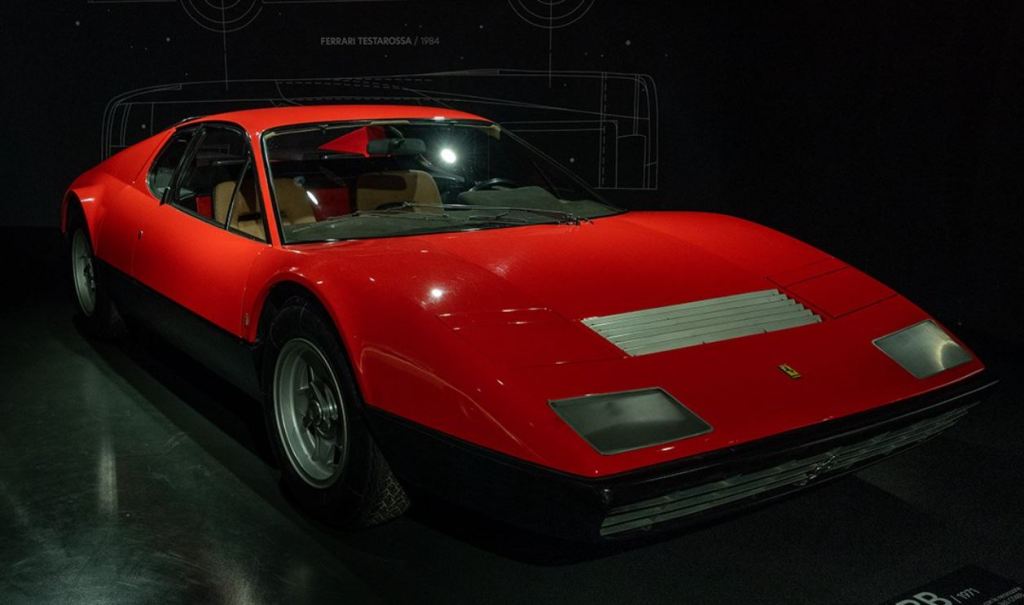
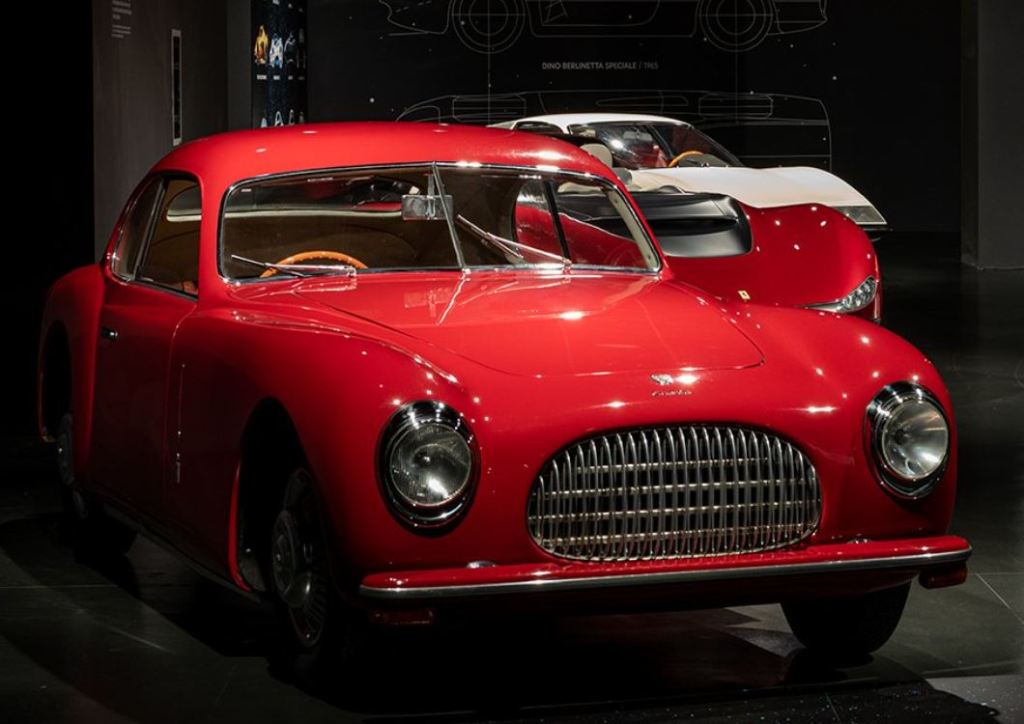
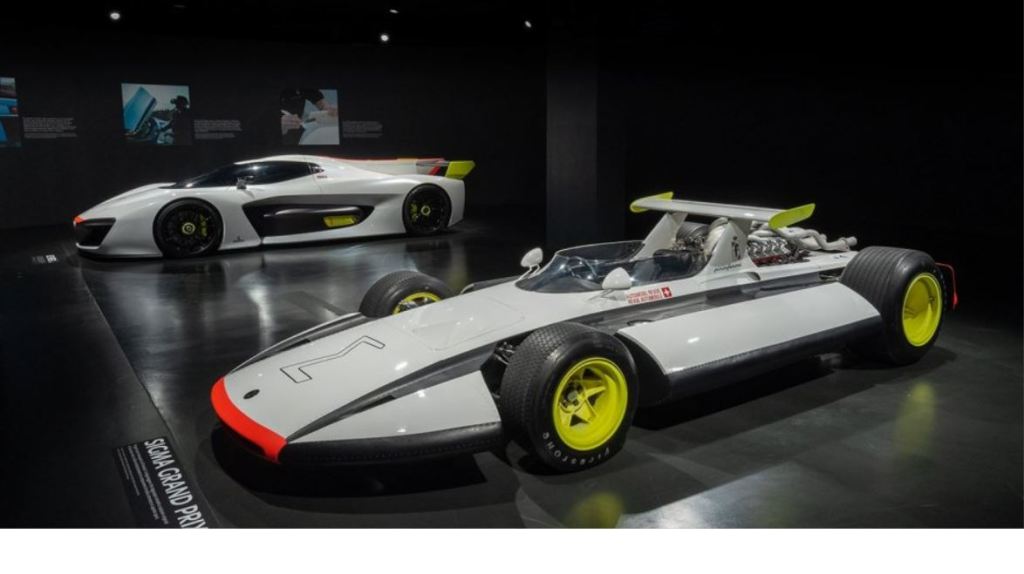
The world’s most famous automotive design house, Pininfarina celebrates 90 years of style and innovation with a new exhibition at the MAUTO in Turin, open from May to September.

Founded in 1930, Pininfarina has evolved from an artisan concern to a global brand employing over 600 people. In those 90 years Pininfarina has given us some of the world’s most beautiful automobiles, but also demonstrated exciting innovation. Divided up in to six areas the exhibition will showcase the unique breadth of the brand from the gorgeous Cisitalia 2020, to the 1969 Sigma Grand Prix and off into the future with the exciting new Battista, electric hypercar concept.

Read more at Classic Driver

Transit Design: “Double-Decker Driverless Tram”

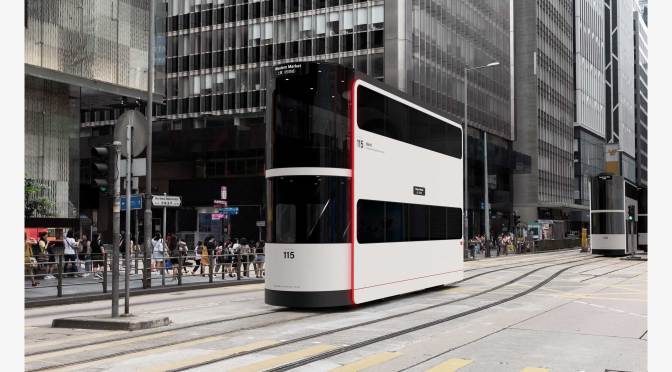
Italian Designer Andrea PontiIsland is a double-decker driverless tram designed for the city of Hong Kong in the post-Covid era. This highly innovative design concept incorporates industrial design, transportation design, public design, urban mobility and sustainability.
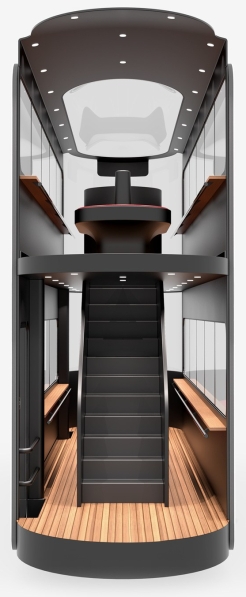
Andrea Ponti Driverless Tram interiorThe project includes exterior, interior and tram stop design. With the Coronavirus pandemic, people are shunning public transport and relying much more on private transport. 
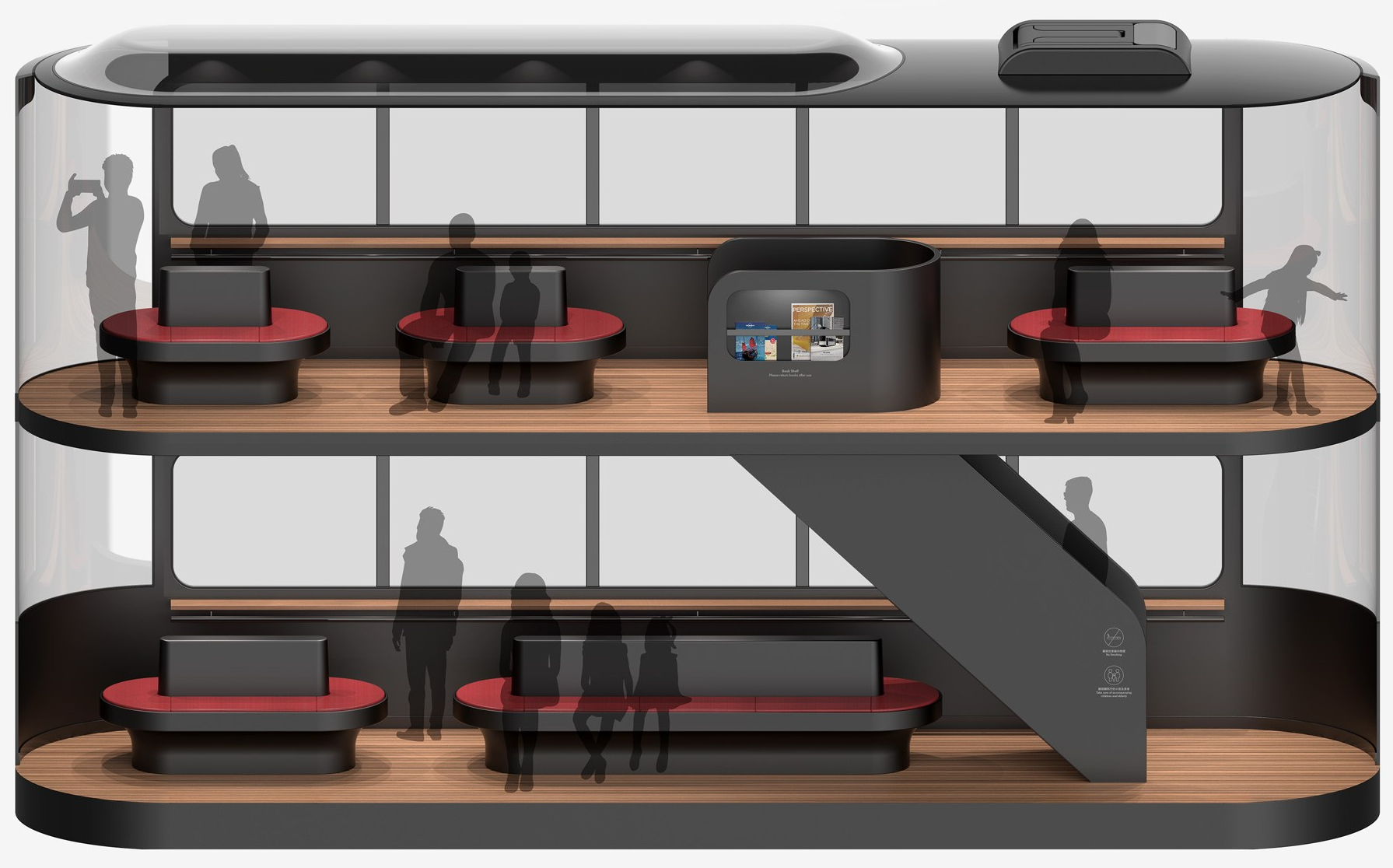
The name Island references the innovative design of the interiors, where large circular benches facilitate social distancing and passengers sit facing outwards in a radial pattern. The exterior design is inspired by the Hong Kong urban landscape, which features vast surfaces of glass and rounded-corner buildings. Natural light floods the interiors during the day through the curved windows and a domed top, which also provide awe-inspiring views at night.

The driverless technology optimizes the interior space of the tram, making it easier to manage travel times and increase onboard safety. The tram has a retractable connector for rapid charging at tram stops. Large vertical LEDs enhance visibility in all weather conditions. The interior design contrasts with the exterior.

Andrea Ponti Driverless Tram interior seating
Large circular benches facilitate social distancing as passengers sit facing outwards in a radial pattern.

Minimalist design, charcoal black walls, soft circular seating, wooden floors and trims with natural finish all create a neutral and friendly environment. This chromatic diversity, in addition to the dark color palette, frames and accentuates the beauty of the Hong Kong urban landscape.

Website

Classics: Famed Italian Car Designer “Pininfarina” Turns 90 (1930 – 2020)

Pininfarina Logo

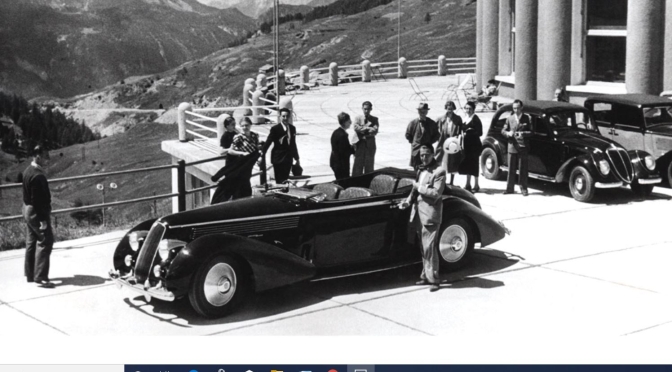
On May 22nd (1930), Battista “Pinin” Farina founded Carrozzeria Pinin Farina in Turin. The company was designed to build special car bodies for individual customers or in small production runs. The Corso Trapani plant had 150 employees on a covered area of 9250 square meters. In June, the following news appeared on an automobile periodical: “And now the popular nickname “Pinin” used by the whole of the Turin motoring world when talking about Battista Farina, was officially about to become used throughout the country, as a result of the recent Company changes which led to the founding of S.A. Carrozzeria Pinin Farina“. At the Paris Motor Show Pinin Farina exhibited Lancia, Alfa Romeo, Isotta-Fraschini and Fiat cars. The Lancia Dilambda, the first official Pinin Farina special, appeared at the 1931 Concours d’Elegance at Villa d’Este. His first accomplishments in the 1930’s included the Hispano Suiza Coupé and the Fiat 518 Ardita.

Heritage-1939-AlfaRomeo-8C-2900-CabAero

In the Thirties the car was a good that was reserved for a minor élite, almost a plaything for a narrow circle of bold, blasé youngsters. Yet Pinin felt sure that these unlikely, noisy jalopies, which also happened to be expensive, would change quickly to become outstanding and entirely respectable tools of individual mobility. One of the early ads says: “Luxury and grand luxury cars”.  Cars were destined to ruling houses, diplomats, maharajahs and even some Middle East sheiks who were beginning to collect some of the first oil royalties, for actors and actresses, more foreigners than Italians. Pinin wrote: “In September I sold a Dilambda spider cabriolet to the Queen of Romania, I began to have some of the nobility amongst my customers”.

pininfarina-design-90-years.jpg


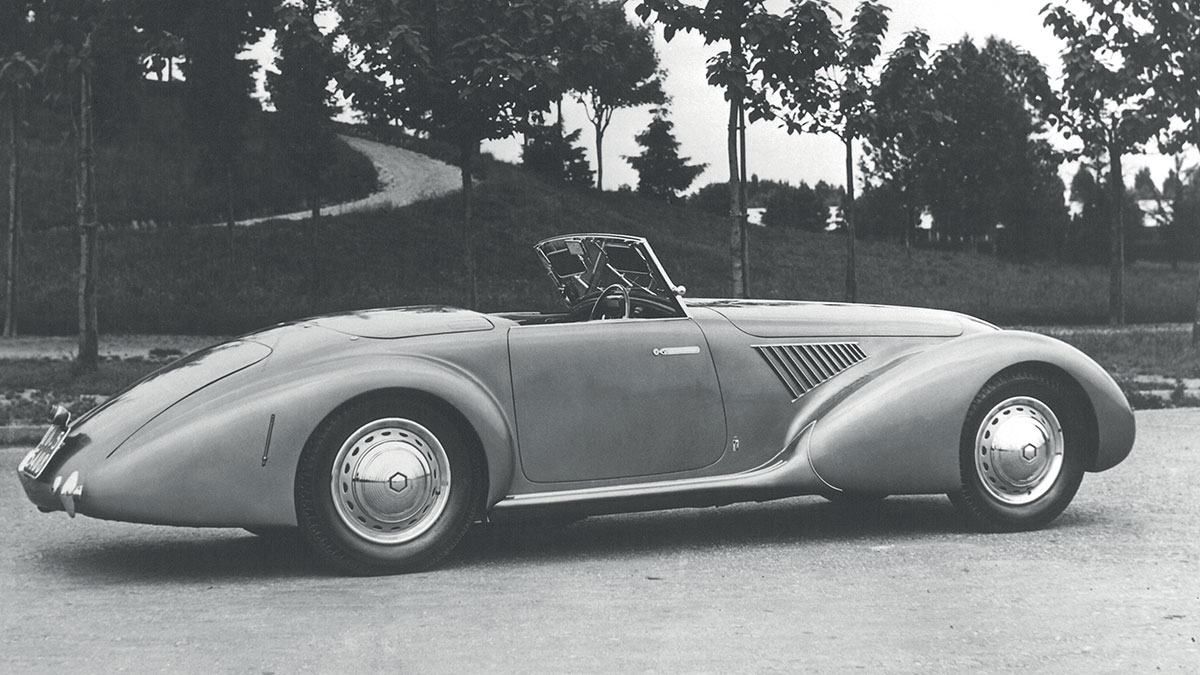
Pinin immediately embraced the cause of modernity and aerodynamics. In his view, it was the most natural way (in so far as it was the most respondent to the “nature” of the object) of solving the problem of the autonomous and original formal identity of cars. Aerodynamics, he was to write in his memoirs, was the “form of speed”. At the 1935 Milan Motor Show Pinin exhibited the Alfa Romeo 6C Pescara Coupé aerodinamico. One year later, the Lancia Astura Cabriolet tipo Bocca: elegance and craftsmanship for a small series of streamlined, richly finished cabriolets which introduced the unprecedented notion of the legitimacy of making a certain number of replicas of a custom-built model. Then the Lancia Aprilia Aerodinamica was built, a revolutionary berlinetta where an astonishing Cx of 0.40 was intuitively and empirically achieved. Aerodynamics was no longer a symbolic element, a metaphor of speed; it had now become a real standard of efficiency.

Pininfarina Design  90 Years.jpg

Pininfarina website