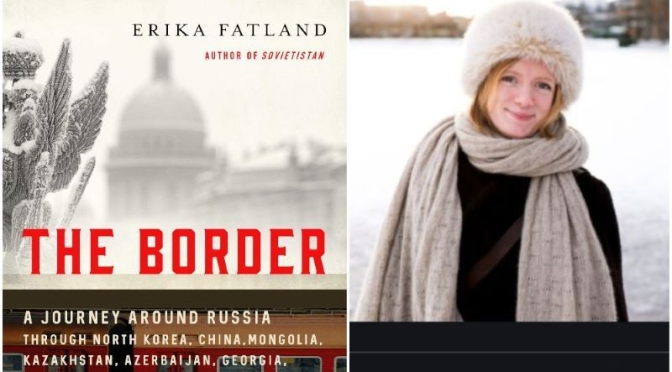
One of Norway’s most exciting new travel writers, Erika Fatland has gained a reputation for telling unique, often overlooked stories. A social anthropologist by training, she has documented terrorism in Beslan and the 2011 terror attacks in her native Norway.
In her latest book, ‘The Border: A Journey Around Russia,’ she turns her attention to frontiers, recounting a fascinating trip through each of the 14 countries bordering the world’s largest country.
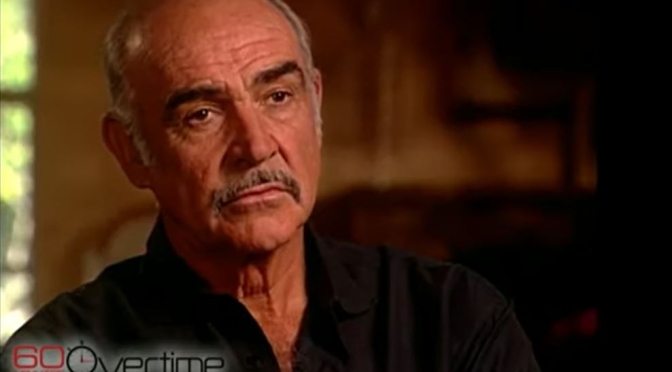
Acclaimed Scottish actor Sean Connery has died at the age of 90, the BBC reports. In 1999, 60 Minutes profiled the “James Bond” star. Steve Kroft asked Connery about how he separated himself from the movie character he had become so famous for.
Sir Thomas Sean Connery was a Scottish actor and producer. He was best known as the first actor to portray the character James Bond in film, starring in seven Bond films, between 1962 and 1983. Connery had been in smaller theatre and television productions until he got his break with the Bond films.
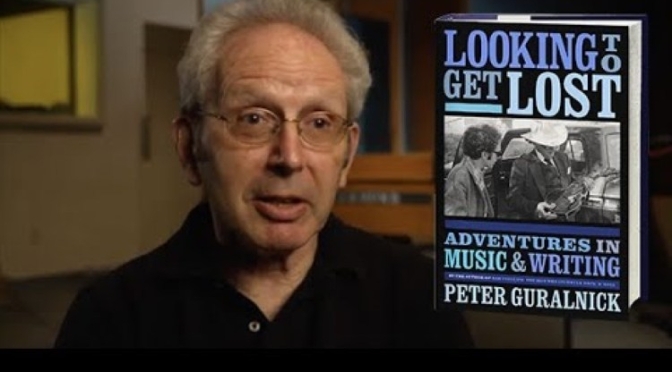
The bestselling author of Sam Phillips: The Man Who Invented Rock ‘n’ Roll and Last Train the Memphis: The Rise of Elvis Presley, this dazzling new book of profiles is not so much a summation as a culmination of Peter Guralnick’s remarkable work, which from the start has encompassed the full sweep of blues, gospel, country, and rock ‘n’ roll.
It covers old ground from new perspectives, offering deeply felt, masterful, and strikingly personal portraits of creative artists, both musicians and writers, at the height of their powers.
“You put the book down feeling that its sweep is vast, that you have read of giants who walked among us,” rock critic Lester Bangs wrote of Guralnick’s earlier work in words that could just as easily be applied to this new one. And yet, for all of the encomiums that Guralnick’s books have earned for their remarkable insights and depth of feeling, Looking to Get Lost is his most personal book yet. For readers who have grown up on Guralnick’s unique vision of the vast sweep of the American musical landscape, who have imbibed his loving and lively portraits and biographies of such titanic figures as Elvis Presley, Sam Cooke, and Sam Phillips, there are multiple surprises and delights here, carrying on and extending all the themes, fascinations, and passions of his groundbreaking earlier work.
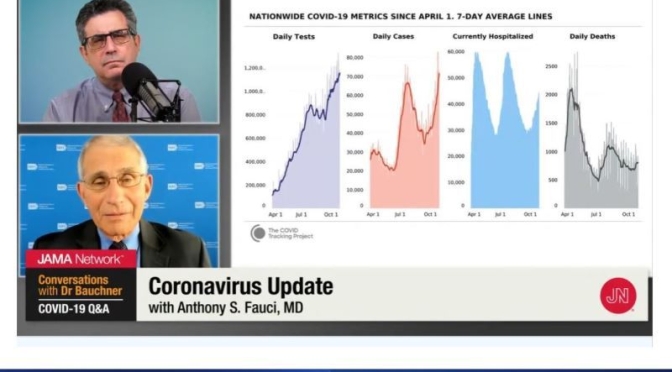
Anthony S. Fauci, MD returns to JAMA’s Q&A series to discuss the latest developments in the COVID-19 pandemic, including the continued importance of nonpharmaceutical interventions (masking, handwashing, physical distancing) for managing rising case numbers in the US and globally.
Recorded October 28, 2020.
Topics discussed in this interview: 0:00 Introduction 0:20 NAM Presidential Citation for Exemplary Leadership 1:19 COVID-19 numbers and excess deaths 4:05 National masking mandate 5:55 How to get people to accept masking 7:07 Herd Immunity and the Great Barrington Declaration 9:51 The holidays and airplane travel 13:44 Therapies update 17:54 Vaccines update 20:08 Vaccine distribution 22:00 Vaccine safety 24:42 How Australia has dealt with COVID-19 spikes 27:00 Acknowledgements and baseball
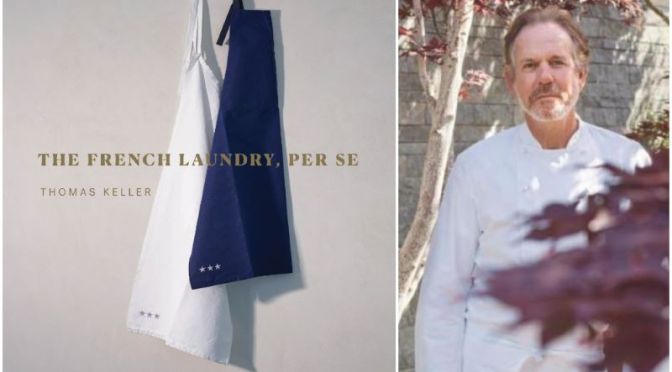
The 65-year old American chef Thomas Keller discusses his latest book, “The French Laundry, Per Se”. The restaurateur also discusses how his company has fared during the coronavirus pandemic.
Thomas Keller is an American chef, restaurateur, and cookbook writer. He and his landmark Napa Valley restaurant, The French Laundry in Yountville, California, have won multiple awards from the James Beard Foundation, notably the Best California Chef in 1996, and the Best Chef in America in 1997.
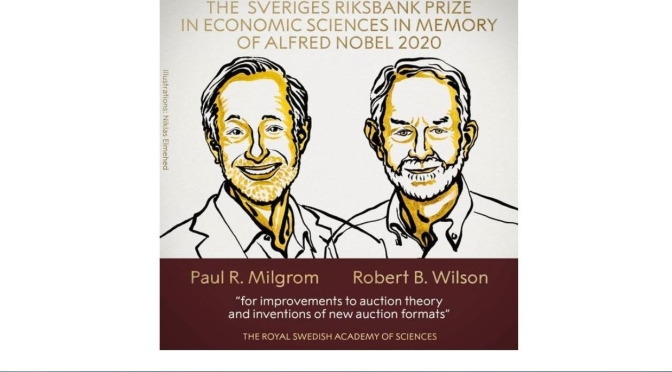
“He was the advisor everybody recommended you should have,” says Paul Milgrom of Robert Wilson, his PhD supervisor and now near neighbour in Palo Alto and co-Laureate in Economic Sciences. In this conversation with Adam Smith, recorded 20 minutes after Milgrom had learned of his prize, he describes how it was Wilson who actually delivered the news, in person: “He and his wife just walked over and rang the doorbell.”
Not only are the 2020 Economics Science Laureates long-time collaborators, they are also neighbours in Palo Alto, and so when Robert Wilson heard the news of his prize from Stockholm, he simply crossed the street and knocked on Paul Milgrom’s door to wake him! “It sounds like something from the nineteenth century,” says Wilson in this conversation with Adam Smith, recorded shortly after the news became public. He describes his pride at the fact that Milgrom is the third of his students, after Alvin Roth and Bengt Holmström, to be awarded the prize, a perfect combination of events that he calls his “trifecta”.
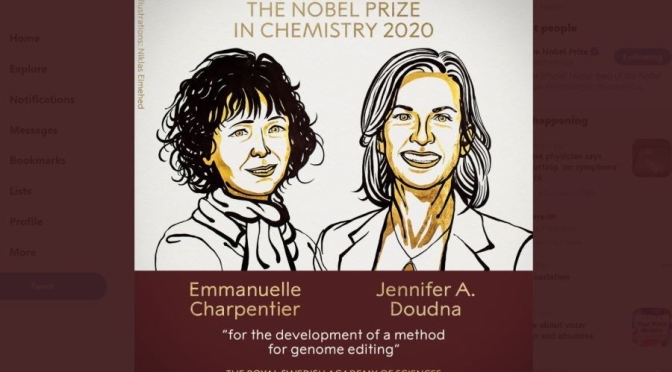
“We had a sense that we were onto something big,” says Jennifer Doudna, as she recalls the start of her “curiosity-driven” research into CRISPR and reflects on the pace of the field today, in this short conversation with Adam Smith. Speaking from her patio in the early morning in Palo Alto, Doudna describes how she was woken by a call from a journalist: “I assumed she was calling me to ask me to comment on somebody else winning the Nobel Prize!” The award of the prize to her and Emmanuelle Charpentier will, she hopes, be an encouragement to other women. “Sometimes,” she comments, “there’s a sense that no matter what they do, their work will not be recognised in the way it would be if they were a man.”
In this interview recorded shortly after news broke of her Nobel Prize in Chemistry, Emmanuelle Charpentier tells Adam Smith of her surprise at receiving the call from Stockholm, despite considerable speculation that it might be coming her way. She speaks of the “explosion of knowledge and publications” that the CRISPR field has generated, the motivations behind her “brief but intense” collaboration with her co-Laureate Jennifer Doudna, the need for societal involvement in the conversation about the applications of technology and the importance of studying the microbiological world.
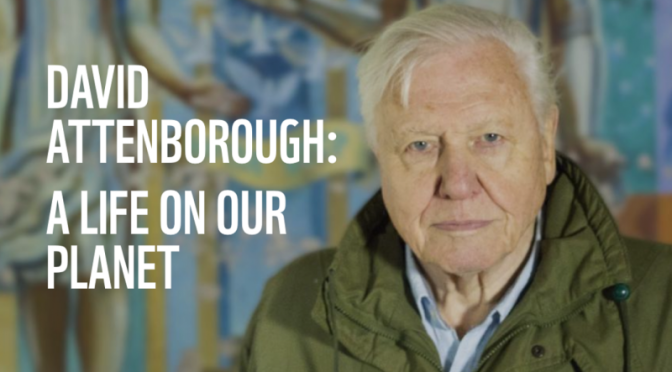
Filmmaker Sir David Attenborough has been documenting the natural world since the 1950s. In his latest book and film, “A Life on Our Planet,” he offers a grave and alarming assessment about the climate crisis Earth is facing. The 94-year-old Attenborough spoke with William Brangham recently as part of our ongoing arts and culture series, Canvas.
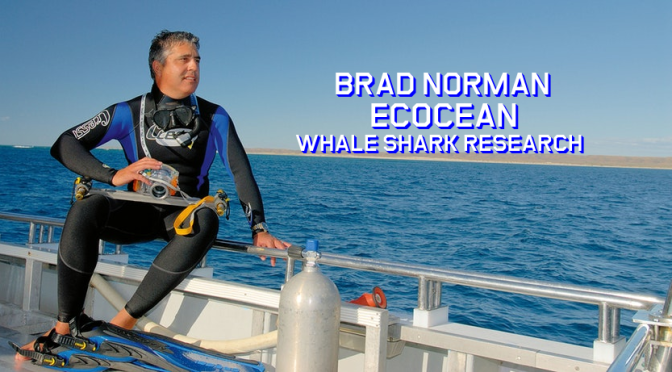
The whale shark is the largest fish in the world, recognisable by its celestial markings. Australian scientist Brad Norman has been tracking this elusive and endangered creature by using technology designed to study stars, as well as images collected through ecotourism.
ECOCEAN (Australia) is a globally recognised, non-government, not-for-profit organization based in Western Australia working towards scientific research, education and conservation of the marine environment. It’s flagship species, the whale shark, is an iconic animal for marine conservation being the world’s largest fish.
ECOCEAN (Australia) was founded in 1995 by marine conservation biologist Brad Norman and was incorporated in 2006. Brad also helped in the establishment of the partner organisation WildMe (USA) who manage the global whale shark photo-identification library – Wildbook.
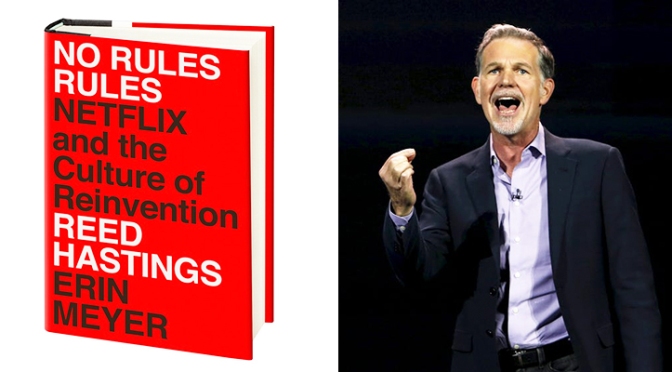
Netflix has had a blockbuster year as lockdowns supercharged subscriptions. But competition is intensifying and the American streaming market is close to saturation. Anne McElvoy asks the company’s co-founder and co-CEO how much more Netflix can still grow.
How does he respond to the charge that its data-driven entertainment is creating a monoculture? And, why he envies the BBC but fears Disney.
News, Views and Reviews For The Intellectually Curious






 Boomers Daily