


Tag Archives: History

The Cotswolds: History Of Village Of Charlbury
Nestling in the Evenlode Valley, sequestered down winding B roads but with its own railway station, Charlbury is a vibrant yet picturesque Oxfordshire town. A centre for festivals, full of welcoming pubs, and ideal for walking and cycling, there’s always something going on in Charlbury.
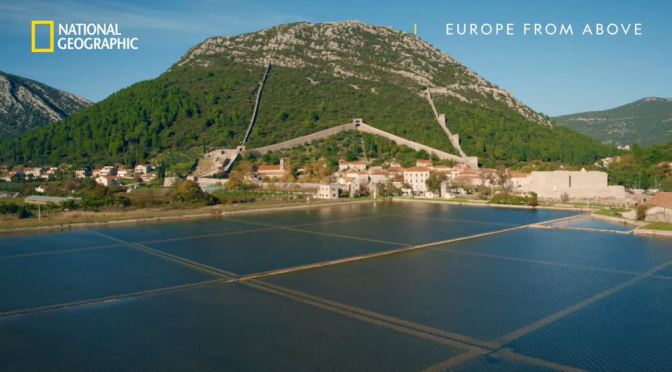
Views: The Ancient ‘Salt Pans’ Of Ston, Croatia
4,000 years ago, in the ancient city of Ston, vast stone walls over 7 kilometres long zigzagged across the hills to enclose a precious Croatian secret. Now, we know that the people of the town were protecting one of the Europe’s most spectacular natural wonders – 50 giant pans of fresh salt, hidden beneath the lagoons.
Once harvest time would arrive, the water would evaporate, leaving behind salt so valuable that the town would have to keep thieves at bay. Join this unique aerial tour of Croatia, where incredible drone photography reveals nature’s beauty and historic landmarks side-by-side.

Remembering 9/11: How It Unfolded 20 Years Ago
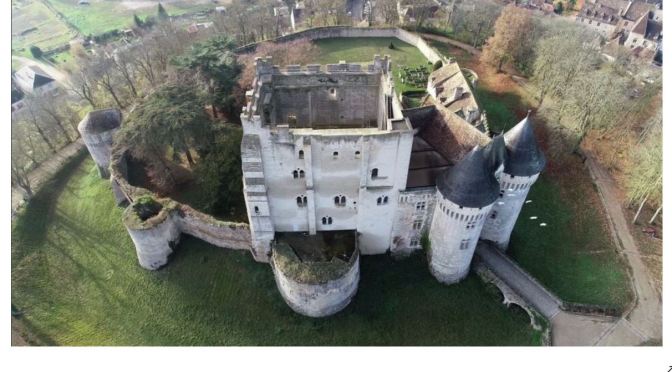
French Views: ‘Castle Of The Counts Of Perche’
The #castle of the counts of #Perche stands on a hill overlooking the #French town of Nogent-le-Rotrou, in the central Eure-et-Loir department. This thousand-year-old fortress, testament to a wealth of local history, is now a museum. Through nearly 400 objects, it takes visitors on a journey through time, from the Middle Ages to the French Revolution. FRANCE 24 takes you on a tour.
The castle of Saint-Jean dominates the town and is a fine example of medieval architecture and of the history of Nogent-le-Rotrou. The rectangular keep is 30 metres high and is 60 metres above the Huisne valley. Its construction began in the first years of the 11th century after the first Lord of Nogent, Rotrou I. The end of 12th century and beginning of the 13th saw the construction of the circular enclosure and 7 defensive towers. The castle of Saint-Jean has withstood many sieges in its time, the most violent was probably in 1428 when the Count of Salisbury burnt the keep and destroyed the inside of the building. In 1624, de Sully became the owner and built the attractive Louis XIII pavilion against the north rampart. The interior has been completely renovated since the 1960s and now houses a local history museum with exhibits and documents about country life in Perche, as well as on the history of the town and the castle. It also houses various temporary exhibitions.

The Cotswolds: History Of Glympton, Oxfordshire
We continue our travels into the Cotswolds proper, stopping off at the secluded village of Glympton. A large country estate encircles the church here, but ancient English laws allow us right of access.
Glympton is a village and civil parish on the River Glyme about 3 miles north of Woodstock, Oxfordshire. The 2001 Census recorded the parish’s population as 80.
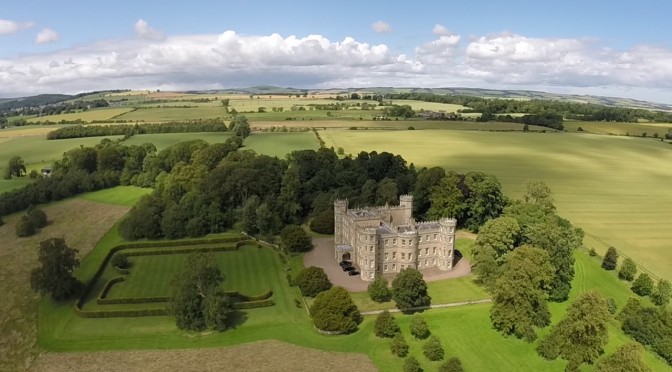
Scottish Country Houses: 18th C. ‘Wedderburn Castle’ In Berwickshire
Wedderburn Castle, Berwickshire, is one of Robert Adam’s less familiar commissions — yet just as extraordinary as many of his more famous buildings. Recently rescued from neglect by owners David Home Miller and Catherine Macdonald-Home, it has a fascinating story to tell about the development of his castle style.


The ‘castle style’ of the Georgian era might be said to have been invented by Vanbrugh, who aimed to give ‘something of the castle air’ with his additions to Kimbolton Castle, Huntingdonshire, in 1707–10 .
In practice, that amounted to little more than a battlemented parapet applied to a completely symmetrical building. In the late 18th century, the architect Robert Adam was undoubtedly influenced by Vanbrugh, whose mastery of what he called ‘movement’ in architectural composition — ‘the rise and fall, the advance and recess with other diversity of form, in the different parts of a building’ — he admired (although he deplored the Baroque master’s ‘barbarisms and absurdities’).
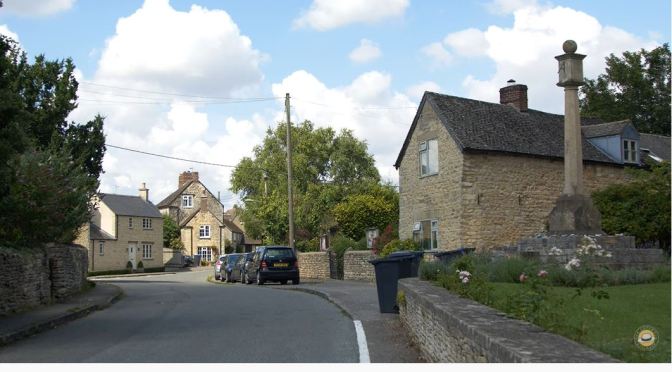
The Cotswolds: Village Of Wootton, Bedfordshire
No more than a mile west of Woodstock, lies the small village of Wootton. On the very edge of the Cotswolds proper, this is a beautiful little village with a wonderful church, and lots of classic history and heritage.
Wootton is a large village and civil parish located to the south-west of Bedford, in the north of Bedfordshire, England. The parish also includes the hamlets of Hall End, Keeley Green and Wootton Green.
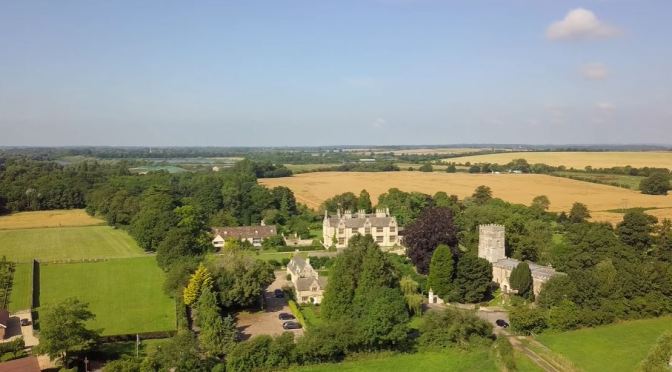
The Cotswolds: A History Of Yarnton, Oxfordshire
We’ve visited Yarnton before in the first episode of Exploring the Cotswolds, but at the time we didn’t realise there was so much more to see. Join us this week as we explore the church and some of the stories around the village.
Yarnton is a village and civil parish in Oxfordshire about 1 mile southwest of Kidlington and 4 miles northwest of Oxford. The 2011 Census recorded the parish’s population as 2,545.
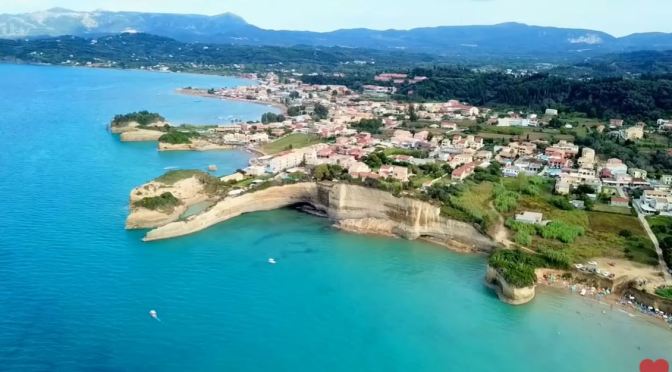
Island Views: Culture, Cuisine & History Of Corfu
Julia visits the lush Ionian island of Corfu, often called the least Greek of all the Greek islands. She discovers a little slice of Italy, and samples the delights of its cuisine. Her trip begins in the capital Corfu Town where she discovers a surprising cosmopolitan city more like slice of Italy than Greece.
 Boomers Daily