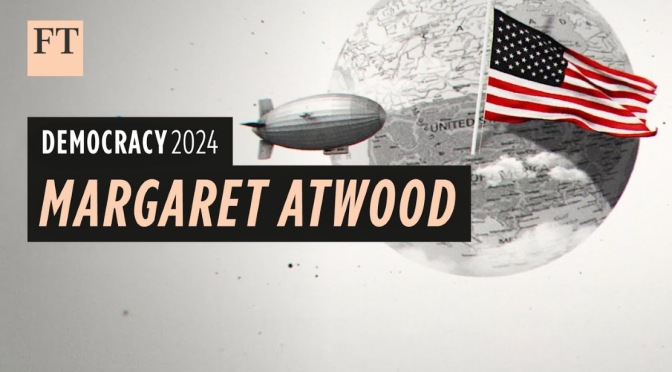

This animated monologue is the first of four films examining the state of government, representation, rights and freedom.
Read more at https://www.ft.com/democracy

This animated monologue is the first of four films examining the state of government, representation, rights and freedom.
Read more at https://www.ft.com/democracy

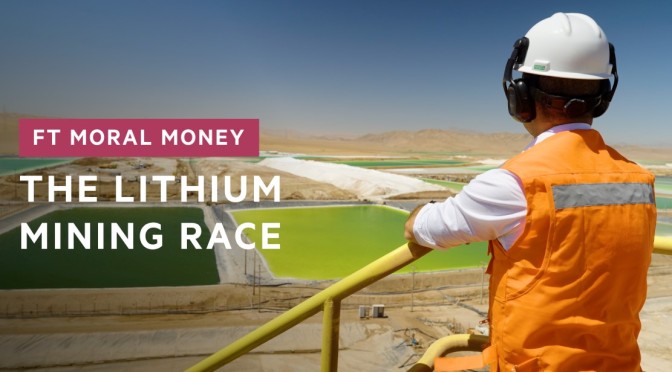
Video timeline: 00:00 Lithium and the energy transition 01:13 Global lithium reserves 01:33 The process 03:03 The communities 04:05 Water reserves 05:29 The investors 07:40 Lithium supply and China 08:41 The policymakers 09:35 Cornish mining revival 12:16 The markets 15:28 Chile’s lithium policy 18:02 Direct lithium extraction 19:54 The indigenous perspective 22:58 Recycling batteries 25:30 The future
#lithium #lithiumbattery #energy #electricvehicle #zerocarbon #emission


by Nicholas Shakespeare (Harvill Secker)
Shakespeare, renowned biographer of Bruce Chatwin, reveals a story worthy of a Bond novel in his life of Ian Fleming. The painstakingly researched yet fast-paced book explores Fleming’s childhood, dramatic war years and complex personal life and reveals how they shaped his hugely successful books.
by Adam Sisman (Profile/Harper)

A follow-up to his 2015 biography of le Carré, who died in 2020, Sisman’s latest book exposes the great spy writer’s duplicitous and deceitful relationships with the women in his life, providing new insights into the secret life of the man behind George Smiley. A fascinating, revelatory appendix to Sisman’s fuller life.
by Ralph Dutli, translated by Ben Fowkes (Verso)
This life of “legendary literary saint”, Osip Mandelstam, provides a timely reminder of both the long history of repression in Russia and the powerful role that literature can play when in the right hands. Dutli’s rounded portrait of the Russian poet unafraid to speak truth to power brings to life the man and his time.
by Anna Funder (Viking/Knopf)
Funder, author of Stasiland, her prizewinning account of the East German secret police, takes six letters written by Eileen O’Shaughnessy, George Orwell’s first wife, as the imaginative springboard for a deep dive into their relationship and her impact on his writing and legacy. A haunting, tragic and revealing book.
by Sarah Ogilvie (Chatto & Windus)
A former editor of the Oxford English Dictionary herself, Ogilvie has written a “people’s history” of the great literary endeavour. Begun in 1879, the OED is an epic, crowdsourced attempt to pin down slippery, evolving language and this book tells the fascinating story of the eclectic and unsung contributors to this living monument to language.
by Nathan Thrall (Allen Lane/Metropolitan Books)
This quietly heartbreaking work of non-fiction reads like a novel. At its centre is a tragic road accident outside Jerusalem in the West Bank from which Thrall, a Jewish American journalist, carefully traces the labyrinthine lives of those involved and the tangled web of politics, history and culture that ensnare them all.

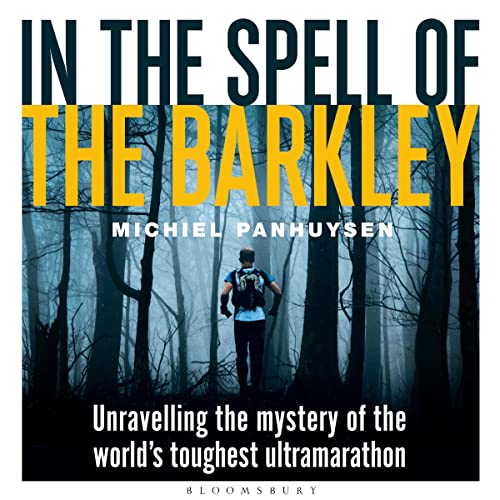
by Michiel Panhuysen (Bloomsbury)
In the mad, masochistic world of ultra-marathons, one bizarre event stands above all others. The Barkley Marathons in Frozen Head State Park, Tennessee, was established in 1986 but to date only 17 people have successfully finished the 100-mile course. Peculiarities include the fact that, rather than using a starting pistol, the race begins when its director lights a cigarette. Participants must collect a page from a book at each checkpoint, and the application process includes writing an essay about why they should be allowed to take part. Panhuysen, who has competed several times (always unsuccessfully) gives an entertaining portrait of a cult competition.
by Sara Wheeler (Abacus)
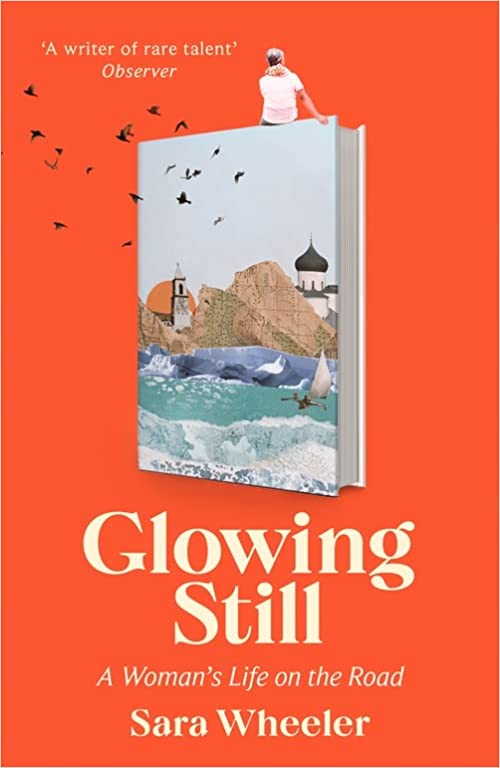
This entertaining memoir recounts Wheeler’s career as a travel writer, swimming against the tide of her largely upper-class male contemporaries. Despite the dangers and misogyny endured on journeys from Antarctica to Zanzibar, she admits her main fear is the mundane: “The John Lewis curtain department terrifies me most.”
by González Macías (Picador)
For Spanish writer, graphic designer and committed landlubber Macías, remote lighthouses seem to have the appeal of endangered animals. “There is something beautiful and wild in these impossible architectures,” he writes. “Perhaps because we sense these creatures are dying. Their lights are going out, their bodies crumbling . . . ships no longer need to be under their romantic guardianship.” His fascination propels this survey of 34 lighthouses from Cornwall to China, an exploration of the buildings’ histories and particularities and a study of human solitude and survival in the loneliest surroundings.
by Noo Saro-Wiwa (Canongate)
For a follow-up to the award-winning Looking for Transwonderland, the Anglo-Nigerian journalist travels to China and sets out to explore through the eyes of immigrant Africans who can travel and trade easily in the country, unlike in many European and western countries. It’s an impressionistic but revealing account of a journey through “a separate and nebulous universe”.
by Tim Hannigan (Head of Zeus/Apollo)
Cornwall is among England’s most popular tourist destinations and yet remains mysterious, mythologised and misunderstood. It is, according to historian Bernard Deacon, “a kind of halfway house between English county and Celtic nation”. Hannigan attempts to untangle the region’s history, identity and culture — from King Arthur to Poldark — as he hikes from the River Tamar in the east to his family home near Land’s End.
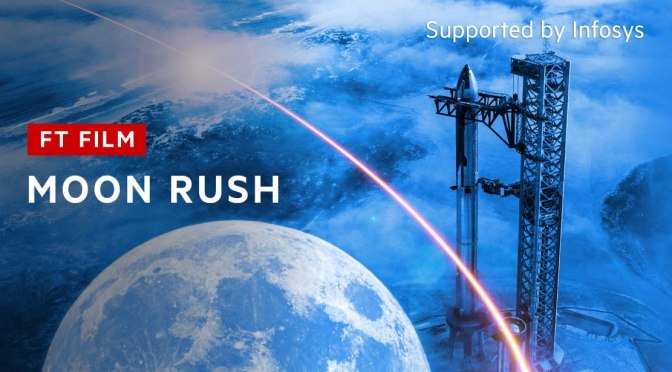
The FT’s Peggy Hollinger asks if the next great leap forward in space is a lunar economy?
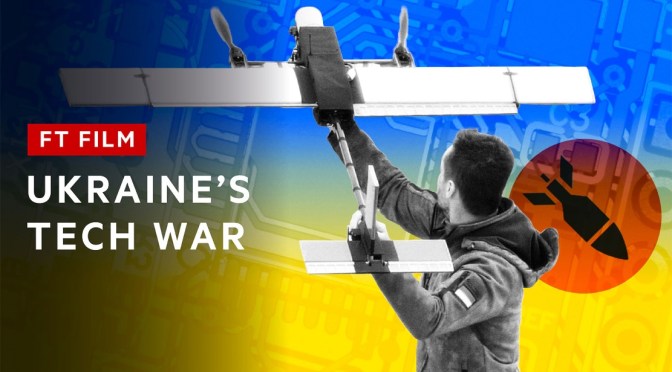
Video timeline: 00:00 Ukraine’s tech war 00:39 The growing tech sector 01:28 The tech start-up: Respeecher and AI voice cloning 03:35 The miltech start-up: Zvook and AI missile detection 05:32 A digitally-focused country 08:00 A fully-fledged drone war 09:06 The drone start-up 11:17 Drones: the growth of the market 12:41 Why drones? 14:13 Drones and the women’s veteran movement 16:00 Ukrainian resilience 16:30 Air Alert! Ajax Systems 19:30 It’s not just about drones 20:12 The anti-drone gun: DroneUA 21:04 Who’s winning the tech war? 22:45 The army of robots 23:36 A new Israel? 24:46 The war has changed us
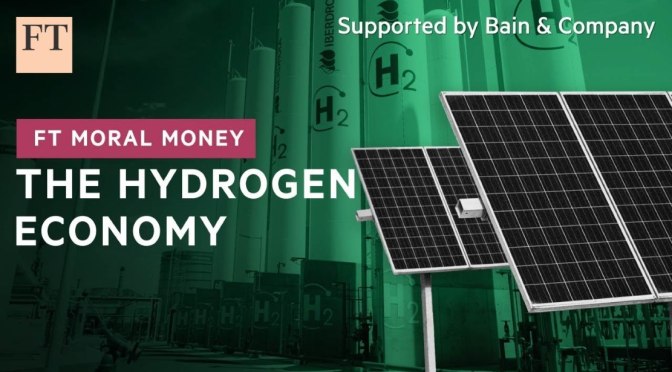
Video timeline: 00:00 What is Hydrogen 00:50 Green Hydrogen 02:50 Current uses of hydrogen 04:10 The concerns 05:00 The Hydrogen rainbow 05:51 Emerald Hydrogen 07.35 The investors 10:50 The policymakers 13:40 Green steel 17:35 Cleaning up aviation 22:15 The hydrogen economy of the future
From southern Spain to Swedish Lapland, we meet those at the forefront of this fast-growing space – all seeking a share of the billions to be made in the emerging hydrogen economy.
#hydrogen #greenhydrogen #EmeraldHydrogen #steel #hydrogeneconomy #zerocarbon #emission
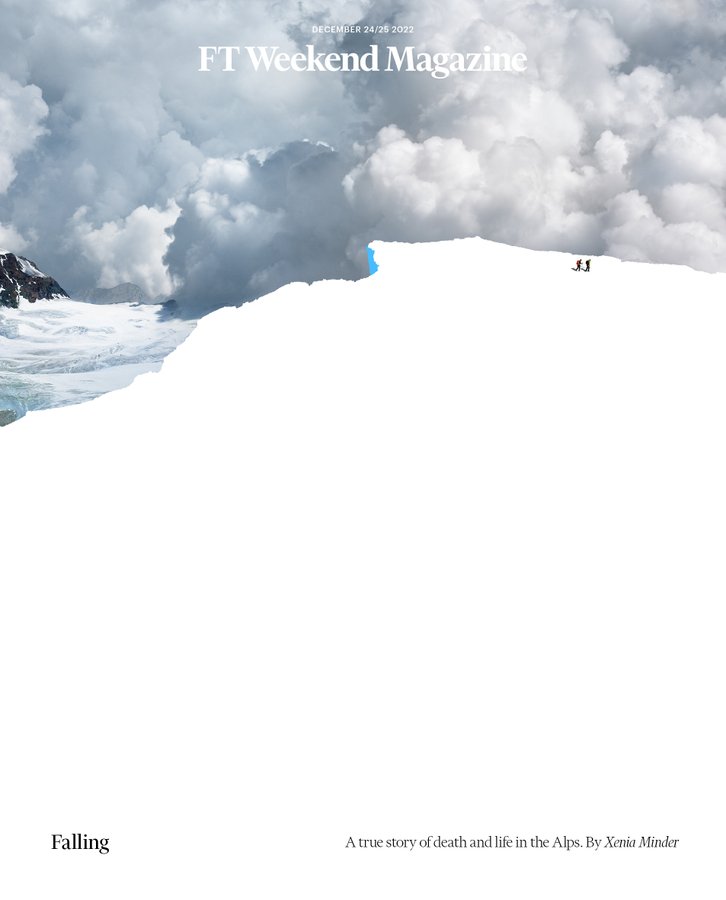

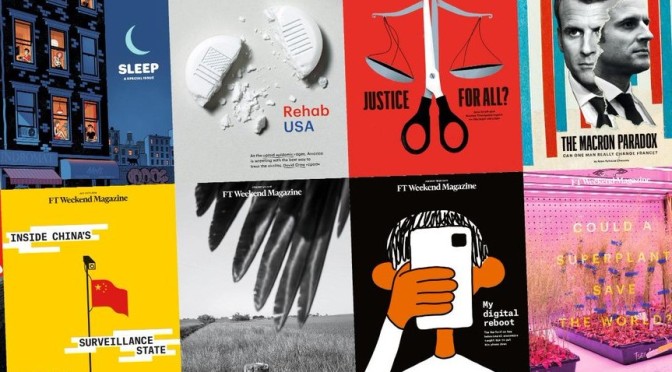
FT Weekend Magazine (December 24, 2022):
I was tethered to my partner when we fell 200m, beginning an almost unbelievable new chapter in my life
Zelenskyy, Macron and Sam Bankman-Fried are all academics’ kids on a global stage
An audience with Mikhail Voskresensky, former head of the piano section at the Moscow Conservatory
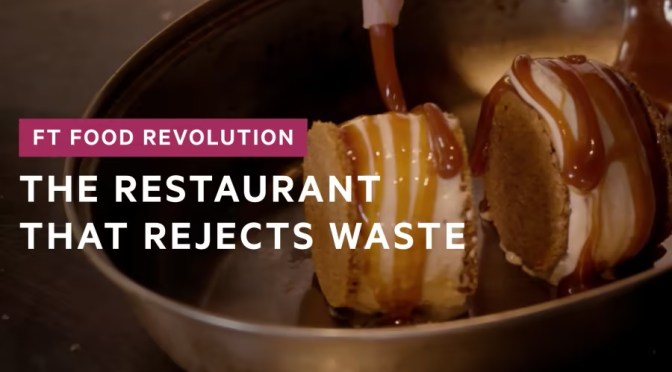
SILO BEGAN IN AUSTRALIA IN 2011 WITH ARTIST JOOST BAKKER WHO PROPOSED THE IDEA OF ‘NOT HAVING A BIN’… FROM THAT POINT SILO’S CHEF AND OWNER HAS BUILT THE BUSINESS UP TO BEING THE WORLD’S FIRST ZERO WASTE RESTAURANT.
SILO IS A RESTAURANT CONCEIVED FROM A DESIRE TO INNOVATE THE FOOD INDUSTRY WHILST DEMONSTRATING RESPECT: RESPECT FOR THE ENVIRONMENT, RESPECT FOR THE WAY OUR FOOD IS GENERATED AND RESPECT FOR THE NOURISHMENT GIVEN TO OUR BODIES. THIS MEANS WE CREATE EVERYTHING FROM ITS WHOLE FORM, CUTTING OUT FOOD MILES AND OVER-PROCESSING, WHILST PRESERVING NUTRIENTS AND THE INTEGRITY OF THE INGREDIENTS IN THE PROCESS.


 Boomers Daily