
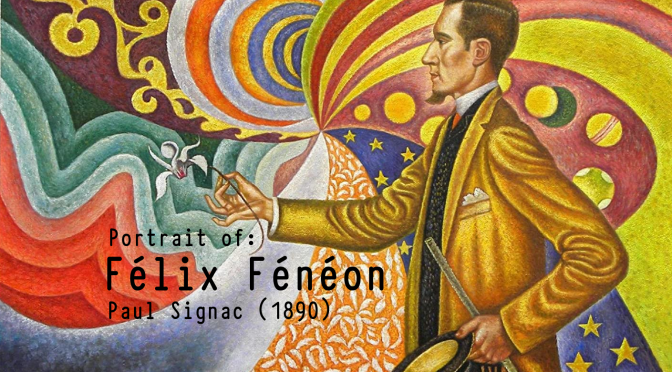
“It would not be a commonplace portrait at all, but a carefully composed picture, with very carefully arranged colors and lines. A rhythmic and angular pose. A decorative Félix, entering with his hat or a flower in his hand.”
With these words, in 1890, Paul Signac described to Félix Fénéon the extraordinary portrait he was dedicating to him. In it, Signac paid homage to Fénéon’s distinctive appearance, his generous but enigmatic personality, and his innovative approach to modernism.
This painting, a masterpiece in the Museum’s collection, will be the centerpiece of Félix Fénéon, the first exhibition dedicated to Fénéon (1861–1944). An art critic, editor, publisher, dealer, collector, and anarchist, Fénéon had a wide-ranging influence on the development of modernism in the late 19th and early 20th centuries.
In the late 1880s, he played a key role in defining the new movement known as Neo-Impressionism, a term he coined himself, whose artists, including Signac, used tiny dabs of color that would mix in the eye of the viewer. Over the next five decades, he championed the careers of artists from Georges-Pierre Seurat and Signac to Pierre Bonnard, Henri Matisse, and Amedeo Modigliani.
He amassed a renowned collection of paintings by these artists and many others, and he was also a pioneering collector of art from Africa and Oceania. The exhibition will feature some 130 objects, including major works that Fénéon admired, championed, and collected, as well as contemporary photographs, letters, and publications that trace key chapters in his biography. Together these works reveal the profound and lasting legacy of Fénéon’s keen eye and bold, forward-looking vision.

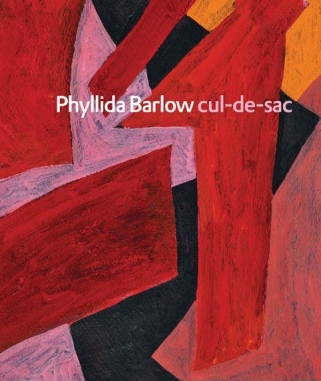 year. Directed by Cosima Spender, this film maps the roots of Barlow’s oeuvre, as she revisits childhood memories, domestic and urban spaces, and their subsequent role in her creative process.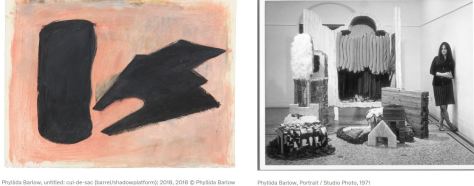

 The British Galleries are reopening with almost 700 works of art on view, including a large number of new acquisitions, particularly works from the 19th century that were purchased with this project in mind. This is the first complete renovation of the galleries since they were established (Josephine Mercy Heathcote Gallery in 1986, Annie Laurie Aitken Galleries in 1989). A prominent new entrance provides direct access from the galleries for medieval European art, creating a seamless transition from the Middle Ages to the Renaissance.
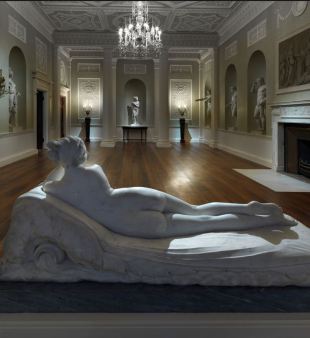 A highlight of The Metropolitan Museum of Art’s 150th anniversary in 2020 is the opening, on March 2, of the Museum’s newly installed Annie Laurie Aitken Galleries and Josephine Mercy Heathcote Gallery—11,000 square feet devoted to British decorative arts, design, and sculpture created between 1500 and 1900. The reimagined suite of 10 galleries (including three superb 18th-century interiors) provides a fresh perspective on the period, focusing on its bold, entrepreneurial spirit and complex history. The new narrative offers a chronological exploration of the intense commercial drive among artists, manufacturers, and retailers that shaped British design over the course of 400 years. During this period, global trade and the growth of the British Empire fueled innovation, industry, and exploitation. Works on view illuminate the emergence of a new middle class—ready consumers for luxury goods—which inspired an age of exceptional creativity and invention during a time of harsh colonialism.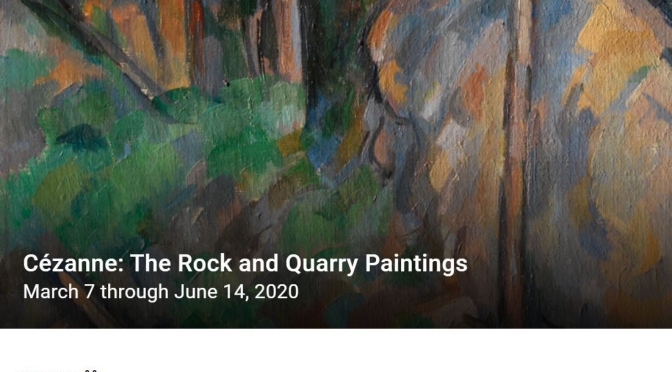
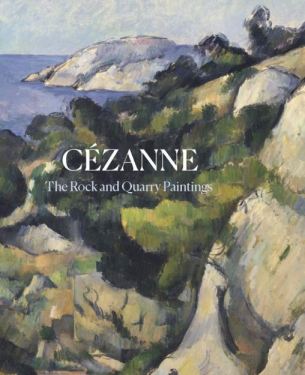 Cézanne: The Rock and Quarry Paintings is the first major exhibition to examine an essential but understudied aspect of the revolutionary French painter’s work: his profound interest in rock and geological formations.
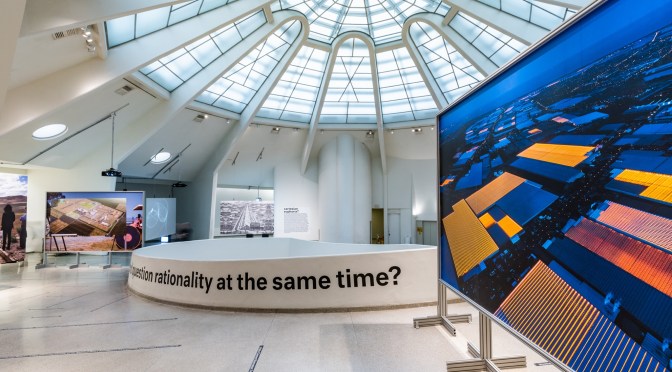
 by AMO, Koolhaas, with students at the Harvard Graduate School of Design; the Central Academy of Fine Arts, Beijing; Wageningen University, Netherlands; and the University of Nairobi. The exhibition will examine the modern conception of leisure, large-scale planning by political forces, climate change, migration, human and nonhuman ecosystems, market-driven preservation, artificial and organic coexistence, and other forms of radical experimentation that are altering landscapes across the world.
 Boomers Daily