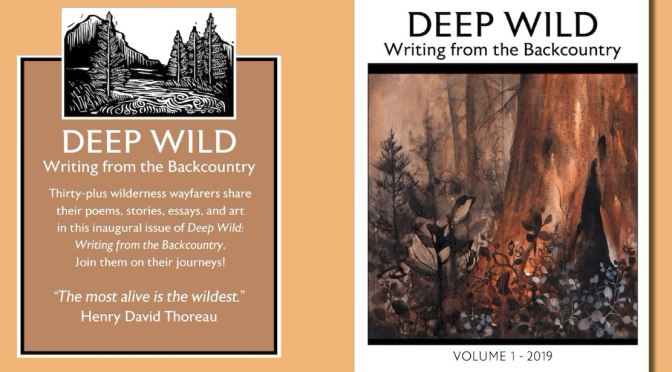
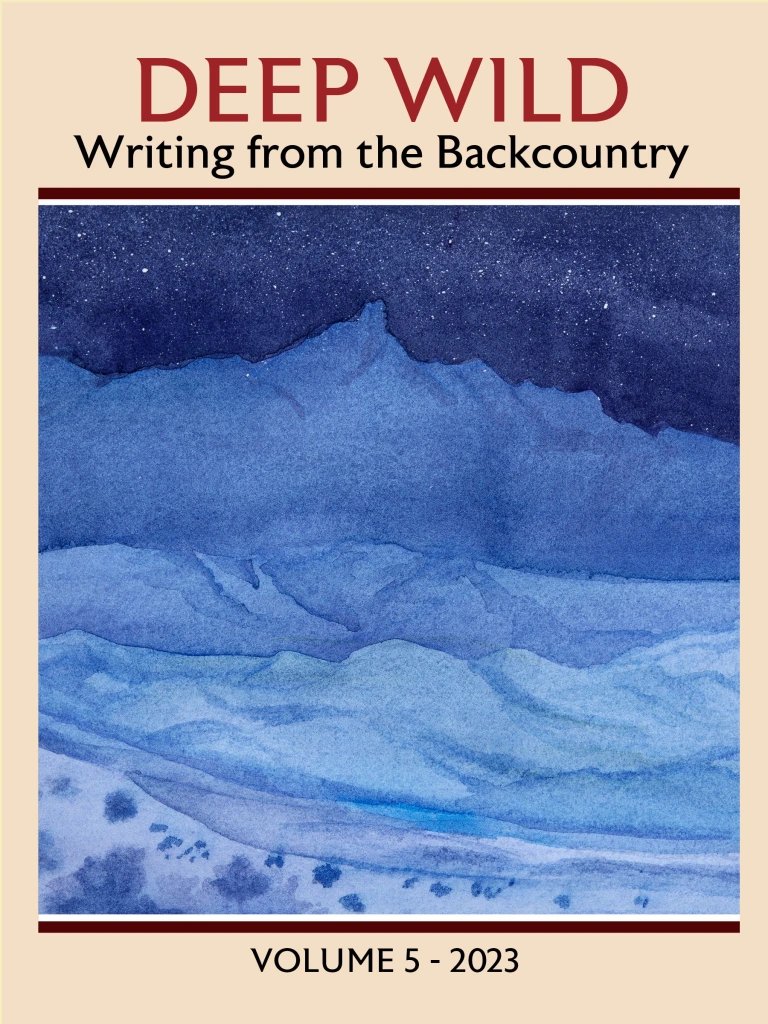
Deep Wild Journal 2023 – Writing from the Backcountry: On skis and snowshoes, by boot and boat, in open water or at the ends of ropes, by night or day, in all four seasons, in searing sun or drenching rain…the adventurer-writers whose work is featured in Deep Wild 2023 take us to all extremes.
Others come to us from a quiet place in the backcountry with their insights, observations, discoveries. Also featured in Deep Wild 2023 is full-color artwork by Tucson watercolorist Kat Manton-Jones and a portfolio of pen-and-ink drawings from the Colorado Plateau by Margaret Pettis.
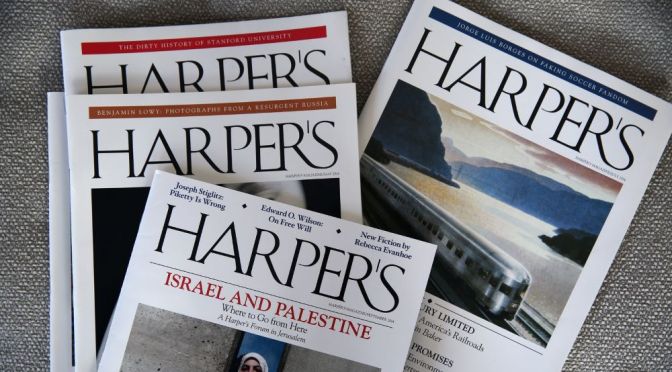
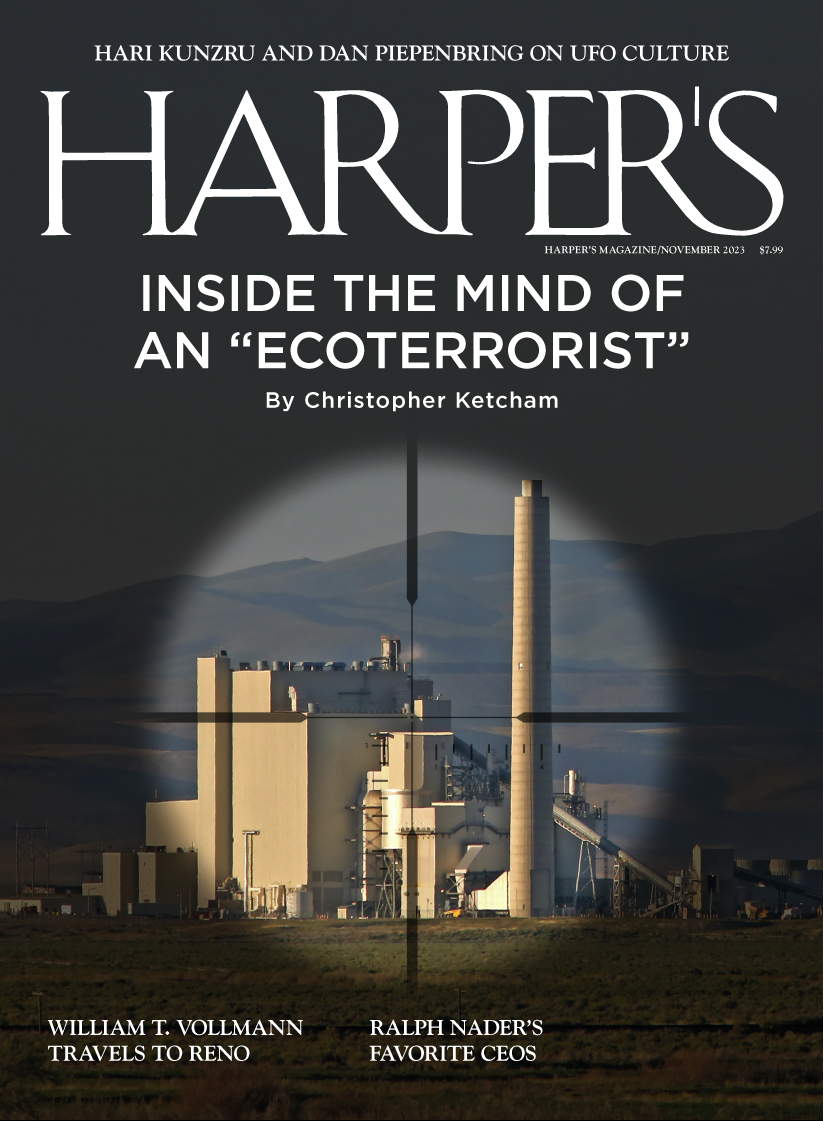
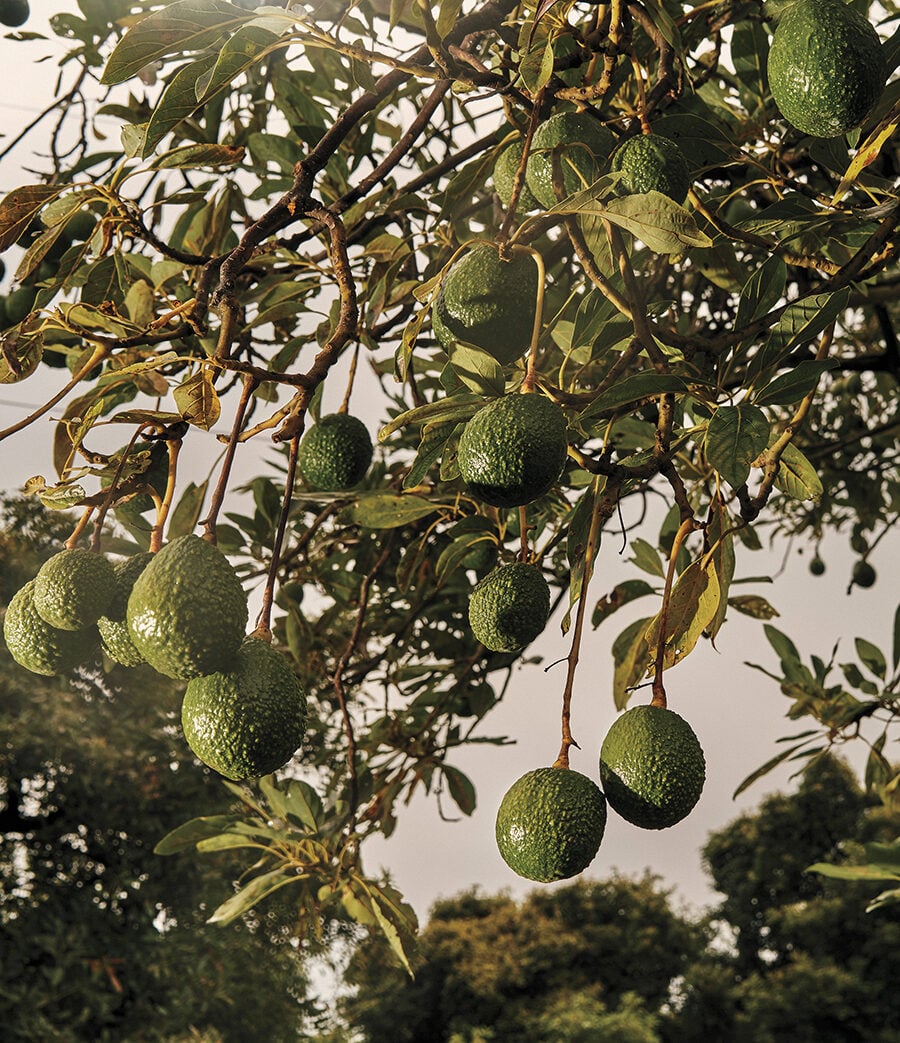
Harper’s Magazine – NOVEMBER 2023: This issue features The Machine Breaker – Inside the mind of an “ecoterrorist”; Forbidden Fruit – The anti-avocado militias of Michoacán; Principia Mathemagica; From Magus – The Art of Magic from Faustus to Agrippa, and more…
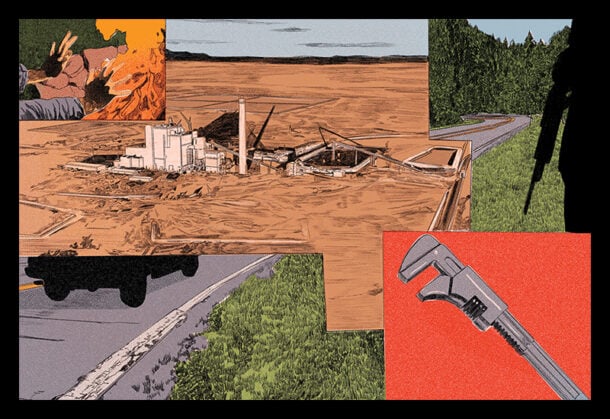
In the summer of 2016, a fifty-seven-year-old Texan named Stephen McRae drove east out of the rainforests of Oregon and into the vast expanse of the Great Basin. His plan was to commit sabotage. First up was a coal-burning power plant near Carlin, Nevada, a 242-megawatt facility owned by the Newmont Corporation that existed to service two nearby gold mines, also owned by Newmont.
Phone service was down—a fuse had blown in the cell tower during a recent storm—and even though my arrival had been cleared with the government of Cherán in advance, the armed guard manning the highway checkpoint, decked out in full fatigues, the wrong shade to pass for Mexican military, refused to wave me through. My guide, Uli Escamilla, assured him that we had an appointment, and that we could prove it if only we could call or text our envoy. The officer gripped his rifle with both hands and peered into the windows of our rental car.
LA Review of Books (Autumn 2023) – The latest issue features The Funny Thing About Misogyny; The New Scarcity Studies: On Two New Socioeconomic Histories and Endgame Emotions: The Melting of Time, the Mourning of the World…
THE FUNNY THING about misogyny is it’s structured like a joke. Not a very good joke—a groaner, a dad joke. Why are they called “women”? Because they’re a woe to men. Get it? Woman is a container for man; language engenders gender subordination. As Mike Myers recites on stage in his role as a moody slam poet in the thrillingly zany 1993 Hitchcockian send-up So I Married an Axe Murderer, “Woman! Whoa, man. Whoaaaaaa. Man!”
Scarcity: A History from the Origins of Capitalism to the Climate Crisis by CARL WENNERLIND
WATER FALLS FROM the sky, literally. It is the most abundant chemical compound on Earth, and yet many people buy it in plastic bottles. Nestlé and other corporations source water cheaply and add labels that depict something other than heavy-industry and fossil-fuel derivatives, as though you’re drinking straight from a pristine spring. By bottling this natural resource and selling it as a commodity, Nestlé creates a form of scarcity.
Harper’s Magazine – OCTOBER 2023: This issue features ‘Craving A Choice’ – Insurgency and its Threat to the Democratic Party; The Spy – An Essay On seeing without being seen, and more…
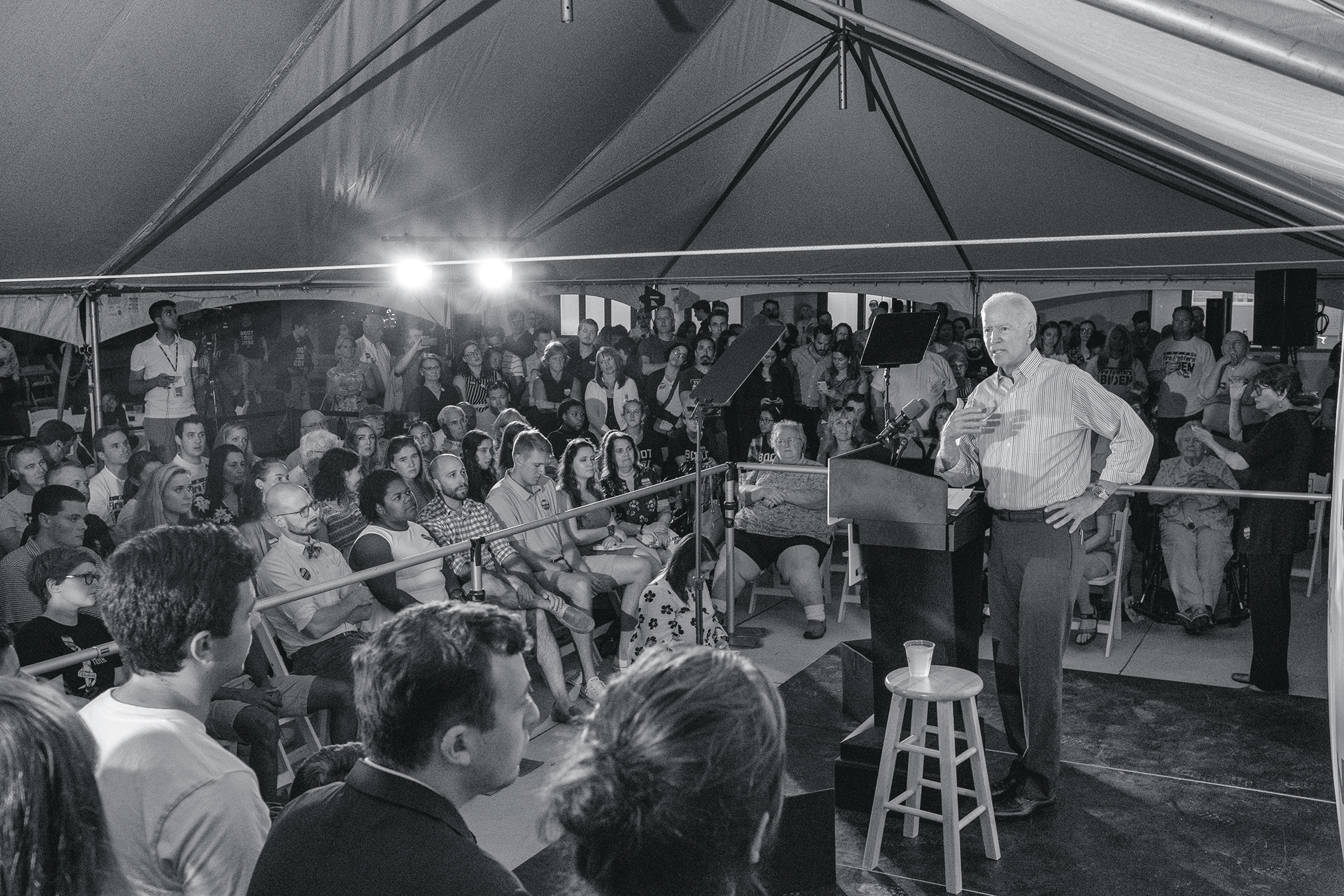
For decades, New Hampshire has generated brisk and gratifying drama with its first-in-the-nation presidential primary. The Granite State momentously destroyed a presidency in 1968, when the Minnesota senator Eugene McCarthy ran against President Lyndon Johnson on an antiwar platform.
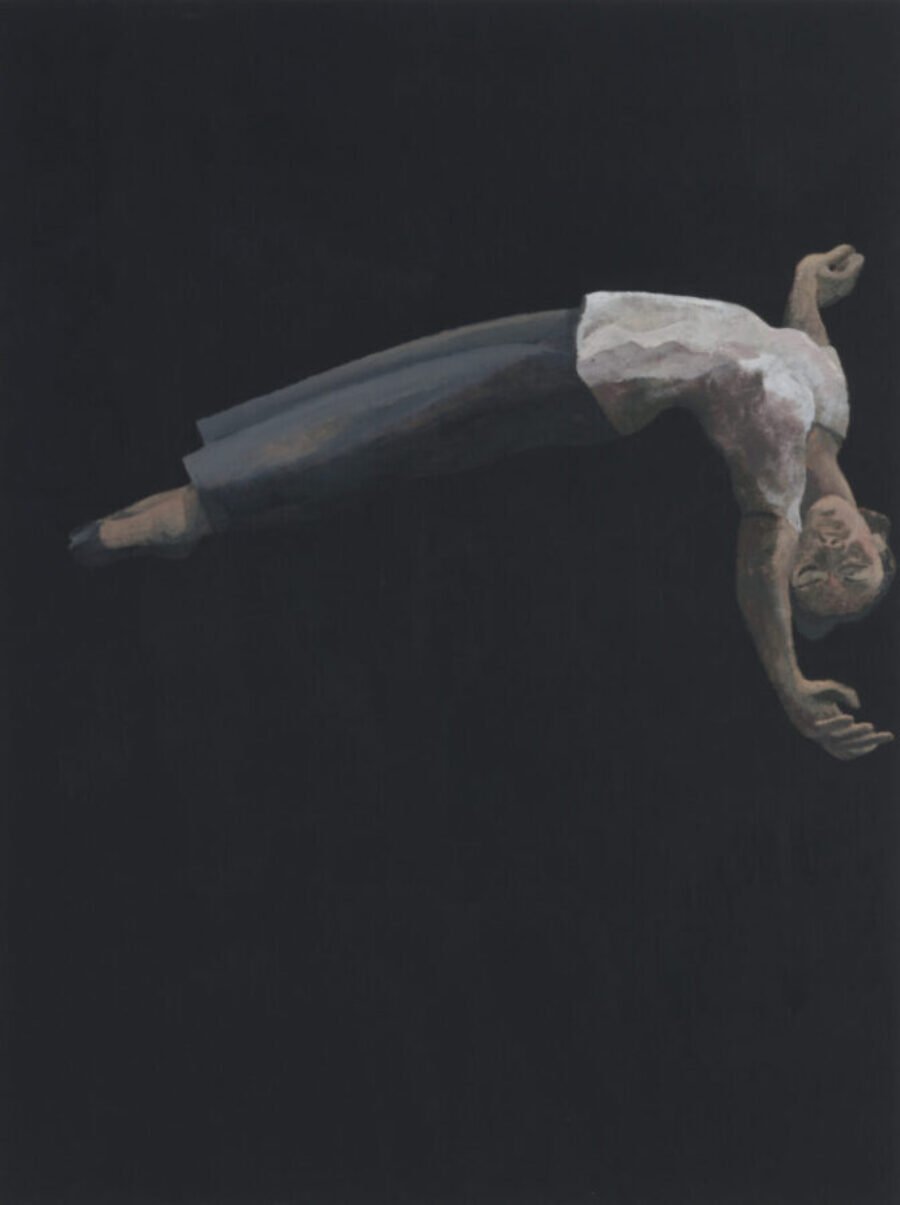
Not long ago our mother died, or at least her body did—the rest of her remained obstinately alive. She took a considerable time to die and outlasted the nurses’ predictions by many days, so that those of us who had been summoned to her bedside had to depart and return to our lives.
The bleeding edge … LookX uses a piece of crumpled paper as a prompt to create buildings in the style of Frank Gehry (left) and Zaha Hadid (right). Composite: Tim Fu
It’s revolutionizing building – but could AI kill off an entire profession? Perhaps not, finds our writer, as he enters a world where Corbusier-style marvels and 500-room hotels are just a click away
Oliver Wainwright – The Guardian (August 7, 2023):A handful of little green blocks flashes up on the screen, filling a building site with a neat grid of uniform cubes. One second they form rows of towers, next they morph into low-rise courtyards, then they flip back into long slender slabs, before cycling through hundreds of other iterations, in a hypnotic high-speed ballet of bristling buildings.
“You don’t even have to do much” … Patrik Schumacher-generated designs for ZHA using Midjourney. Photograph: Zaha Hadid Architects
I watch this while on a Zoom call with Wanyu He, an architect based in Shenzhen, China, and the founder of XKool, an artificial intelligence company determined to revolutionise the architecture industry. She freezes the dancing blocks and zooms in, revealing a layout of hotel rooms that fidget and reorder themselves as the building swells and contracts. Corridors switch sides, furniture dances to and fro. Another click and an invisible world of pipes and wires appears, a matrix of services bending and splicing in mesmerising unison, the location of lighting, plug sockets and switches automatically optimised. One further click and the construction drawings pop up, along with a cost breakdown and components list. The entire plan is ready to be sent to the factory to be built.
‘A novelist is condemned to produce a succession of novelties, new names for characters, new incidents for his plots, new scenery,’ reflects the beleaguered hero of The Ordeal of Gilbert Pinfold, Evelyn Waugh’s portrait of the artist as a middle-aged car crash.
London Review of Books (LRB – August 5, 2023) – But really, as Pinfold goes on to say, ‘most men harbour the germs of one or two books only; all else is professional trickery of which the most daemonic of the masters – Dickens and Balzac even – were flagrantly guilty.’ Pinfold is by admission a self-portrait, so Waugh must have expected readers to speculate on how this observation applied to his own career, and whether he was a one or a two-book man himself.
In 1958, a Cambridge don called Frederick J. Stopp produced a study of Waugh – uniquely, Waugh himself gave ‘generous assistance’ – which warmly endorsed the idea that he had basically ‘two books in his armoury’, the first featuring the ‘contrast between sanity and insanity’ and the second ‘sanity venturing out into the surrounding sphere of insanity, and defeating it at its own game’.
Whether this particular dualism had Waugh’s approval is unclear, but either way it doesn’t seem entirely satisfactory since the two alternatives look like variants of the same thing. Less well-disposed readers have thought that Waugh’s books divided on much more rudimentary lines: the good ones, which are funny, and the bad ones, which are pious.
There is the string of brilliant, brittle social comedies in the 1930s, and then there is whatever started happening with the publication in 1945 of Brideshead Revisited. Stopp reported, presumably with his master’s sanction, that ‘Mr Waugh’s reputation among the critics has hardly yet recovered from the blow.’ Brigid Brophy had the best joke: ‘In literary calendars, 1945 is marked as the year Waugh ended.’
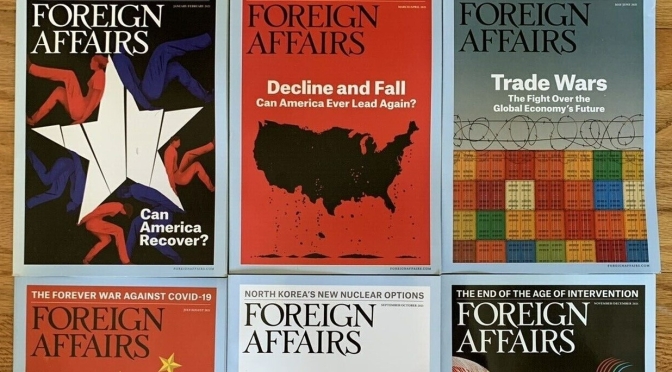
Foreign Affairs (August 2, 2023) – As 2022 came to an end, hopes were rising that China’s economy—and, consequently, the global economy—was poised for a surge. After three years of stringent restrictions on movement, mandatory mass testing, and interminable lockdowns, the Chinese government had suddenly decided to abandon its “zero COVID” policy, which had suppressed demand, hampered manufacturing, roiled supply lines, and produced the most significant slowdown that the country’s economy had seen since pro-market reforms began in the late 1970s.
Economic long COVID will likely plague the Chinese economy for years.
In the weeks following the policy change, global prices of oil, copper, and other commodities rose on expectations that Chinese demand would surge. In March, then Chinese Premier Li Keqiang announced a target for real GDP growth of around five percent, and many external analysts predicted it would go far higher.
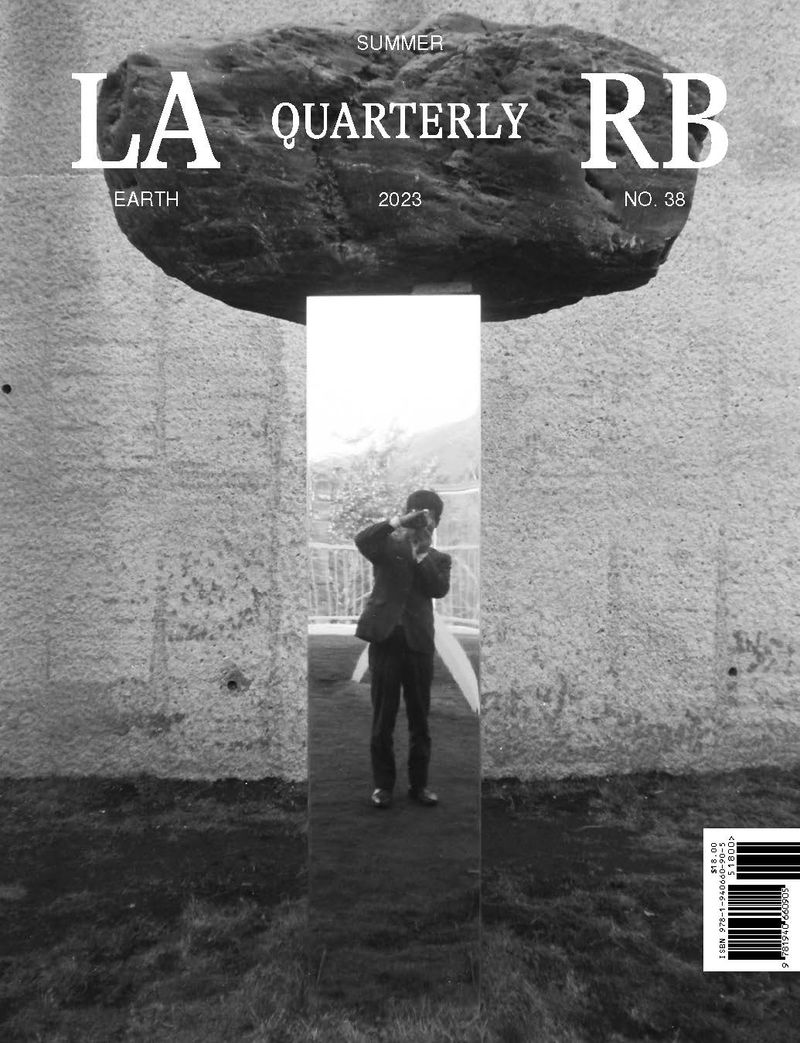
LA Review of Books (Summer 2023) – In this elemental issue of LARB Quarterly, no. 38: Earth, we found new ways of looking at the planet. Writers were free to take up the theme casually or catastrophically, studying the earth beneath their fingernails or the planet from hundreds of thousands of miles away. We imagined being sealed outside, dreaming of coming home.
ON AN UNUSUALLY rainy evening in Los Angeles this March, at the Thomas Mann House in Pacific Palisades, two investigative reporters from Germany gave a talk about a financial scandal known as “cum-ex.” Against the backdrop of a mid-century modern terrace, its polished cement looking dull and gray in the storm, the pair flashed through a series of slides about international tax embezzlement.
A relatively small drip of funds from the German cultural ministry sometimes supports talks like these in the name of Mann’s legacy. When the capital of German literary life was exiled to Los Angeles around the Second World War, the author built a home that now still hosts salons in the name of democratic cultural exchange.
THE YEAR WAS 1971, the place Łódź. Journalist Hanna Krall was interviewing a pioneering heart surgeon named Jan Moll. The good doctor, apparently unhappy with the outcome of previous interviews, told Krall that everything journalists ever wrote about medicine was nonsense. So, if she wanted to avoid doing the same, he strongly suggested she have her article vetted by a certain cardiologist, a Dr. Edelman, who, said Moll, would correct her mistakes. Krall agreed and arranged a meeting. She sat down with Marek Edelman in the Grand Hotel café, where it took 15 minutes for him to read through her article.
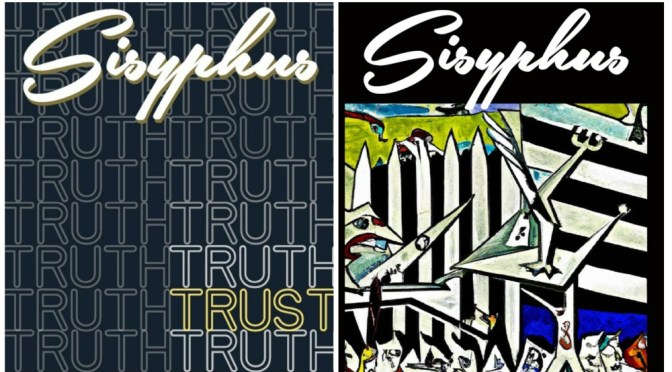
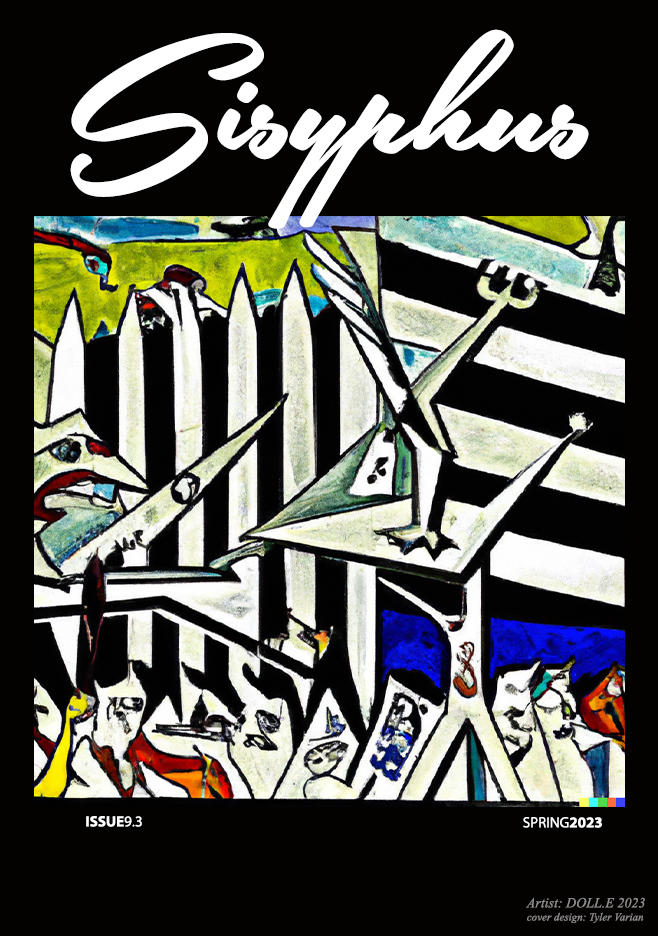
SISYPHUS MAGAZINE (SPRING 2023) – This issue explores the theories in society that subjectify truth, the influence of social media, philosophical pragmatism, the generational representations of societal ideals, the environmental impact of governmental and private sector choices, the factions of progressive arguments, and the evolution of Sisyphus.
In modern society, it’s difficult to discern what’s real and what’s not in news media’s contemporary platforms and discussions.
Truth is difficult to define but having a correct theory or definition is not the problem. We all know many truths and untruths, without knowing what philosophers have said, and without knowing that many still disagree with each other.
Once lost, the laws might be derived again When necessary, or so you’ve been told. You’re half asleep in January sun. Just out of sight, someone starts bugging you And Steller’s jays. Green hills, blue weather, — noon To bring out Panpipes, but it’s too damn cold.
Both Adam Smith and Karl Marx believed in progress.
The question, therefore, is what do we mean by progress? How do we understand it? How does it operate? How does progress correspond with progressivism? These questions have become important because progressivism has encountered an internal impasse. It has become mired in internal conflict.
News, Views and Reviews For The Intellectually Curious








/https%3A%2F%2Fdev.lareviewofbooks.org%2Fwp-content%2Fuploads%2F2023%2F09%2FScarcity.jpg)











/https%3A%2F%2Fdev.lareviewofbooks.org%2Fwp-content%2Fuploads%2F2023%2F07%2FQJ_LARB.jpg)
/https%3A%2F%2Fdev.lareviewofbooks.org%2Fwp-content%2Fuploads%2F2023%2F07%2FGhetto-Fights.jpg)



 Boomers Daily