Tag Archives: Diet

Medical Podcasts: A Clinical Review Of “The Pritikin Diet” (JAMA)

JAMA Clinical Reviews LogoNathan Pritikin was a college dropout who became an entrepreneur. While doing research for the government during World War II, he observed that populations that had extremely limited food availability because of the war had substantially reduced mortality from cardiovascular disease—something unexpected at a time when cardiovascular disease was thought to be due to stress. 

After the war when food became more available CVD death rates went back up, resulting in Pritikin concluding that CVD was related to diet. Pritikin devised his own very low-fat diet that bears his name and the diet is still in use 65 years later.

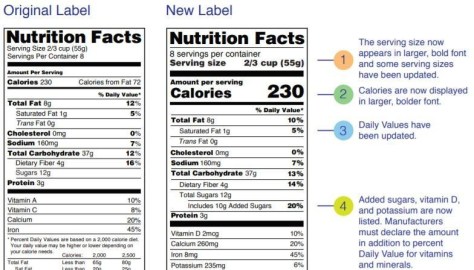
Health News Video: FDA Launches (And Explains) New Nutrition Facts Label

What’s new about the new Nutrition Facts label? Watch this Q&A with Susan T. Mayne, Ph.D., Director of FDA’s Center for Food Safety and Applied Nutrition. 

New FDA Nutrition Facts Label March 2020

For more information

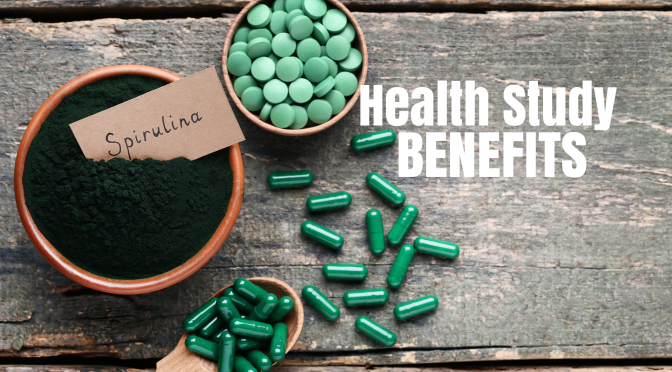
Health Studies: “Spirulina” Improves Cardiovascular (CVD) Risk Factors, Aids In Weight Loss (BMJ)

From a BMJ Open Heart online study (March 8, 2020):

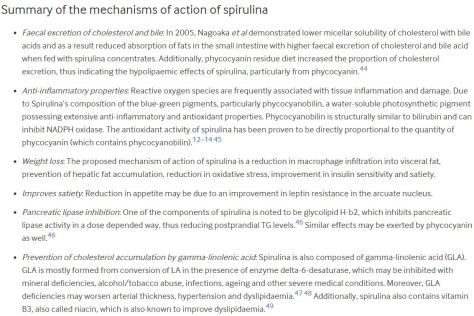
BMJ Open Heart JournalOverall, the evidence in the literature suggests that spirulina improves several well-established CVD risk factors including hyperlipidaemia and seems to provide benefits around weight loss. 

Although caloric restriction and exercise are the mainstay treatments for obesity, spirulina has shown significant benefits in aiding weight loss. The phycocyanin in spirulina contains a light-harvesting chromophore called phycocyanobilin, which is capable of inhibiting nicotinamide adenine dinucleotide phosphate hydrogen (NADPH) oxidase, a significant source of oxidative stress in adipocytes playing a key role in inducing insulin resistance and shifting adipokine and cytokine production in hypertrophied adipocytes. Thus, by suppressing adipocyte oxidative stress, spirulina may lead to systemic anti-inflammatory and insulin-sensitising effects.

BMJ Open Heart Journal Study of Spirulina Health benefits March 2020

Spirulina is both a salt and fresh water blue-green algae, which is being increasingly studied recently. Spirulina was initially classified under the plant kingdom due to its rich plant pigments and its ability to photosynthesize, but was later placed into bacterial kingdom (cyanobacteria) due to its genetic, physiological and biochemical makeup. Spirulina grows naturally in high salt alkaline water reservoirs in subtropical and tropical areas of America, Mexico, Asia and Central Africa.

Read full study

Studies: “Ultra-Processed Foods” Are 58% Of All Calories In U.S., & Obesity Epidemic’s Major Cause

From a The Guardian online article (Feb 12, 2020):

What characterizes ultra-processed foods is that they are so altered that it can be hard to recognize the underlying ingredients. These are concoctions of concoctions, engineered from ingredients that are already highly refined, such as cheap vegetable oils, flours, whey proteins and sugars, which are then whipped up into something more appetizing with the help of industrial additives such as emulsifiers. 

Read full article

From a MedPage Today online article (March 7, 2020):

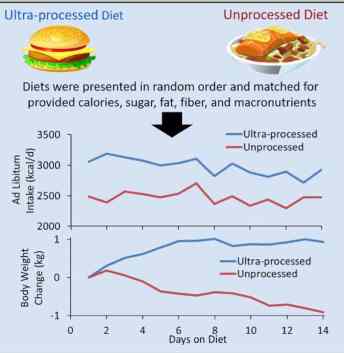
The top ultra-processed foods by calorie intake were breads, beverages, cakes, Ultra-Processed Diet and Unprocessed Diet Infographiccookies and pies, salty snacks, frozen and shelf-stable dishes, pizza, and breakfast cereals.

Altogether, ultra-processed foods accounted for 58% of all calories in the U.S. diet and nearly 90% of all added sugars.

They divided foods into four categories:

  • Unprocessed or minimally processed foods: Fresh, dry, or frozen fruits or vegetables, grains, legumes, meat, fish, and milk
  • Processed culinary ingredients: Table sugar, oils, fats, salt, and other substances extracted from foods or from nature and used in kitchens to make culinary preparations
  • Processed foods: Foods manufactured with the addition of salt, sugar, or other substances of culinary use to unprocessed or minimally-processed foods, such as canned food, simple breads, and cheese
  • Ultra-processed foods: Formulations of several ingredients that — besides salt, sugar, oils, and fats — include food substances not used in culinary preparations, in particular, flavors, colors, sweeteners, emulsifiers, and other additives used to imitate sensory qualities of unprocessed or minimally-processed foods and their culinary preparations or to disguise undesirable qualities of the final product

Read full article

Diet Study: “Moderate Egg Consumption” Does Not Increase Cardiovascular Disease Risk (The BMJ)

From a BMJ Research online study (March 4, 2020):

BMJ Open Access logoWe found no association between egg consumption and risk of cardiovascular disease in three large US cohorts. Results from the updated meta-analysis lend further support to the overall lack of an association between moderate egg consumption (up to one egg per day) and cardiovascular disease risk. 

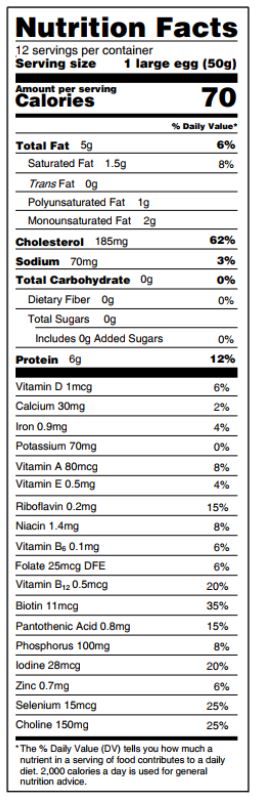
One Large Egg Nutrition factsEggs are a major source of dietary cholesterol, but they are also an affordable source of high quality protein, iron, unsaturated fatty acids, phospholipids, and carotenoids.

Introduction: In the United States, cardiovascular disease is the leading cause of death in men and women. Diet and lifestyle undisputedly play a major part in the development of cardiovascular disease. In the past, limiting dietary cholesterol intake to 300 mg per day was widely recommended to prevent cardiovascular disease. However, because of the weak association between dietary cholesterol and blood cholesterol, and considering that dietary cholesterol is no longer a nutrient of concern for overconsumption, the most recent 2015 dietary guidelines for Americans did not carry forward this recommendation.

Read full study

Diet Studies: “Eat Less, Live Longer” – Calorie Restriction Delays Age-Related Diseases (Salk)

Salk Institute logoEat less, live longer- If you want to reduce levels of inflammation throughout your body, delay the onset of age-related diseases and live longer—eat less food. That’s the conclusion of a new study by scientists from the US and China that provides the most detailed report to date of the cellular effects of a calorie-restricted diet in rats.

(Salk News, February 27, 2020)

While the benefits of caloric restriction have long been known, the new results show how this restriction can protect against aging in cellular pathways, as detailed in Cell on February 27, 2020.

Aging is the highest risk factor for many human diseases, including cancer, dementia, diabetes and metabolic syndrome. Caloric restriction has been shown in animal models to be one of the most effective interventions against these age-related diseases. And although researchers know that individual cells undergo many changes as an organism ages, they have not known how caloric restriction might influence these changes.

In the new paper, Belmonte and his collaborators—including three alumni of his Salk lab who are now professors running their own research programs in China—compared rats who ate 30 percent fewer calories with rats on normal diets. The animals’ diets were controlled from age 18 months through 27 months. (In humans, this would be roughly equivalent to someone following a calorie-restricted diet from age 50 through 70.)

Read more 

Diet Studies: Repeated “Diet Switching” Found To Increase Mortality Risks

From a Science Journal study (Feb 21, 2020):

Science Advances Feb 2020We suggest this increase in mortality seen on DR in the 4-day switch treatment is due to either accrued physiological costs or more probable, a carryover of deaths directly resulting from the rich diet, but recorded on the DR diet.

A closer examination of the timing of mortality within the 4-day switching paradigm showed that the mortality response was strongest in the second 48 hours after exposure to both DR and rich diets.

Ageing has attracted extensive scientific interest, from both a fundamental and biomedical perspective. Dietary restriction (DR) extends health and life span across taxa, from baker’s yeast to mice, with very few exceptions (12). The reduction in total calories—or restriction of macronutrients, such as protein—extends life span reliably (35). Although the precise universal mechanisms that connect DR to ageing remain elusive, translation of DR’s health benefits to human medicine is deemed possible. The widespread assumption of DR’s translational potential originates from the notion that DR’s beneficial effects are facilitated by shared evolutionary conserved mechanisms, as beneficial effects of DR are observed across taxa.

Read full article

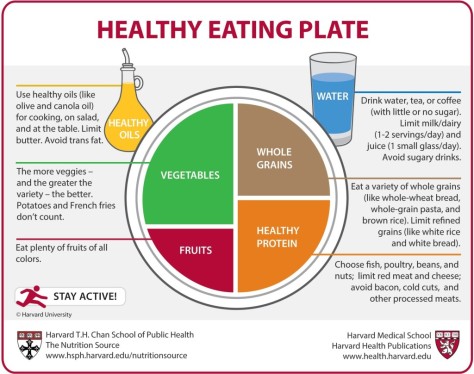
Nutrition Infographic: Harvard Unveils A “Healthy Eating Plate” As Guide For Balanced Meals

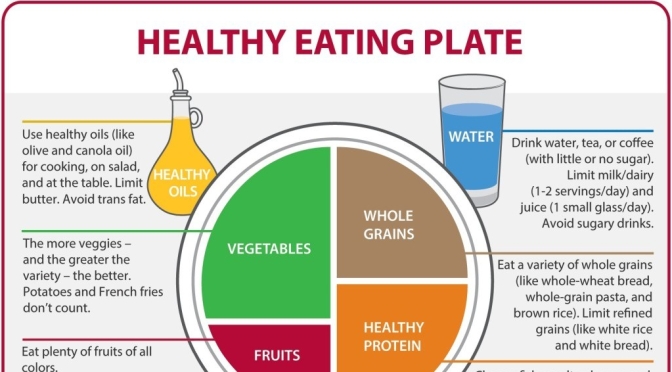
Harvard Healthy Eating Plate Infographic February 2020


Aim for color and variety, and remember that potatoes don’t count as vegetables on the Healthy Eating Plate because of their negative impact on blood sugar.

Whole and intact grains—whole wheat, barley, wheat berries, quinoaoatsbrown rice, and foods made with them, such as whole wheat pasta—have a milder effect on blood sugar and insulin than white bread, white rice, and other refined grains.

Fish, poultry, beans, and nuts are all healthy, versatile protein sources—they can be mixed into salads, and pair well with vegetables on a plate. Limit red meat, and avoid processed meats such as bacon and sausage.

Choose healthy vegetable oils like olive, canola, soy, corn, sunflower, peanut, and others, and avoid partially hydrogenated oils, which contain unhealthy trans fats. Remember that low-fat does not mean “healthy.”

Skip sugary drinks, limit milk and dairy products to one to two servings per day, and limit juice to a small glass per day.

The red figure running across the Healthy Eating Plate’s placemat is a reminder that staying active is also important in weight control.

The main message of the Healthy Eating Plate is to focus on diet quality.

  • The type of carbohydrate in the diet is more important than the amount of carbohydrate in the diet, because some sources of carbohydrate—like vegetables (other than potatoes), fruits, whole grains, and beans—are healthier than others.
  • The Healthy Eating Plate also advises consumers to avoid sugary beverages, a major source of calories—usually with little nutritional value—in the American diet.
  • The Healthy Eating Plate encourages consumers to use healthy oils, and it does not set a maximum on the percentage of calories people should get each day from healthy sources of fat. In this way, the Healthy Eating Plate recommends the opposite of the low-fat message promoted for decades by the USDA.

Website

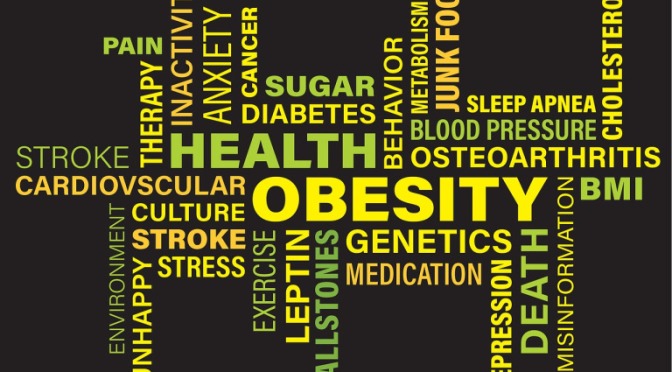
Health: Growing Concern Over “The Obesity-Cancer Link” (The Lancet)

From a The Lancet online editorial (Feb 3, 2020):

The Lancet Endocrine and DiabetesPrevention represents the most cost-effective, long-term strategy for reducing the cancer burden and associated mortality. If provided with adequate information and support to adopt a healthy lifestyle, individuals can reduce their exposure to behavioural and dietary cancer risk factors by quitting smoking, maintaining a healthy BMI, cutting down on alcohol consumption, exercising more, and eating a healthy diet rich in fruit and vegetables. 

Although smoking is currently the major cause of preventable cancer cases and accounts for 22% of cancer deaths, a 2018 report from Cancer Research UK estimated that high BMI (overweight and obesity) now causes more cases of four common cancers (bowel, kidney, ovarian, and liver) in the UK than does smoking, and could overtake smoking as the biggest cause of cancer in women in the UK by 2043. According to WHO, in 2016, 1·9 billion adults around the world were overweight, of whom 650 million had obesity—triple the number in 1975. State-level projections for the USA paint an even bleaker picture going forward: by 2030, 48·9% of adults will have obesity; 24·2% of adults will have severe obesity; and severe obesity will be the most common BMI category among women, non-Hispanic black adults, and low-income adults. With such shocking statistics, the knock-on effect of the obesity epidemic for cancer prevention and control cannot be underestimated.

Read full article

Study: “Med-Diet” Alters Gut Microbiota, Lowers Frailty & Inflammation, Improves Cognition (BMJ)

From BMJ Journal “Gut” study (February 17, 2020):

BMJ Journal GUT Februrary 2020We observed that increased adherence to the MedDiet modulates specific components of the gut microbiota that were associated with a reduction in risk of frailty, improved cognitive function and reduced inflammatory status.

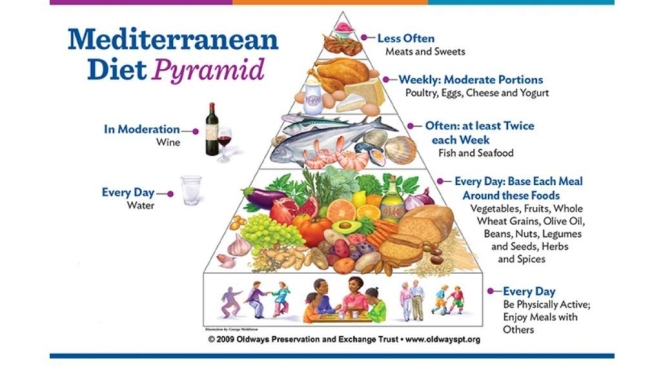
Objective Ageing is accompanied by deterioration of multiple bodily functions and inflammation, which collectively contribute to frailty. We and others have shown that frailty co-varies with alterations in the gut microbiota in a manner accelerated by consumption of a restricted diversity diet. The Mediterranean diet (MedDiet) is associated with health. In the NU-AGE project, we investigated if a 1-year MedDiet intervention could alter the gut microbiota and reduce frailty.

Design We profiled the gut microbiota in 612 non-frail or pre-frail subjects across five European countries (UK, France, Netherlands, Italy and Poland) before and after the administration of a 12-month long MedDiet intervention tailored to elderly subjects (NU-AGE diet).

Results Adherence to the diet was associated with specific microbiome alterations. Taxa enriched by adherence to the diet were positively associated with several markers of lower frailty and improved cognitive function, and negatively associated with inflammatory markers including C-reactive protein and interleukin-17. Analysis of the inferred microbial metabolite profiles indicated that the diet-modulated microbiome change was associated with an increase in short/branch chained fatty acid production and lower production of secondary bile acids, p-cresols, ethanol and carbon dioxide. Microbiome ecosystem network analysis showed that the bacterial taxa that responded positively to the MedDiet intervention occupy keystone interaction positions, whereas frailty-associated taxa are peripheral in the networks.

Conclusion Collectively, our findings support the feasibility of improving the habitual diet to modulate the gut microbiota which in turn has the potential to promote healthier ageing.

Read full study