Tag Archives: CVD

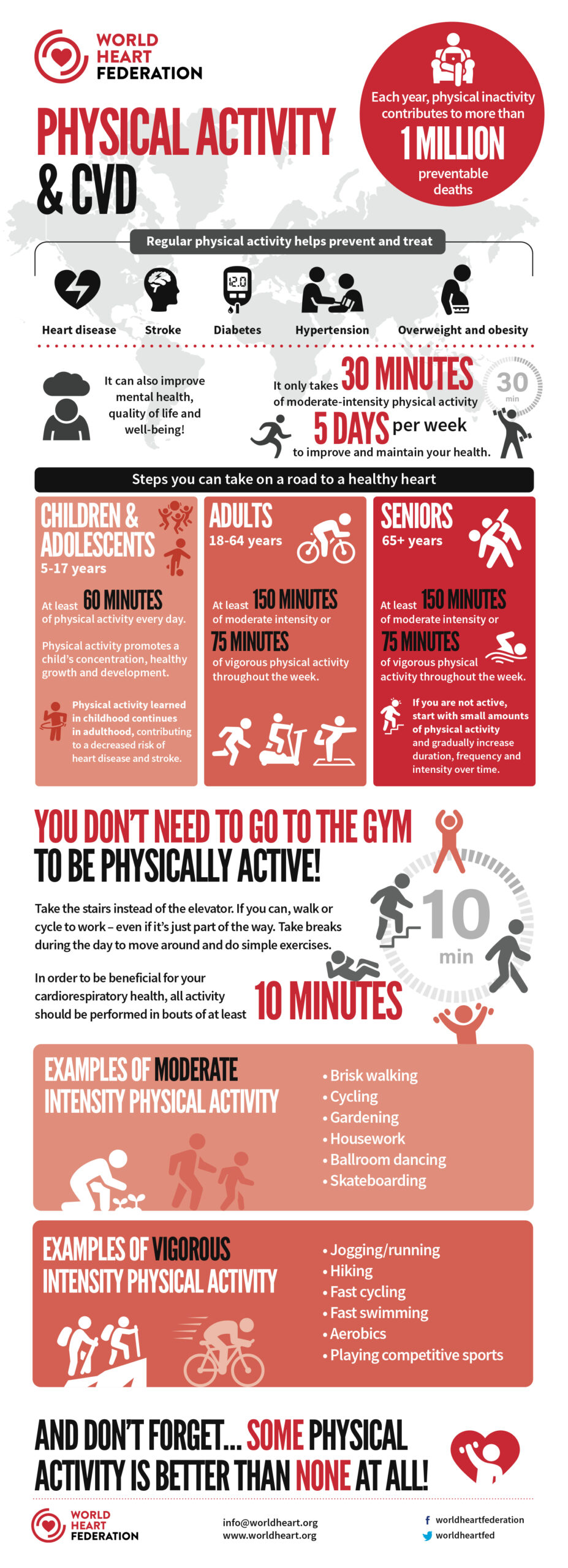
Health: Regular Exercise Prevents Heart Disease

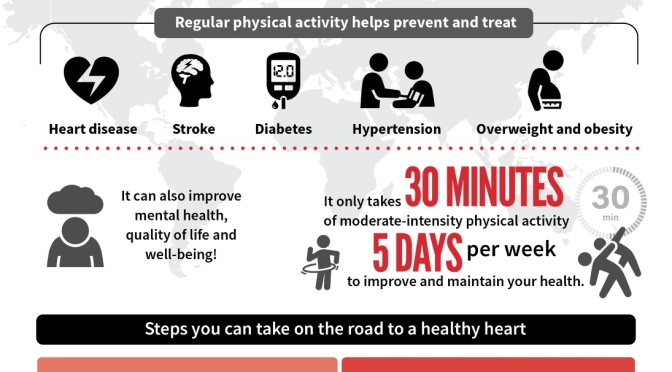
 Frequent exercise is robustly associated with a decrease in cardiovascular mortality as well as the risk of developing cardiovascular disease. Physically active individuals have lower blood pressure, higher insulin sensitivity, and a more favorable plasma lipoprotein profile. Animal models of exercise show that repeated physical activity suppresses atherogenesis and increases the availability of vasodilatory mediators such as nitric oxide.

Exercise has also been found to have beneficial effects on the heart. Acutely, exercise increases cardiac output and blood pressure, but individuals adapted to exercise show lower resting heart rate and cardiac hypertrophy. 

READ MORE

Infographic: Obesity And Cardiovascular Disease

Image

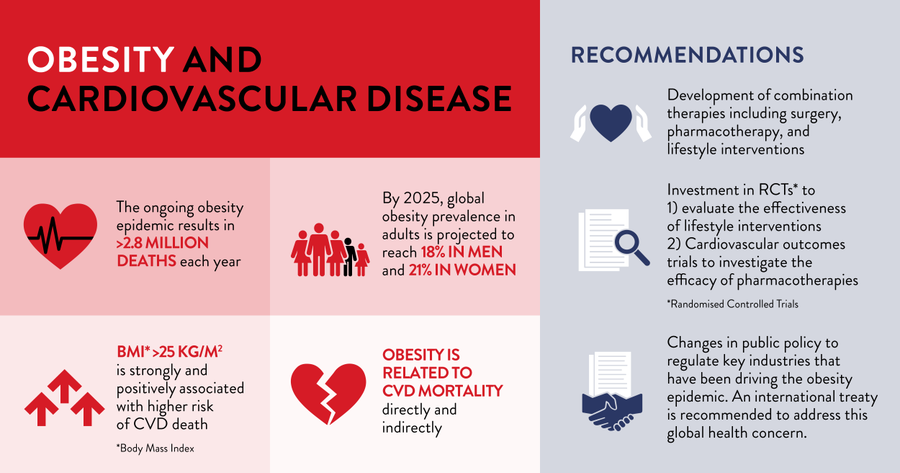
Our new position paper with @worldheartfed summarises the relationship between obesity and cardiovascular disease (#CVD) mortality.

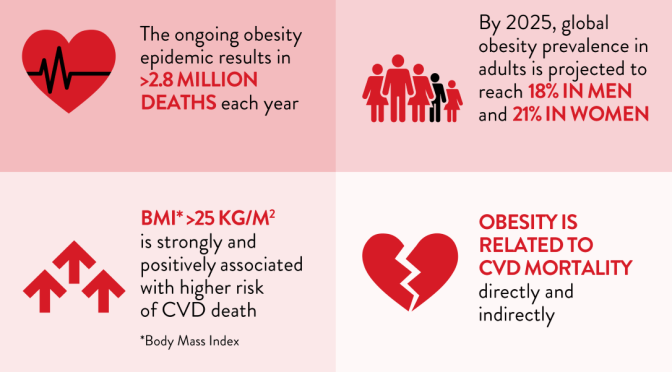
World Obesity Federation (January 2023) – The ongoing obesity epidemic represents a global public health crisis that contributes to poor health outcomes, reduced quality of life, and >2.8 million deaths each year. Obesity is relapsing, progressive, and heterogeneous. It is considered a chronic disease by the World Obesity Federation (WOF) and a chronic condition by the World Heart Federation (WHF).

People living with overweight/obesity are at greater risk for cardiovascular (CV) morbidity and mortality. Increased adiposity (body fat), particularly visceral/abdominal fat, is linked to CV risk and CV disease (CVD) via multiple direct and indirect pathophysiological mechanisms. The development of CVD is driven, in part, by obesity-related metabolic, endocrinologic, immunologic, structural, humoral, haemodynamic, and functional alterations.

Learn more: http://bit.ly/3THvOZa

Medicine: Adequate Sleep & Cardiovascular Health

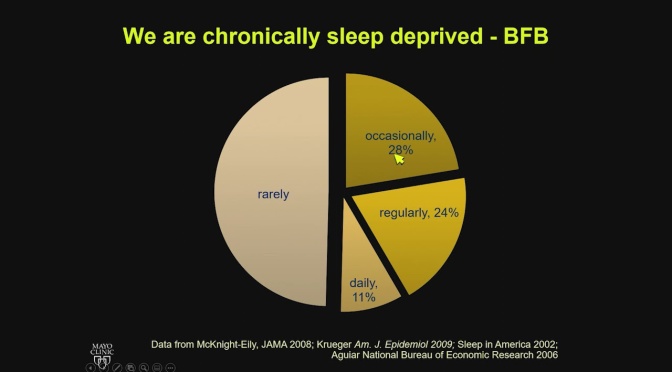
Mayo Clinic Division of Preventive Cardiology will be preparing a series of recordings focusing on Cardiovascular Disease states. This is the Sleep Series and this particular one focuses on what is adequate sleep and does it benefit Cardiovascular Health.

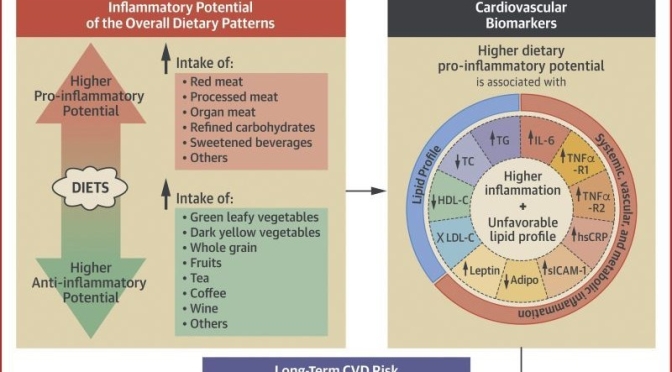
Study: “Anti-Inflamatory” Diet Of Vegetables, Fruits, Coffee & Tea Lowers Heart Disease And Stroke Risks

Dietary patterns with a higher proinflammatory potential were associated with higher CVD risk. Reducing the inflammatory potential of the diet may potentially provide an effective strategy for CVD prevention.

Background

Inflammation plays an important role in cardiovascular disease (CVD) development. Diet modulates inflammation; however, it remains unknown whether dietary patterns with higher inflammatory potential are associated with long-term CVD risk.

Read full study

Health Studies: “Spirulina” Improves Cardiovascular (CVD) Risk Factors, Aids In Weight Loss (BMJ)

From a BMJ Open Heart online study (March 8, 2020):

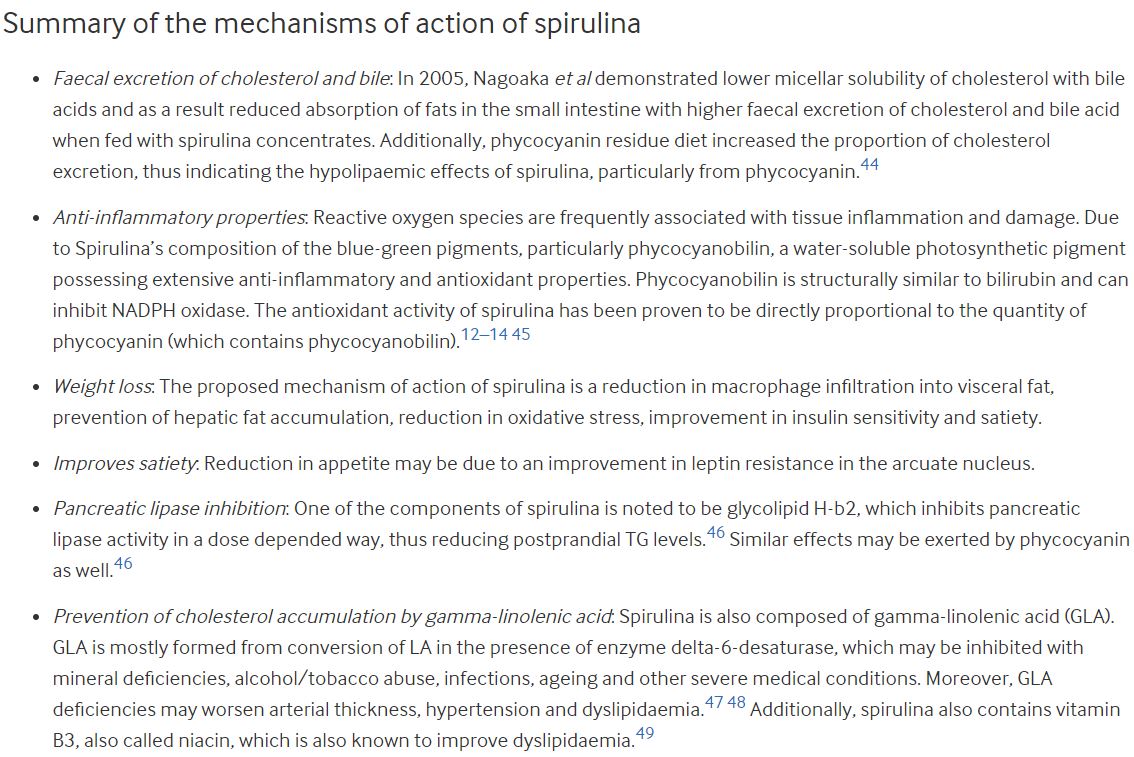
BMJ Open Heart JournalOverall, the evidence in the literature suggests that spirulina improves several well-established CVD risk factors including hyperlipidaemia and seems to provide benefits around weight loss. 

Although caloric restriction and exercise are the mainstay treatments for obesity, spirulina has shown significant benefits in aiding weight loss. The phycocyanin in spirulina contains a light-harvesting chromophore called phycocyanobilin, which is capable of inhibiting nicotinamide adenine dinucleotide phosphate hydrogen (NADPH) oxidase, a significant source of oxidative stress in adipocytes playing a key role in inducing insulin resistance and shifting adipokine and cytokine production in hypertrophied adipocytes. Thus, by suppressing adipocyte oxidative stress, spirulina may lead to systemic anti-inflammatory and insulin-sensitising effects.

BMJ Open Heart Journal Study of Spirulina Health benefits March 2020

Spirulina is both a salt and fresh water blue-green algae, which is being increasingly studied recently. Spirulina was initially classified under the plant kingdom due to its rich plant pigments and its ability to photosynthesize, but was later placed into bacterial kingdom (cyanobacteria) due to its genetic, physiological and biochemical makeup. Spirulina grows naturally in high salt alkaline water reservoirs in subtropical and tropical areas of America, Mexico, Asia and Central Africa.

Read full study

Health Studies: “Habitual” Supplementation Of Fish Oil (Omega-3) Lowers “All Cause Mortality” (BMJ)

From a BMJ Research study (March 4, 2020):

The BMJ podcastHabitual fish oil supplementation is associated with a 13% lower risk of all cause mortality, a 16% lower risk of CVD mortality, and a 7% lower risk of CVD events among the general population

Fish oil is a rich source of long chain omega 3 fatty acids, a group of polyunsaturated fats that primarily include eicosapentaenoic acid and docosahexaenoic acid. Initially, these compounds were recommended for daily omega 3 fatty acid supplementation for the prevention of cardiovascular disease (CVD). Consequently, the use of fish oil supplements is widespread in the United Kingdom and other developed countries.

Omega-3 Fatty Acids Cardiovascular Protection

Several mechanisms could explain the benefits for clinical outcome derived from fish oil supplementation. Firstly, the results of several studies have indicated that supplementation with omega 3 fatty acids has beneficial effects on blood pressure, plasma triglycerides, and heart rate, all of which would exert a protective effect against the development of CVD. Secondly, several trials have shown that omega 3 fatty acids can improve flow mediated arterial dilatation, which is a measure of endothelial function and health. Thirdly, omega 3 fatty acids have been shown to possess antiarrhythmic properties that could be clinically beneficial. Finally, studies have reported that fish oil can reduce thrombosis. Additionally, studies have reported that the anti-inflammatory properties of fish oil could have a preventive role in the pathophysiology of CVD outcomes. Other mechanisms could also be involved to explain the effect of fish oil on CVD outcomes.

Read full study

Heart Health Video: “Beta Blockers” Lower CVD Risks Of Harmful Gut Microbes

Hazen and colleagues find that gut bacteria play a central role in the conversion of dietary proteins into a compound, phenylacetylglutamine ( PAGln), which not only is associated with future cardiovascular disease risk in humans but also promotes platelet responsiveness and blood clotting potentially via adrenergic receptors, according to mouse models.

Read study

Diet Study: “Moderate Egg Consumption” Does Not Increase Cardiovascular Disease Risk (The BMJ)

From a BMJ Research online study (March 4, 2020):

BMJ Open Access logoWe found no association between egg consumption and risk of cardiovascular disease in three large US cohorts. Results from the updated meta-analysis lend further support to the overall lack of an association between moderate egg consumption (up to one egg per day) and cardiovascular disease risk. 

One Large Egg Nutrition factsEggs are a major source of dietary cholesterol, but they are also an affordable source of high quality protein, iron, unsaturated fatty acids, phospholipids, and carotenoids.
Introduction: In the United States, cardiovascular disease is the leading cause of death in men and women. Diet and lifestyle undisputedly play a major part in the development of cardiovascular disease. In the past, limiting dietary cholesterol intake to 300 mg per day was widely recommended to prevent cardiovascular disease. However, because of the weak association between dietary cholesterol and blood cholesterol, and considering that dietary cholesterol is no longer a nutrient of concern for overconsumption, the most recent 2015 dietary guidelines for Americans did not carry forward this recommendation.

Read full study

Study: “Dysfunctional And Variable Sleep” Increases Risks Of Cardiovascular Disease

From a MedPageToday.com online article (March 2, 2020):

Journal of the American College of CardiologyDysfunctional sleep likely is by far the most prevalent comorbidity in CVD. This makes it essential to explore the nature of sleep, but this is reliant on the enthusiasm of clinician scientists,” according to the editorialists.

“In modern society, both the quantity and quality of sleep are negatively influenced by factors such as longer hours of work, more shift work, artificial light and cell phones, all leading to self-reported daytime symptoms such as fatigue, tiredness, and sleepiness,”

A larger range in individual sleep duration and sleep timing across 7 days of wrist actigraphy was associated with significantly more CVD events over a median 4.9 years of follow-up (P=0.002 for both trends).

Read abstract of Study

Read full article