Doctors are delaying procedures and surgeries in order to save resources like hospital beds and ventilators for Covid-19 patients, and prevent the infection from spreading.
Emma Court reports on the difficult choices doctors are forced to make, and the danger that we’re creating another health care crisis.
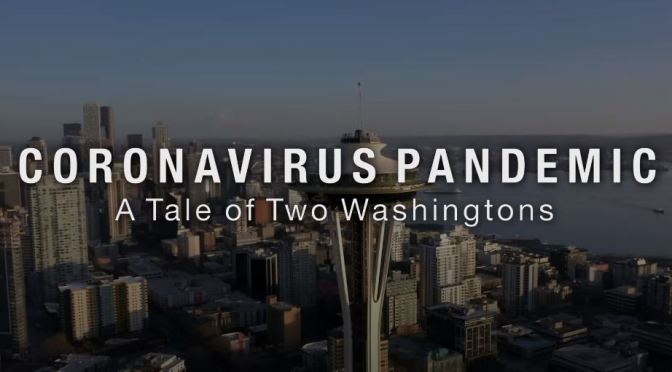
An investigation into the U.S. response to COVID-19, from Washington State to Washington, D.C.
How did the U.S. become the country with the worst known coronavirus outbreak in the world? FRONTLINE and veteran science reporter Miles O’Brien investigate the American response to COVID-19, and examine what happens when politics and science collide.
Donald G. McNeil Jr., a science and health reporter for The New York Times, discusses how the Coronavirus lockdown might end what it would look like.
While the economy is likely to reopen slowly, there is hope that society will adapt to manage the uncertainty of our new circumstances. Here’s what experts say the next year (or more) will look like.
Cardiovascular consults are way down. Is the threat of COVID-19 infection scaring people away from ED’s?
We caught up with Dr. Comilla Sasson, the American Heart Association’s VP for science and innovation. She’s an emergency physician who teaches at the University of Colorado. She’d traveled to New York City to “help with the response,” and she talked with us from a field hospital that had been set up on a tennis court in Central Park.
She had lots to say about what’s driving patients away from emergency departments these days and what’s likely to happen in medicine (hello, telemedicine!) once the pandemic abates.
A selection of three essential articles read aloud from the latest issue of The Economist. This week, is China the pandemic’s big geopolitical winner? (8:30) Saudi Arabia has declared a ceasefire in Yemen, but the Houthis are fighting on. (14:13) And, how Britain’s glossy magazines are adjusting to a gloomy world.
The Rolling Stones perform “You Can’t Always Get What You Want” during One World: Together At Home on April 18.
Global Citizen is a social action platform for a global generation that aims to solve the world’s biggest challenges. On our platform, you can learn about issues, take action on what matters most, and join a community committed to social change. We believe we can end extreme poverty because of the collective actions of Global Citizens across the world.
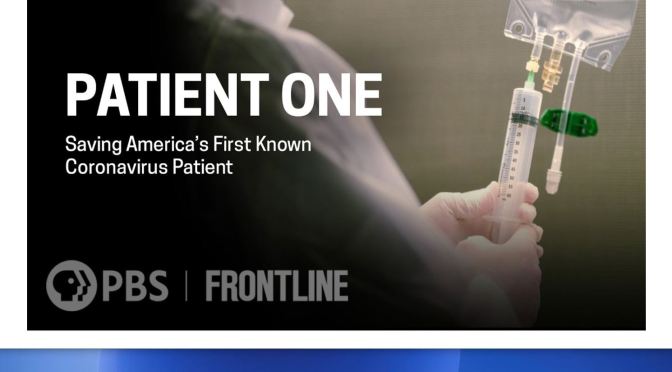
The inside story of how the first confirmed COVID-19 patient in the U.S. was identified and treated in Washington State.
When a man returning from Wuhan, China in January 2020 exhibited symptoms of the novel coronavirus, public health officials in the Seattle area were already on alert.
“We had a game plan in place already,” says Dr. George Diaz, who treated patient one when he was admitted to Providence Regional Medical Center in Everett. Yet in spite of the state’s preparedness, it would soon become clear that the virus’s spread was already ahead of efforts to contain it.
“Patient One: Saving America’s First Known Coronavirus Patient” was drawn from FRONTLINE’s reporting for “Coronavirus Pandemic” – veteran science reporter Miles O’Brien and his team’s investigation of the U.S. response to COVID-19.
“Coronavirus Pandemic” premieres Tues., April 21. Stream it on the PBS Video App starting at 7/6c, or watch it on PBS or YouTube at 9/8c. Check local PBS listings.
Syndicated columnist Mark Shields and New York Times columnist David Brooks join Judy Woodruff to discuss the week’s news, including the Trump administration’s guidance to states about when to reopen amid the pandemic, the ongoing struggle to conduct more COVID-19 tests, Trump’s criticism of Democratic governors and what Sen. Bernie Sanders’ endorsement means for former Vice President Joe Biden.
News, Views and Reviews For The Intellectually Curious


 Doctors are delaying procedures and surgeries in order to save resources like hospital beds and ventilators for Covid-19 patients, and prevent the infection from spreading.

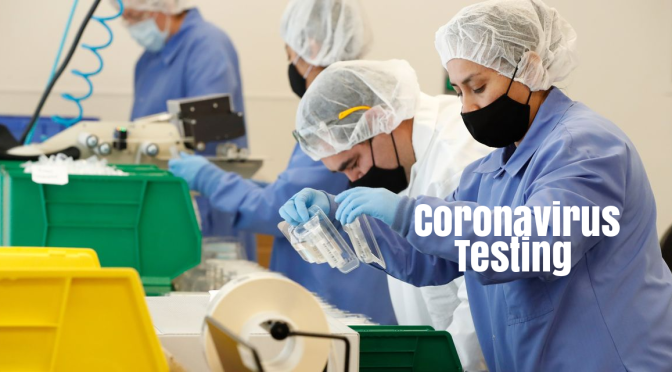
 To reopen the economy safely, experts estimate the U.S. will need to administer millions of tests every month.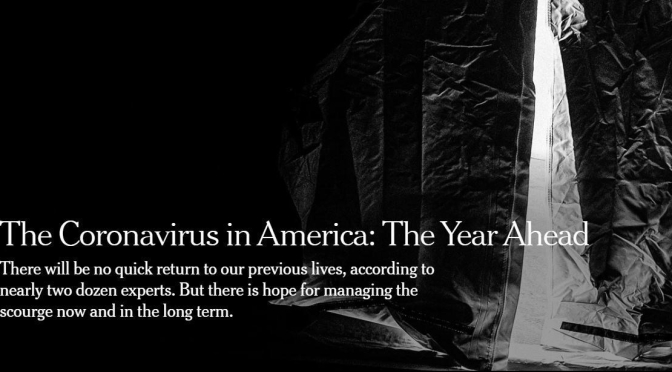
 Donald G. McNeil Jr.
 Cardiovascular consults are way down. Is the threat of COVID-19 infection scaring people away from ED’s?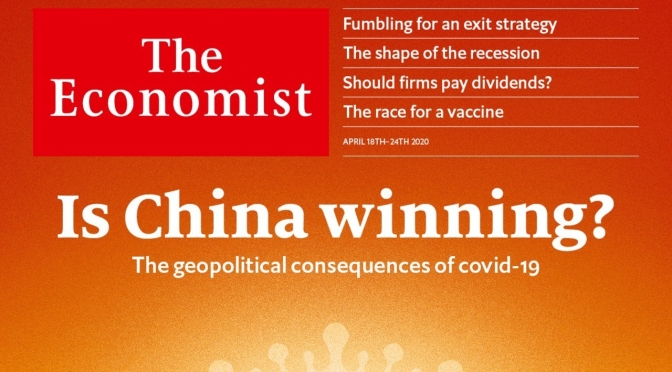
 A selection of three essential articles read aloud from the latest issue of The Economist. This week, is
 When a man returning from Wuhan, China in January 2020 exhibited symptoms of the novel coronavirus, public health officials in the Seattle area were already on alert.
 Boomers Daily