
A selection of three essential articles read aloud from the latest issue of The Economist. This week, how China’s reopening will disrupt the world economy, a realistic path to a better relationship between Britain and the EU (8:54) and reinventing the Indo-Pacific (17:35).
Tag Archives: China
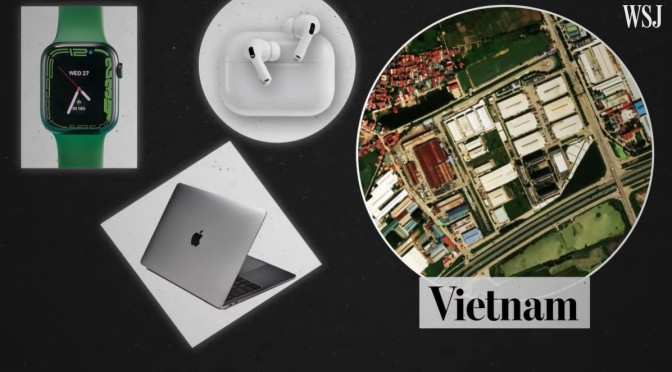
Analysis: Apple’s Supply Chain Shifts From China To India And Vietnam (WSJ)

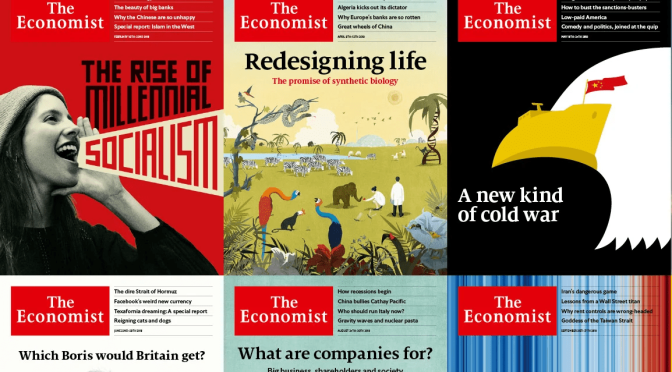
Previews: The Economist Magazine – January 7, 2023
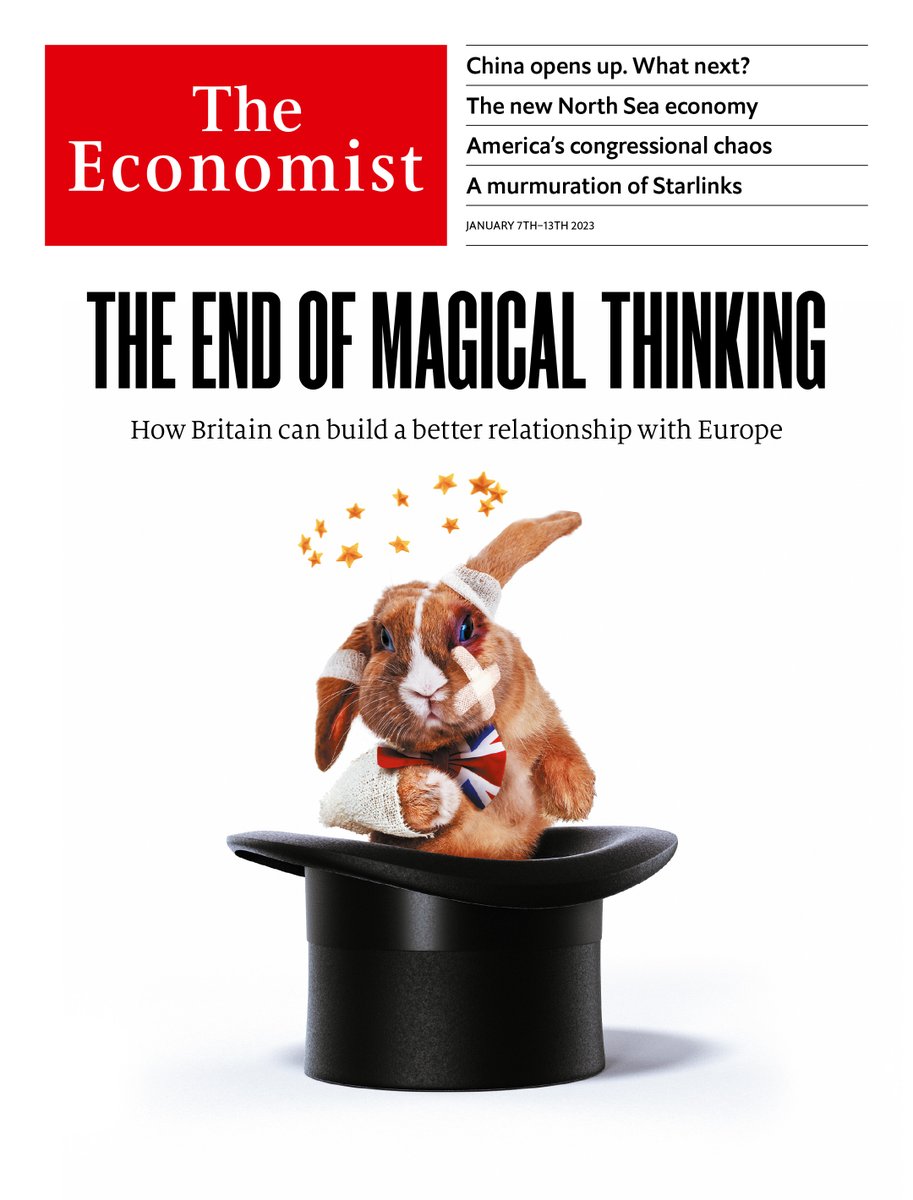

A realistic path to a better relationship between Britain and the EU
The question of Europe has caused a decade of turmoil. Here’s how to use the next ten years better
What the Kevin McCarthy saga means for America’s Congress
Power struggles, public humiliation and a government shutdown may follow

News: Restrictions On China Travelers To EU, India’s Economic Ascent
EU nations consider restrictions on travellers from China as Beijing eyes countermeasures. Plus: How the pandemic and war in Europe have contributed to India’s economic ascent, Burkina Faso expels the French ambassador and Russia’s weaponisation of culture in its war on Ukraine.
News: Russian Missiles Hit Kyiv, China Covid Surge
January 2, 2023 – Latest news headlines from London.
News: Covid Cases Surge As China Reopens, Brazil Inauguration Protests
The latest international news and stories from London.
News: China’s ‘Post Zero-Covid’ Policy, ‘Going Dark’ In Solidarity With Ukraine
The Globalist Podcast (December 21, 2022) – The aftermath of China abandoning its ‘zero-covid’ policy, Ukraine asks world to ‘go dark’ in solidarity on Winter Solstice,
News: Rising Covid Rates Hit China’s Economy, U.S.-Africa, EU-Asean Summit
The latest on China’s economic agenda as loosening coronavirus rules are leading to rising infection rates. Plus: the Biden administration looks to reassert US influence in Africa, first-ever summit between the leaders of EU and Asean member states, and Andrew Mueller with What We Learned.
Preview: The Economist Magazine – Dec 17, 2022

A looming Russian offensive
Ukraine’s chiefs, in an unprecedented series of briefings, tell The Economist about the critical months that lie ahead
What China can still do to avoid an enormous covid death toll
It must treat hospitals as a precious resource and start stockpiling drugs
Why are the rich world’s politicians giving up on economic growth?
Even when they say they want more prosperity, they act as if they don’t
News: The Toll Of Russian Terror Tactics, Sanctions, Iran Protests, China Covid
The EU discusses further sanctions against Russia. Plus: a second person in Iran is executed for their involvement in the protests, the implications for China’s healthcare now that coronavirus restrictions are relaxed and the latest TV news.
 Boomers Daily