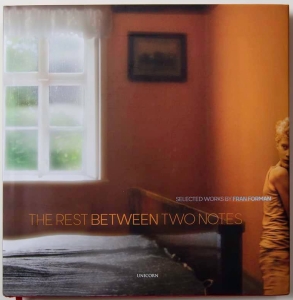
 Forman’s photo-paintings explore those liminal and in-between moments – of coming and leaving, innocence and confidence, shadow and light, night and day, absence and connection, loss and longing, and not quite the past and not yet the future. Portals, both real and metaphorical, frequent her layered, complex and often dreamlike images.
“Each piece tells a thousand layered stories…”
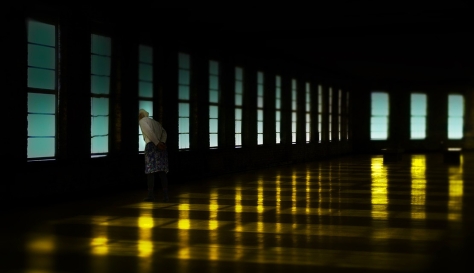
By integrating her contemporary photography with historical periods and various settings around the world, Forman creates a world of illusion. Upon closer inspection, what appears ordinary suggests an underlying tension and an aura of mystery. Expressed in the diffused colors of twilight and chiaroscuro, her images blur the boundaries between photography, late Renaissance painting, and film noir.
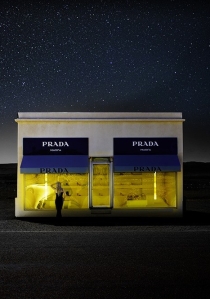 Her work is recognized for imbuing harmonious compositions and for her explosive use of color, light, and shadow.Forman’s images elicit emotions of desire, vulnerability, and a desperate longing for connections.
Included with many of the images are texts submitted by thirty-three writers, poets, visual artists and others. Each person brings a specific specific frame of reference to an image, all reflecting who they are as individuals, and their words appear adjacent to their selected image.
Read more or purchase

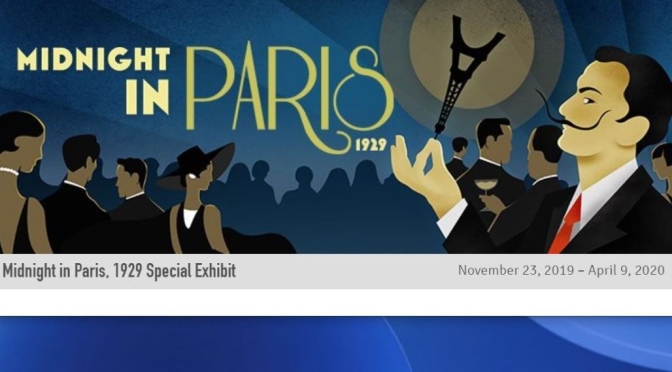
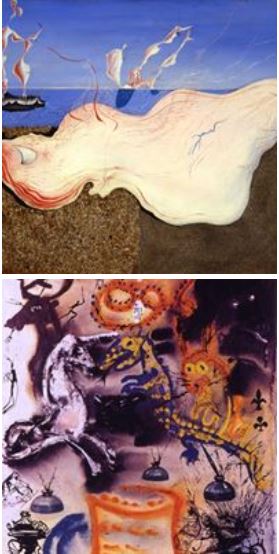 Masson, a founding Surrealist, saw the movement as an immersion “into what the German romantics call the night side of things.” However, “towards 1930,” Masson wrote, “a formidable disaster appeared in its midst: the demagogy of the irrational.” “Midnight in Paris” touches on Surrealism’s highs and lows, its darkness, poetry, beauty and banalities, reminding viewers—at the heart of the Dalí Museum, no less—that the movement is much, much more than melting watches.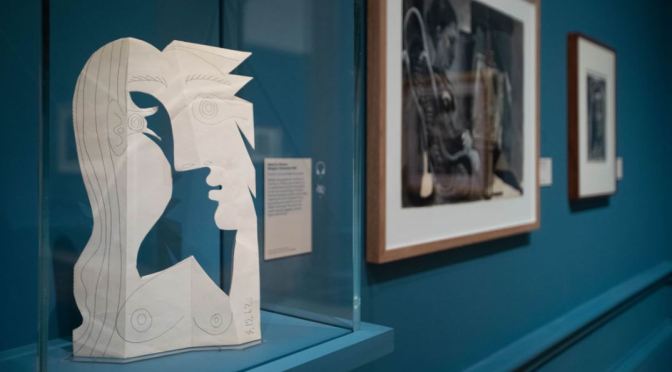

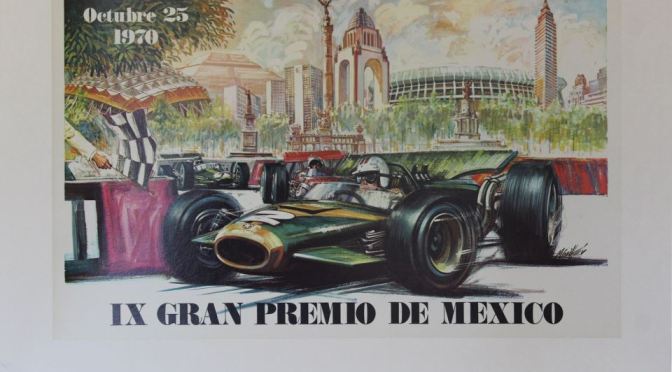
 In motor racing, a win or podium finish is often immortalized with the reward of a trophy but to foster and create the enthusiasm leading up to the race and attract the masses of racing enthusiasts and fans to witness many of the world’s greatest historic motoring races, it was often the beautifully executed imagery that drove people to the tracks.
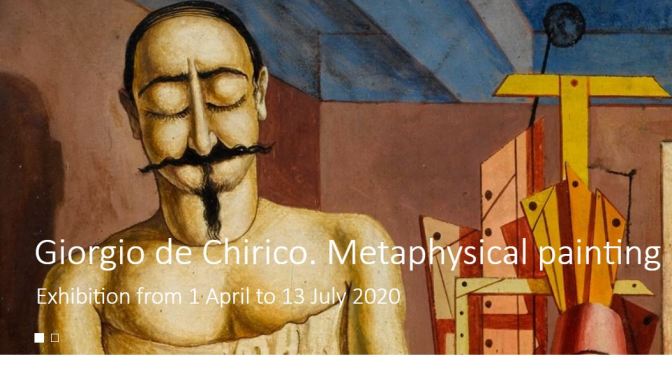
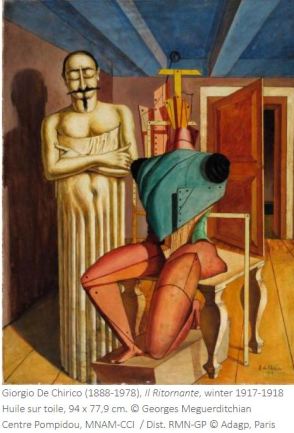 subsequently backed by the art dealer Paul Guillaume – and the Parisian cultural and literary circles will be highlighted as never before.
 The exhibition thus comes into its own at the Musée de l’Orangerie alongside the figure of Paul Guillaume, the first art dealer to work with Giorgio de Chirico. On his return to Italy in 1915, he and his brother Savinio were sent to Ferrare for military reasons, where he continued his artistic research. This period (June 1915-December 1918) provided an opportunity for painters Carlo Carrà and Giorgio Morandi to get to know the two brothers, thus resulting in the creation of what was later to be known as the “metaphysical movement” which brings the exhibition to a close.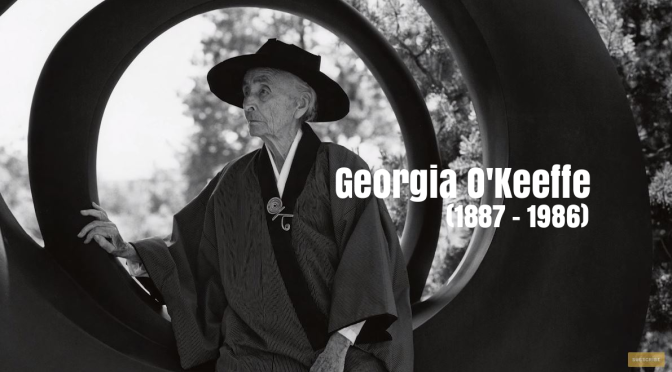
 In the final years of Georgia O’Keeffe’s nearly century-long life, she employed and befriended the young sculptor Juan Hamilton. The two would become inseparable, and upon her death in 1986, Hamilton inherited fine art and personal affects from the artist’s estate, including rarely seen pieces from the estate of O’Keeffe’s late husband, Joseph Stieglitz.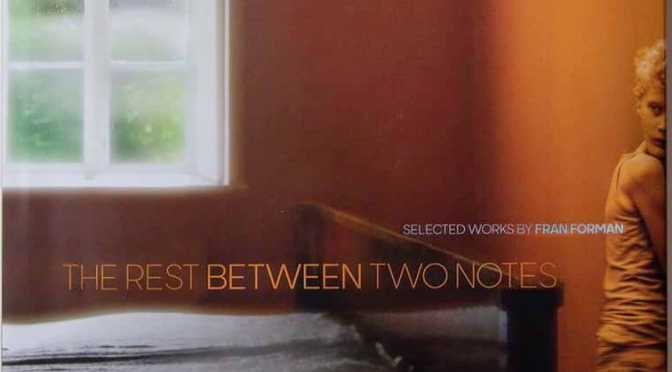

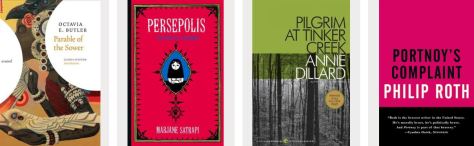
 The New York Public Library is marking its 125th birthday this year—in part with this list of their favorite books written for adults from the past 125 years, which they hope will “inspire a lifelong love of reading.”

 Boomers Daily