

From the New York Times (March 26, 2020):
I have seen Naples from his vantage of a ship anchored offshore — one of the most sublime locations in the world, that sweep of coast stacked with apricot, carmine, azure and rose villas; the blue, blue U of the harbor; the emphatic Vesuvius anchoring the view.
In October of 1820, typhus raged in Naples. With his artist friend, Joseph Severn, the British poet John Keats rocked in the city’s harbor for 10 days, not nearly the quaranta giorni — 40 days — that give us our word quarantine.
Before this journey, Keats always felt intense melancholy. In “On Seeing the Elgin Marbles for the First Time,” he wrote “… mortality / Weighs heavily on me like unwilling sleep.” (And in the smooth pentameter of “Ode to a Nightingale”: “I have been half in love with easeful death.”) Not a holiday, this voyage out of England was a desperate trip to the sunny climate of Italy. His cough had grown steadily worse. Since the morning he’d seen a splotch of blood on his pillow, he knew he had little chance of surviving the consumption that had invaded his lungs. His last-ditch: Go to Rome. Meanwhile, exile at sea.


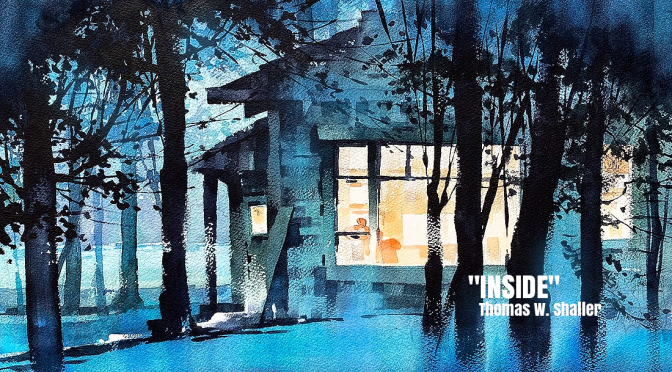





 The International Photography Hall of Fame and Museum mourns the passing of its first Lifetime Achievement Award Winner and 2017 inductee Kenny Rogers. Rogers was a dedicated and talented photographer for nearly four decades. His best-known images are portraits of well-known singers, actors, and dignitaries from around the globe.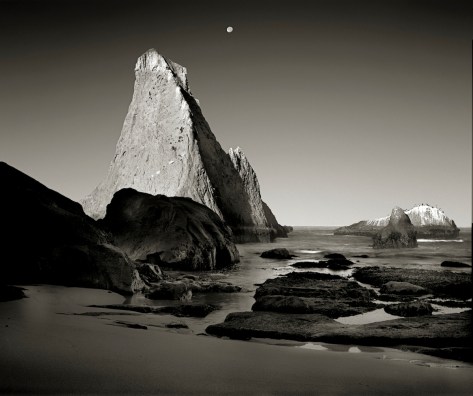





 There is a sadness as I witness the loss of our last wild places. My paintings are an attempt to keep alive those places and offer my audience a sanctuary in which to reflect.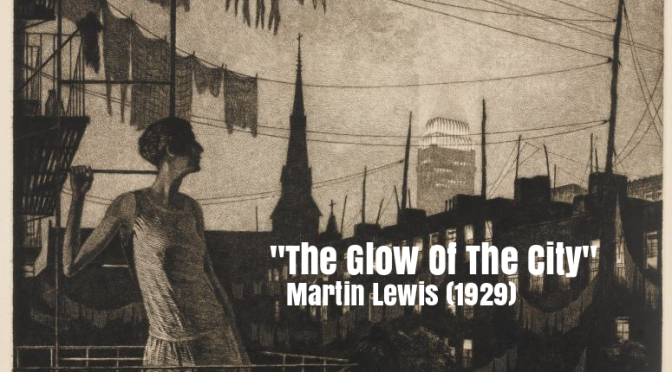
 Boomers Daily