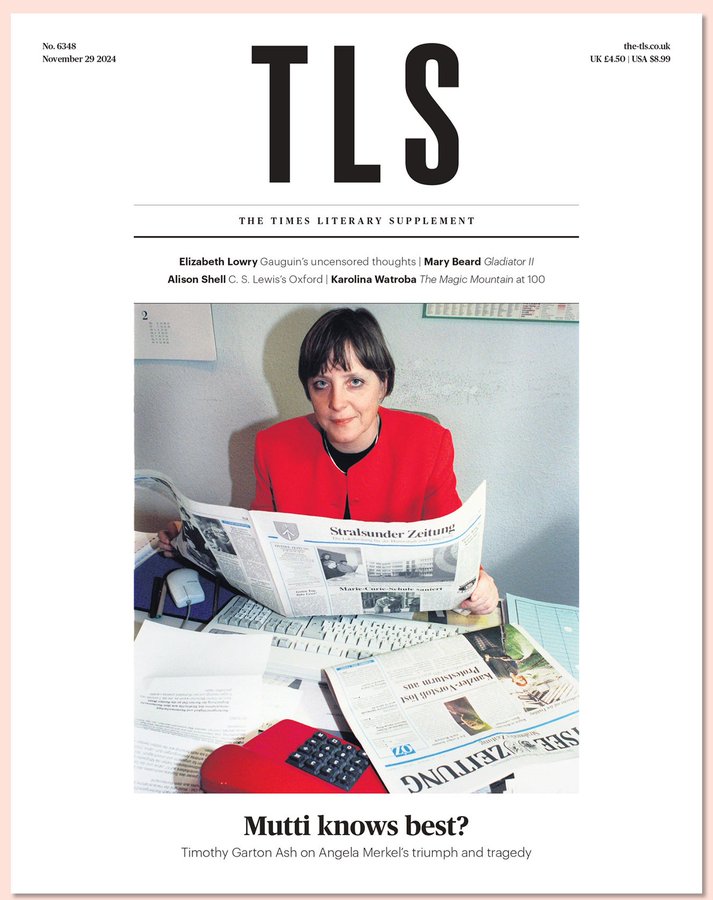

Times Literary Supplement (November 27, 2024): The latest issue features ‘Mutti Knows Best?’ – Angela Merkel’s triumph and tragedy; Gaughin’s uncensored thoughts; Gladiator II; C.S. Lewis’s Oxford and “The Magic Mountain” at 100…
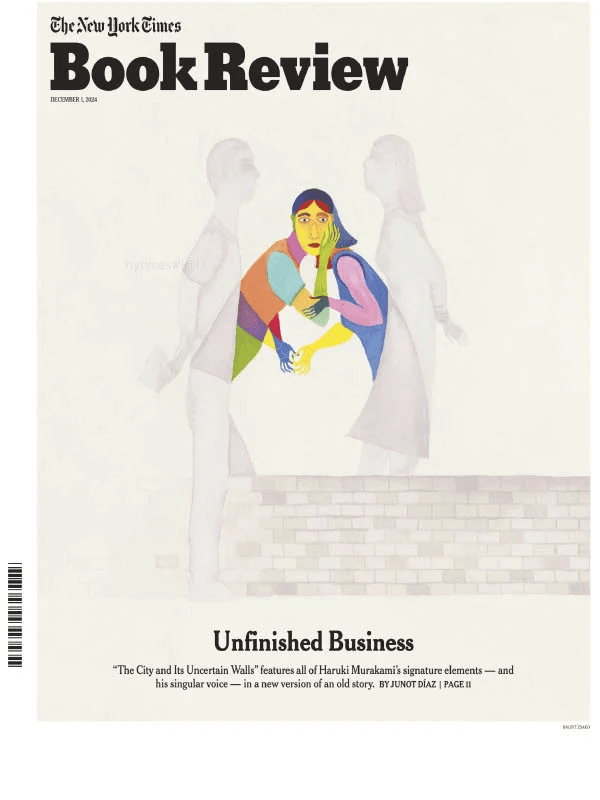
The Fundamental Problem with R.F.K., Jr.,’s Nomination to H.H.S.
Kennedy has many bad ideas. Yet the irony of our political moment is that his more reasonable positions are the ones that could sink his candidacy. By Dhruv Khullar
How Old Age Was Reborn
“The Golden Girls” reframed senior life as being about socializing and sex. But did the cultural narrative of advanced age as continued youth twist the dial too far? By Daniel Immerwahr
How to Make Fuel (or Booze) from Thin Air
Air Company, a startup that has used water and carbon dioxide to make vodka and to power automobiles, taste-tests its product and discusses getting Elon Musk’s business. By Adam Iscoe
MIT Technology Review (Novemer 24, 2024): This week’s round up includes Google DeepMind has a new way to look inside an AI’s “mind”. Inside Clear’s ambitions to manage your identity beyond the airport. Who’s to blame for climate change? And more.
How this grassroots effort could make AI voices more diverse A massive volunteer-led effort to collect training data in more languages, from people of more ages and genders, could help make the next generation of voice AI more inclusive and less exploitative.
The rise of Bluesky, and the splintering of social You may have read that it was a big week for Bluesky. If you’re not familiar, Bluesky is, essentially, a Twitter clone that publishes short-form status updates.
NEW HUMANIST MAGAZINE – WINTER 2024/2025 ISSUE: The new issue features ‘Our Cyborg Future?’
The new age of the cyborg?
Neurobiologist and journalist Moheb Costandi explores the rapidly-developing world of brain-computer interfaces. For some people, these devices are already transforming lives – but the technology is quickly overtaking the ethics.
A dangerous calculation
Peter Ward unpicks the dark philosophy of the tech billionaires and how it is infiltrating some of our most powerful organisations.
There’s a product for that
A recent film, The Substance, explored the growing pressure on all of us – particularly women – to modify our bodies, not only through make-up and cosmetic procedures but also through digital filters. Clare Chambers, professor of political philosophy at the University of Cambridge, talks to us about the power of resistance and allowing our bodies to be “good enough”.
New life in the veins
Peter Salmon recounts the bizarre history of blood transfusion – and why the super-rich remain fascinated by its possibilities.
The Economist (November 21, 2024): AI is driving a transformation across all fields of science, from developing drugs for incurable diseases and improving the understanding of animal communication to self-driving labs.
Video timeline: 00:00 – How AI is revolutionising science 02:53 – Drug discovery 04:31 – AlphaFold 05:30 – Adoption of AI in science 07:08 – Animal communication 09:26 – Scientific fraud 11:03 – Self-driving labs 14:36 – Future of AI in science
Could this prompt a new golden age of discovery? Video supported by @mishcon_de_reya
Existentialist crises might more commonly be associated with some who seek out religion, rather than with those religions themselves, but that’s where the Church of England has found itself in recent days.
The resignation of Justin Welby, the archbishop of Canterbury, followed a damning report into the church’s shameful failures over the serial child abuser John Smyth, which detailed even more disturbing details of cover-ups by some senior clergy.
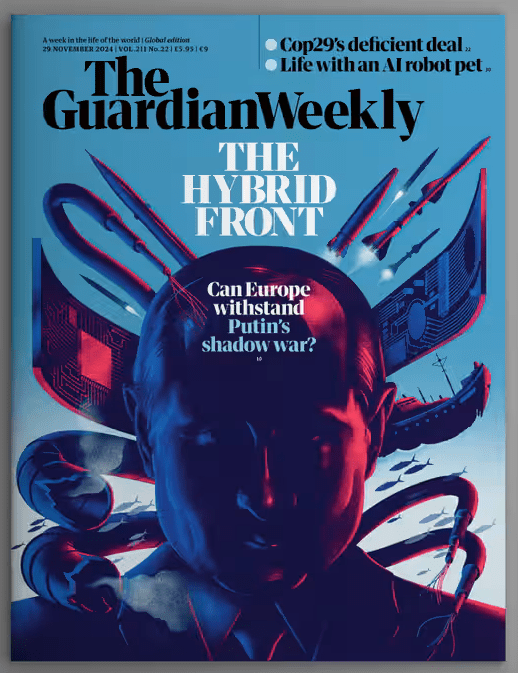
1
Spotlight | Trump’s shock-and-awe team A flurry of controversial and extremist picks for Trump’s administration has provoked criticism and made heads spin. David Smith reports from Washington
2
Science | The inverse link between cancer and dementia Scientists have long been aware of a curious connection between these common and feared diseases. At last, a clearer picture is emerging, writes Theres Lüthi
3
Feature | Kernels of hope During the siege of Leningrad, botanists in charge of an irreplaceable seed collection, the first of its kind, had to protect it from fire, rodents – and hunger. By Simon Parkin
4
Opinion | Seven lessons from a long-serving economics editor From Thatcher to Trump and Brexit, the Guardian’s outgoing economics editor, Larry Elliott, reflects on his 28 years in the role.
5
Culture | Faking history Film and TV have a slippery relationship with the truth when it comes to historical epics. Simon Usborne meets the experts whose advice goes unheeded
News, Views and Reviews For The Intellectually Curious