Sotheby’s (April 11, 2023) – This collection was put together by a couple of passionate collectors who favored avant-garde works from the 1930s and 1940s, thus creating an extremely harmonious whole that perfectly reflects the taste of an era and the artistic revolutions that went through it.
The works have remained preserved in a Parisian apartment for almost sixty years, and their appearance on the market constitutes an unprecedented opportunity for collectors today”. Says Aurélie Vandevoorde, Director of the Impressionist and Modern Art Department.
Unveiling an unprecedented group of 12 works by some of the greatest masters of the 20th century, which include artists such as Pablo Picasso, Fernand Léger, Nicolas de Staël & Georges Braque, “Le Souffle Moderne” Collections presents an exceptional ensemble embodying the artistic avant-gardes of the 1930s and 1940s.
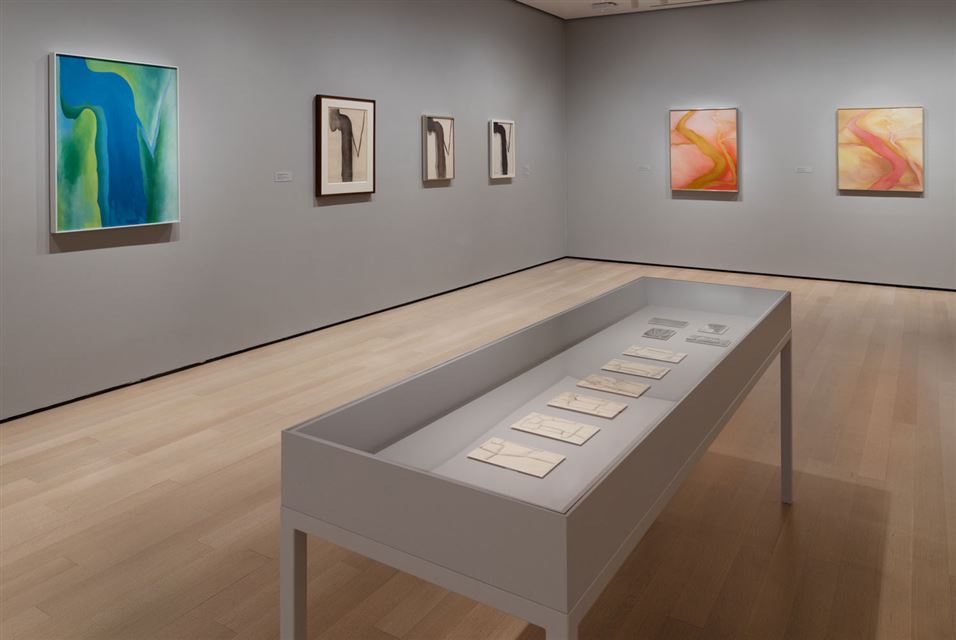
The Museum of Modern Art (April 10, 2023) – “To see takes time,” Georgia O’Keeffe once wrote. Best known for her flower paintings, O’Keeffe (1887-1986) also made extraordinary series of works in charcoal, pencil, watercolor, and pastel.
Reuniting works on paper that are often seen individually, along with key paintings, this exhibition offers a rare glimpse of the artist’s working methods and invites us to take time to look.
Installation view of Georgia O’Keeffe: To See Takes Time, on view at The Museum of Modern Art, New York from April 9 through August 12, 2023. Photo by Jonathan Dorado.
Over her long career, O’Keeffe revisited and reworked the same subjects, developing, repeating, and transforming motifs that lie between observation and abstraction. Between 1915 and 1918, a breakthrough period of experimentation, she made as many works on paper as she would during the next four decades, producing progressions of bold lines, organic landscapes, and frank nudes, as well as the radically abstract charcoals she called “specials.”
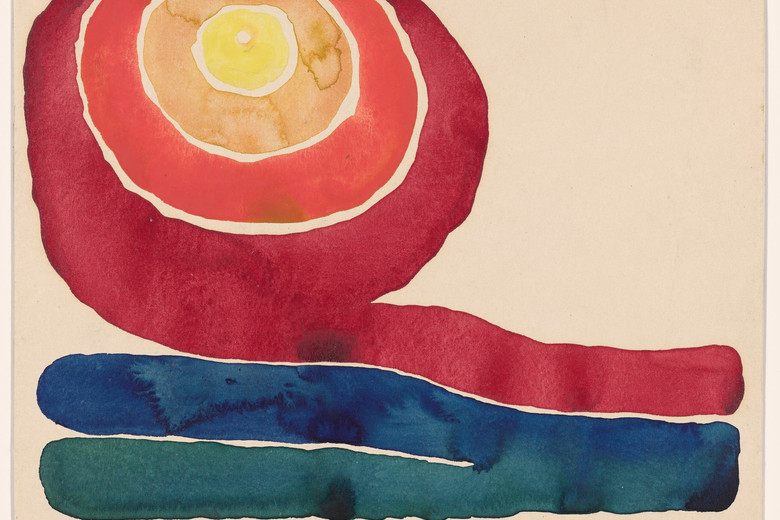
Even as she turned increasingly to painting, important series—including flowers in the 1930s, portraits in the ’40s, and aerial views in the ’50s—reaffirmed her commitment to working on paper. Drawing in this way enabled O’Keeffe to capture not only nature’s forms but its rhythms: tracing the sun’s spiraling descent in vividly hued pigment, or committing to velvety black the shifting perspective as seen from an airplane window.
Discover the important role working on paper played in Georgia O’Keeffe’s life and career.
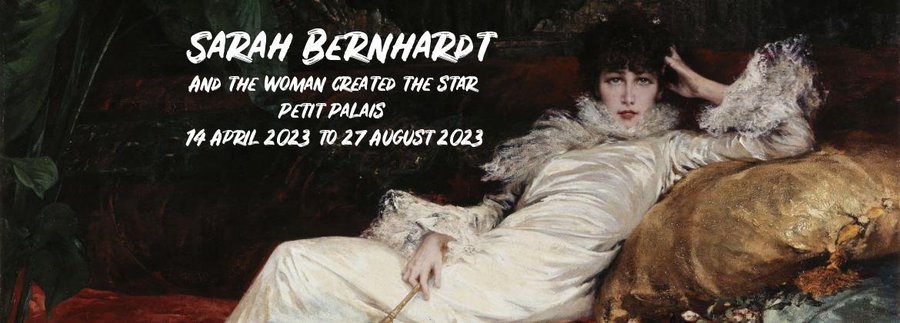
Sarah Bernhardt, (1844-1923), was an emblematic figure who spanned the 19th and 20th centuries. The “Divine Sarah”, who was an artist as well as an actress, takes center stage at the Petit Palais in an exceptional exhibition to mark the centenary of her death.
The museum holds important collections of works linked to the actress, including the spectacular portrait of her that was painted in 1876 by her friend Georges Clairin and donated by her son Maurice.
With over four hundred works, the exhibition traces the life and theatrical career of this “sacred monster”, as Jean Cocteau dubbed her. A legendary performer of the greatest roles from Racine, Shakespeare, Edmond Rostand and Alexandre Dumas fils, among others, Sarah Bernhardt went from triumph to triumph in theaters all over the world.
The exhibition evokes her greatest roles through the costumes she wore on stage, photographs, paintings, posters and other memorabilia. Her “golden voice” and her tall, slender figure – unusual in those days – held the public in thrall, as well as the artistic and literary world, who simply venerated her. She was the friend of painters such as Gustave Doré, Georges Clairin, Louise Abbéma, and Alphonse Mucha, but also of writers like Victor Hugo, Victorien Sardou and Sacha Guitry, as well as musicians and composers like Reynaldo Hahn. She was an artist herself, and an entire section of the exhibition focuses on this lesser-known aspect of her life.
Fort Wayne Museum of Art (April 6, 2023) – Curators take you on a new gallery tour each month, offering unique perspectives on all FWMoA exhibits. For April 2023, we explore the exhibit Art Deco Glass from the David Huchthausen Collection, on view from April 1 – August 6, 2023.
The Art Deco period (c. 1910-1940), with its focus on simplified forms and captivating repeating surface treatments, was revolutionary. Inspired by other burgeoning modern art movements of the time including Cubism and Fauvism, the philosophy behind this style aimed to introduce high quality design to a broader market.
The lasting influence of this period can still be seen in today’s Studio Glass movement in style and technique. For many decades, glass artist and collector David Huchthausen has collected with a keen and practiced eye. The quality and depth of his collection would be difficult, if not impossible, to replicate. His collecting history begins with the first pieces acquired while working as a graduate assistant to Harvey Littleton and continues today.
The FWMoA is proud to display his remarkable collection of over 120 Art Deco glass works, which includes many major studios and artists of the period (René Lalique, Steuben Glass Works, Daum Nancy, and Pierre D’Avesn) concurrent with our permanent collection of contemporary glass. This exhibition is organized by the Museum of Glass in Tacoma, WA.
April 6, 2023: This week: Ben Luke talks to Melanie Gerlis about the recent turbulence in the banking sector, as US banks go under, an ailing Credit Suisse is acquired by UBS and Deutsche Bank shares fall at one point by 14%.
What are the implications for the art world? Melanie also explains the figures in the latest Art Basel and UBS Global Art Market Report. The Baltimore Museum of Art in the US this week opens the exhibition The Culture: Hip Hop & Contemporary Art in the 21st Century.
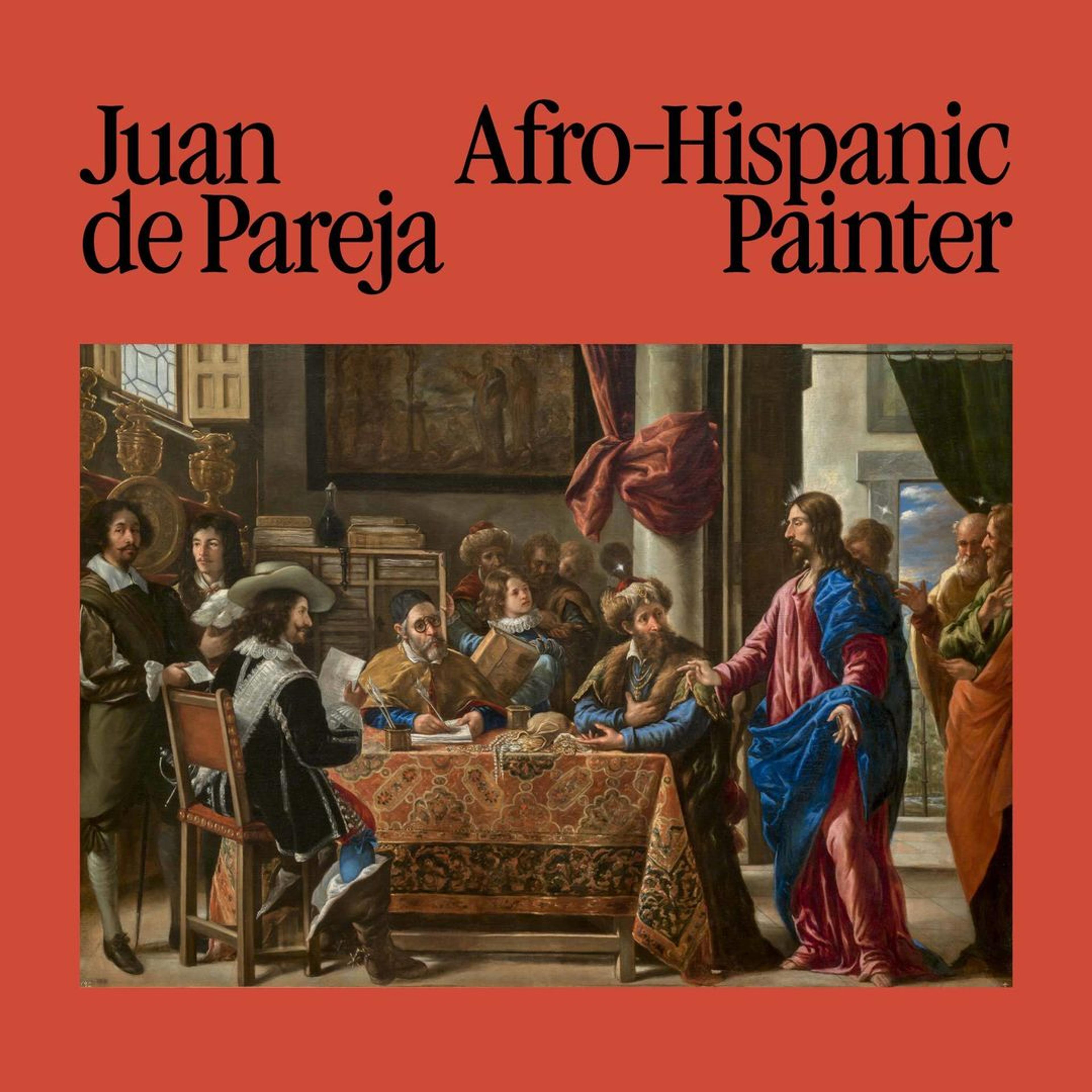
We speak to Asma Naeem, the director of the BMA and co-curator of the show, about what she’s called “the second pop art movement”. And this episode’s Work of the Week is The Calling of Saint Matthew by the 17th-century Afro-Hispanic artist Juan de Pareja. He is best known as the subject of one of the greatest ever portraits, by Diego Velázquez, the artist who enslaved Pareja for two decades before his manumission in Rome in 1650.
David Pullins and Vanessa K. Valdés, the curators of a new exhibition about Juan de Pareja at the Metropolitan Museum of Art in New York, tell us about the painting.The Culture: Hip Hop and Contemporary Art in the 21st Century, Baltimore Museum of Art, until 16 July; St Louis Art Museum, 26 August-1 January 2024.Juan de Pareja, Afro-Hispanic Painter, Metropolitan Museum of Art, New York, until 16 July.
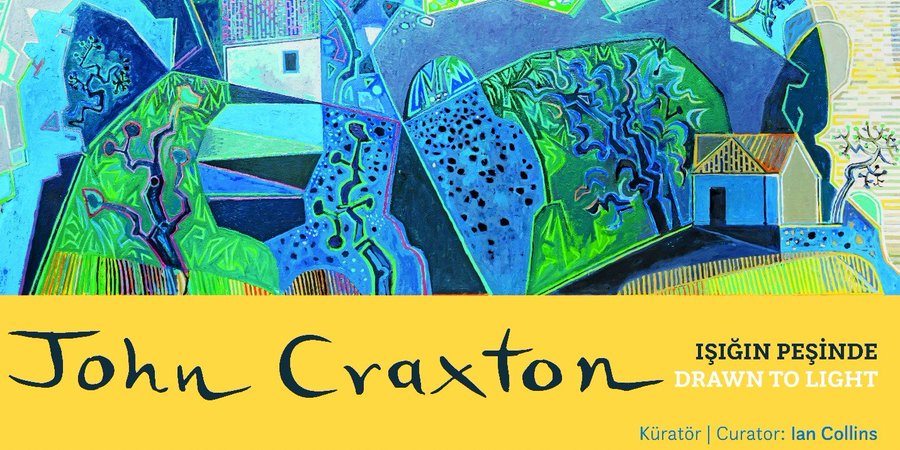
Meşher, Istanbul’s leading multidisciplinary art space, is to celebrate the life and work of the painter and designer John Craxton (1922–2009). The late British artist’s first solo exhibition in Türkiye will run April 5–July 23, 2023.
Meşher will have the honour of exhibiting the biggest and the most comprehensive display of Craxton’s artworks ever to be showcased. John Craxton: Drawn to Light, curated by Ian Collins, friend and the biographer of the artist, brings together a diverse selection of works spanning the artist’s long career.
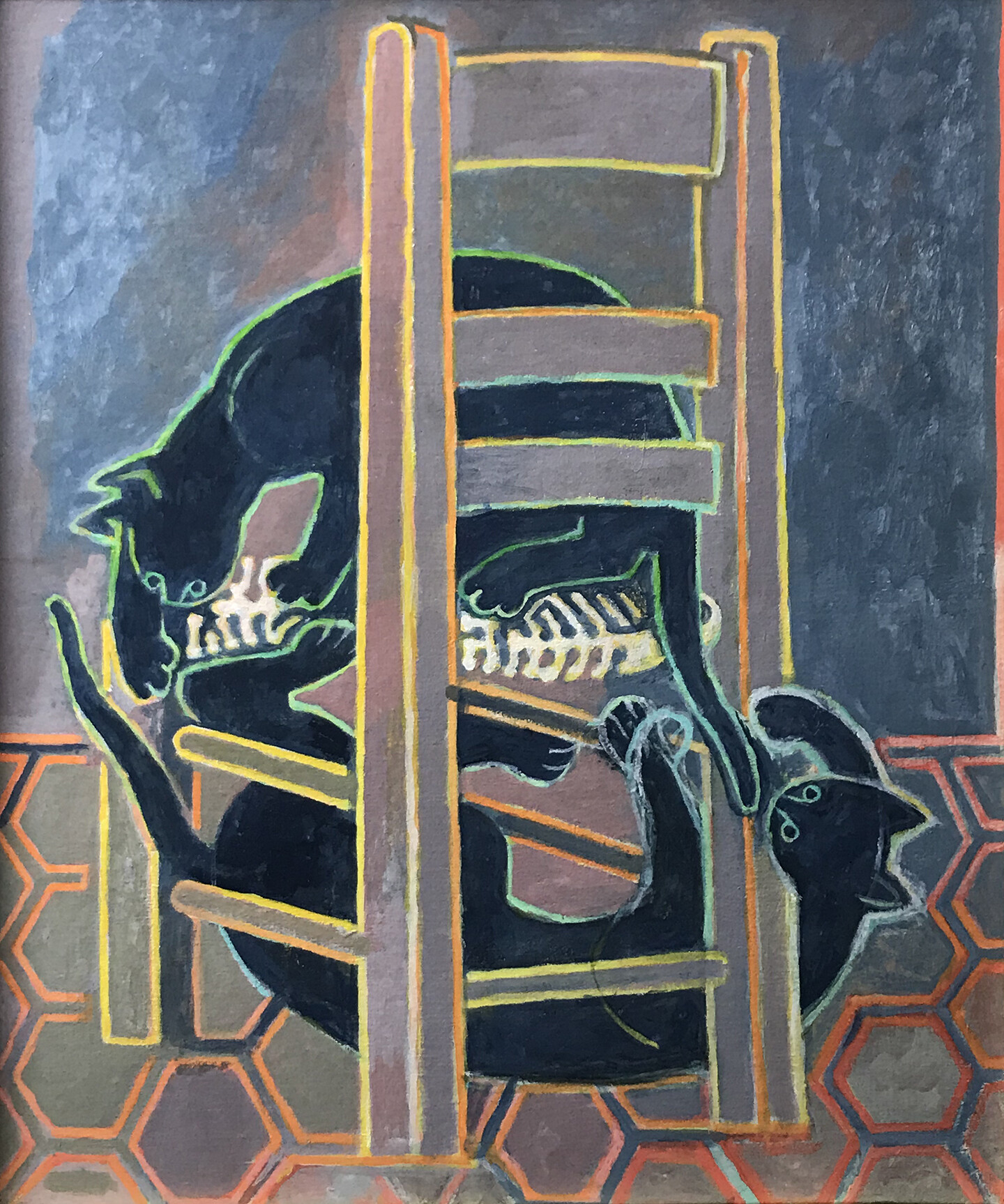
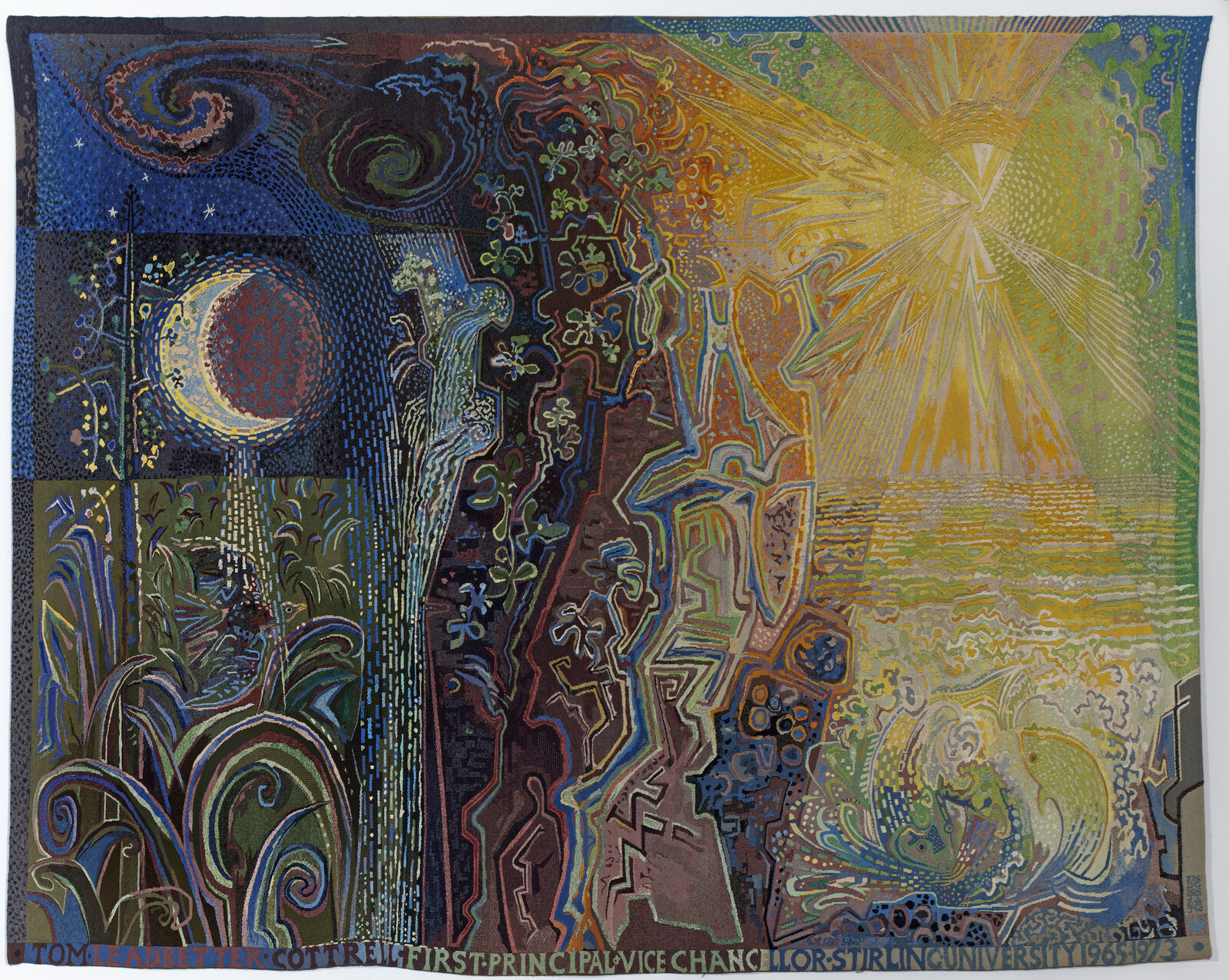
Featuring nearly 200 works, the exhibition offers a wide-ranging presentation of Craxton’s artworks including a monumental tapestry, paintings, drawings, prints, book designs and personal effects. The exhibition charts a joyful creative life moving from war-time darkness into light and from monochrome to brilliant colour. The window display features an example of the vintage motorbikes the artist loved to ride.
In addition to loaned works, Meşher’s John Craxton: Drawn to Light exhibition features 44 artworks from the Ömer Koç Collection, whose holding of Craxton works is second only to the John Craxton Estate. Photographs by the American photographer Robert McCabe and the London-born painter Nicholas Moore also enrich the John Craxton: Drawn to Light exhibition. First travelling to Aegean in 1954, McCabe’s photography focuses on its landscape and people, providing a close parallel with the art of John Craxton. Nicholas Moore’s photographs show scenes from his 1985 trip to Istanbul with John Craxton. A frequent visitor and an admirer of Istanbul, Craxton’s revelatory exhibition invites art lovers to explore his art and life in the lands he loved best.
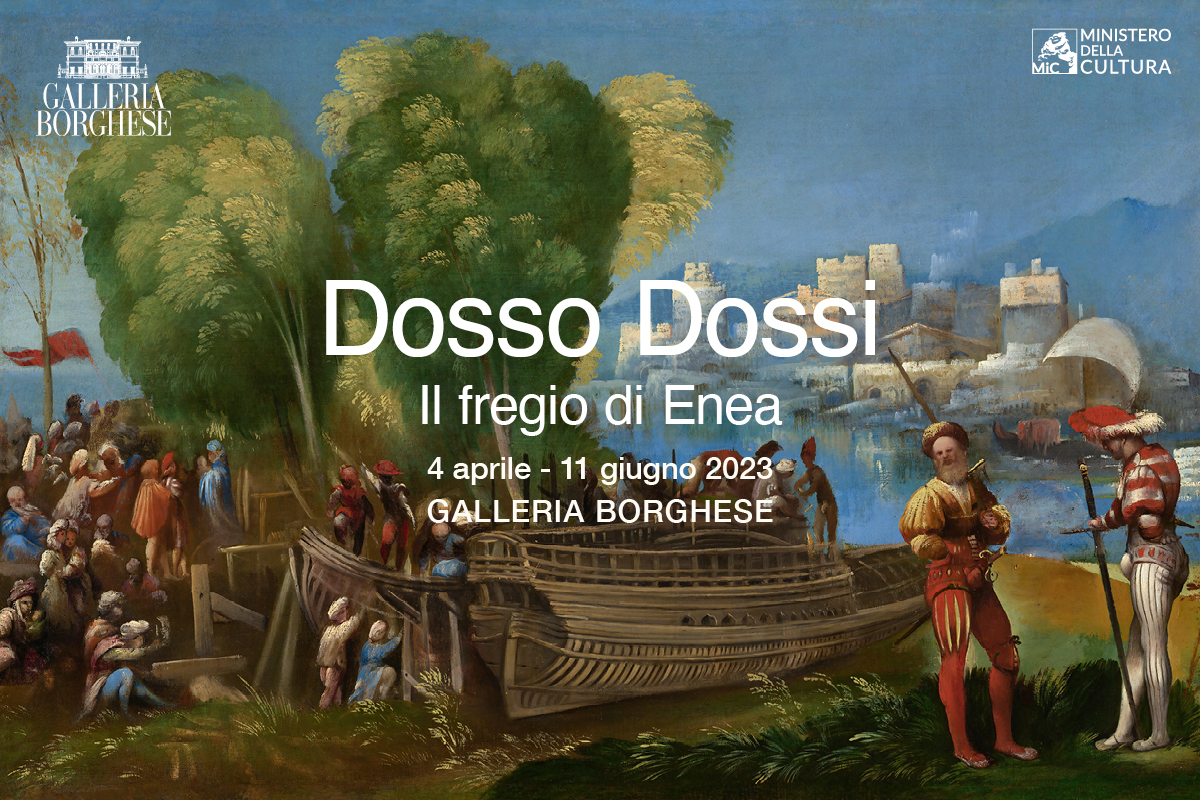
Galleria Borghese – From April 4 to June 11, 2023, the Galleria Borghese brings to fruition its research on landscape painting and the relationship between Art and Nature with Dosso Dossi. The Aeneas Frieze, a never-before-seen exhibition – the first dedicated to the great Ferrarese master’s pictorial cycle-curated by Marina Minozzi.
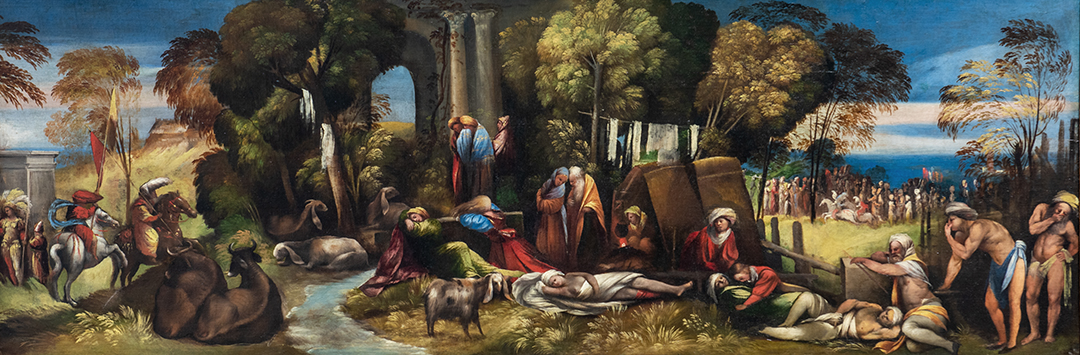
Dosso Dossi (Giovanni di Nicolò Luteri, Tramuschio ?, c. 1487 – Ferrara, 1542) – The Cretan Plague c. 1520-1521
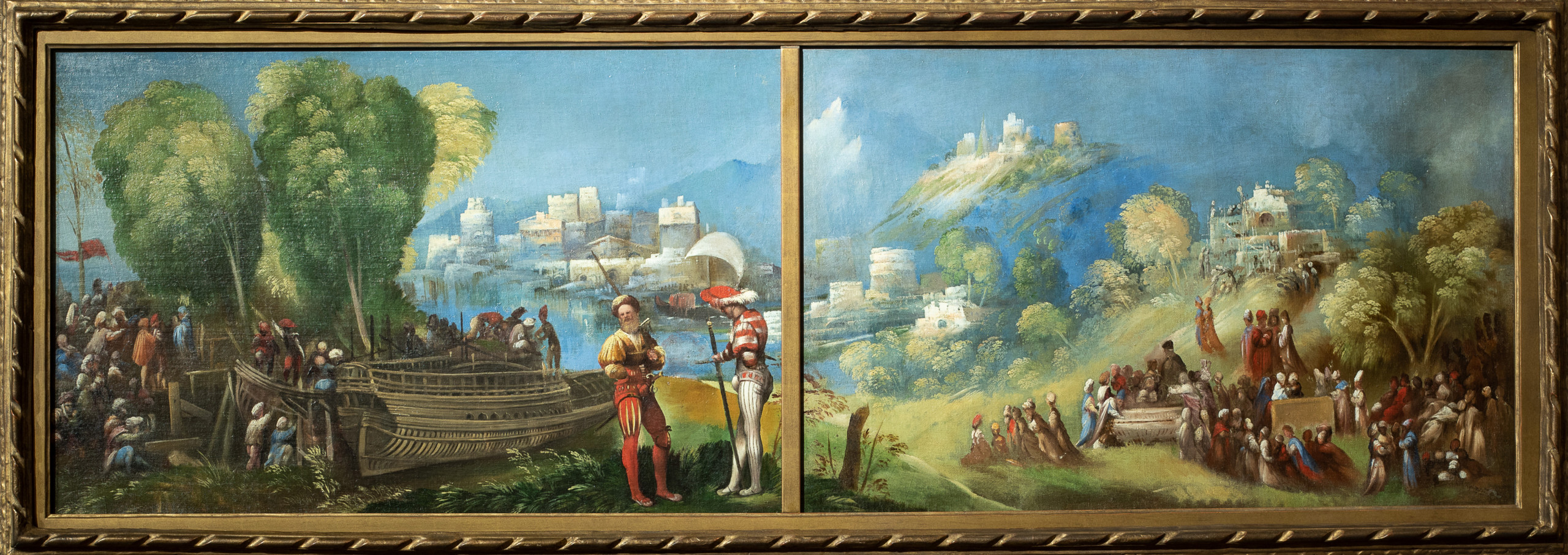
For the first time, five of the ten canvases that made up the frieze created by Dosso Dossi between 1518 and 1520 for the Camerino d’Alabastro of Duke Alfonso I d’Este in Ferrara are being brought together in a single location. The operation, also prompted by enthusiasm for the recent reappearance of some of these paintings, is the result of an ambitious collaboration with the Louvre Abu Dhabi, the National Gallery of Art in Washington, D.C., and the Museo del Prado in Madrid.
Dosso Dossi (Giovanni di Nicolò Luteri, Tramuschio ?, c. 1487 – Ferrara, 1542) The Repair of the Trojan Ships; the Building of the Temple to Venus at Eryx and the Offerings at Anchises’s Grave c. 1518-1519
The Frieze, of which only seven canvases have been found to date, was made by Dosso Dossi drawing inspiration from specific episodes of the Virgilian poem taken from the first, third, fifth and sixth books, leaving out, however, the part devoted to the hero’s love story with Dido, that of the wars in Italy and the founding of Rome.
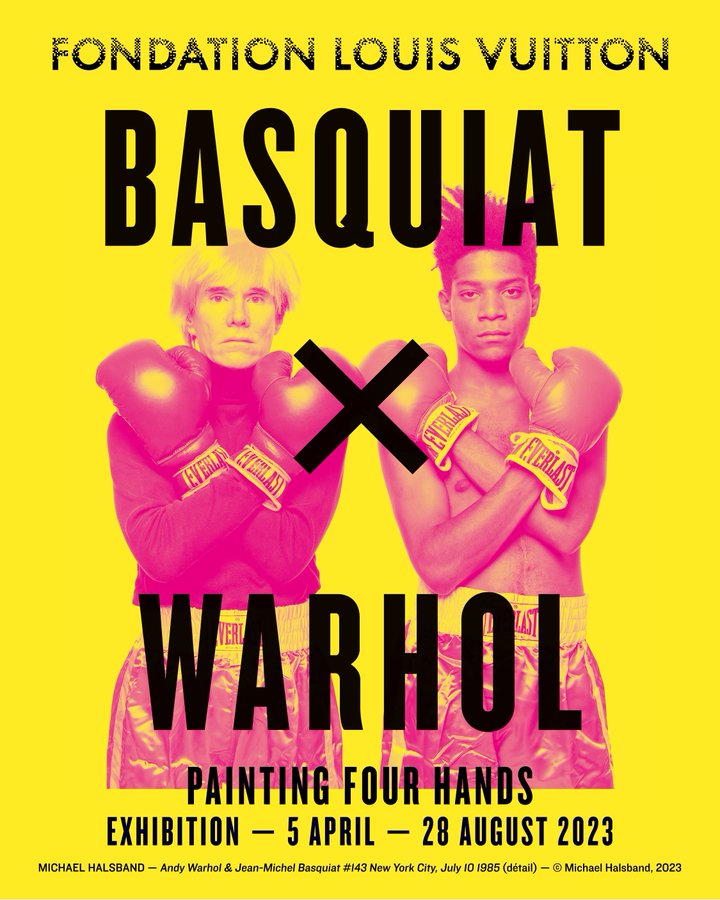
In 2018, the Fondation featured the “Jean-Michel Basquiat” exhibition. It continues its exploration of the work of the artist, revealing, this time, his collaboration with Andy Warhol.
Jean-Michel Basquiat et Andy Warhol, Untitled (collaboration no.23) / Quality, 1984-1985
Between 1984 and 1985, Jean-Michel Basquiat (1960-1988) and Andy Warhol (1928-1987) created around 160 paintings together in tandem, “à quatre mains”, including some of the largest works produced during their respective careers. Keith Haring (1958-1990), who witnessed their friendship and collaboration production, would go on to speak of a “conversation occurring through painting, instead of words,” and of two minds merging to create a “third distinctive and unique mind.”
“Basquiat × Warhol. Painting four hands” is the most important exhibition ever dedicated to this extraordinary body of work and brings together more than three hundred works and documents including eighty canvases jointly signed by the two artists. Also featured are individual works by each as well as a set of works by other major artists (Michael Halsband, Keith Haring, Jenny Holzer, Kenny Scharf……) in order to evoke the energy of the New York downtown art scene of the 1980s.
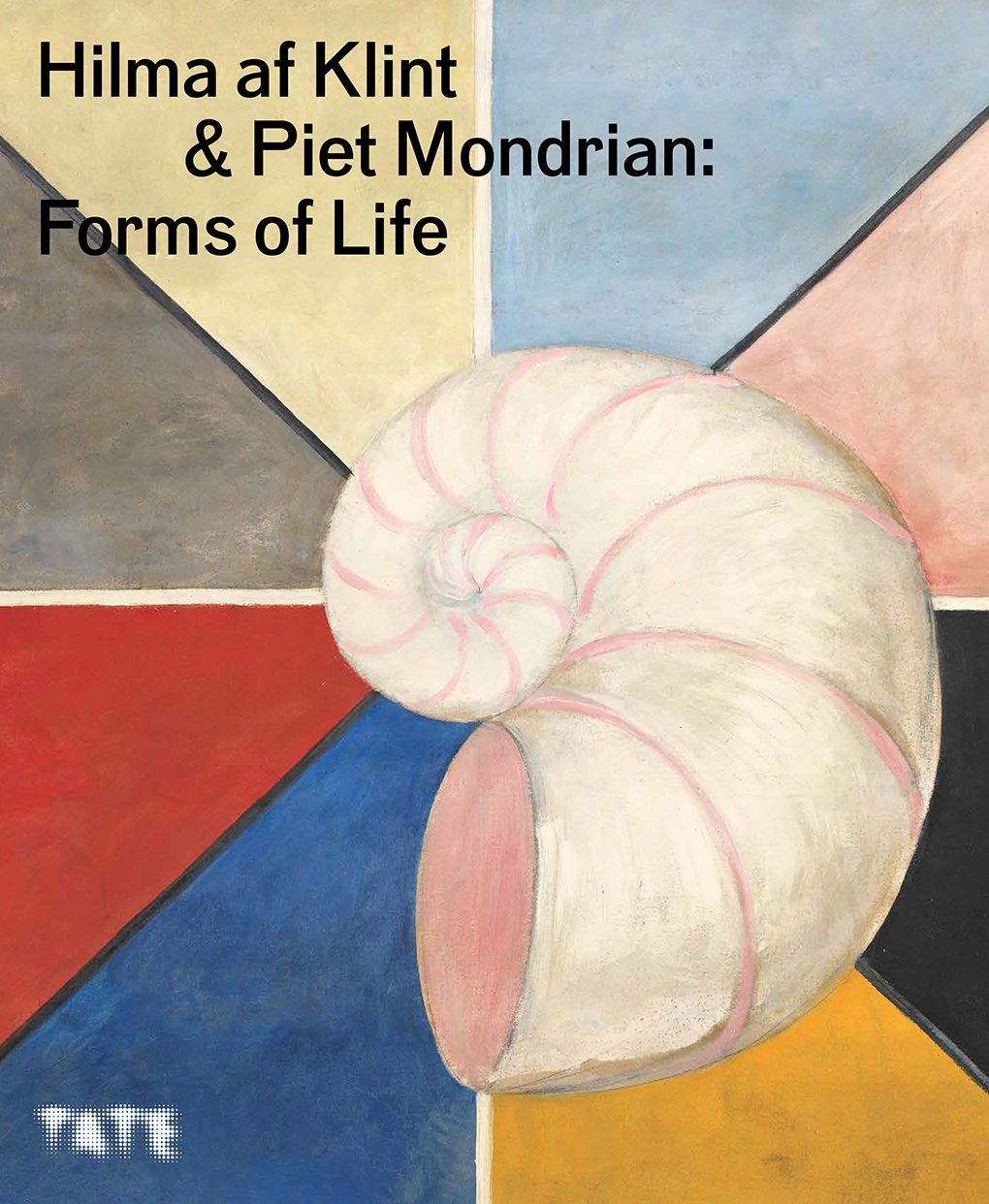
Tate Modern – Explore the powerful work of two groundbreaking modern artists, a unique chance to discover the visionary work of Swedish painter Hilma af Klint and experience Dutch painter Piet Mondrian’s influential art in a new light.
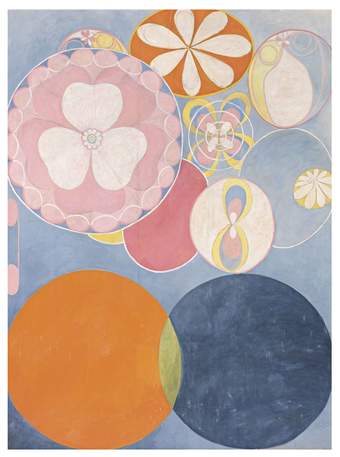
Hilma af Klint The Ten Largest, Group IV No.2, Childhood 1907 Hilma af Klint Foundation
Although they never met, af Klint and Mondrian both invented their own languages of abstract art rooted in nature. At the heart of both of their artistic journeys was a shared desire to understand the forces behind life on earth.
Best known for his abstract work, Mondrian in fact began his career – like af Klint – as a landscape painter. Alongside Mondrian’s iconic grids, you will see the rarely exhibited paintings of flowers he continued to create throughout his life. Also on display will be enigmatic works by af Klint in which natural forms become a pathway to abstraction.
Both artists shared an interest in new ideas in spirituality, scientific discovery and philosophy. Af Klint was also a medium, and this exhibition showcases the large-scale, otherworldly masterpieces she believed were commissioned by higher powers.
Largely known today as the subject of The Met’s iconic portrait by Diego Velázquez, Pareja—who was born in Antequera, Spain—was enslaved in Velázquez’s studio for over two decades before becoming an artist in his own right. This presentation is the first to tell his story and examine the ways in which enslaved artisanal labor and a multiracial society are inextricably linked with the art and material culture of Spain’s “Golden Age.”
Diego Velázquez’s portrait of Juan de Pareja (ca. 1608–1670) has long been a landmark of European art, but this provocative study focuses on its subject: an enslaved man who went on to build his own successful career as an artist. This catalogue—the first scholarly monograph on Pareja— discusses the painter’s ties to the Madrid School of the 1660s and revises our understanding of artistic production during Spain’s Golden Age, with a focus on enslaved artists and artisans.
The authors illuminate the highly skilled labor within Seville’s multiracial society; the role of Black saints and confraternities in the promotion of Catholicism among enslaved populations; and early twentieth-century scholar Arturo Schomburg’s project to recover Pareja’s legacy.
The book also includes the first illustrated and annotated list of known works attributed to Pareja. Published by The Metropolitan Museum of Art/Distributed by Yale University Press
News, Views and Reviews For The Intellectually Curious











 Boomers Daily