
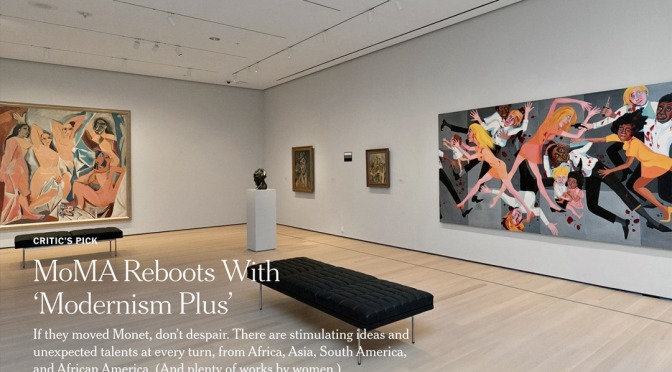
From a New York Curbed.com online article:
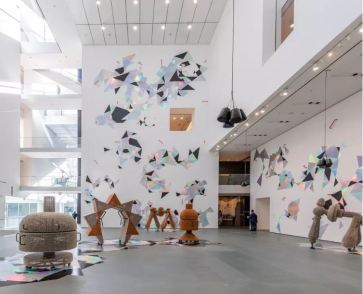 There’s also a special focus on architecture and design in this new approach to the collection: Several galleries are devoted to various aspects of those fields, including “The Vertical City,” an examination of skyscraper construction that includes photos by Berenice Abbott, Hugh Ferriss’s architectural drawings, and other ephemera. Elsewhere, building models of the Guggenheim and a spec design of MoMA by modernist master William Lescaze emphasize the importance of architecture to museums, and vice versa.
…the museum is about to reveal its most ambitious revamp yet: On October 21, MoMA will open its expanded headquarters, which now takes up most of the block on 53rd Street between Fifth and Sixth avenues. The museum has pushed westward, opening more than 40,000 square feet of fresh galleries in both a ground-up building (which rose from the ashes of the Tod Williams Billie Tsien Architects-designed American Folk Art Museum) and the base of Jean Nouvel’s supertall skyscraper next door.
The galleries aren’t all that’s been added, though: The museum has also opened a new, expansive lobby—which has two galleries that can be visited free of charge—as well as a spacious gift shop that has been relocated below street level. A wall of windows gives passersby a glimpse into the space, and is intended as a gesture of “increased transparency,” according to the museum.
To read more: https://ny.curbed.com/2019/10/11/20908427/museum-of-modern-art-expansion-open-photos
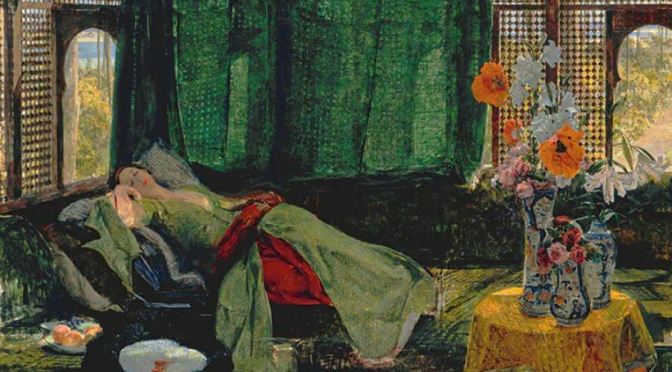
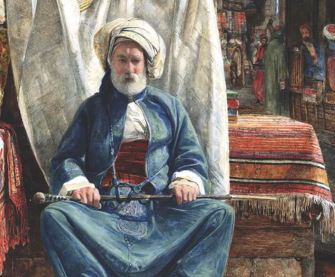 Things take an even stranger turn when he gets to Egypt, and his own features still appear again and again; not, as before, as a barely significant detail in an otherwise busy composition, but as a principal element. In a series of fine single-figure paintings brought together at the Watts Gallery, Lewis represents himself as a Syrian sheikh scanning the horizon of the Sinai desert; as the suave ‘bey’ of a Cairene household, lowering his eyelids as his servant offers him a water pipe; as an impassive carpet-seller in the Bezestein bazaar
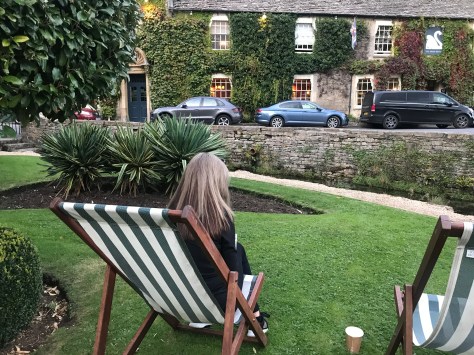
 A brisk 2.9 mile walk (yes, 2.9 miles) in mildly drizzly weather from The Swan Hotel door back to the breakfast room set up a perfect day.







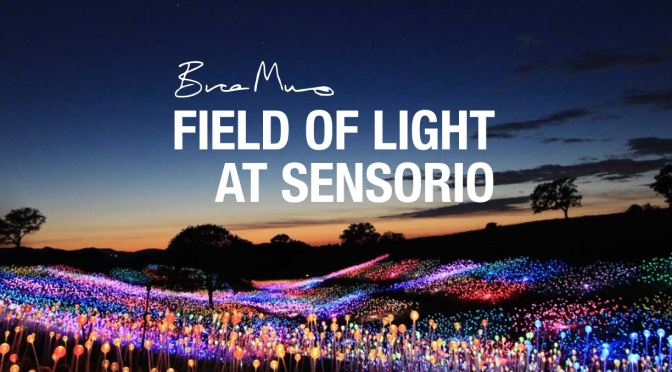
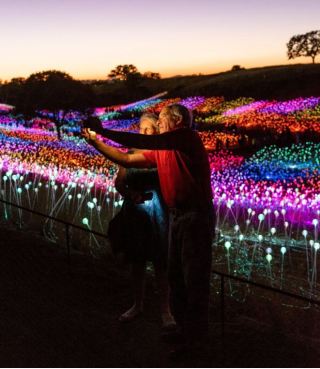 But there is nothing quite like the mind-bending spectacle now on display at dusk in the hills of Paso Robles here, a popular wine destination. That is the witching hour when thousands of solar-powered glass orbs on stems, created by the artist Bruce Munro, enfold visitors in an earthbound aurora borealis of shifting hues.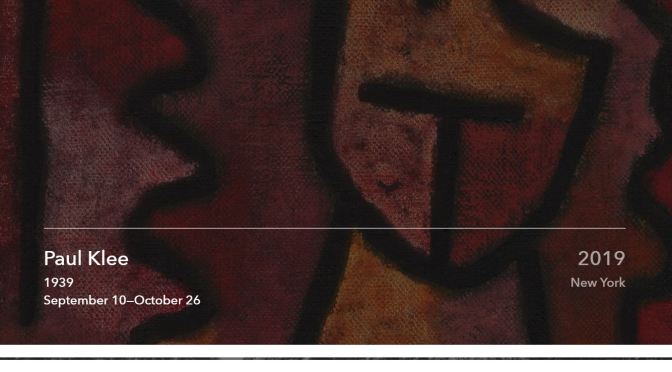
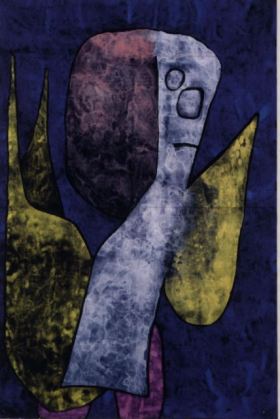 The works on view illustrate how Klee responded to his personal difficulties and the broader social realities of the time through imagery that is at turns political, solemn, playful, humorous, and poetic. Ranging in subject matter, the works all testify to Klee’s restless drive to experiment with his forms and materials, which include adhesive, grease, oil, chalk, and watercolor, among others, resulting in surfaces that are not only visually striking, but also highly tactile and original. The novelty and ingenuity of Klee’s late works informed the art of the generation of artists that emerged after World War II, and they continue to hold relevance and allure for artists and viewers alike today.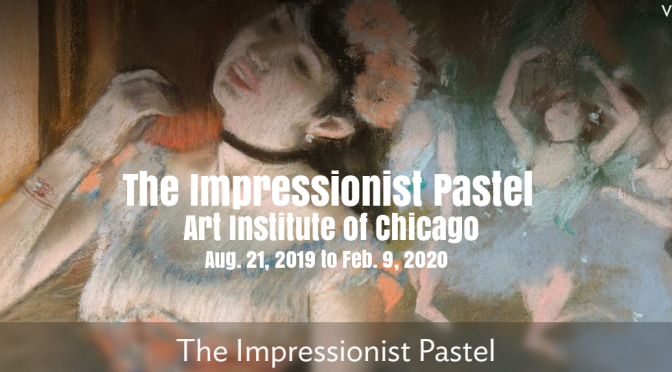
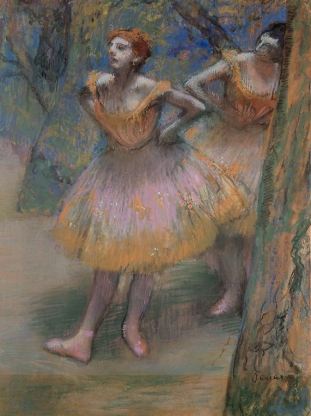 This focused installation features pastels by four artists whose work was shown in the Impressionist exhibitions: Mary Cassatt, Edgar Degas, Eva Gonzalès, and Berthe Morisot. Their subjects range from scenes of modern life, such as ballet performers and a woman working in a hat shop, to depictions of intimate moments of bathing and women with children.
 Pastel, a medium used to draw on paper or, less often, on canvas, is made by combining dry pigment with a sticky binder. Once artists have applied the pastel to the surface, they can either blend it, leave their markings visible, or layer different colors to create texture and tone. Pastel portraits had previously gained popularity in France and England in the 18th century, but fell out of fashion with critics when pastel was deemed too feminine; not only was it used by women artists, but it had a powdery consistency similar to women’s makeup. The Impressionists rejected this bias and instead embraced the medium’s ability to impart immediacy, boldness, and radiance.
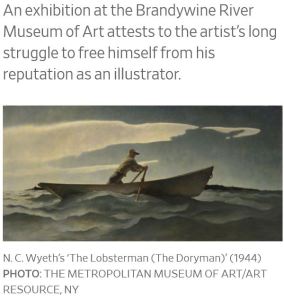 In some cases, Wyeth’s images bore into memory as sharply as the books they illuminate. I’m thankful I never saw Wyeth’s “Captain Nemo” (1918) while steeping myself in Jules Verne’s “The Mysterious Island” (1874): I would never have been able to shed the image Wyeth created of this white-haired, secretive, dying man, surrounded by allusions to his exotic past, his skin seeming bleached, we learn here, by the electrical lighting of his submarine.
 Boomers Daily