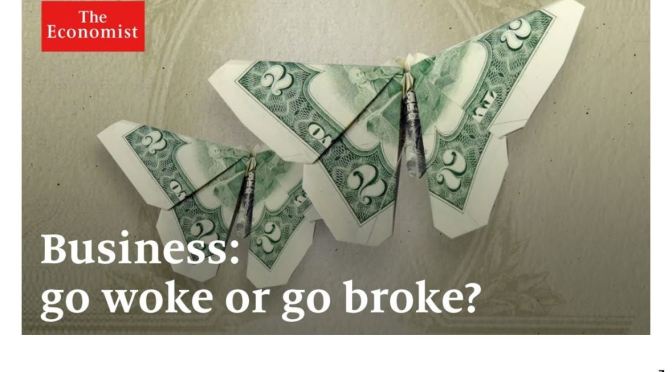
Today consumers want to buy more sustainable products, employees want to work for firms that share their values, and in the investment world, ESG funds are all the rage. How are companies responding to these shifting demands and can businesses really do well by doing good?
00:00 – Can companies do well by doing good? 00:50 – Environment and climate change 06:50 – Employee wellbeing 09:51 – Workforce diversity 15:50 – Ethical supply chains 19:26 – Environmental Social Governance
Americans are leaving their jobs in droves. In August 4.3 million Americans quit their jobs. While some people have left the workforce entirely, job security and better pay are top concerns for others. Dubbed “The Great Resignation”, the exodus of workers has created hiring challenges for companies and left millions of jobs unfilled. More than half of U.S. workers surveyed said they plan to look for a new job in the coming year, according to Bankrate’s August jobseeker survey. Some 56% of respondents said adjustable working hours and remote work were a priority. Working women have faced an additional burden, juggling childcare duties, virtual schooling and their careers. So, what does the realignment of the workforce mean for employees and businesses? And what steps should you take before quitting your job?
Molnupiravir (MK-4482, EIDD-2801) is an investigational oral antiviral medicine that significantly reduced the risk of hospitalization or death at a planned interim analysis of the Phase 3 MOVe-OUT trial in at risk, non-hospitalized adult patients with mild-to-moderate COVID-19. At the interim analysis, molnupiravir reduced the risk of hospitalization or death by approximately 50%; 7.3% of patients who received molnupiravir were either hospitalized or died through Day 29 following randomization (28/385), compared with 14.1% of placebo-treated patients (53/377); p=0.0012. Through Day 29, no deaths were reported in patients who received molnupiravir, as compared to 8 deaths in patients who received placebo.
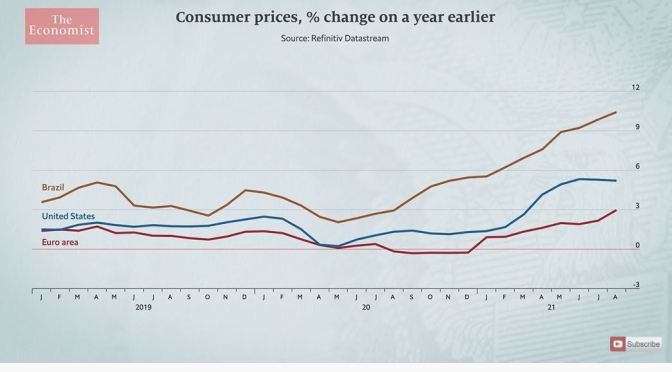
Inflation rates have been rising all over the world, surprising many economists. While the rich world is paying higher prices for durable goods such as cars, in emerging markets soaring food prices are a greater worry.
What is causing this unexpected bout of inflation, and will it last?
Video timeline: 00:00 – What’s happening with inflation? 00:53 – What is inflation? 01:42 – Inflation rates are rising 02:47 – How much is too much inflation? 03:13 – Inflation in the rich world 05:19 – Inflation in emerging markets 06:04 – How to curb inflation 07:27 – Why you shouldn’t worry Find The Economist’s briefing on inflation: https://econ.st/3ofFxtJ
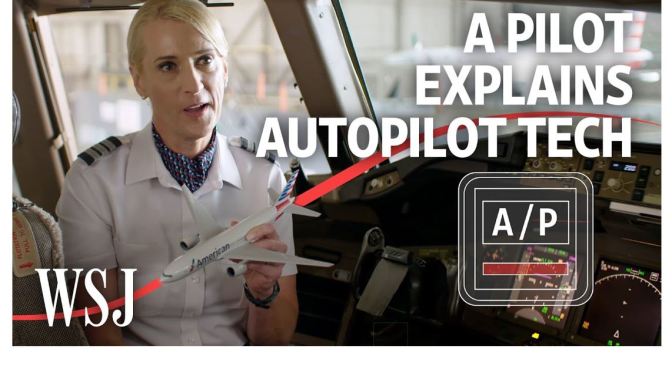
Think of autopilot like cruise control on a car. Autopilot is used on nearly every flight, but it’s not obvious just what it does. American Airlines Capt. Sonya Laxo explains the tech behind autopilot, how it’s used and why it isn’t really “auto.” Photo Illustration: Laura Kammermann
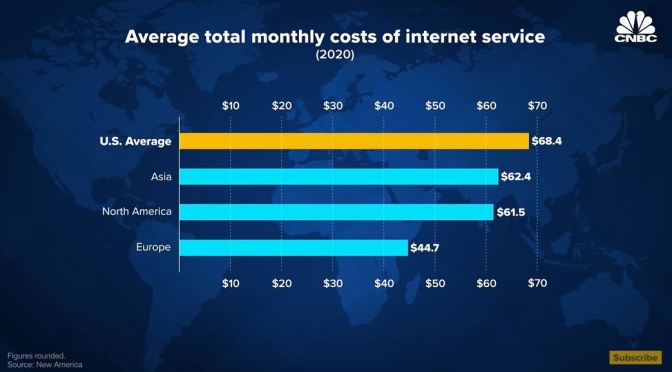
People in the U.S. frequently pay more for slower internet service than people abroad, according to a report from the Open Technology Institute. Lawmakers in Washington are attempting to address the high price of internet service, as well as the lack of access for many low income families, by deeming internet access infrastructure. Here’s why high speed internet is so expensive in the U.S., why so many Americans struggle to gain access and what policymakers can do about it.”
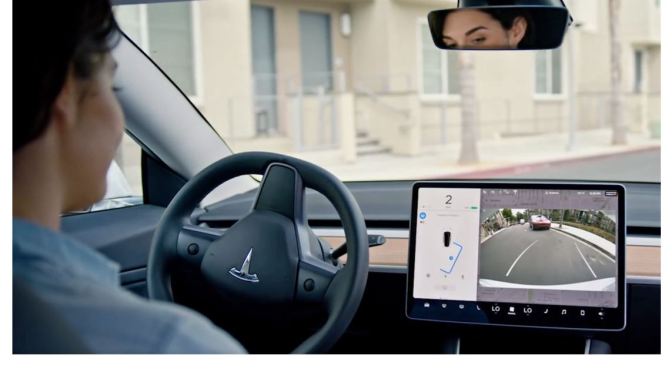
The upgrade to Tesla’s Full Self-Driving, or FSD, software will be released to drivers who pass a safety evaluation Tesla is expanding access to the company’s city-driving tool to some customers. In this video, WSJ explains what’s in the new software and the controversy surrounding its limited release. Photo: Tesla
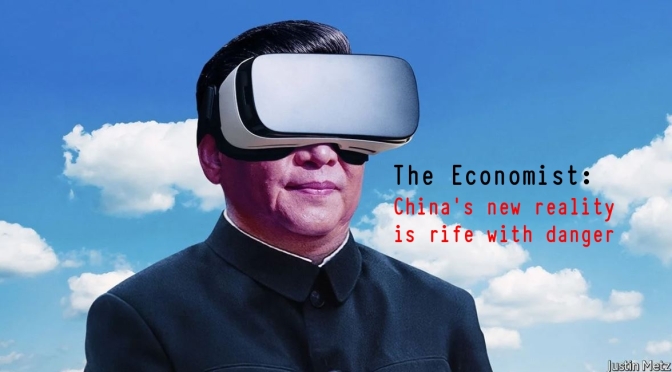
A selection of three essential articles read aloud from the latest issue of The Economist. This week: Xi Jinping’s campaign against China’s capitalist excesses, how to revive Britain’s stockmarket (10:11), and electric motor city (18:33).
As the election approaches, Germany’s carmakers will face the same challenges as its new leaders: a need to innovate, tackle climate change and reassess its trade relationship with China. How this world-renowned motor industry navigates the road ahead could tell a lot about Germany’s future.
A selection of three essential articles read aloud from the latest issue of The Economist. This week: the mess Merkel leaves behind, America gets serious about countering China (11:01) and Nigerian megachurches practise the prosperity they preach (17:36).



 Boomers Daily