Tag Archives: AI

Politics: The Guardian Weekly – May 10, 2024

The Guardian Weekly (May 8, 2024) – The new issue features ‘Nowhere to call home’ – Inside Europe’s housing crisis…

Elections for the European parliament are less than a month away and far-right parties are predicted to make significant gains in many of the bloc’s 27 member states. The dire shortage of housing, leading to rising rents and property prices, is becoming a unifying focus for voters’ discontent with their current political leaders.

The issue has sparked protests from Amsterdam to Prague and Milan, as the Guardian’s Europe correspondent, Jon Henley, reports. The data is undeniably worrying as young Europeans spend up to 10 times an average salary on rent and mortgage payments, and big cities from the Baltic states to the Iberian peninsula have registered average property price rises of close to 50%. As a result more EU residents live with their parents for longer and put off life-decisions later into adulthood.

While housing does not fall within MEPs’ remit, it is a visible locus for the sense of social unease that has beset the whole bloc and has become a pivot for the far right to turn on racialised minorities. But as European community affairs correspondent Ashifa Kassam discovers, it is those communities that are doubly penalised through discrimination from landlords who, research has shown, turn away potential renters with “foreign” surnames. The political and social ramifications of the housing crisis in Europe is mirrored elsewhere across the globe and is a subject we will return to in the Guardian Weekly in this year of elections.

Research Preview: Nature Magazine – May 9, 2024

Volume 629 Issue 8011

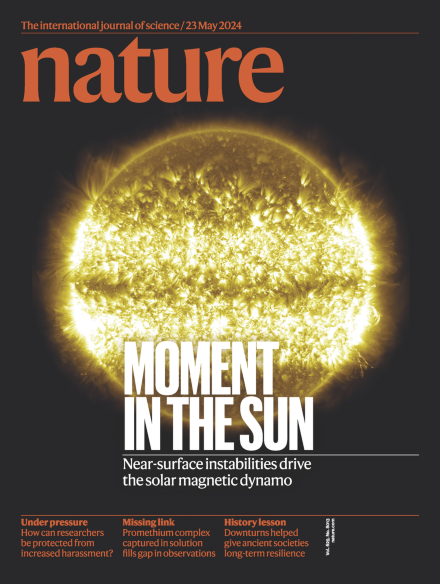
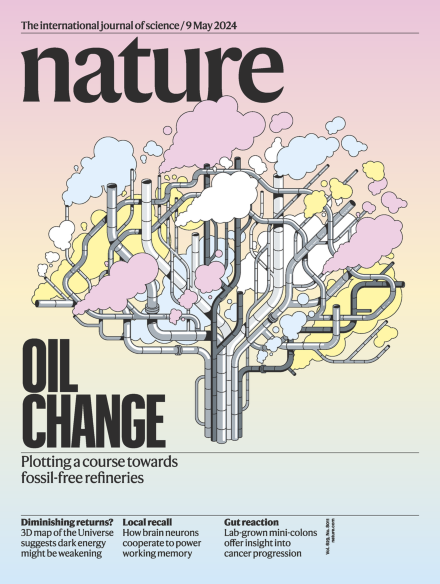
Nature Magazine – May 8, 2024: The latest issue cover features ‘ Oil Change’ – Plotting a course towards fossil-free refineries…

What China’s mission to collect rocks from the Moon’s far side could reveal

The Chang’e-6 mission aims to land in the Moon’s oldest and largest crater, where it will collect rocks to bring back to Earth.

First fetus-to-fetus transplant demonstrated in rats

The tissue developed into functioning kidneys and produced urine

Superconductivity hunt gets boost from China’s $220 million physics ‘playground’

From extreme cold to strong magnets and high pressures, the Synergetic Extreme Condition User Facility (SECUF) provides conditions for researching potential wonder materials

Arts/Books: Times Literary Supplement – May 10, 2024

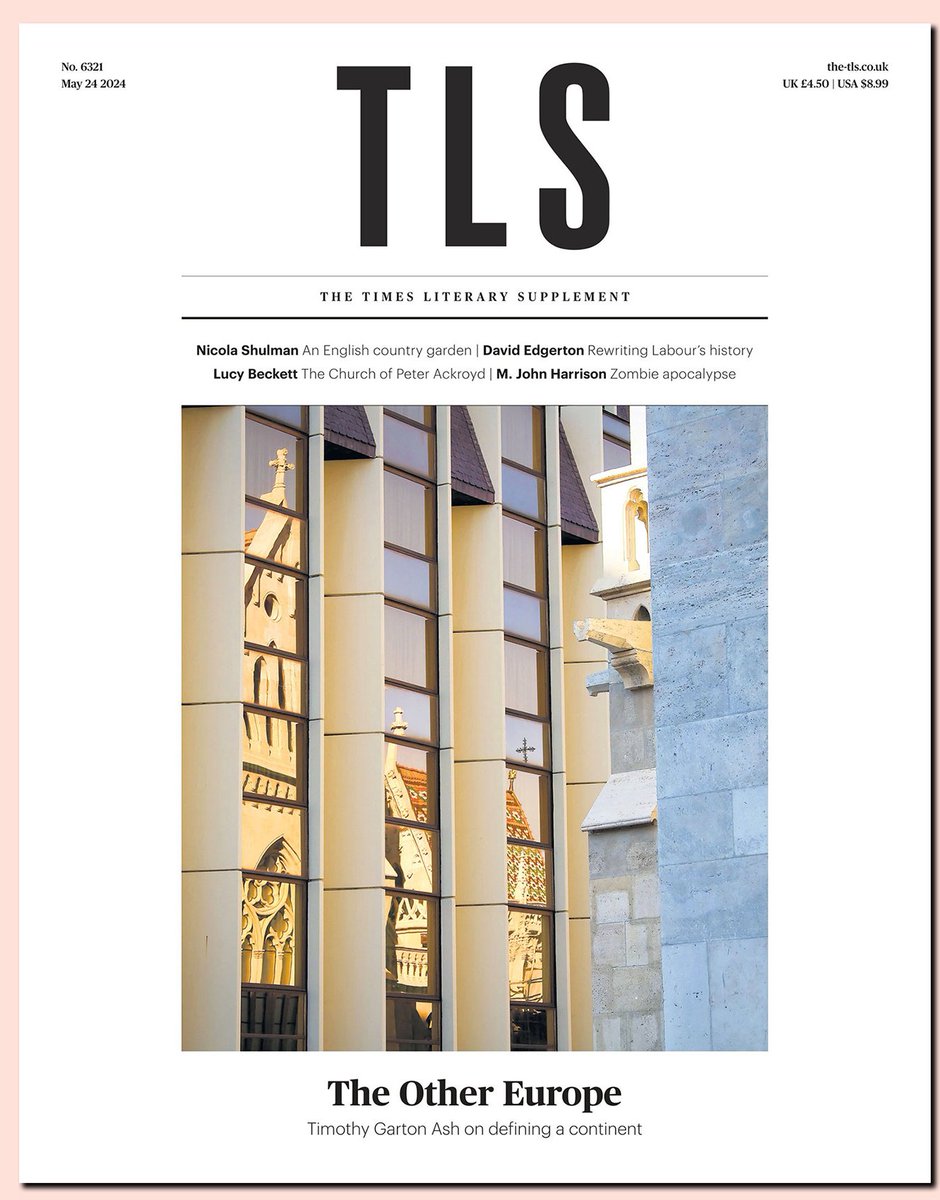
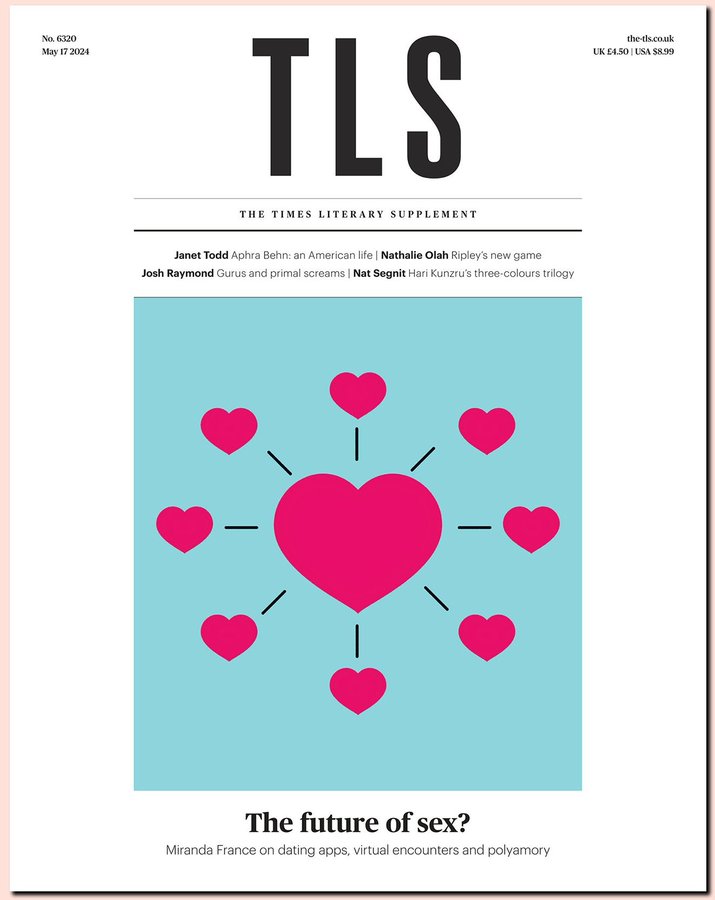
Times Literary Supplement (May 8 2024): The latest issue features ‘Reverie and revolution’ – Ian Penman on Surrealism; Crime fiction gets political; Scorsese’s English masters, women pianists and more….

Finance Preview: Barron’s Magazine – May 6, 2024

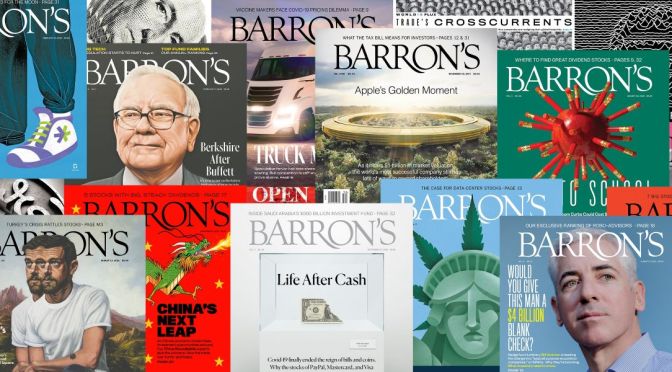
Magazine - Latest Issue - Barron's

BARRON’S MAGAZINE – MAY 6, 2024 ISSUE:

Inside a $10 Billion Bet on the World’s Longest Heated Oil Pipeline

The world’s longest heated oil pipeline faces challenges from forest fires to deadly snakes. But funding is the biggest worry.

The Stock Market Will Rise Nearly 10% More This Year, Money Managers Predict

The Stock Market Will Rise Nearly 10% More This Year, Money Managers Predict

Our latest Big Money poll of professional investors finds more than half bullish on stocks.Long read

Adobe’s AI Pivot Is Going Just Fine

Adobe shares have missed the AI rally—for now. Its own AI-powered design tools should eventually pay off.3 min read

The Economist Magazine – May 4, 2024 Preview

Europe in mortal danger: An interview with Emmanuel Macron

The Economist Magazine (May 3, 2024): The latest issue features ‘Europe in Mortal Danger’ – An interview with Emmanuel Macron…

Europe in mortal danger: An interview with Emmanuel Macron

The new science of disinformation

More co-ordination and better access to data are needed to fight lies

Uncle Sam’s fiscal profligacy

America’s reckless borrowing is a danger to its economy—and the world’s

Conflicts on campus

Should American universities call the cops on protesting students?

Feeling horny: dragons meet erotic fiction

Novels starring hot fairies are selling millions of copies

Read full edition

Research Preview: Science Magazine – May 3, 2024

Current Issue Cover

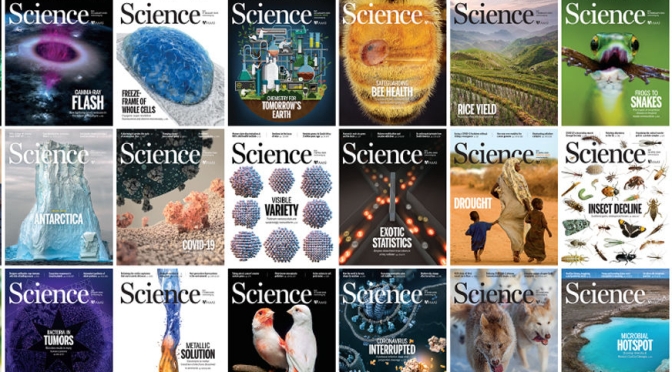
Science Magazine – May 2, 2024: The new issue features ‘Superspreading Seeds’ – Influencers spread health messages across remote villages; making sense of evidence on early childhood education; Brain and muscle clocks cooperate to resist aging…

A scientist is likely to win Mexico’s presidency. Not all researchers are rejoicing

A helicopter in midair with three bighorn sheep suspended from it.

Claudia Sheinbaum Pardo would be first researcher to lead the country, but critics worry she’ll be as hostile to science as her predecessor

Which wild animals carry the COVID-19 virus? An ambitious U.S. project aims to find out

Scientists test bighorn sheep, bears, moose, rats, and dozens of other species to track how SARS-CoV-2 moves between humans and wildlife

Arts/Books: Times Literary Supplement – May 3, 2024

Image

Times Literary Supplement (May 1, 2024): The latest issue features ‘Making it New’ – A.E. Stallings on the innovative classicism of Anne Carson’s poetry; Salman Rushdie’s memoir of survival; Politics and performance and more…

Preview: MIT Technology Review – May/June 2024

MIT Technology Review (April 29, 2024): The new issue features ‘The Robots Are Coming’ – And they’re here to help; A brief, weird history of brainwashing; Office space in space; AI comes for bodycams…

The Build issue

Who says we can’t still build things? In this issue: a look at the robots we’ve always wanted; a new model for space exploration; and efforts to flood-proof Louisiana’s coastline. Plus a wild, weird history of brainwashing; designing cheese with AI; and glow-in-the dark petunias.

Is robotics about to have its own ChatGPT moment?

Researchers are using generative AI and other techniques to teach robots new skills—including tasks they could perform in homes.Stretch Robot Presents Rose in its gripper

Opinion & Politics: Reason Magazine – June 2024

Reason magazine, June 2024 cover image

REASON MAGAZINE (March 21, 2024)The latest issue features ‘The AI Issue’

In the AI Economy, There Will Be Zero Percent Unemployment

AI developer Andrew Mayne explains why technology could create more jobs and lead to unprecedented economic growth.

The Future of AI Is Helping Us Discover the Past

An AI-generated image using the prompt, “Illustration of AI helping the study of history in the style of Da Vinci." | Illustration: Joanna Andreasson/Midjourney

Historical teaching and research are being revamped by AI.

VIRGINIA POSTREL

Will Antitrust Policy Smother the Power of AI?

An AI-generated image using the prompt, “Illustration of antitrust smothering the power of AI." | Illustration: Joanna Andreasson/Midjourney

Left alone, artificial intelligence could actually help small firms compete with tech giants.

PATRICK HEDGER

Research Preview: Science Magazine – April 26, 2024

Science Magazine – April 25, 2024: The new issue features ‘Born to Explore’ – Exploratory tendency leads to diversification; Can science address loneliness?; Vitamin D, microbiota, and cancer immunity; A safer version of a 140-year-old chemical reaction…

Microbes and vitamin D aid immunotherapy

Vitamin D modulates intestinal epithelial cell function to enhance antitumor microbes

The gut microbiome has been shown to modulate the response of cancer patients to therapy, but precisely how microbiota affect anticancer immunity is still being elucidated. Giampazolias et al. report that vitamin D bioavailability in mice influences the composition of the gut microbiome (see the Perspective by Franco and McCoy). After dietary manipulation, vitamin D levels were observed to affect gut bacteria, which in turn improved cancer immunotherapy and antitumor immunity. In humans, low vitamin D levels were correlated with tumor development, and gene signatures of vitamin D activity were associated with improved patient responses to immunotherapy. These findings highlight the connection between vitamin D and the immune system through gut bacteria and may have applications for improving cancer therapies.

The power of curiosity

Lake Tanganyika contains one of the most impressive adaptive radiations, with about 250 species of cichlid occupying a variety of niches. Much research has focused on understanding the drivers of this and other adaptive radiations. Trembo et al. looked in depth at 57 of these cichlid species with regard to their behavior, ecomorphology, and genomics. They found that one behavior in particular, a tendency to explore, was related to niche adaptation, and they identified a regulatory gene that is highly associated with this behavior. These findings suggest the existence of an adaptive syndrome driven in part by a tendency to explore what is new.