
Tag Archives: Agriculture

World Economic Forum: Top Stories – Nov 16, 2024

World Economic Forum (November 16, 2024) – The top stories of the week include:

0:15 AI robot zaps weeds while saving crops – It’s called Concentrated Light Autonomous Weeding and Scouting or CLAWS for short. CLAWS uses AI-powered image processing to identify the crops, then targets weeds around the crop with blasts of concentrated light. This gets rid of unwanted intruders without damaging either crops or soil.

1:52 5 ways bioeconomy affects daily living – The bioeconomy uses renewable resources from land or sea to produce food, energy, and other resources. It focuses on leveraging nature’s processes and products to create sustainable economic outputs. The bioeconomy is already a part of our daily lives, influencing various sectors and industries.

6:08 Iceland sees benefit of a 4-day work week – The Nordic nation of 380,000 is rolling out a new way of working. Between 2020 and 2022, 51% of Iceland’s workers accepted an offer of shorter hours, such as a 4-day week for no loss of pay. The shift has had a positive impact on work-life balance and personal stress, new research shows.

8:17 Restored Amazon ecosystems beat logging – Amazon Sacred Headwaters Alliance is fighting to safeguard 35 million hectares of rainforest through a collaboration between 30 Indigenous nations of the Amazon basin. There’s an economic case for protecting the Amazon, says Atossa Soltani, Director of Global Strategy, Amazon Sacred Headwaters Alliance.

#WorldEconomicForum

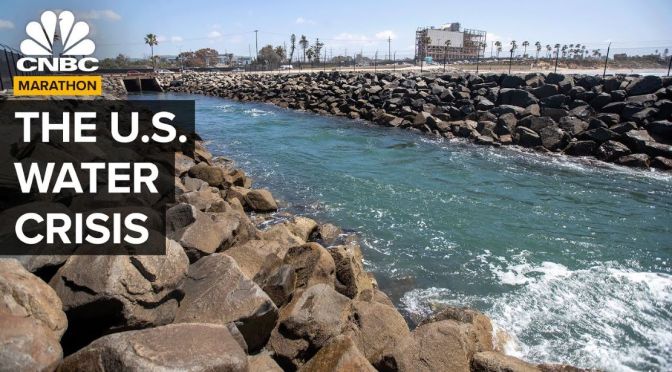
Analysis: The Best Ways To Fix America’s Water Crisis

CNBC (May 30, 2023) – From floods to droughts, CNBC Marathon explores the water crisis in the U.S. Today, one out of three people don’t have access to safe drinking water. And that’s the result of many things, but one of them is that 96.5% of that water is found in our oceans. It’s saturated with salt, and undrinkable.

Chapters: 00:00 — Introduction 00:30 — Can Sea Water Desalination Save The World? (Published October 2019) 14:00 — U.S. Farms Waste A Lot Of Water — But This Tech Could Help (Published September 2022) 29:56 — How The West Coast Drought Could Cause More ‘Water Wars’ (Published July 2021) 40:07 — Why Flood Insurance Is Failing The U.S. (Published November 2020)

Most of the freshwater is locked away in glaciers or deep underground. Less than one percent of it is available to us. So why can’t we just take all that seawater, filter out the salt, and have a nearly unlimited supply of clean, drinkable water? The western U.S. is experience a megadrought so severe, it is the driest two decades in at least 1,200 years. And no sector has felt the impact more than agriculture, which takes up about 70% of the world’s freshwater.

With water resources becoming more scarce, several companies are working to improve irrigation efficiency and help sustain food production in a future where extreme climate may be more common. Water is a cornerstone of economic activity, and when it runs low, communities face tough choices. The extreme drought conditions in the U.S. West are straining water resources and providing a fertile ground for wildfires. How will the West Coast face this climate challenge? And 2020 was the busiest hurricane season on record. Flooding is one of a storm’s most devastating consequences.

FEMA estimates one inch of flood water can cause up to $25,000 in damage. The U.S. began offering national flood insurance in 1968 but the program, called the NFIP, is now over $20 billion in debt. Private companies are starting to offer flood insurance as well. However, flood insurance is more complicated than it may appear. Watch the video to better understand how flood insurance works, and doesn’t work, in the U.S.

Food: Banana Plantations At Risk From Global Blight

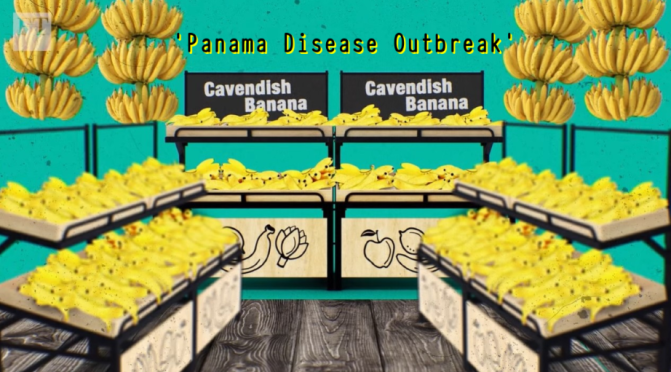
Financial Times (December 14, 2022) – Dire warnings about the banana’s impending extinction have been circulating for some time, but despite that, as the FT’s Clive Cookson explains, global production has expanded in recent years. That growth, however, is at risk from an outbreak of Panama disease, which has spread to at least 22 countries.

Analysis: Is Traditional Agriculture Sustainable?

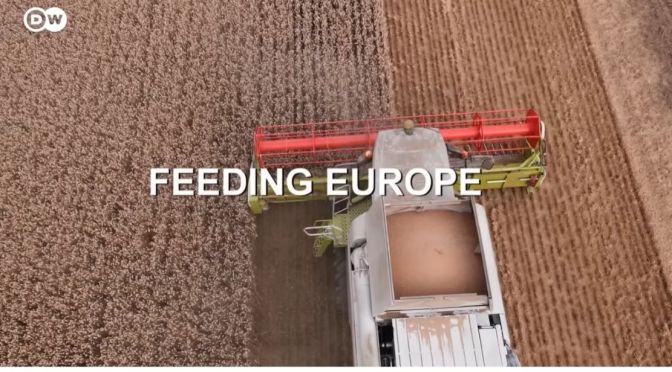
DW Documentary (December 10, 2022) – Is sustainable agriculture possible in Europe? From Spain’s “plastic sea” of greenhouses, to farmer suicides in France, the organics boom and high-tech production, it’s clear that Europe’s agricultural sector is in a period of extreme flux. And it needs to change: Agricultural landscapes are shaped by the history of our continent and inextricably bound up with its identity.

But farmers are struggling. They’re under constant pressure to produce more, at lower prices and can no longer hold out against the stiff competition. Most European farms are still family-run businesses, but it’s the large-scale enterprises that benefit from EU subsidies. These companies practice intensive farming, which we now know has a detrimental effect on biodiversity and human health.

This kind of agricultural system is also very bad for soil quality and is now seen as obsolete. With every crisis that occurs, its shortcomings become more evident. The pace of climate change now requires rapid responses to crucial questions: How to sustainably feed more than 500 million Europeans? What steps can be taken to stem the catastrophe resulting from the dramatic rise in meat consumption (up 60 per cent in 60 years) and its associated intensive production of cereal crops?

Solutions are presenting themselves, and many farmers have already seized the initiative. Throughout the European continent, they are the main drivers of a vital 21st century agricultural revolution: a return to traditional farming methods, intelligent or urban agriculture, fewer mass imports, research into in-vitro meat and meat substitutes. These are just some of the approaches being explored by European farmers in a bid to protect biodiversity, the landscape and the health of human beings.

Indoor Farms: AppHarvest – 90% Less Water With Tech

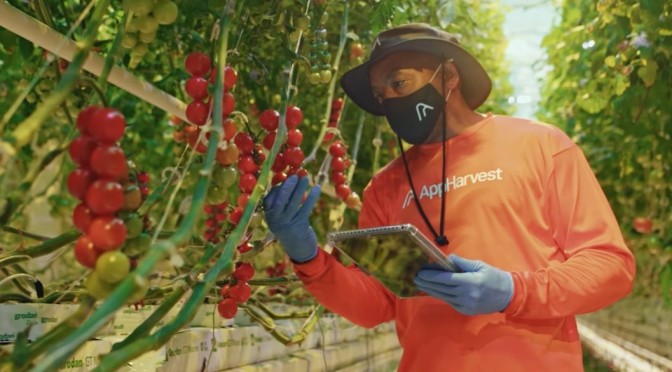
Business Insider – AppHarvest is exploring the future of indoor farming and agriculture technology by using up to 90% less water, human-assisting AI, and the power of the sun for reliable food growth. Alongside local education efforts, AppHarvest’s main focus is to provide US consumers with sustainable, reliable produce so that we can all enjoy a healthier, more vibrant planet in the future.

Food Science: Developing Hardier Coffee Beans (FT)

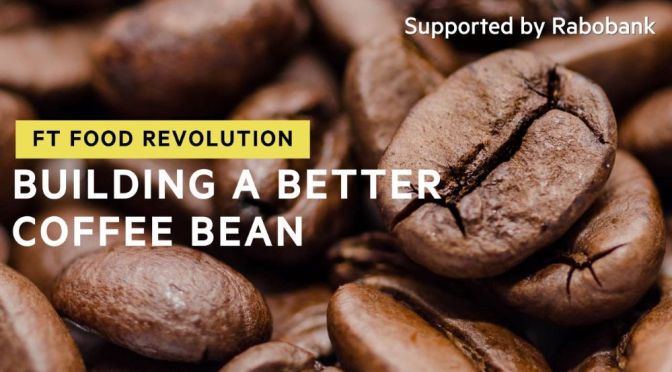
Financial Times – One of world’s favorite drinks is under threat from global warming. The world’s top coffee producing nations all lie at similar tropical latitudes, where even small rises in temperature are forecast to have severe consequences for people and agriculture. But as the FT’s Nic Fildes reports, in Australia, scientists are tackling the problem by trying to develop a better, hardier coffee bean.

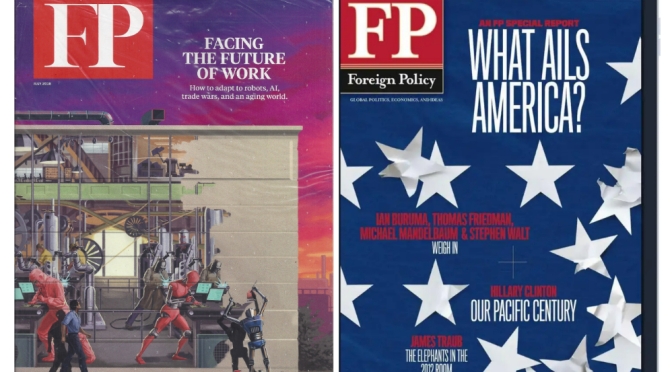
Preview: Foreign Policy Magazine – Fall 2022

May be an image of food

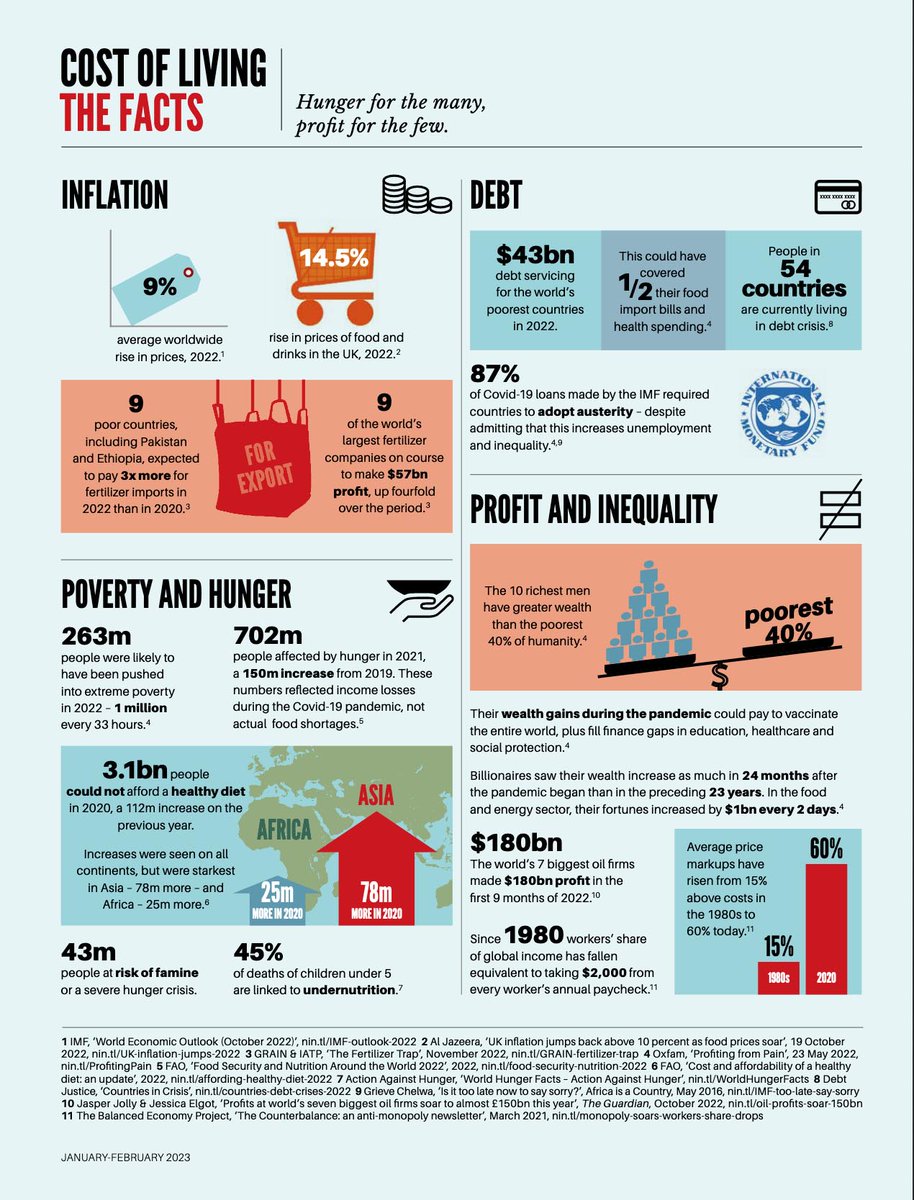
The Solution to the Global Food Crisis Isn’t More Food

There’s plenty to go around, but it’s going to the wrong places.

Africa Needs More, Not Less, Fertilizer

Developing countries need to boost their yields, even if that conflicts with climate goals.

How the World’s Appetite for Meat Is Changing

Who’s eating more, and who’s eating less.

Foreign Policy Magazine Website

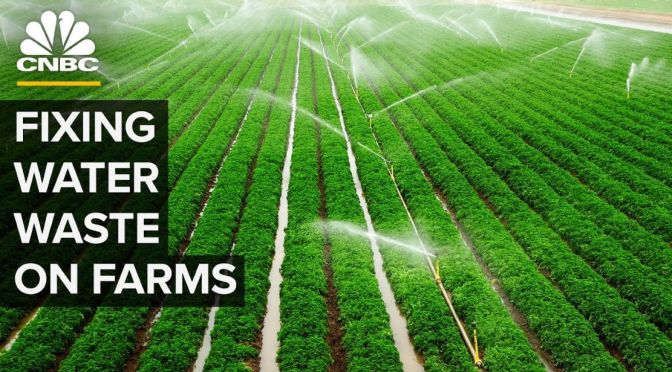
Droughts: Fixing Water Waste On American Farms

The western U.S. is experience a megadrought so severe, it is the driest two decades in at least 1,200 years. And no sector has felt the impact more than agriculture, which takes up about 70% of the world’s freshwater. With water resources becoming more scarce, several companies are working to improve irrigation efficiency and help sustain food production in a future where extreme climate may be more common.

Chapters: Ch. 1: 2:08 The West’s drought Ch. 2 4:48 Water in agriculture Ch. 3 8:02 Smarter irrigation Ch. 4 11:08 Indoor farming Ch. 5 13:11 Future technologies

World Economic Forum: Top Stories Of The Week

The World Economic Forum ‘Stories of the Week include:

0:18 Pakistan’s Flooding – Due to flash floods triggered by a ‘monster monsoon’, more than 1,100 people have died in Pakistan 01:30 First smartphone made in the Ivory Coast – The Open G smartphone went on sale in July 2022 in the Ivory Coast and has sold several thousand units 02:41 Brazil is building the world’s biggest urban garden – The garden is a collaboration between the City of Rio de Janeiro and the favelas – or informal settlements – that surround it 04:09 Drinking Black Tea could help you live longer – People who drink 2 or more cups of black tea a day are 9-13% less likely to die from any cause, according to a study by the US National Institutes of Health.