Egyptian History: Saving The Temples On The Nile

A timeless treasure, nearly lost forever. Without the UNESCO‘s unprecedented rescue operation, future generations might have only seen the stunning temples of Ramses II and Cleopatra in the pages of history books. Majestic stone colossi rising from the desert sands, structures like these kept their secrets for generations.

For centuries, Abu Simbel, Dendur, Amada and other monuments faced threats from looters, earthquakes, and floods. Ultimately, it was the waters of the Aswan Dam that nearly sealed their fate. In 1960, then Egyptian President Nasser ordered the dam‘s construction. In order to save the temples of Ramses II and Cleopatra, among others, UNESCO reached out to over 50 countries, and raised $80 million.

After receiving multiple proposals to save the structure, it was one from Sweden that proved successful. The plan: dismantling the complex and rebuilding it on higher ground. Between November 1963 and September 1968, saws were used to cut the two temples into 1,036 blocks, each weighing between seven and 30 tons.

Their new location was 64 meters above the old site and 180 meters further inland. After five years of construction, this major undertaking was completed on September 22, 1968. The Nubian temples of Abu Simbel are now a UNESCO World Heritage Site.
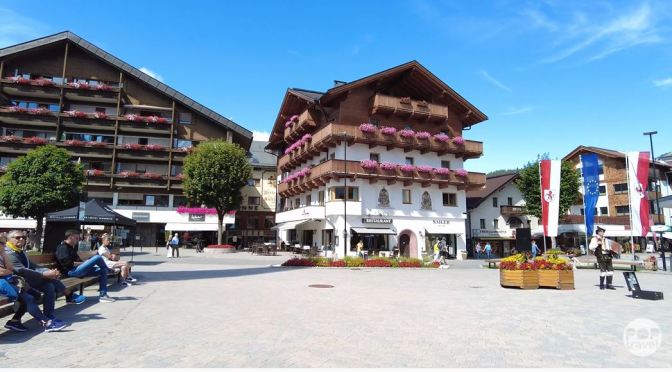
Walks: Seefeld In Tyrol, Western Austria (4K)

Seefeld is an Alpine town in the Austrian state of Tyrol. It lies on a plateau ringed by the Wetterstein and Karwendel ranges and is known for its cross-country skiing. The 1600s Seekirchl is a small baroque church with an onion dome. Frescoes in the Gothic St. Oswald church recount a miracle that reputedly occurred within. From there, a path leads to a hilltop circle of 12 massive stones representing the apostles.

The Economist: Top Issues & Stories For 2022 (Video)

What will some of 2022’s top themes and stories be? Tom Standage, editor of The Economist’s future-gazing annual, “The World Ahead 2022”, gives his prediction.

Video timeline: 00:00 What to expect in 2022 00:35 Pandemic to endemic 01:35 Inequality in hybrid working 02:34 Taming cryptocurrencies 03:43 The race to dominate space 04:34 The need for corporate climate solutions

Read our latest coverage on The World Ahead: https://econ.st/3HtLmuQ

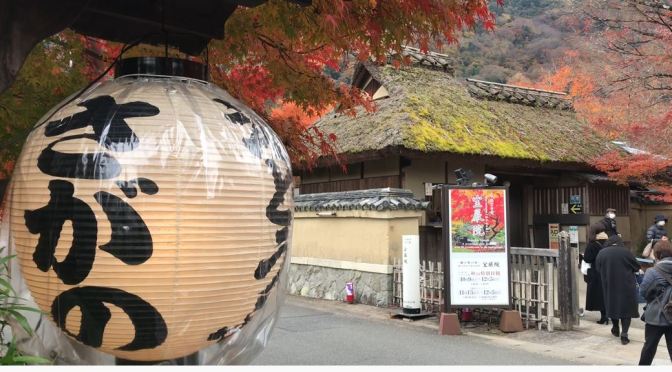
Autumn Views: Arashiyama In West Kyoto, Japan (4K)

A sprawling area in western Kyoto centered around the Katsura River (Oi river) and surrounding mountains, Arashiyama is an extremely popular tourist spot visitors to Kyoto won’t want to miss.  Any given day you’re likely to see people in kimono or yukata enjoying local food, shopping, and pilgrimages to the local temples.  Rickshaw drivers wait to carry you to your destination, whether it be the natural beauty of the bamboo forest or the man-made temples that have stood in Arashiyama for hundreds of years.

Arashiyama is the second-most important sightseeing district in Kyoto. It’s filled with temples and shrines, but the star attraction is the famed Arashiyama Bamboo Grove.

Arashiyama is in the far west of Kyoto, tucked along the base of the Arashiyama Mountains (meaning “Storm Mountains”). It’s a fair distance from the center of Kyoto: whether you go by train, bus, bicycle or taxi, you’re generally looking at about a 30-minute trip. Still, it’s worth it for the number of great sights here.

Cover Preview: Newsweek Magazine – December 17

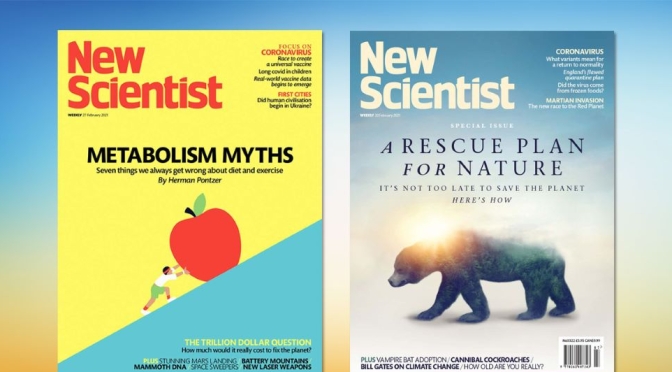
Previews: New Scientist Magazine – December 11

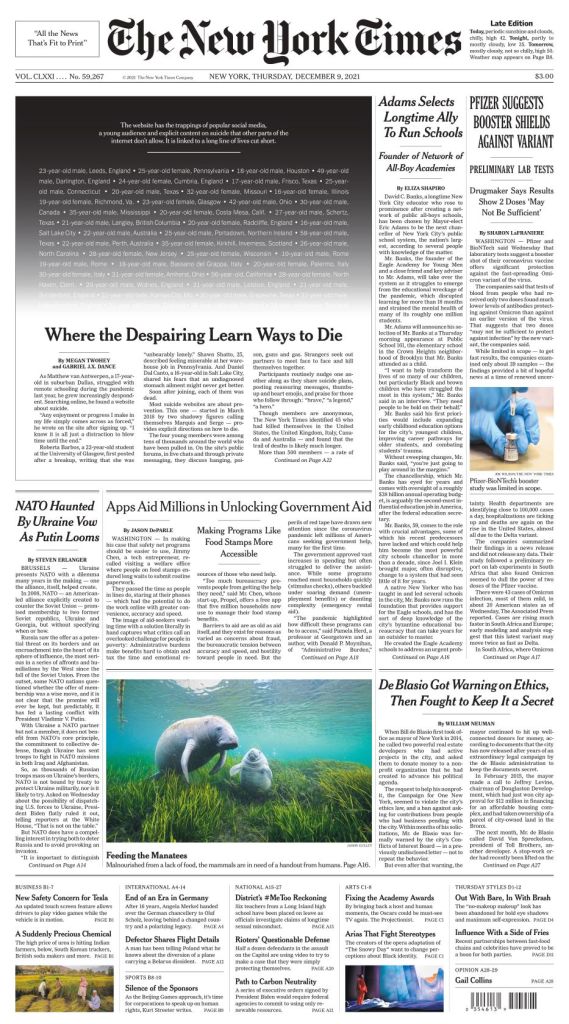
Morning News: Virtual Democracy Summit, Poll On Inflation, Instagram

The White House gathers more than 100 nations at a virtual summit aimed at promoting democracy worldwide, a new NPR/Marist poll offers disappointing approval numbers for the administration on its handling of inflation, lawmakers gave Instagram’s CEO a chilly reception at Wednesday’s Senate hearing.

Science: How The Lack Of Sleep Makes You Hungrier

Did you know that not getting enough zzz’s can actually make you hungrier? According to sleep scientist Matt Walker, the relationship between what you eat and your sleep is a two-way street. Here’s why understanding it can help you improve your overall health.

Sleep — we spend one-third of our lives doing it, but what exactly do we get out of it? And how can we do it better? In this TED series, sleep scientist Matt Walker uncovers the facts and secrets behind our nightly slumber. (Made possible with the support of Oura) Check out more episodes on TED.com: https://go.ted.com/sleepingwithscience

News, Views and Reviews For The Intellectually Curious