

Filmed, Edited and Directed by: Chris Pritchard
Partners –
Los Angeles Tourism and Convention Board – discoverla.com
Los Angeles World Airports – flylax.com
American Airlines – aa.com
H Hotel Los Angeles – hhotellosangeles.com
Star Alliance Lounge LAX
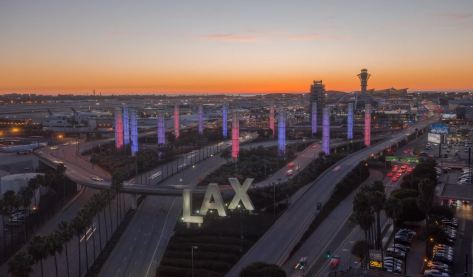
The impetus for “WORLD WAY: The City of LAX” was born in 2013 as I sat on a rooftop in El Segundo, waiting for a shoot to begin and looking out over LA. The incoming planes looked like a highway, evenly spaced and spread across multiple lanes. This led my eye to the end of their path – LAX. I realized I had a fully unobstructed view of the airport, and immediately started capturing timelapses of it. I became fascinated with the many layers of movement that were visible – planes taking off and landing, planes taxiing, ground support equipment moving on the ramp and throughout the airport, passenger vehicles on World Way, passengers on foot outside and inside the airport – all moving at their own unique pace. It made me realize that LAX is a city unto itself, with so many moving pieces and individual people all doing their part to keep it moving. Despite its struggles, it is a logistical and modern marvel. I wanted to show it in a way it had never been seen.

In 2016, I was able to bring this project to life with help from the Los Angeles Tourism and Convention Board, Los Angeles World Airports, and a group of talented shooters. We set out to capture these layers of movement in a way that cannot be seen with the naked eye, and from vantage points that few get to experience. It’s been a long journey from then until now, but was very much worth it. Getting to experience every aspect of LAX as a non-traveler, and having the opportunity to work with so many people who help keep it operating has given me a new perspective on this place.

More info about the film is available on my blog at: chrispzero.com/blog/2019/11/19/world-way-the-city-of-lax/

 The Crosstown Trail is a route connecting San Francisco neighborhoods, open spaces, and other major trails. It runs from Candlestick Point in the southeast corner of the city to Lands End in the northwest corner. The route is usable by both pedestrians and bicyclists, and it connects many parks, business districts, residential areas, and public transit.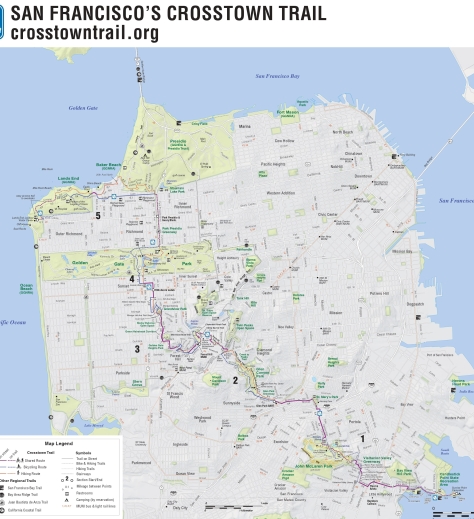

 The visuals make up most of the book’s volume, with David De Vleeschauwer’s photography magically working on various levels: on the one hand, artfully conveying the splendour and beauty of all the featured remote landscapes, and on the other, focusing on minute details that we usually pay no attention to: such details are isolated and enlarged as if to make us stop and look for a while. Each location is also paired with a hotel or guesthouse review, together with snippets of information about the area and how to actually get there.
  Above all, ‘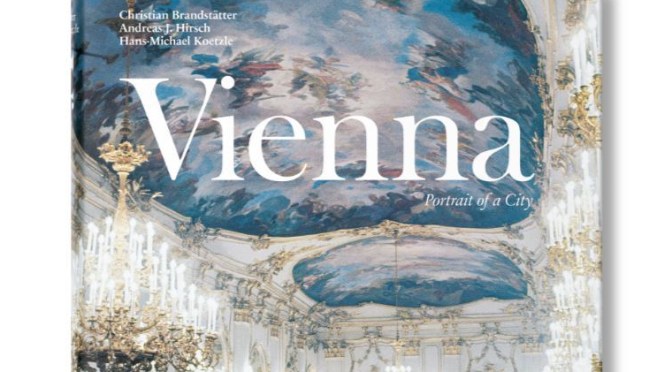
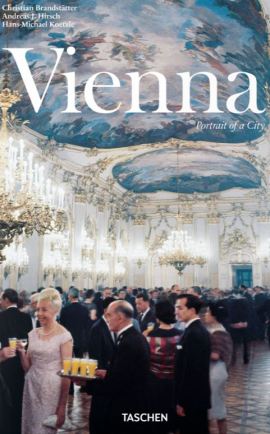 This volume is a treasure trove of photography from the last 175 years, following the evolution of Vienna from imperial capital to modern metropolis. Like a visual walk through time and cityscape, hundreds of carefully curated pictures trace the developments in Vienna’s built environment and the cultural and historical trends they reflect, whether the urban Gesamtkunstwerk of the 19th-century Ringstrasse or the experiments of “Red Vienna” in the 1920s, when the city had a social democrat government for the first time.
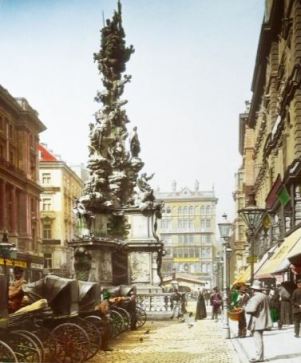 Vienna combines drama and elegance like no other. For centuries the heart of the Austro-Hungarian Empire, the stately city on the Danube, has been defined by vast palaces and imperial grandeur—but behind the Baroque opulence, Vienna is also a place of genteel coffee house culture, epicurean tradition, and a heritage of both delicate and daring music, art, and design, from Johann Strauss to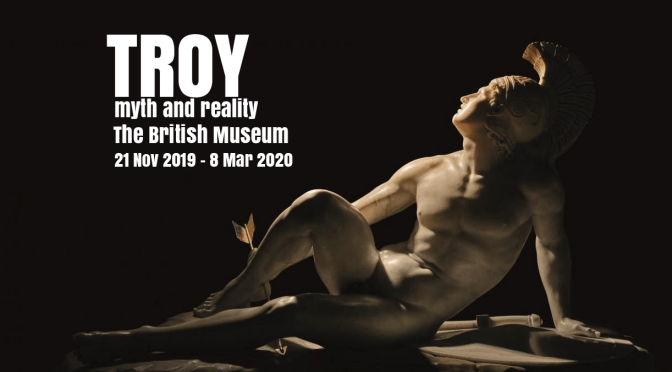
 From Helen of Troy’s abduction to the deception of the Trojan Horse and the fall of the city, tread the line between myth and reality in this phenomenal new exhibition.
 The story of the ancient city of Troy, and of the great war that was fought over it, has been told for some 3,000 years. Spread by travelling storytellers, it was cast into powerful words by the Greek poet Homer as early as the eighth to seventh century BC – and into powerful images by ancient Greek and Roman artists. Just as it enraptured audiences in the past, it still speaks to us today and it’s easy to see why. It’s a story that has it all – love and loss, courage and passion, violence and vengeance, triumph and tragedy – on a truly epic scale.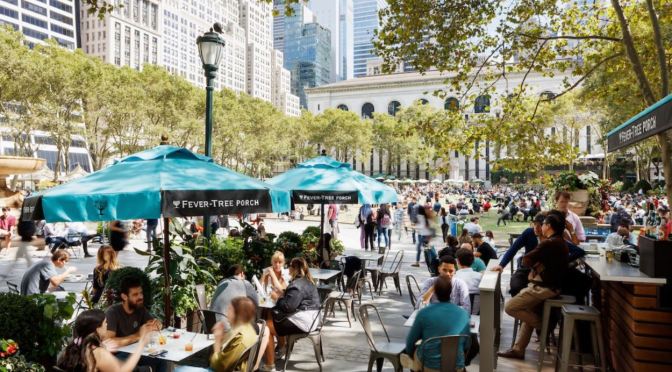
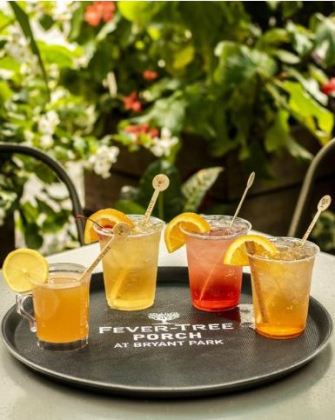 Expect many of those chairs to be filled in the months ahead. The Winter Village is a huge draw, built around a massive ice rink enjoyed by upwards of 300,000 skaters throughout the holiday season. “We want people to enjoy great cocktails and drinks at the Porch, to take time to relax and appreciate the city with all its extraordinary energy,”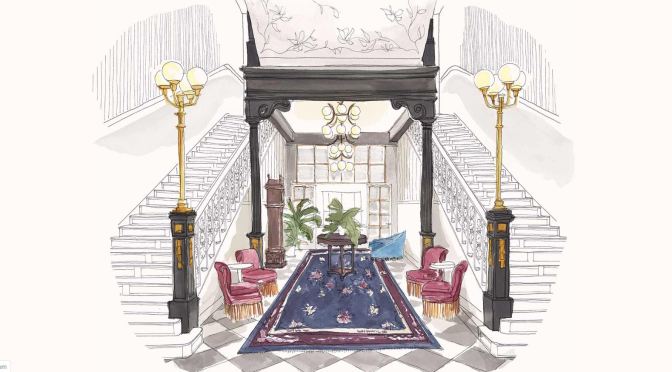
 Maison de la Luz

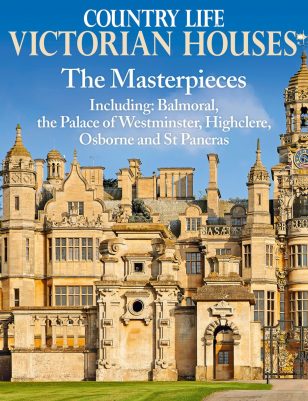 First published in 1897, Country Life is itself a late-Victorian institution. What could be more appropriate, therefore, than to celebrate this anniversary with a collector’s issue of articles and photographs from the magazine’s archives?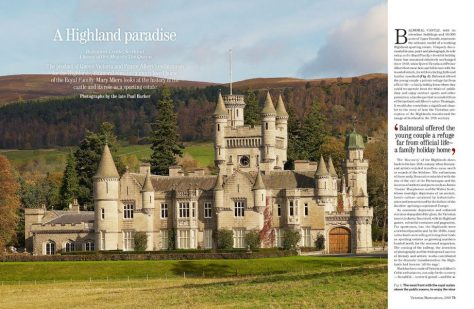
 Boomers Daily