
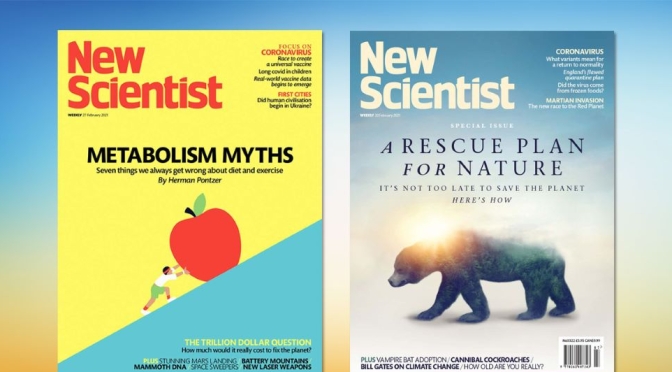
In this week’s issue: The Large Hadron Collider blips that could herald a new dawn for physics.
— New Scientist (@newscientist) January 13, 2022
Plus, how to alter your personality, the cat gap, and the first human hunters.
Available at newsstands and via our app for digital and audio editions. https://t.co/rqoo1KrPcP pic.twitter.com/KpdktPC7RK
Category Archives: Reviews

New Books: ‘Literature For A Changing Planet’ By Martin Puchner (2022)
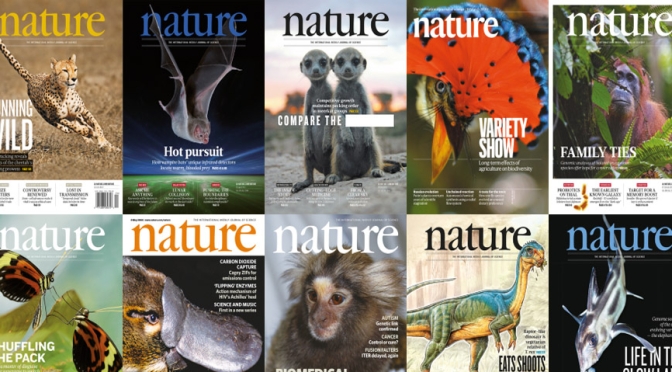
Front Covers: Nature Magazine – January 13
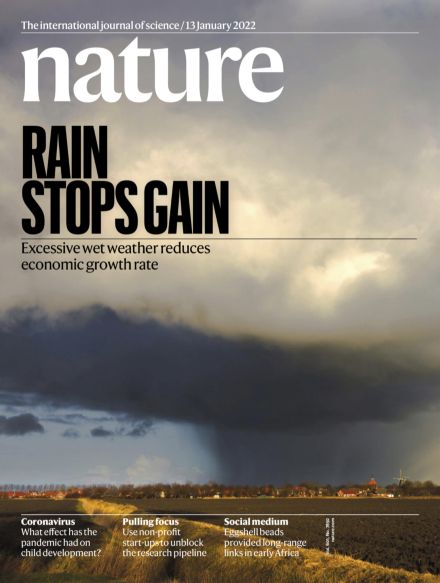

Preview: Times Literary Supplement – January 14
Previews: New Scientist Magazine – January 8
Science In 2022: Covid Vaccines, Multiple Moon Missions & Biodiversity
In this episode, Nature reporter Davide Castelvecchi joins us to talk about the big science events to look out for in 2022. We’ll hear about vaccines, multiple Moon missions, the push to save biodiversity, and more.

Cities: Dubai’s Radical 2040 Urban Master Plan (Video)
The Dubai 2040 Urban Master Plan maps out a comprehensive plan for a sustainable urban development in Dubai. It focuses on enhancing people’s happiness and quality of life and reinforcing Dubai as a global destination for citizens, residents and visitors over the next 20 years.
The plan has a strategic structural layout, integrating all urban development master plans in the emirate and aligned it with Dubai’s strategic economic priorities and the needs of the future.
Dubai 2040 Urban Master Plan is the seventh development plan for the emirate since 1960. Between 1960 and 2020, the population of Dubai has multiplied 80 times from 40,000 in 1960 to 3.3 million while the urban and built area of the emirate increased 170-fold from 3.2 square km.

Ecology: Importance Of Peatlands In CO2 Capture
As more of the world’s forests are destroyed, it makes you wonder: what’s going to absorb CO2 in their place?! In an ironic twist of fate, one of Earth’s “deadest” habitats might be our best hope for an ongoing supply of breathable air.
Called peatlands, these wetland environments are named for their tendency to accumulate decayed plant matter. Unlike most other ecosystems, like forests, where branches and leaves typically decompose in a matter of months… in peatlands, that plant material can stay intact for millenia. You see, peatlands mostly exist in high altitude places where temps are low and there’s not much water flow. This results in their having extremely low oxygen and high acidity levels.
These harsh conditions aren’t very hospitable to microbes and fungi, which are instrumental to the whole decomposition process. So without them around, the plant material sort of… just sits. Over time, that it globs together to form peat, a thick, spongy material that can soak up 20x its weight in water. Peat also soaks up loads of carbon. Through a process known as the Calvin cycle, living plants absorb CO2 from the air and convert it into organic molecules that they can then use as energy to grow.
Through decomposition, the carbon that’s “fixed” in a plant’s structure gets released but since peat doesn’t decompose, that carbon can stay put! It’s estimated that peatlands contain 550 gigatonnes of organic carbon, which is twice as much organic carbon as all the world’s forests combined. That’s absolutely wild, considering that forests cover about 30% of the world’s land area… and peatlands only account for 3%! Like most of the world’s habitats, peatlands aren’t immune to the threats of human development and exploitation.
Peat is also are a very in-demand resource. Its incredible water holding capacity makes it a favorite amongst horticulturists; If you’ve ever picked up a bag of soil amendment, chances are it’s full of the stuff. Since peat is also a fossil fuel with a long burn, it’s used in some parts of the world. Peatlands are also often drained to accommodate other land use activities, like agriculture.

Dementia: Age-Related Eye Diseases Increase Risks
Analysis: Threats To U.S. Democracy, Pandemic Economies, Video Games
A selection of three essential articles read aloud from the latest issue of The Economist. This week, how to think about the threat to American democracy, which economies have done best and worst during the pandemic (10:33) and whether video games really are addictive (17:34).
 Boomers Daily