Ancient philosopher Anaximander’s discoveries about rain, wind and the cosmos may make him the true force behind modern science, argues physicist Carlo Rovelli in his newly republished first book
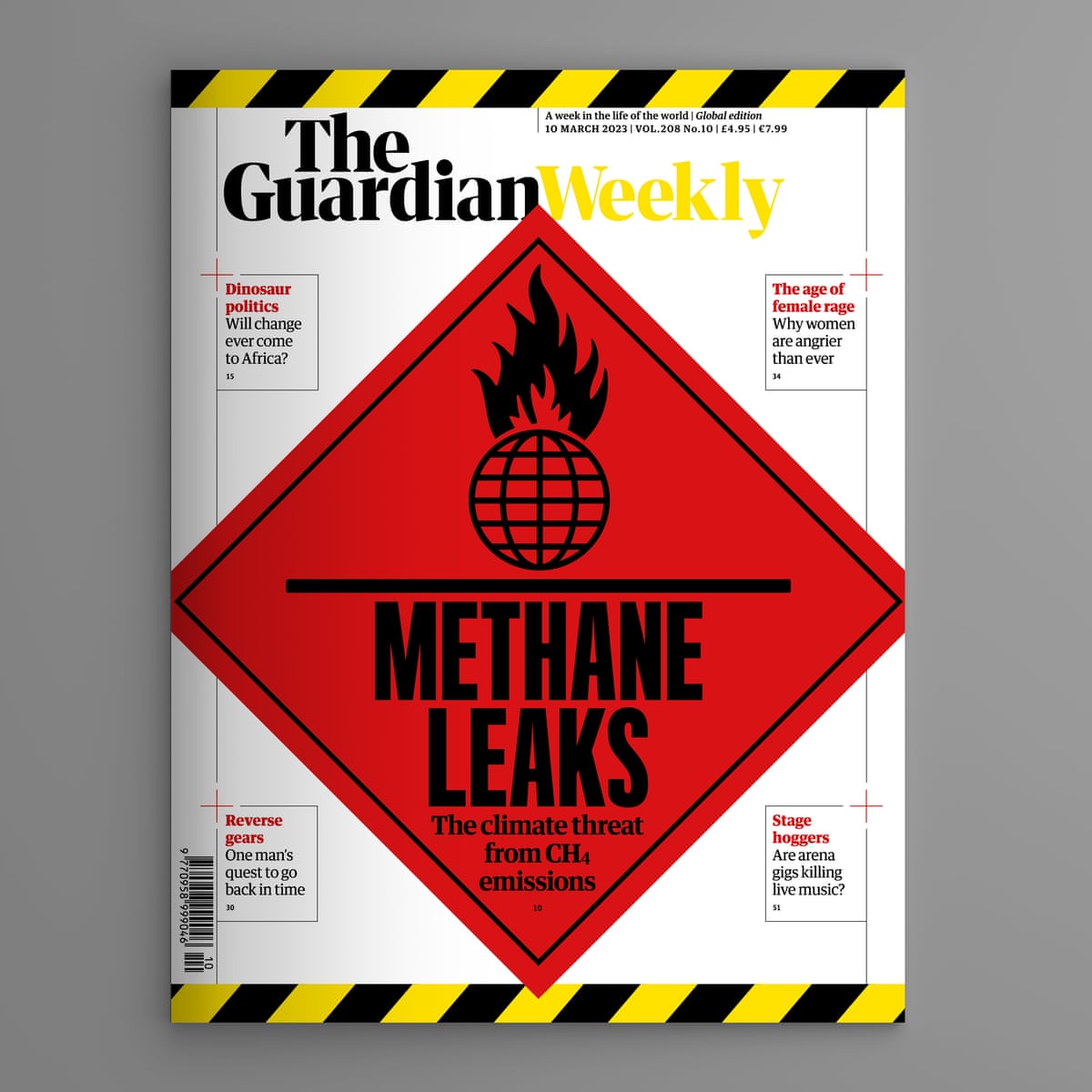
It’s no secret that methane is one of the most potent greenhouse gases, with scientists attributing 25% of global heating to its atmospheric release. A new Guardian analysis by environment editor Damian Carrington lays bare the extent of the problem, identifying more than 1,000 of the world’s worst emitters.
But methane is also a double-edged sword: while it traps 80 times more heat than carbon dioxide, it fades from the atmosphere in about a decade, far faster than the century or more taken by CO2, which is why urgent action to tackle leaks would be so effective in the push to limit global heating. Find out more in Damian’s Big Story report for us this week.
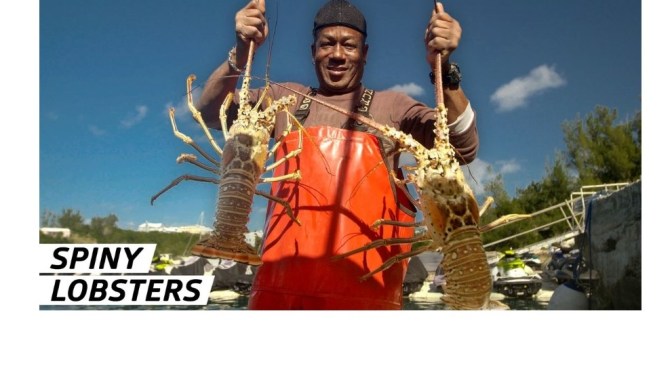
Eater (March 8, 2023) – In Bermuda, spiny lobsters are only in season for seven months. Fisherman and restaurant owner Delvin Bean has been catching lobsters for 30 years, and he takes them straight to his restaurant where they are one of his most sought-after dishes.
Commonly referred to as the Florida spiny lobster, the Caribbean spiny lobster inhabits tropical and subtropical waters of the Atlantic Ocean, Caribbean Sea, and Gulf of Mexico. Spiny lobsters get their name from the forward-pointing spines that cover their bodies to help protect them from predators. They vary in color from almost white to dark red-orange. Two large, cream-colored spots on the top of the second segment of the tail make spiny lobsters easy to identify. They have long antennae over their eyes that they wave to scare off predators and smaller antennae-like structures called antennules that sense movement and detect chemicals in the water.
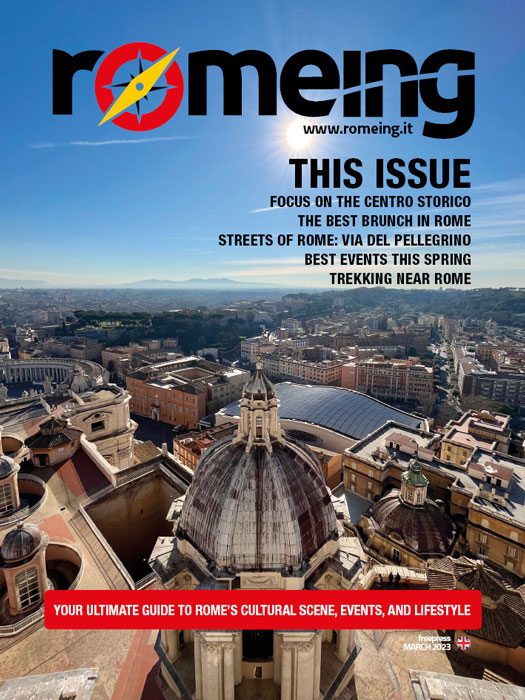
Every city has its historic center, but none can compare to Rome’s. Walking through the beloved centro storico – the Second Unesco World Heritage Site in Italy – is unlike any other stroll.
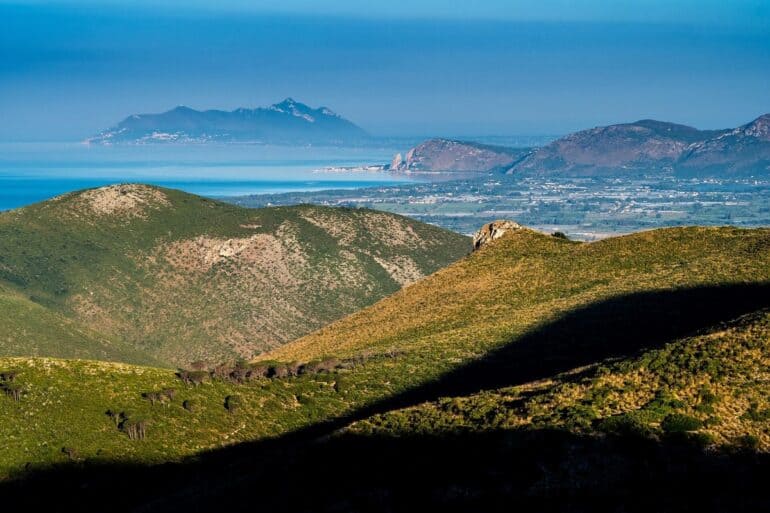
Latium is not only known for being the region hosting the eternal city of Rome, but also for its picturesque landscapes, beautiful mountain ranges, and stunning natural reserves. One of the best ways to explore its beauty is by trekking: here are five of the most impressive trails the region has to offer, just a stone’s throw from the centre of Rome!
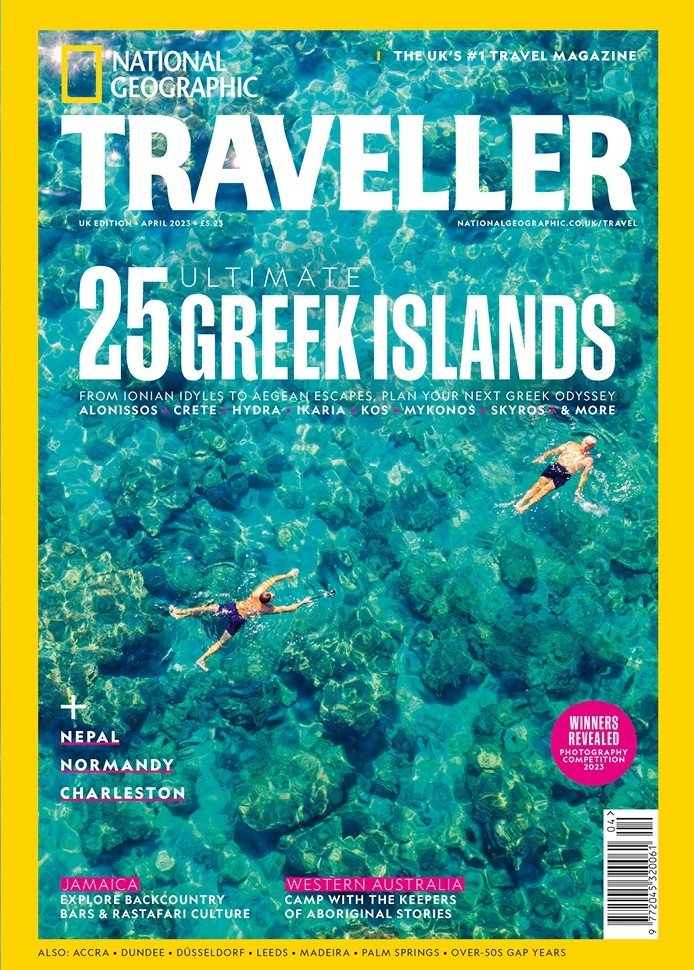
National Geographic Traveller (April 2023) – Our April 2023 is all about 25 Greek islands, from big-hitters like Crete and Santorini to lesser-known spots including Agistri and Kythera. Clifftop villages, local markets and secret stretches of sand await…
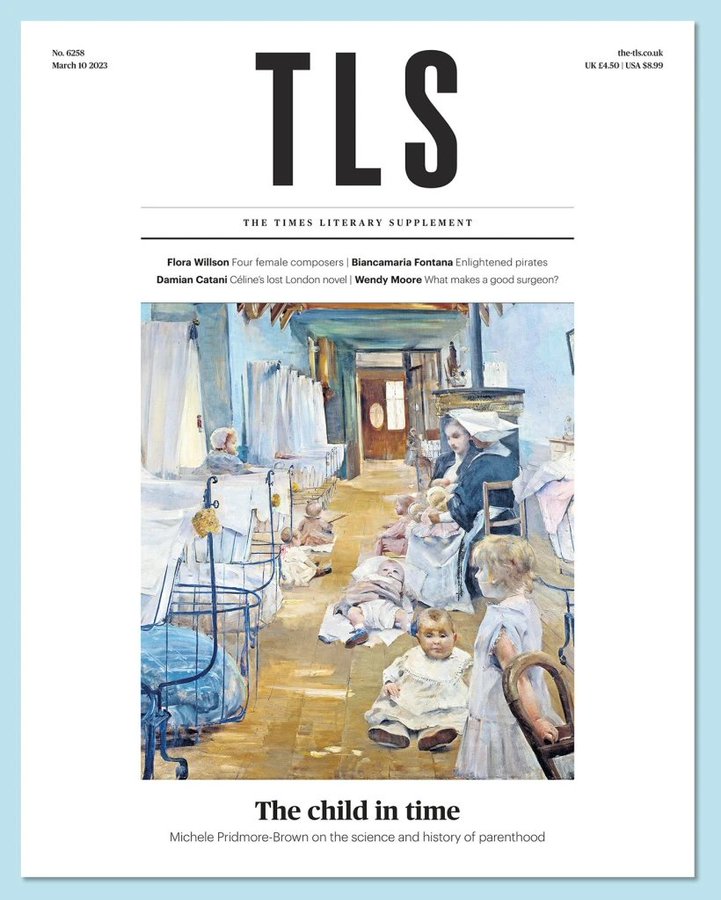
This week’s @TheTLS, features Michele Pridmore-Brown on parenthood; @noosarowiwa on paradise; @TobyLichtig on documentaries; Carlos Fonseca on Pilar Quintana; @wendymoore99 on surgery; new poems by Karen Solie, @RomalynAnte and Steve Ely – and more.
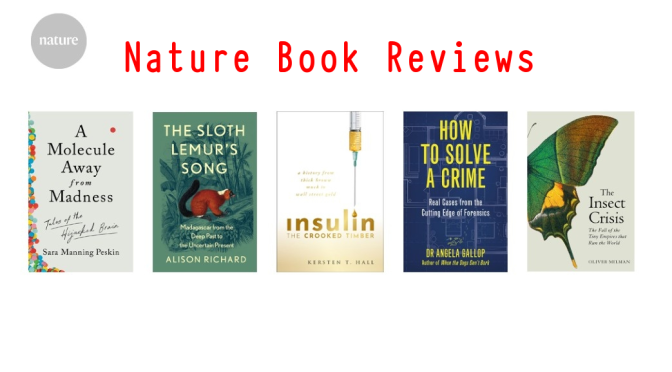
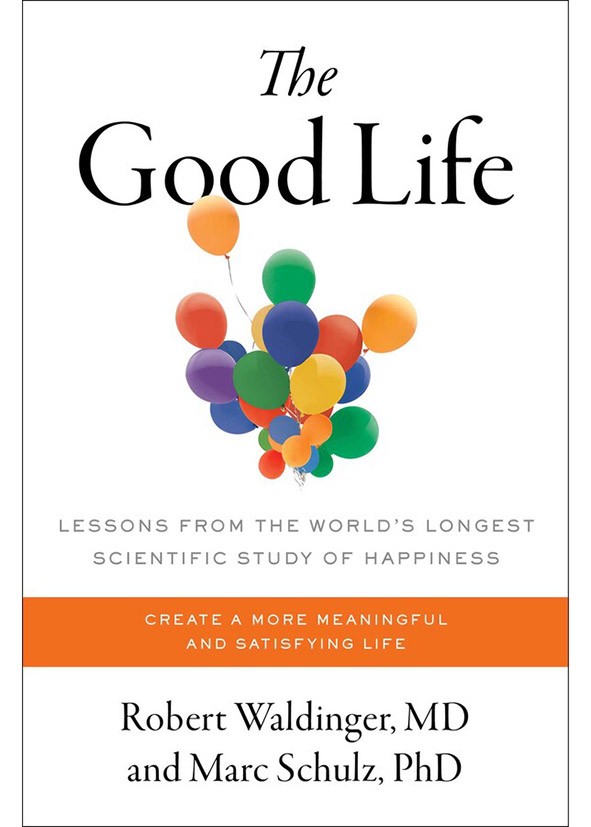
Robert Waldinger & Marc Schulz Simon & Schuster (2023)
Isolation during the COVID-19 pandemic highlighted the link between happiness and good relationships. Scientific evidence for the importance of relationships motivates this always engrossing, sometimes moving, study of happiness, grounded in the Harvard Study of Adult Development. Beginning in 1938, the project has followed two generations of the same families. Current director Robert Waldinger and associate director Marc Schulz show in detail how “the good life is a complicated life. For everybody.”
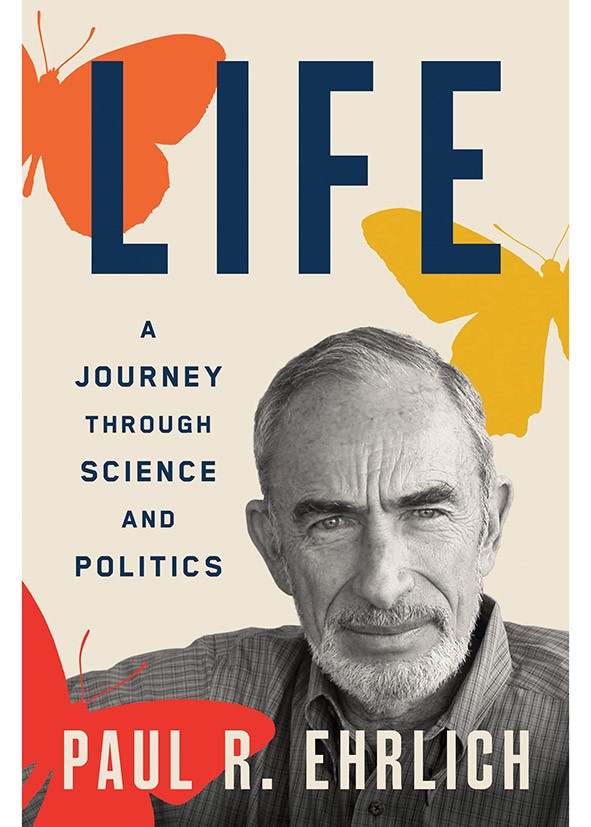
Life
Paul R. Ehrlich Yale Univ. Press (2023)
Biologist Paul Ehrlich is best known for writing — with his wife, conservation biologist Anne Ehrlich — the 1968 book The Population Bomb, which sold two million copies and was widely translated. Its controversial warning of a crisis of overpopulation gave him global exposure. He became a public scholar working with people from many disciplines: economics, political science, history, law, aviation, military intelligence and dentistry “to name a few”, he remarks in his frank, polyphonic autobiography, dedicated “For Anne: Sine Qua Non”.
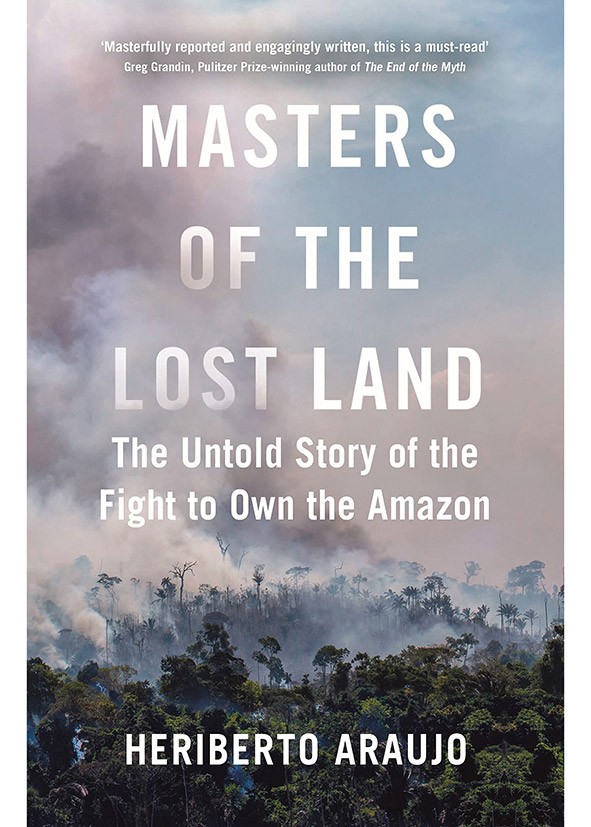
Masters of the Lost Land
Heriberto Araujo Atlantic (2023)
Since 2000, more than 2,000 people worldwide have been murdered for defending their lands or the environment. About one-third were Brazilian, mostly from the Amazon rainforest, notes investigative journalist Heriberto Araujo. He tells the story of the courageous Maria Joel, widow of Dezinho, the leader of a small Amazonian farmworkers’ union. Joel has fought to bring to justice the land baron who ordered her husband’s death. Based on four years of research in Brazil, the book is original, detailed and persuasive.
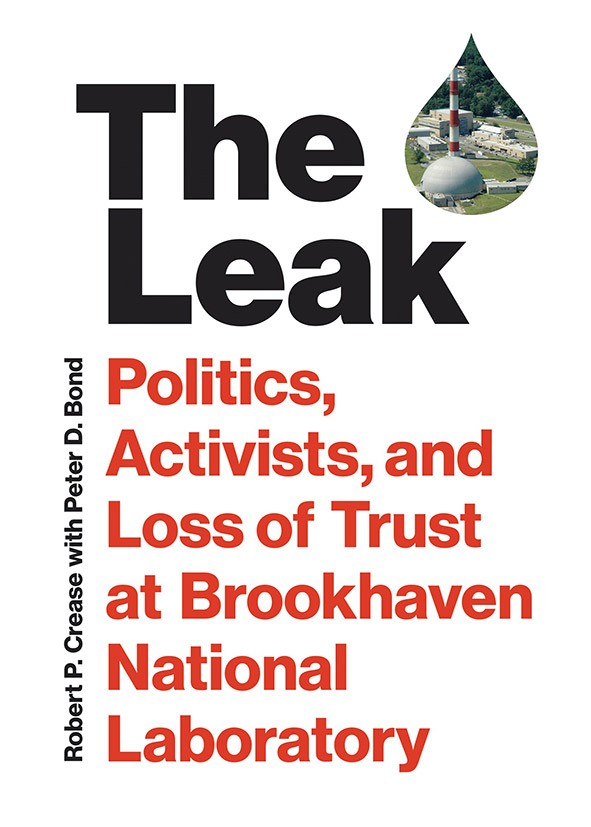
The Leak
Robert P. Crease & Peter D. Bond MIT Press (2022)
Seven Nobel prizes have been awarded for work at Brookhaven National Laboratory in Upton, New York. Yet a leak of radioactive water from the facility turned its 50th anniversary in 1997 into a year of “chaos rather than celebration”, write philosopher of science Robert Crease — author of a history of the lab — and former Brookhaven physicist Peter Bond. Although the incident posed no health hazard, according to federal, state and local officials, it sparked a “firestorm” of activism and politics, captured in this vivid first-hand account.
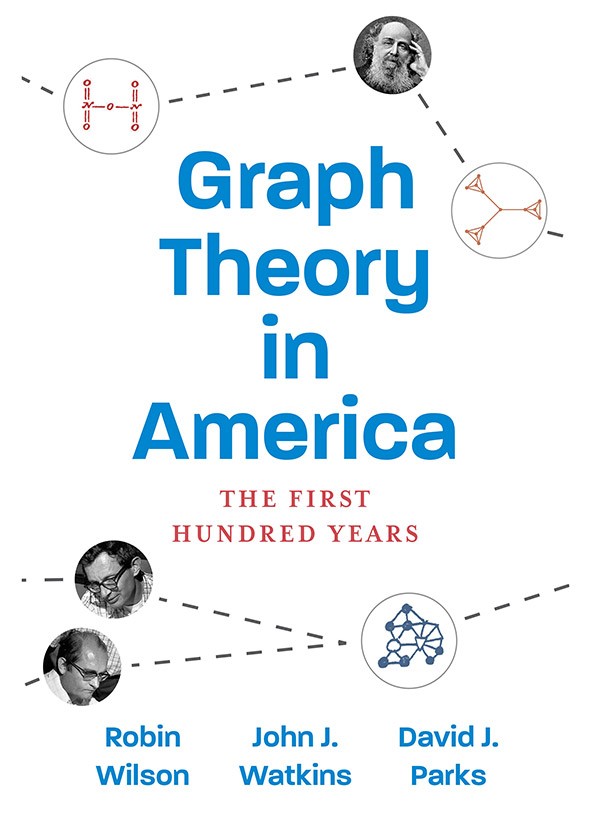
Graph Theory in America
Robin Wilson et al. Princeton Univ. Press (2023)
The modern development of graph theory — which models relationships between pairs of objects in groups — began in 1876 with James Joseph Sylvester, a British mathematician then in the United States. His work was first published in Nature. In 1976, US mathematicians Kenneth Appel and Wolfgang Haken solved a long-standing conundrum in the field, the four-colour problem. The intervening century is described in this graphically illustrated historical treatise by three British and US mathematicians.
March 6, 2023: A selection of three essential articles read aloud from the latest issue of The Economist. This week, how to cure obesity, Ron DeSantis’s foreign policy doctrine (10:53) and why hype can help and hinder entrepreneurs (17:00).
Defamation isn’t the only legal threat to investigative journalism. Data protection and privacy laws are increasingly used as alternatives to a libel claim. Unlike a defamation writ, which claimants generally have only a year to file, data protection and privacy actions can be taken up to six years after publication, and there is no defence of truth.
Medieval Christians understood themselves to be interconnected to an extent that would surprise many people today, at least in Western cultures. Their minds and hearts were legible to other people as well as to God and the devil, and they saw themselves as vulnerable to interference from human and supernatural forces, to both good and bad ends.
The majority of women artists who exhibited at the Salon in the revolutionary period had never before shown their work in public. During the 1790s and early 1800s, several of them submitted self-portraits or portraits of other women artists, presenting, implicitly, an idea of the female painter as both a subject for portraiture and a professional in her own right.
News, Views and Reviews For The Intellectually Curious















 Boomers Daily