Detectives Art Walkley, left, and Karoline Keith and Sgt. Jeff Covello, crime-scene investigators for the Connecticut State Police.Credit…Elinor Carucci for The New York Times
The crime-scene investigators are the ones who document, and remember, the unimaginable. This is what they saw at Sandy Hook.
Although northern elephant seals do sleep on land, like the one pictured here in California, they can also sleep while diving to 300 meters underwater.PHOTO: RACHEL HOLSER, NMFS 23188
Sleep is essential, but not all mammals live in environments where long periods of time asleep are possible. Marine mammals encounter especially challenging conditions for sleep when they are at sea.
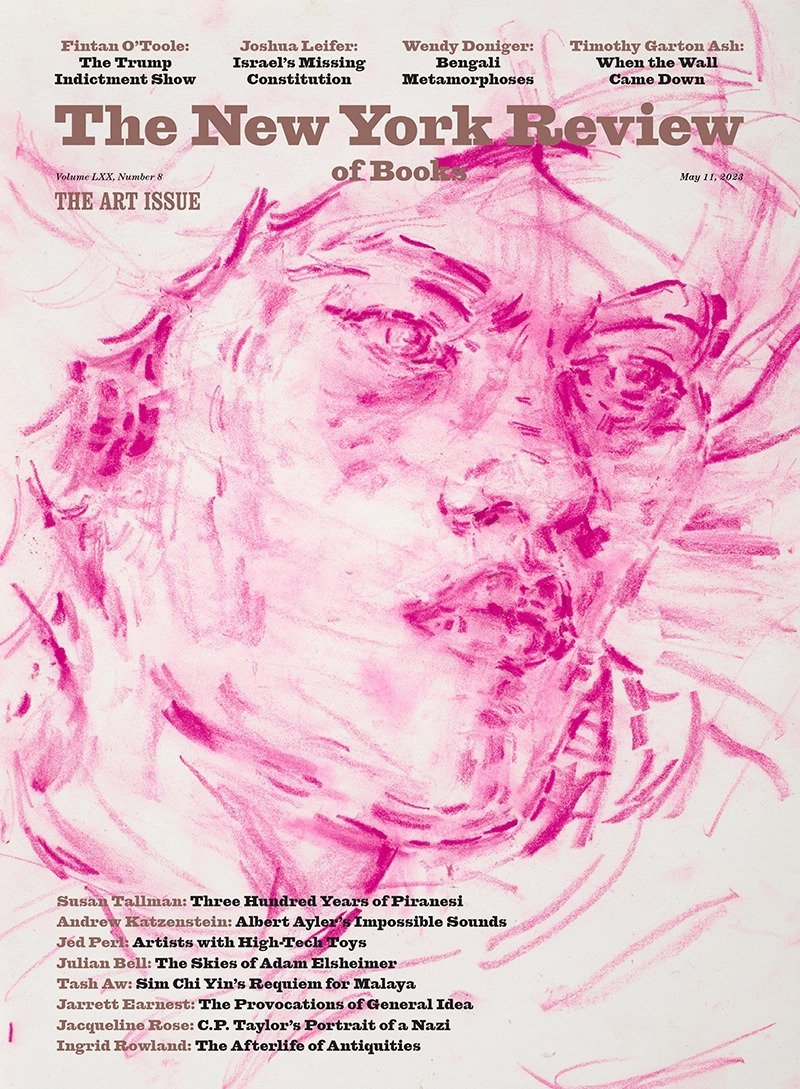
The New York Review of Books – May 11, 2023 issue: The Art Issue features Fintan O’Toole on the return of the Trump circus, Susan Tallman on why Piranesi still speaks to us, Joshua Leifer on democracy deferred in Israel, Ingrid D. Rowland on recycling antiquity, and Julian Bell on Adam Elsheimer’s oceanic immensity.
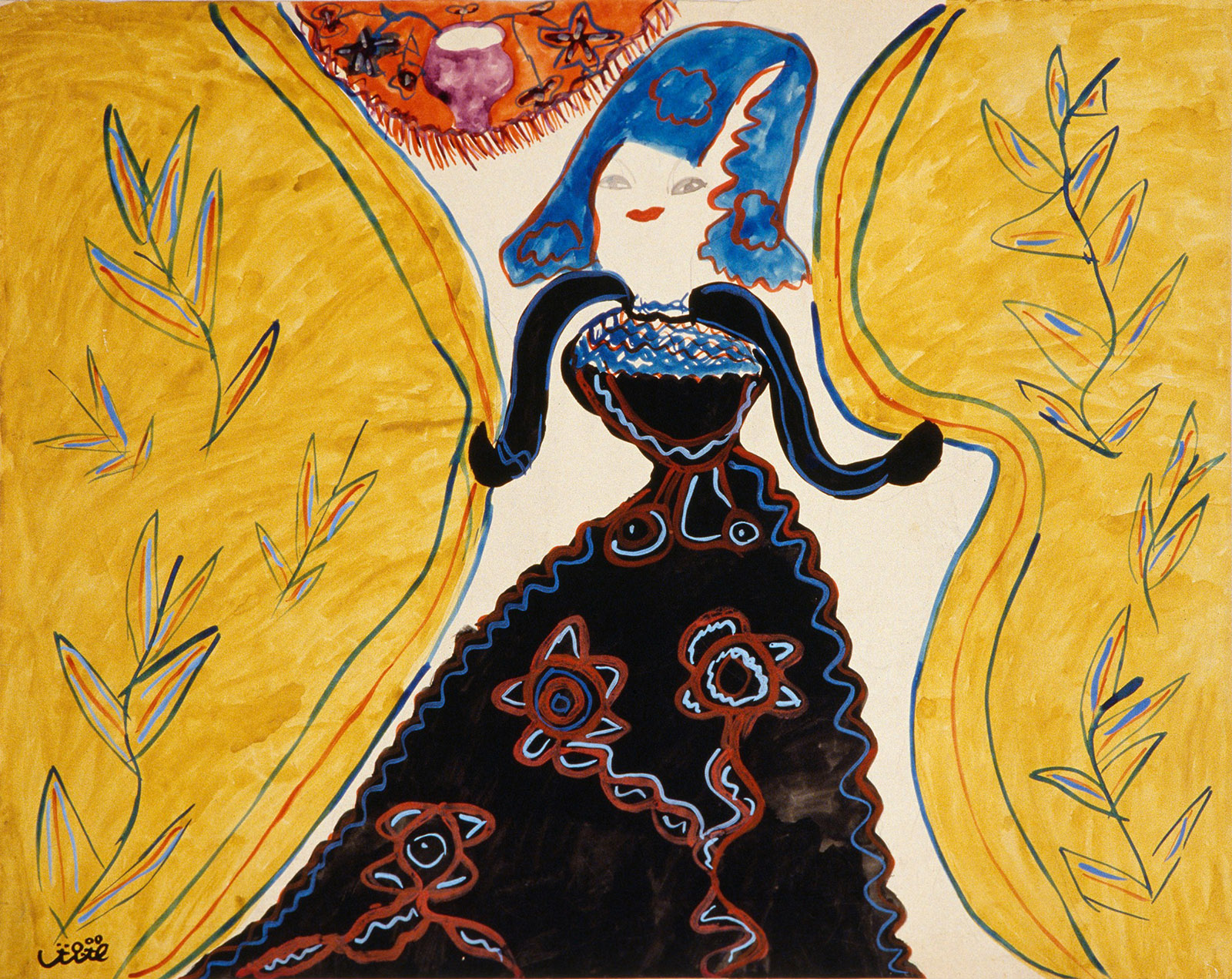
Bachir Mahieddine/Institut du Monde Arabe, ParisBaya: The Yellow Curtains, 1947
An exhibition of the Algerian painter’s work liberates it from the political symbolism of late colonialism.
In November 1947 a fifteen-year-old prodigy from colonial Algeria named Baya, described variously as Kabyle, Berber, Muslim, and Arab, exhibited her gouaches and clay sculptures at the Parisian gallery of the art dealer Aimé Maeght. Yves Chataigneau, the French governor of Algeria, and Si Kaddour Benghabrit, the rector of the Paris Mosque, were the sponsors of the exhibition, and the opening attracted some of the most influential cultural figures of postwar Paris: the writers Albert Camus, François Mauriac, and André Breton; the painters Henri Matisse and Georges Braque; the designer Christian “Bebè” Bérard.
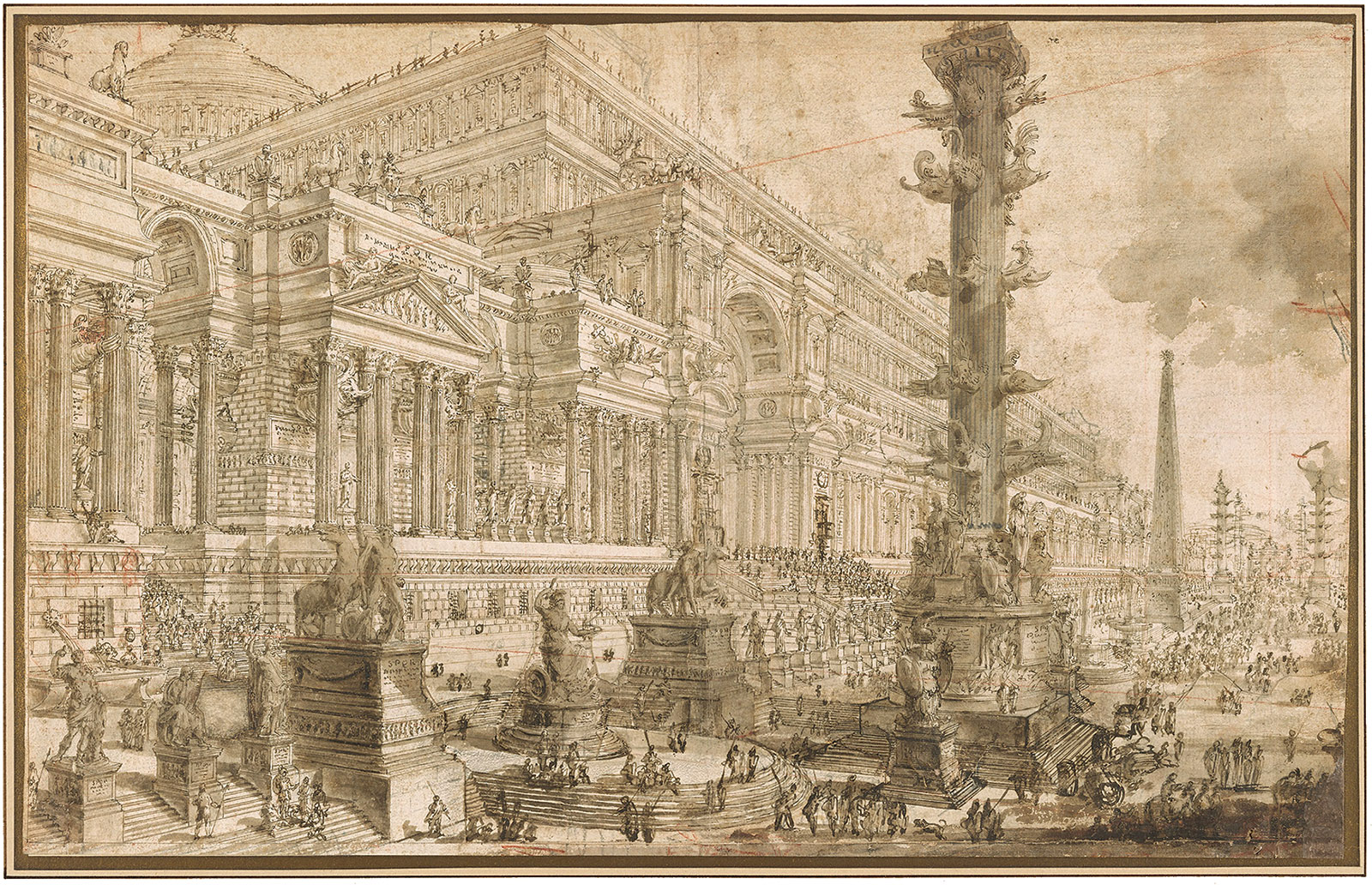
Giovanni Battista Piranesi: Architectural Fantasy with a Colossal Façade, circa 1743–1745; Morgan Library and Museum, New York
For generations, Giovanni Battista Piranesi’s prints of Roman views defined the popular image of the Eternal City. A profusion of new exhibitions and publications shows why he still speaks to us.
Also in the issue: Jacqueline Rose on C. P. Taylor’s final play, Colin B. Bailey on the Impressionists’ decorations, Wendy Doniger on Bengali tales from the mangrove forests, Christopher Benfey on the Black American potters of the nineteenth century, Jed Perl on high-tech high art, poems by Sasha Debevec-McKenney, Mosab Abu Toha, and Cyrus Console, and much more.
The Economist – April 22, 2023 issue: This week’s worldwide cover considers the rapid progress being made by artificial intelligence (ai). The technology is arousing a mixture of fear and excitement. The key to regulating it is to balance its promise with an assessment of its risks—and to be ready to adapt.
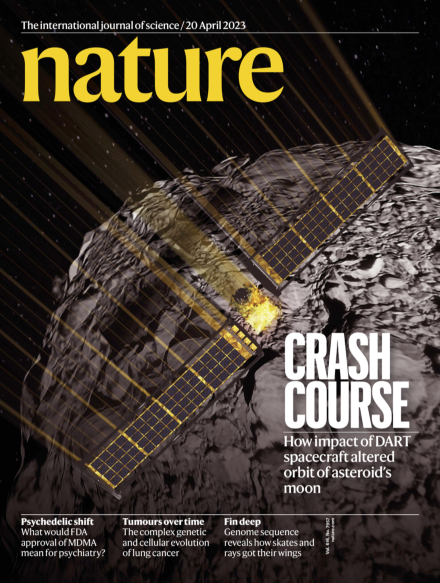
nature Magazine – April 20, 2023 issue: Although currently there is no known threat to Earth from asteroids, strategies to protect the planet from a collision are being explored. On 26 September 2022, NASA and the Johns Hopkins Applied Physics Laboratory successfully tested one such approach: the Double Asteroid Redirection Test (DART) spacecraft was deliberately crashed into Dimorphos, a moon orbiting the small asteroid Didymos, resulting in a change in the moon’s orbit.
Literary Review of Canada – May 2023: Andrew F. Sullivan’s The Marigold features a brief epigraph attributed to Rob Ford: “Everything is fine.” Those three words would be a lot more convincing coming from Jane Jacobs or perhaps even Drake, but coming from the late Toronto mayor, they smack of comedy, irony, and foreboding.
On the lost art of public conversation: It is right to be suspicious of anyone who claims that some prior epoch was a golden age of anything, whether it be talk shows, family values, civil discourse, or whatever else they find lacking in their own time.
A historical whodunit: Clara at the Door with a Revolver: The Scandalous Black Suspect, the Exemplary White Son, and the Murder That Shocked Toronto by Carolyn Whitzman
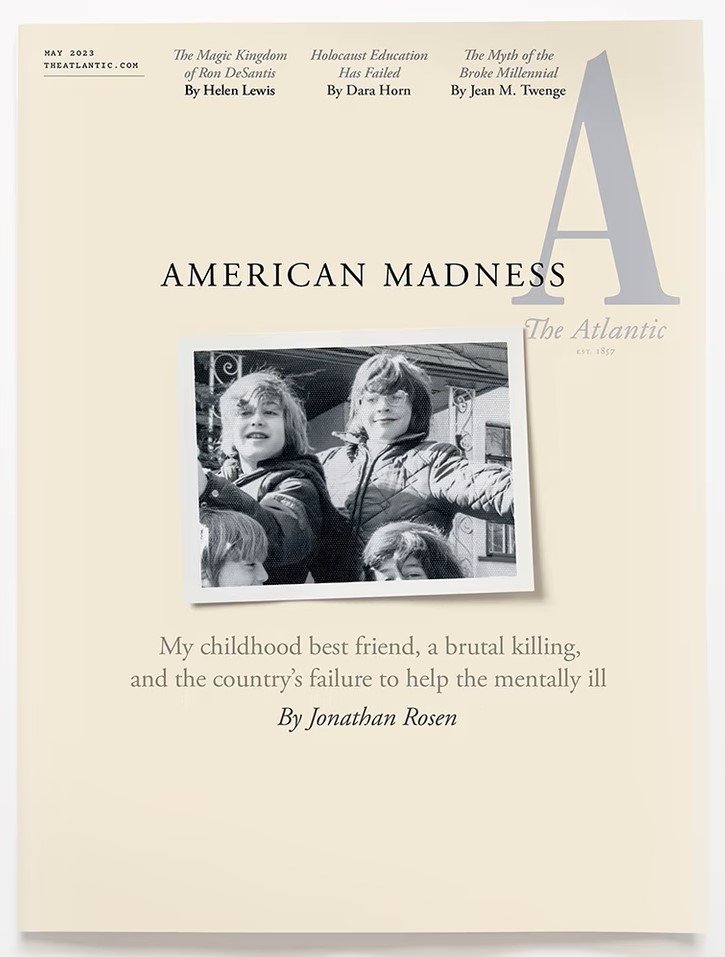
The Atlantic Magazine – May 2023 issue – In “American Madness,” appearing as the cover story of the May issue of The Atlantic, Jonathan Rosen writes about the extraordinary turned tragic trajectory of Michael’s life and illness, and makes a broader argument that how we treat people with severe mental illness in this country must change.


































 Boomers Daily