“What we have is a fundamental change in the age structure of society,” says John Rowe, professor of health policy and aging at Columbia University’s Aging Center, referring to the way we’re aging—and also the way we’re creating young people, with birth rates plummeting in most countries. Globally, fertility levels have dropped below the so-called population replacement rate of just over two births per woman.
It is a sea change—and one that raises big questions about how we both individually and collectively navigate what, in a sense, is our new old age. How, for example, should we spend our extra time? Should employment still be confined to a finite number of years, or instead ebb and flow throughout an entire lifetime? And where, in a world of acute housing shortages, will everyone live?
By studying large language models as if they were living things instead of computer programs, scientists are discovering some of their secrets for the first time.
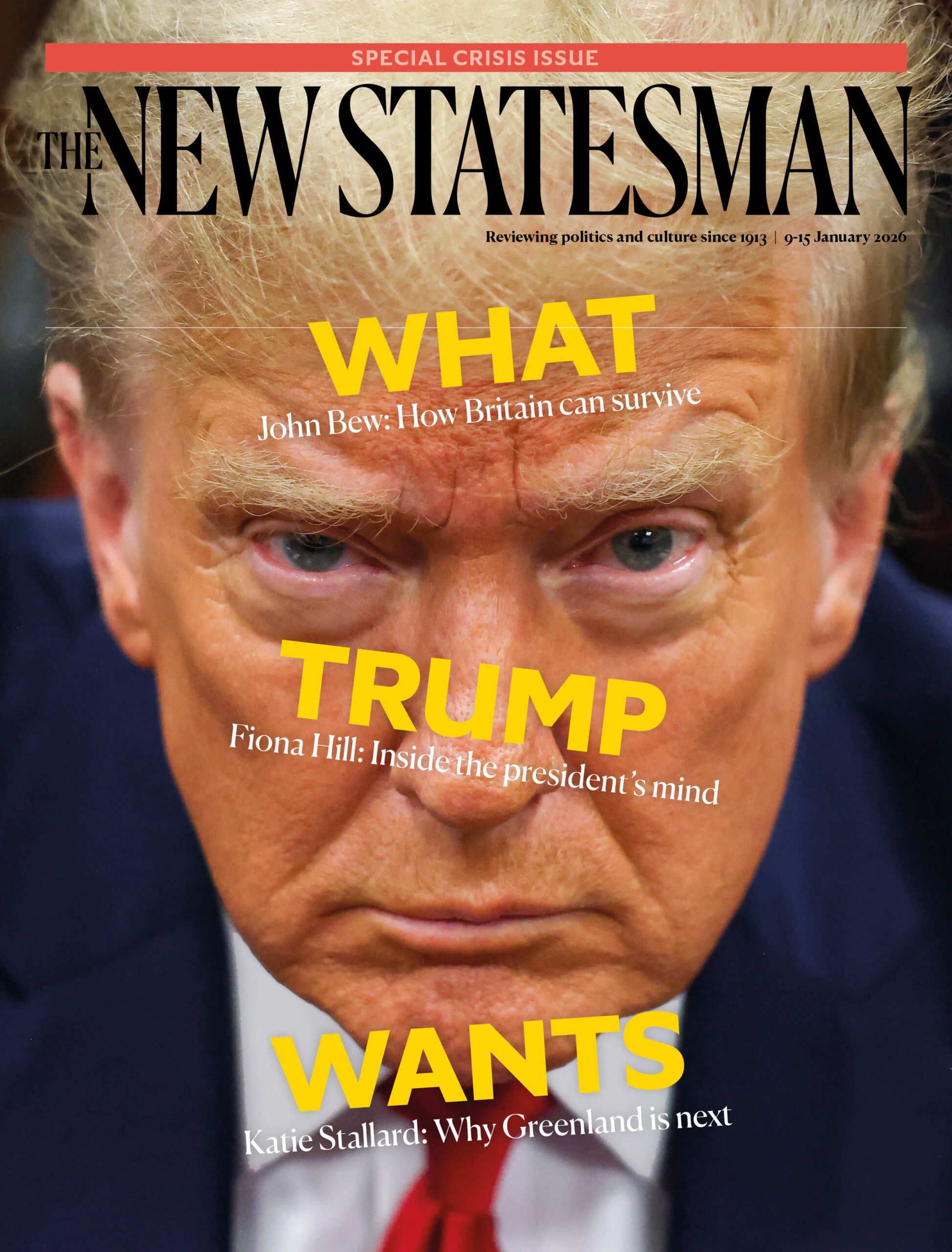
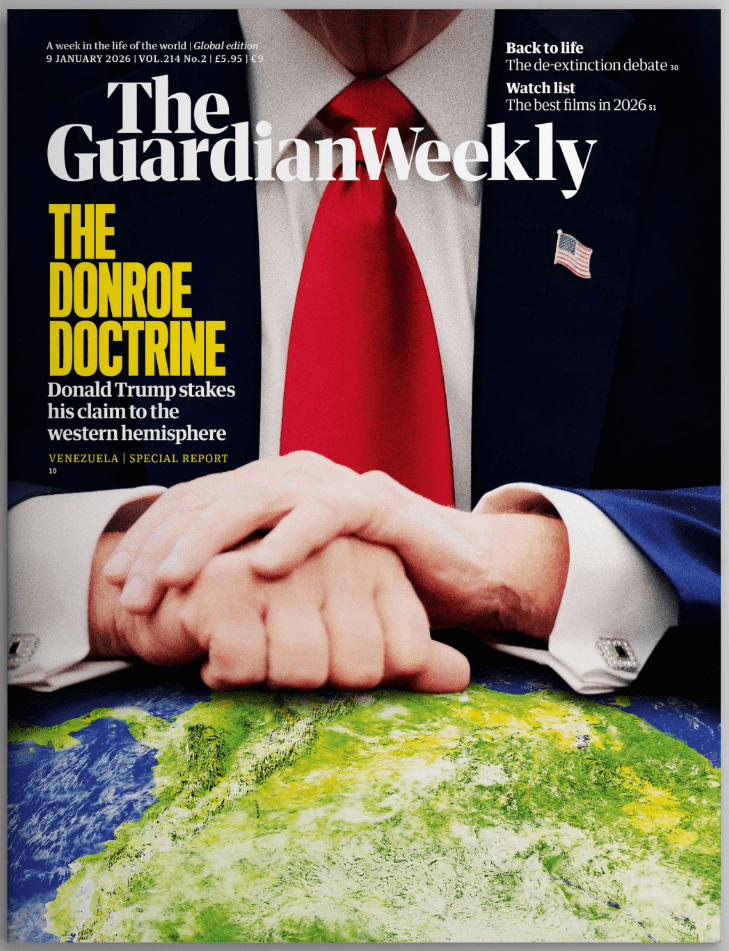
He once defied the G.O.P. by blasting military interventions. But what looked like anti-interventionism is really a preference for power freed from the pretense of principle. By Daniel Immerwahr
Denmark Is Sick of Being Bullied by Trump
The U.S., once Denmark’s closest ally, is threatening to steal Greenland and attacking the country’s wind-power industry. Is this a permanent breakup? By Margaret Talbot
How Marco Rubio Went from “Little Marco” to Trump’s Foreign-Policy Enabler
As Secretary of State, the President’s onetime foe now offers him lavish displays of public praise—and will execute his agenda in Venezuela and around the globe. By Dexter Filkins
They were developed during the civil rights movement to reduce harm, but their rampant use during anti-ICE protests has led to a new kind of violence. By Clayton Dalton
After his son was repeatedly attacked, Rick Kuehner reached out to his suburban school, to the police and to other parents. The violence only got worse. By Matthew Shaer
Donald Trump consigned the remnants of the rules-based international order to the bottom of the Caribbean Sea as US forces extracted Nicolás Maduro to face trial in the US. With allies and adversaries of Washington still adjusting to last weekend’s audacious assault on Caracas, Trump and his inner circle are thinking about their next steps to secure US interests in what they regard as “our hemisphere”.
Our reporting team, led by Latin American correspondent Tom Phillips, gauges the reaction to Maduro’s abduction on the ground in Caracas and among Venezuela’s closest neighbours, while Dan Sabbagh explains how the US military had planned and executed the operation.
Since the start of the US military buildup and blockade of Venezuela, Trump had claimed that Maduro needed to be “brought to justice” for his alleged role in drug trafficking, which Trump claimed had caused thousands of deaths in the US. But, as international commentators Julian Borger and Nesrine Malik explain, that has proved the thinnest of justifications and already by last Saturday it was clear that Venezuela’s huge oil reserves were uppermost on his mind.
Spotlight | Iran in turmoil An ailing economy and plummeting exchange rate have prompted the biggest street protests in many years, report Deepa Parent and William Christou
Science | Is de-extinction really possible? Bringing woolly mammoths and dire wolves back to life captured the public’s imagination last year but, Patrick Greenfield reports, there are questions around what can actually be achieved
Feature | The power and purpose of guilt Psychologist Chris Moore saw first-hand how powerful and complex an emotion it is, as he explains to Emine Saner
Opinion | Adieu to the French art of lunch Paul Taylor mourns the demise of a convivial lunch at a bistro serving freshly prepared food and the end of an unpretentious part of working culture
Culture | Is the crisis in masculinty just a joke? It’s a ridiculous time to be male – and that’s good news for a new genre of social media comedy poking fun at the manosphere, finds Matthew Cantor
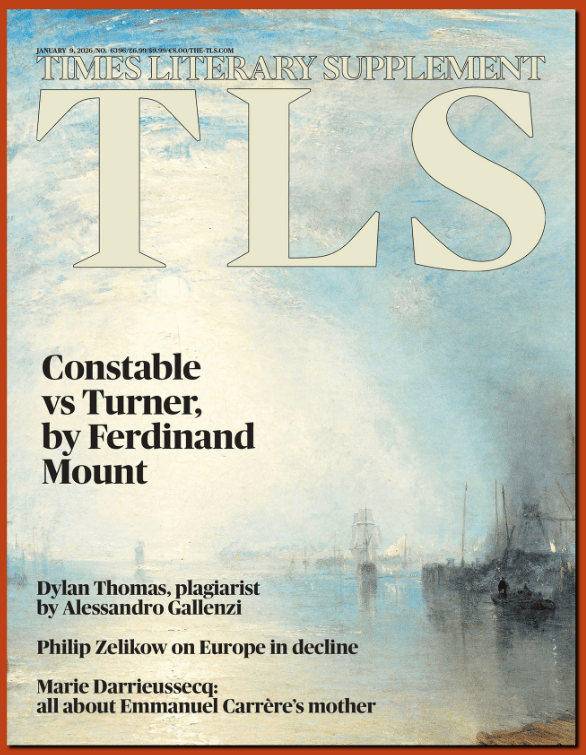
Turner is on our banknotes, Constable in our hearts By Ferdinand Mount
Coming out of Tate Britain just before noon on Budget Day, you are blinded by a blistering white sun behind Vauxhall Cross. The steepling glass towers south of the river are washed in an opal mist, the ziggurats of the MI6 HQ eclipsed to a ruined beige. Vauxhall Bridge gleams in the scarlet and yellow of a Turner sunset. J. M. W. would have rushed to the Embankment, whipped out his sketchbook, then worked up the whole shimmering scene into a six-footer and called it something like “The End of England”. John Constable would probably have turned away to catch the next coach to Hampstead Heath to paint Branch Hill Pond again.
‘One day, they’ll find me out’
How the young Dylan Thomas repeatedly stole from others By Alessandro Gallenzi
Mother was always right
A love-hate relationship recalled by France’s ‘greatest living writer’ By Marie Darrieussecq
The notebook fallacy
Why stylish stationery won’t change your life By Ian Sansom
News, Views and Reviews For The Intellectually Curious













 Boomers Daily