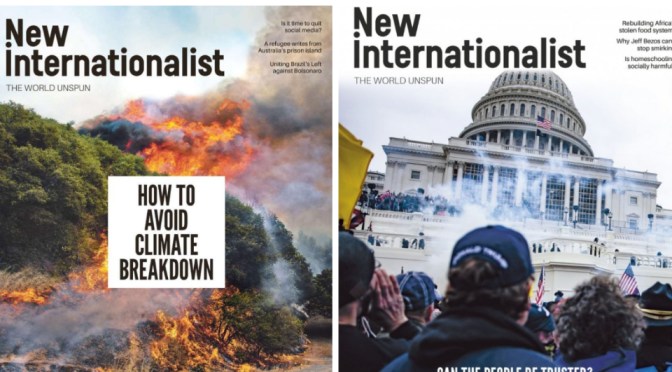
The land beneath our feet is what sustains us – from it we can produce food, construct shelter and build livelihoods. But, it’s also a cultural marker and a source of identity. Its control has been a long-favoured tool of colonizers, wealth hoarders and polluters, while its fiercest protectors – often Indigenous peoples – are criminalized, violated and dispossessed. This edition hears from struggles to take back the land in Brazil, Bangladesh, Kenya and North America. We also launch our new series ‘Decolonize how?’ which will explore what people are doing to dismantle the impacts – and current realities – of British-linked colonialism.
Railways can be a world unto themselves. When properly managed, this can mean it’s easier to get things done on the railways than in other parts of an economy. That should be a huge opportunity for reducing climate emissions by getting passengers off the roads and out of the skies. But unless we re-purpose rail networks to serve the interests of people – and not those of the empires and corporations which built them and run them to this day – we can’t succeed. This edition explores how we can make a start on this task.
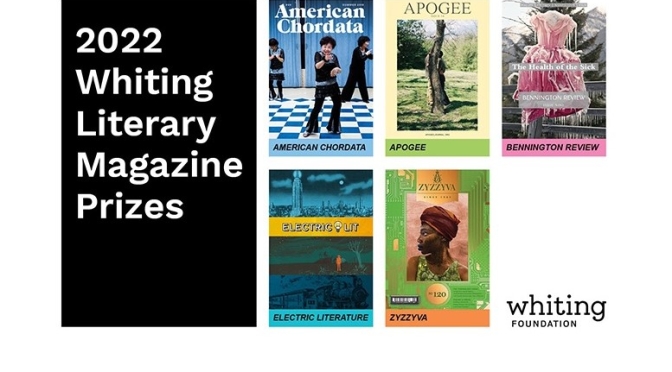
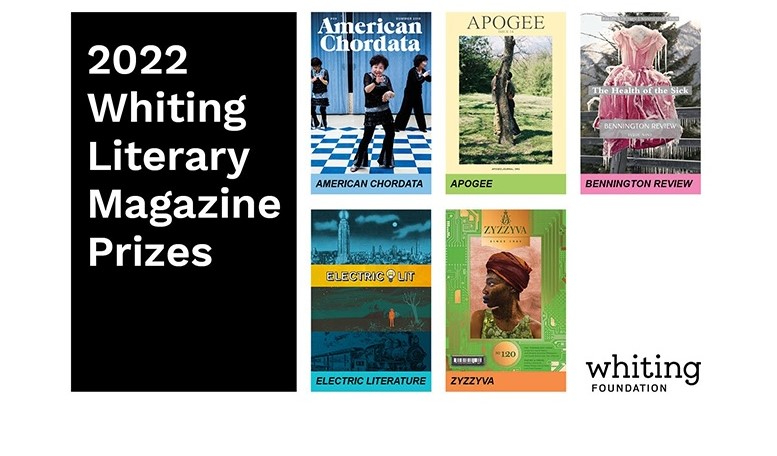
Today, the Whiting Foundation announced the winners of its 2022 Literary Magazine Prizes, which honor “the most innovative and essential publications at the forefront of American literary culture.” The five winners were chosen—from an initial pool of more than eighty applicants —based on their “excellence in publishing, advocacy for writers, and a unique contribution to the strength of the overall literary community.”
“This prize was designed to create cohorts capable of tackling shared challenges with mettle and imagination, and it’s thrilling to picture the conversations that these terrifically varied magazines will have,” said Courtney Hodell, director of literary programs, in a statement. “We look forward to learning with and from them.”
The 2022 print winners are:
ZYZZYVA (San Francisco, CA), a stalwart West Coast publication with national reach, an exquisitely curated reading experience, and top-notch design.
Medium-Budget Print Prize Winner ($150,000–$500,000 budget) Total prize: $60,000
Bennington Review (Bennington, VT), a relaunch of an eminent university publication—a visually stunning journal with an imaginative and sophisticated vision that offers hands-on experience to the next generation of editors.
Small-Budget Print Prize Winner (under $150,000 budget) Total prize: $30,000
American Chordata (Brooklyn, NY), a budding independent magazine full of thought-provoking interplay between text and visual art—a careful assemblage of young writers and artists alongside recognized talents.
Print Development Grantee (under $50,000 budget) Total prize: $15,000
And the 2022 digital winners are:
Apogee Journal (New York, NY), an incubator for multicultural writers with a finger on the pulse of the literary landscape and an established reputation for publishing stellar up-and-comers.
Digital Prize Winner (under $500,000 budget) Total prize: $19,500
Electric Literature (Brooklyn, NY), a buzzing concourse for news and ideas publishing compelling essays, short stories with insightful context, and incisive critical coverage of the literary world.
Digital Prize Winner (under $500,000 budget) Total prize: $19,500
It is probably best not to take advice direct and unfiltered from the animal kingdom – but lemurs are, I think, an exception. They live in matriarchal troops, with an alpha female at their head.
The first lemur I ever met was a female, and she tried to bite me, which was fair, because I was trying to touch her, and humans have done nothing to recommend themselves to lemurs. She was an indri lemur, living in a wildlife sanctuary outside Antananarivo; she had an infant, which was riding not on her front, like a baby monkey, but on her back, like a miniature Lester Piggott. She had wide yellow eyes. William Burroughs, in his lemur-centric eco-surrealist novella Ghost of Chance, described the eyes of a lemur as ‘changing colour with shifts of the light: obsidian, emerald, ruby, opal, amethyst, diamond’. The stare of this indri resembled that of a young man at a nightclub who urgently wishes to tell you about his belief system, but her fur was the softest thing I have ever touched. I was a child, and the indri, which is the largest extant species of lemur, came up to my ribs when standing on her hind legs. She looked, as lemurs do, like a cross between a monkey, a cat, a rat and a human.
For this Independence Day, we’re dedicating this special episode to journalism and the role it plays in our democracy. Journalism is in danger. It’s under attack and distrusted by many. Tens of thousands of journalists are out of work mostly in local news, where trust is highest.
Guests: Axios’ Sara Fischer, The Oaklandside’s Tasneem Raja, Knight Chair in Journalism and Digital Media Economics Penelope Muse Abernathy
Humphrey Hawksley is an author, commentator and broadcasters. His work as a BBC foreign correspondent took him all over the world, giving him a global perspective that informs his writing.
His new book, ‘Man on Edge’, puts the reader at the centre of a geopolitical crisis in Moscow.

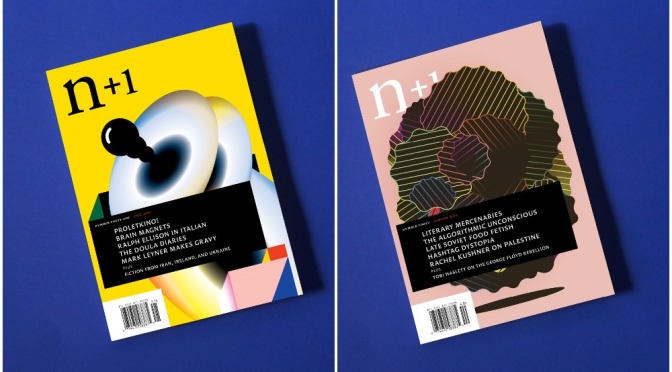
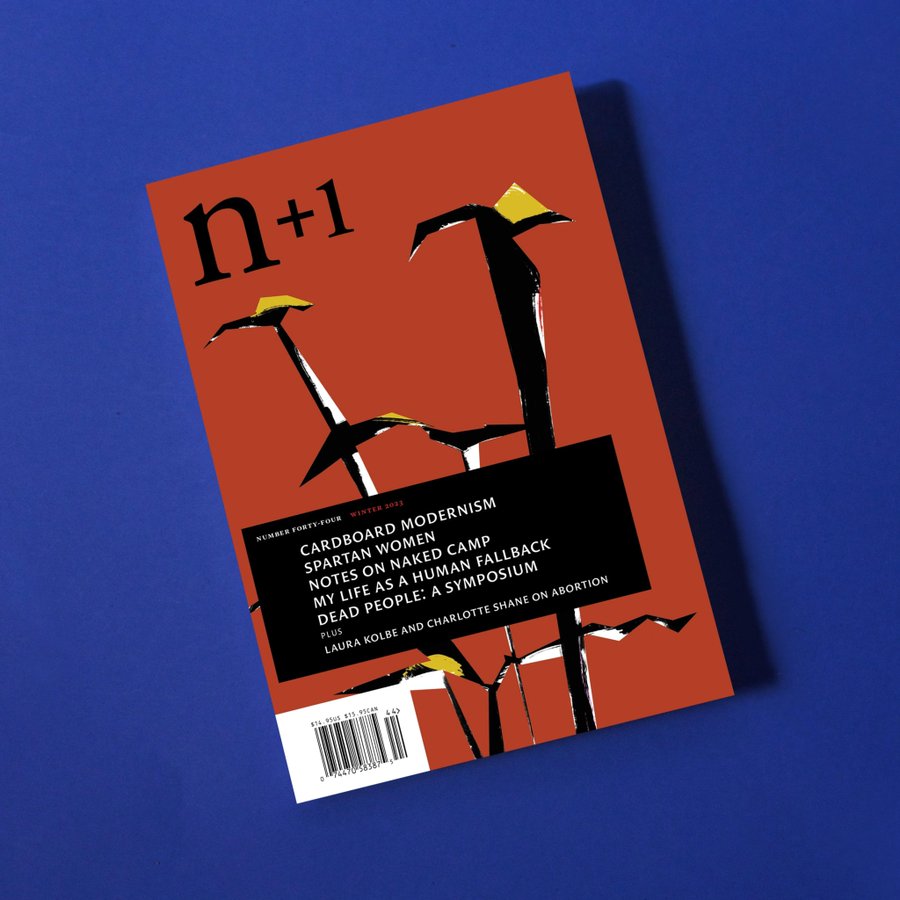

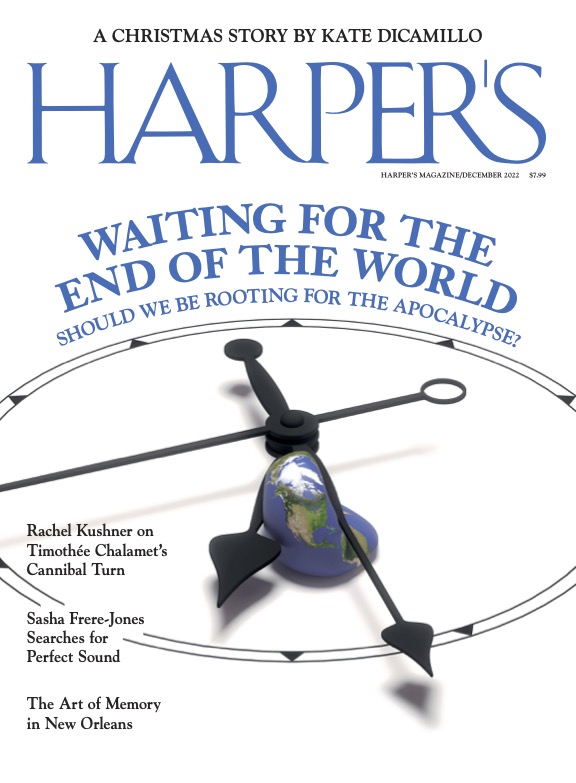




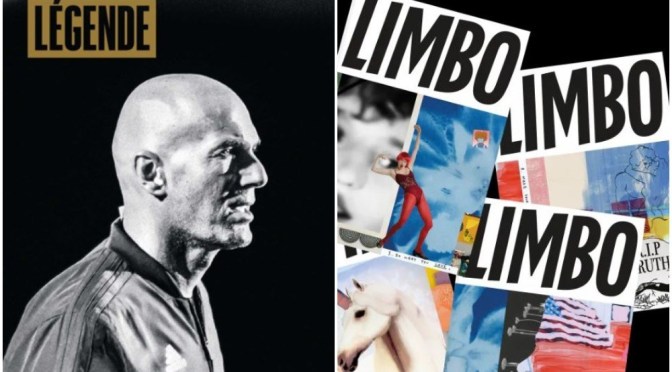
 Monocle 24 – The Stack looks at first issues of European magazine titles on the newsstands: ‘Limbo’, ‘Légende’, ‘command+i’ and ‘The White Room’.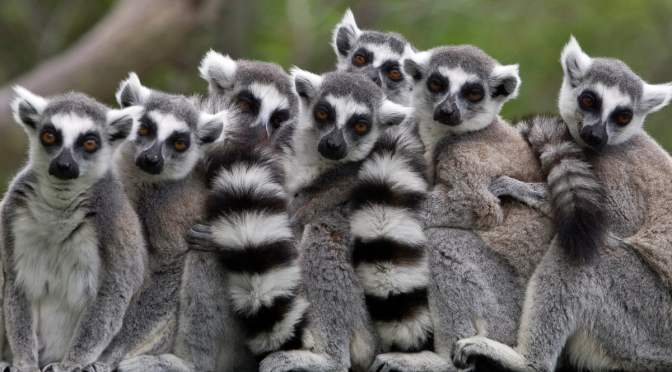

 The first lemur I ever met was a female, and she tried to bite me, which was fair, because I was trying to touch her, and humans have done nothing to recommend themselves to lemurs. She was an indri lemur, living in a wildlife sanctuary outside Antananarivo; she had an infant, which was riding not on her front, like a baby monkey, but on her back, like a miniature Lester Piggott. She had wide yellow eyes. William Burroughs, in his lemur-centric eco-surrealist novella Ghost of Chance, described the eyes of a lemur as ‘changing colour with shifts of the light: obsidian, emerald, ruby, opal, amethyst, diamond’. The stare of this indri resembled that of a young man at a nightclub who urgently wishes to tell you about his belief system, but her fur was the softest thing I have ever touched. I was a child, and the indri, which is the largest extant species of lemur, came up to my ribs when standing on her hind legs. She looked, as lemurs do, like a cross between a monkey, a cat, a rat and a human.
 For this Independence Day, we’re dedicating this special episode to journalism and the role it plays in our democracy. Journalism is in danger. It’s under attack and distrusted by many. Tens of thousands of journalists are out of work mostly in local news, where trust is highest.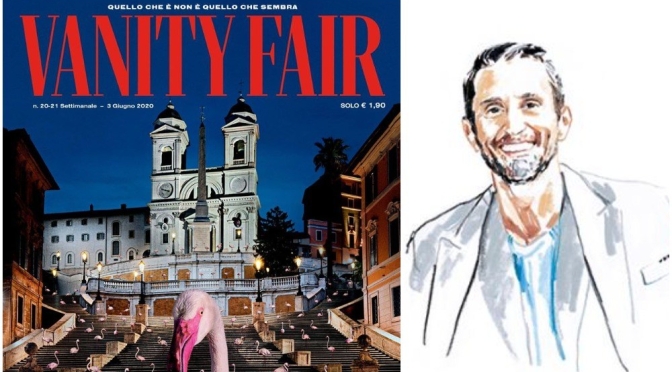
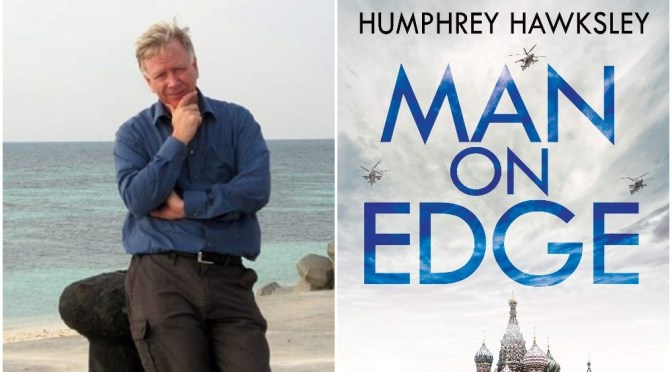
 Humphrey Hawksley is an author, commentator and broadcasters. His work as a BBC foreign correspondent took him all over the world, giving him a global perspective that informs his writing.
  Boomers Daily