

Take a virtual journey across the globe and experience years worth of Venetian history with expert tour guide Mose Viero. This “Venice in a Day” tour explores incredible historic landmarks and architecture, including the Grand Canal, St. Mark’s Basilica Bell Tower, Rialto Bridge and Doge’s Palace.
Category Archives: History
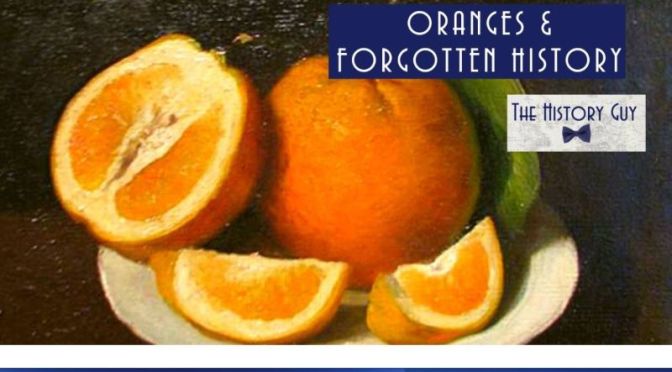
Fruits: ‘The History Of Orange Trees’ (Video)
Orange trees are among the most popular fruit trees grown around the world. But the orange has a unique history that is intimately tied to human civilization and deserves to be remembered. This is original content based on research by The History Guy. Images in the Public Domain are carefully selected and provide illustration. As very few images of the actual event are available in the Public Domain, images of similar objects and events are used for illustration.
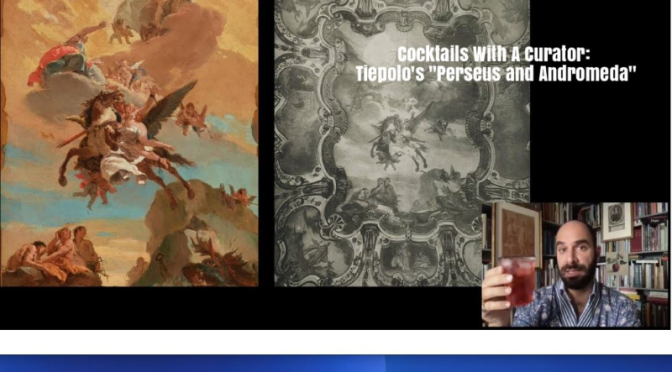
Cocktails With A Curator: Tiepolo’s “Perseus and Andromeda” (Frick Video)
In this week’s episode of “Cocktails with a Curator,” Deputy Director and Peter Jay Sharp Chief Curator Xavier F. Salomon considers the fragility of art in the context of the Frick’s “Perseus and Andromeda” by Giambattista Tiepolo. This depiction of the Greek demigod saving Andromeda from a sea-monster is a preparatory sketch for a series of ceiling frescoes at Palazzo Archinto in Milan that were destroyed during an Allied bombing in 1943. The painting was featured in an acclaimed 2019 exhibition at the Frick that brought together the surviving preparatory works and pre-war photography to tell the story of these lost masterpieces. This week’s complementary cocktail is a Milanese Gin and Tonic.
To view this painting (or object) in detail, please visit our website: https://www.frick.org/perseusandromedaSHOW LESS

Artwork: Claude Monet’s ‘Japanese Footbridge And Water Lily Pool, Giverny’
Often called the Father of Impressionism, Claude Monet inspired the term that defined this movement. Born in Paris, Monet would later live in Giverny, where he purchased a property, planted sprawling gardens, and painted his famous water lilies. https://www.philamuseum.org/collectio…
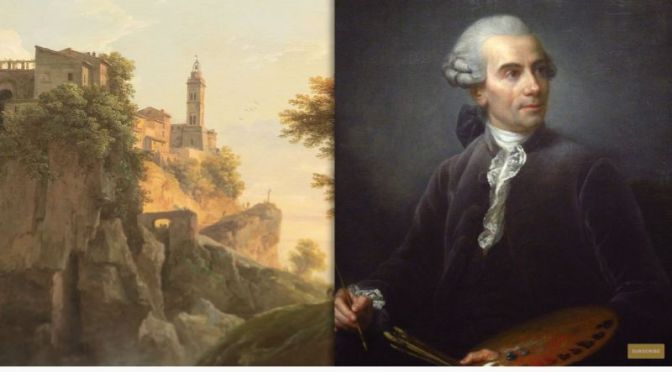
Artist Profile: French Landscape Painter Joseph Vernet – ‘View Of Tivoli’
In the 18th century, Joseph Vernet was uncontestably the greatest landscape painter of his generation. In this episode of Anatomy of an Artwork, discover how the ambitious and poetic landscape of ‘View of Tivoli’ pays tribute to the Italy Vernet loved so dearly.
Claude-Joseph Vernet was the leading French landscape painter (with Hubert Robert) of the later 18th century. He achieved great celebrity with his topographical paintings and serene landscapes. He was also one of the century’s most accomplished painters of tempests and moonlight scenes.
Vernet was born at Avignon and trained there with his father, Antoine, and with the history painter Philippe Sauvan. He spent the years 1734 to 1752 in Rome, where he studied classical landscapes in the tradition of Claude and Gaspard Dughet, as well as the dramatic paintings of Salvator Rosa. In Rome he was influenced by the contemporary Roman topographical painter Giovanni Paolo Panini. He had many English clients and admirers in Rome, including Richard Wilson, whom Vernet is thought to have encouraged as a landscape painter.
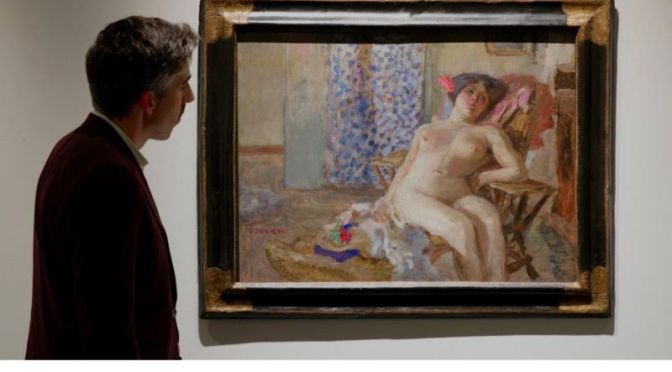
Artist Profile Video: French Painter Pierre Bonnard (1867-1947)
In this episode of Expert Voices, Scott Niichel examines three captivating works by Pierre Bonnard. Bonnard explores variations in colors and light in a way no other artist can; in effect, the artist builds a bridge between Impressionism and Modernism.
Pierre Bonnard was a French painter, illustrator, and printmaker, known especially for the stylized decorative qualities of his paintings and his bold use of color.

Foods: How Japan Has Been Making Soy Sauce For Over 220 Years (Video)
Masatsugu Fueki uses the same traditional practice of making soy sauce that his predecessors used at Japan’s Fueki Syoyu Brewing over 220 years ago. Fueki takes us through the factory and the multi-step natural brewing process which only uses three ingredients — soybeans, flour, and salt.
Credits: Producers: Carla Francescutti, Pelin Keskin Director/Camera: Tofu Media Editor: Carla Francescutti

Ancient Arts: ‘Lost-Wax Bronze Casting’ (Video)
See the process involved in casting a bronze figure – from the creation of a wax model through to the final sculpture. Find out more about sculpture: https://www.vam.ac.uk/collections/scu…
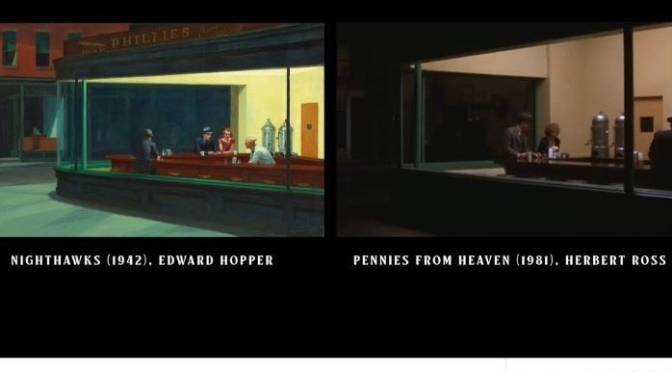
Art & The Movies: Paintings That Inspired Great Films
This video is a visual representation on how film directors create movies or movie scenes influenced by famous paintings.
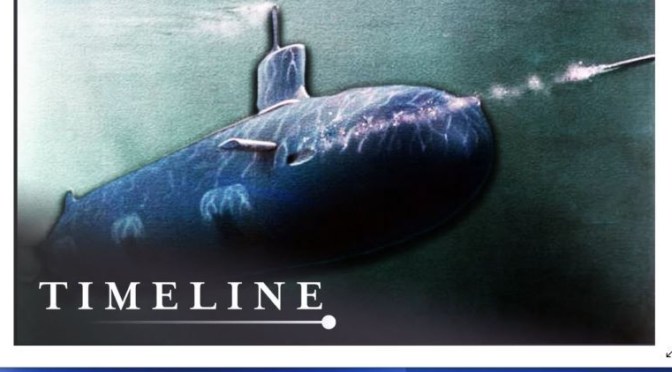
Military Videos: ‘History Of Submarine Combat’
From silent one-man midget subs to U-boats on secret missions, both sides used secret submersibles of all shapes and sizes to conduct clandestine warfare in the war. An examination of the murky world of underwater “sneak craft” in WWII.
 Boomers Daily