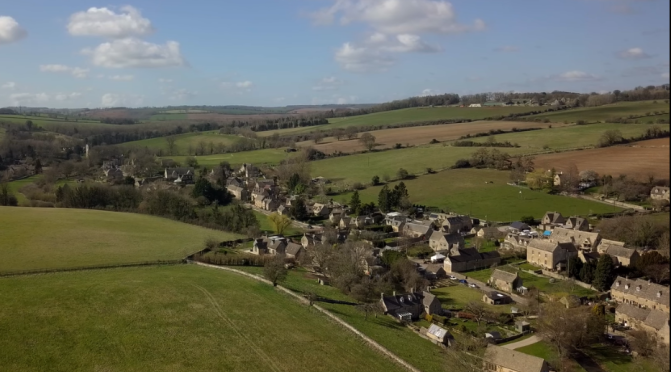
Not far from Stow-on-the-Wold, the village of Naunton sits in a small valley along the river Windrush. Our travelling companion Herbert Evans didn’t have much to say for the place, but we still certainly found it to be a peaceful spot.
Naunton is a village in Gloucestershire, England. It lies on the River Windrush in the Cotswolds, an area of outstanding natural beauty. Stow-on-the-Wold is about 6 miles to the east.
Architectural Digest takes you to Washington, D.C. for a walking tour of The National Mall with architect Nicholas Potts, highlighting some complex architectural details hidden in plain sight. The development of our nation’s capitol was drastically reimagined by 1902’s McMillan plan, implemented primarily to improve the design of the city’s monuments and parks.
Nick Potts brings this evolution to life, highlighting some remaining vestiges of 19th century D.C. while explaining how the city changed around them – including the White House itself.
In the Denver Art Museum’s Art of the Ancient Americas galleries, we worked with Mexico City-based animators Hola Combo to create animations to help tell the origin stories that explain the relationship between ancient American communities and the their environment. For the Andes, we chose a story that loosely relates to the works on display. “The Legend of Ñaymlap” is an ancient story from Peru’s northern coastal communities and supposedly records the origins of the Sicán or Lambayeque dynasty (about 750–1375 CE). Within this origin story, there is a moral about the relationship between the deities and the land. As the ruler turns away from the deities, rain and floods devastate the land, starving the community.
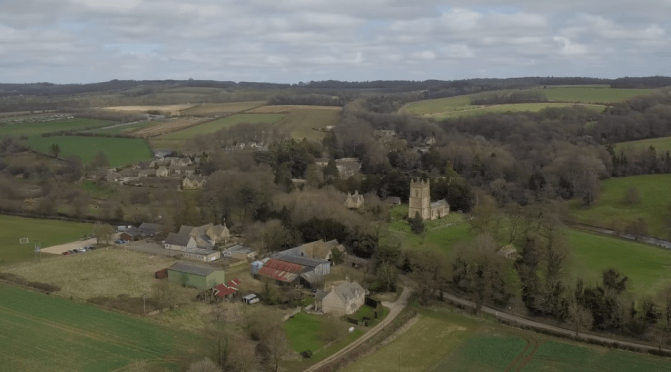
Temple Guiting is a few miles away from Guiting Power, and has a wonderfully grand church with historical connections to the Knights Templar. The Knights Templar were a Holy Order that many associate with the Crusades. The village is another spectacular hidden gem, a classic English village.
Morocco is a land of a thousand colours, with green, red, blue, ochre, and white dominating. We shall travel through the kingdom’s most stunning spots using these five colors. From the royal elegance of Marrakesh to the secrets of Ouarzazate, we’ll visit iconic cities brimming with energy and passion, providing artists with endless inspiration.
Despite the various changes brought about by modern society, Moroccans are striving hard to maintain traditions and historical skills. The series also brings us to more intimate areas, such as palm groves, oases, and dunes, where colourful vistas of palm groves, oases, and dunes abound.
We’ll meet the people who live there and work to preserve the natural beauty of the area. Morocco is a unique tapestry of landscapes that takes the observer on a dream-like trip from the seaside to the mountain heights.
This fascinating Japanese armour was part of the first diplomatic gift between Japan and Britain. It is over 400 years old and one of the first documented Japanese armours to have been seen on British soil.
Learn more about this amazing object in this short film. See the armour in our exhibition Japan: Courts and Culture at The Queen’s Gallery, London from 8 April 2022 – 26 February 2023.
Behind this iconic painting by Vincent van Gogh is the artist’s inspiring story about healing, as he struggled with the challenges of a psychiatric disorder. Learn more about this period in his life in which he produced some of his most famed work.
Getty has joined forces with Smarthistory to bring you an in-depth look at select works within our collection, whether you’re looking to learn more at home or want to make art more accessible in your classroom. This six-part video series illuminates art history concepts through fun, unscripted conversations between art historians, curators, archaeologists, and artists, committed to a fresh take on the history of visual arts.
Country Life’s architecture editor John Goodall looks at the architecture of the Tudor home.
In April 1521, Edward Stafford, 3rd Duke of Buckingham, was urgently summoned from his seat at Thornbury, Gloucestershire, to appear before Henry VIII. The Duke could reasonably claim by birth to be the outstanding nobleman of his generation, boasting descent from Edward III and—arguably—possessed of a better claim to the throne than the Tudors.
He played the role of a great nobleman with proud perfection, both at home and in such public events as Henry VIII’s meeting with Francis I of France on the Field of Cloth of Gold, where he jousted and appeared in costume of fabulous expense. His birth and magnificence, however, also made him vulnerable to Court intrigue.
News, Views and Reviews For The Intellectually Curious










 Boomers Daily