
From a Variety.com online interview (January 17, 2020):
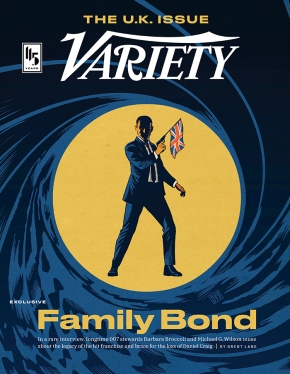 “He brought flesh and blood to the character,” she says. “Bond in the novel is a silhouette. Daniel has given him depth and an inner life. We were looking for a 21st-century hero, and that’s what he delivered. He bleeds; he cries; he’s very contemporary.”
(On Daniel Craig)
“For better or worse, we are the custodians of this character,” says Barbara Broccoli, who oversees the franchise with her half-brother Michael G. Wilson. “We take that responsibility seriously.”
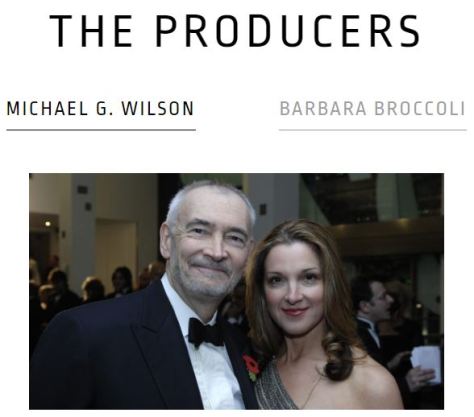
It’s an arrangement that was first hammered out by Broccoli’s father, the producer Albert “Cubby” Broccoli, when John F. Kennedy was president and the Twist was all the rage. Miraculously, that pact has prevailed through the decades and generations, enduring everything from corporate mergers and bankruptcies to shifting consumer tastes and geopolitical upheavals. The elder Broccoli died in 1996. but not before ceding control to his two children with the 1995 release of “GoldenEye,” a film that proved a sexist superspy, conceived by novelist Ian Fleming in the 1950s, still had a role to play in post-Cold War cinema.
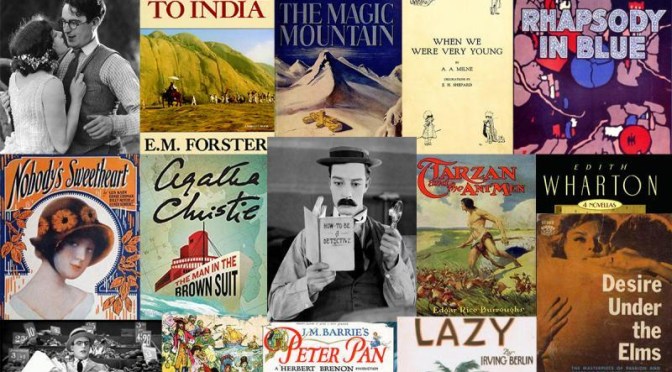
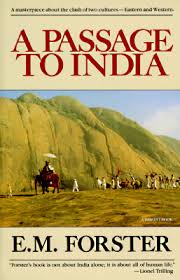
 On January 1, 2020, works from 1924 will enter the US public domain, where they will be free for all to use and build upon, without permission or fee. These works include George Gershwin’s Rhapsody in Blue, silent films by Buster Keaton and Harold Lloyd, and books such as Thomas Mann’s The Magic Mountain, E. M. Forster’s A Passage to India, and A. A. Milne’s When We Were Very Young. These works were supposed to go into the public domain in 2000, after being copyrighted for 75 years. But before this could happen, Congress hit a 20-year pause button and extended their copyright term to 95 years.
 Thomas Mann,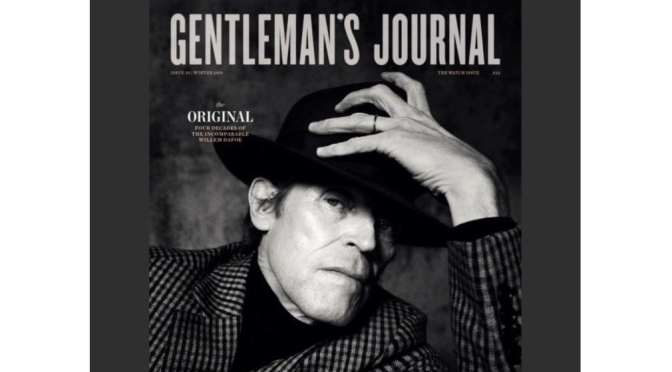
 Thankfully, Willem Dafoe and Willem Dafoe’s face have used this innate recognisability to their joint advantage. To date, the actor has appeared in well over 100 films, and his prolific career can be charted through the cracks and comments — some nice, some not so nice — that those in the industry have made about his looks.



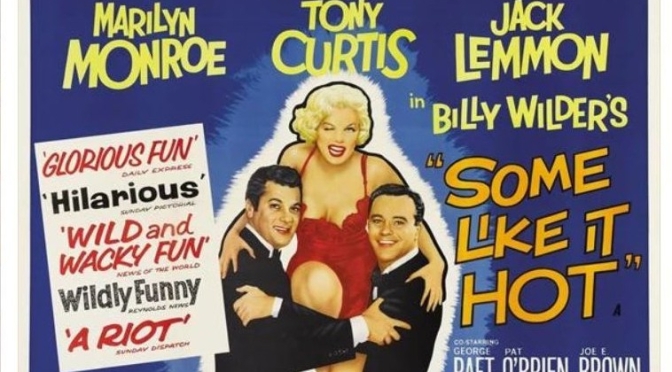
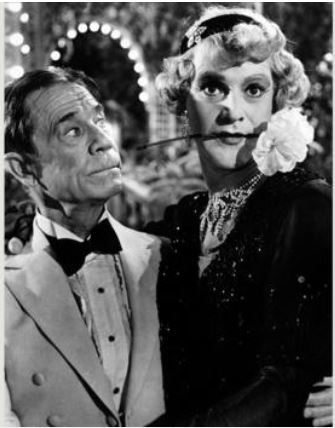 Faced with the question of why Some Like It Hot has topped BBC Culture’s poll of the best ever big-screen comedies, it’s tempting to say something similar. Wilder’s glittering masterpiece doesn’t just use the handsomest kid in town (and a terrific actor, to boot), but its most radiant sex symbol, Marilyn Monroe, and one of its most dexterous comedians, Jack Lemmon. It also has a bevy of bathing beauties, a crowd of sinister mafiosi, a glamorous seaside setting in the roaring ‘20s, and a sizzling selection of songs.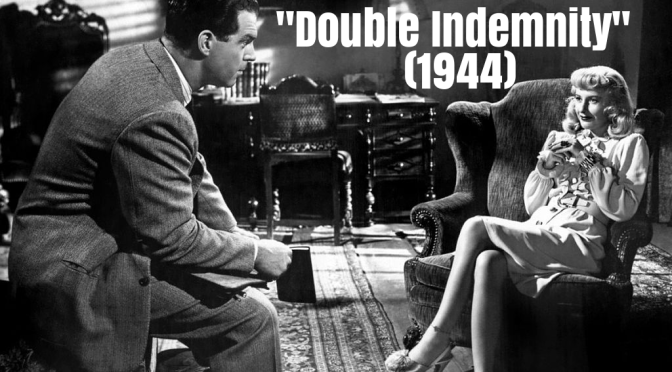
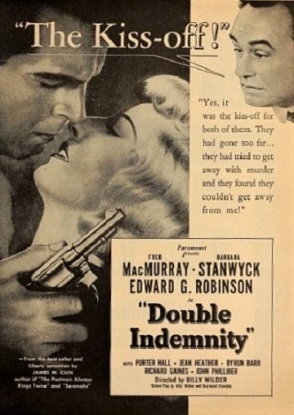 Seventy-five years ago, “Double Indemnity” opened in theaters across America. It was an instant hit, and remains to this day a staple offering of revival houses and on cable TV and streaming video. Yet little journalistic notice has been taken of the birthday of Billy Wilder’s first great screen drama, a homicidal thriller that nonetheless had—and has—something truly unsettling to say about the dark crosscurrents of middle-class American life.
 If you are among the
  Boomers Daily