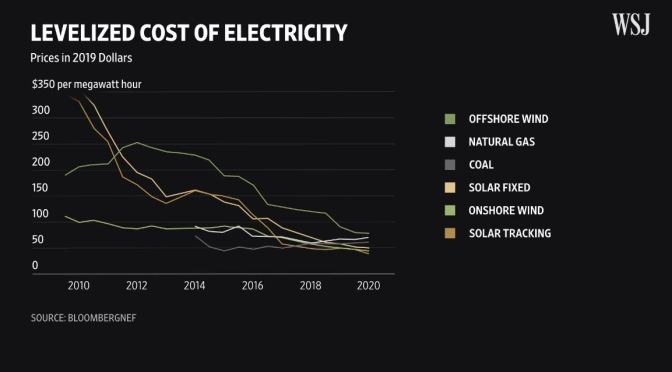
An abundance of fossil fuels combined with advances in technology to harness wind and solar power has sent energy prices crashing around the world. WSJ explains how it all happened at once.
Photo illustration: Carlos Waters/WSJ

An abundance of fossil fuels combined with advances in technology to harness wind and solar power has sent energy prices crashing around the world. WSJ explains how it all happened at once.
Photo illustration: Carlos Waters/WSJ
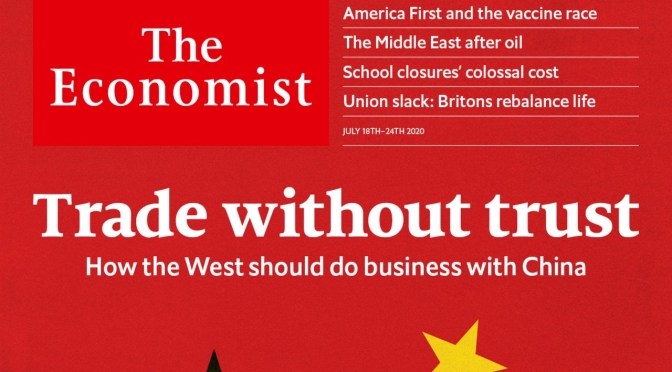
 A selection of three essential articles read aloud from the latest issue of The Economist. This week, Huawei and the tech cold war; (8:55) millions of young minds are going to waste; (16:10) and a new material helps transistors become vanishingly small.
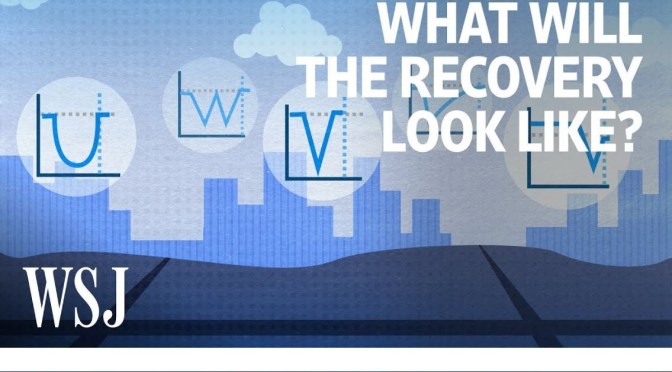
 Economists have long used letters of the alphabet like V and U to describe economic recoveries. But the coronavirus downturn is so different from past recessions that economists are coming up with new shapes to describe the potential recovery. WSJ explains.
Illustration: Jacob Reynolds
 The consensus among economists is that the U.S. recovery will most likely be something in between a V and a W — a sharp drop, a relatively small bounce back, and then a long period of slow growth.
Guests: Axios’ Felix Salmon, Sam Baker, and Mike Allen.
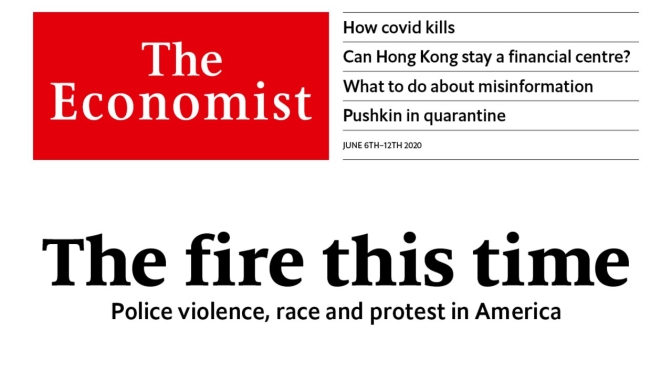
A selection of three essential articles read aloud from the latest issue of The Economist. This week: Police violence, race and protest in America, How will China’s Belt and Road Initiative survive? (10:30) And, Alexander Pushkin’s productive lockdown (23:10).
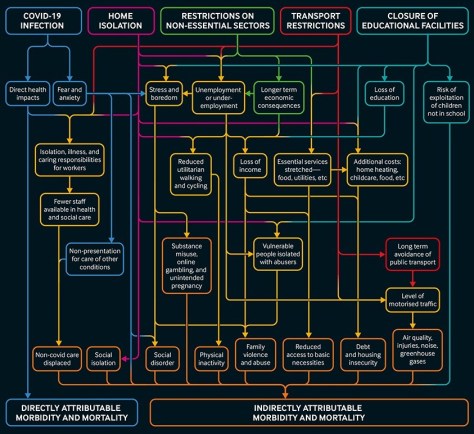

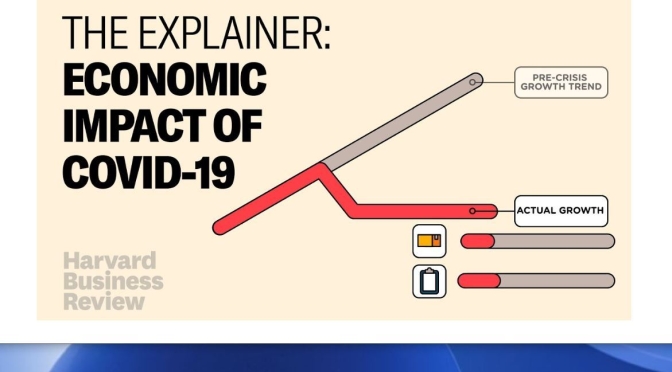
Predicting the path ahead has become nearly impossible, but we can speculate about the size and scale of the economic shock. Economic contagion is now spreading as fast as Covid-19 itself. Social distancing, intended to physically disrupt the spread, has severed the flow of goods and people, stalled economies, and is in the process of delivering a global recession.
Predicting the path ahead has become nearly impossible, as multiple dimensions of the crisis are unprecedented and unknowable. Pressing questions include the path of the shock and recovery, whether economies will be able to return to their pre-shock output levels and growth rates, and whether there will be any structural legacy from the coronavirus crisis.
This Explainer explores several scenarios to model the size and scale of the economic shock and the path ahead.
Based on the HBR article by Philipp Carlsson-Szlezak, Martin Reeves and Paul Swartz
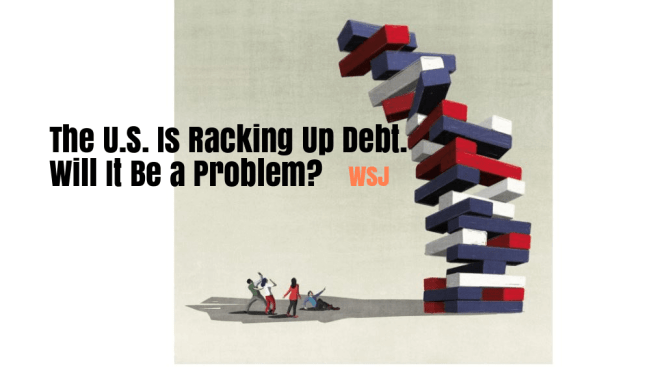
 The federal government is spending big to combat the economic damage of the coronavirus crisis, and federal debt has climbed to record levels.
 WSJ’s Jon Hilsenrath explains the debate over the impact of all that debt.
 Donald G. McNeil Jr., a science and health reporter for The New York Times, discusses how the Coronavirus lockdown might end what it would look like.
While the economy is likely to reopen slowly, there is hope that society will adapt to manage the uncertainty of our new circumstances. Here’s what experts say the next year (or more) will look like.

 Boomers Daily