
From Oxford University Press – OUP (May 1, 2020):
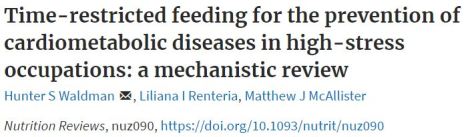
…ultra-processed foods are generally the foods available to nurses working nightshifts, firefighters returning to their department after a call, police officers  patrolling neighborhoods, or military soldiers during field-exercises. Thus, time-restricted eating removes the added stress of what to eat, and serves as a practical intervention conducive to the schedules of many people.
Time-restricted eating has been shown to lower circulating insulin, blood pressure, body fat and overall body weight, inflammation, and oxidative stress.
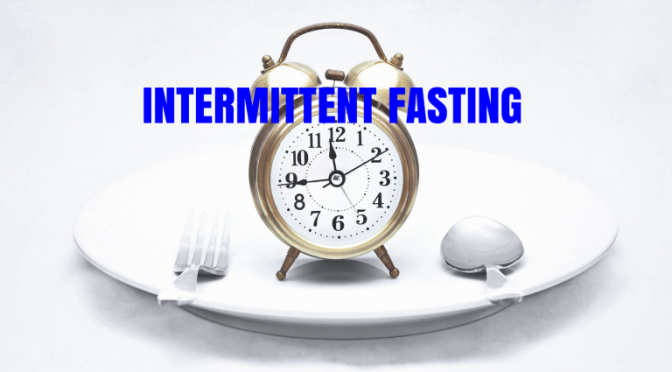
Time-restricted eating is a nutrition intervention which alternates between a period of fasting (12 – 16 hours) followed by a period of eating (8 – 12 hours). Unlike other diets, which focus on the caloric content of a meal or which foods you should eat, time-restricted eating focuses exclusively on when you eat by compressing and standardizing the feeding window each day. In turn, people following this type of eating pattern naturally enter a state of caloric deficit.
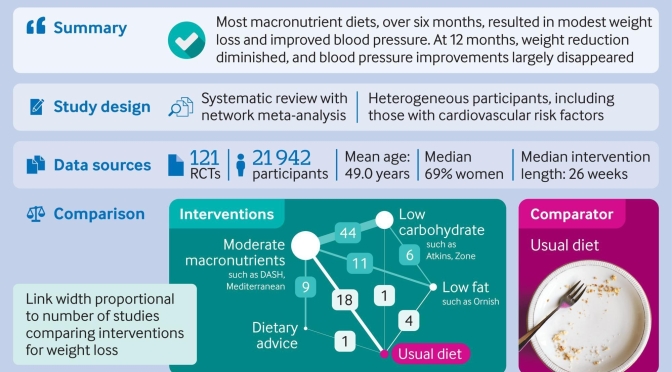
 “Having normal body weight is crucial in the prevention of type 2 diabetes, regardless of genetic predisposition.”
 This relationship between higher glucose levels and poorer cognitive functioning extended beyond just CASI z-score, as well, Cukierman-Yaffe noted. Higher HbA1c levels were also tied to significantly poorer performance in other psychological tests, including the clock making test of executive functioning, test of discriminative ability, and for the test of verbal fluency.
 These daily oscillations are controlled by the circadian clock, which is composed of an autoregulatory biochemical mechanism that is expressed in tissues throughout the body and is coordinated by a master pacemaker located in the suprachiasmatic nuclei of the brain (aka the SCN [
 Nathan Pritikin was a college dropout who became an entrepreneur. While doing research for the government during World War II, he observed that populations that had extremely limited food availability because of the war had substantially reduced mortality from cardiovascular disease—something unexpected at a time when cardiovascular disease was thought to be due to stress.
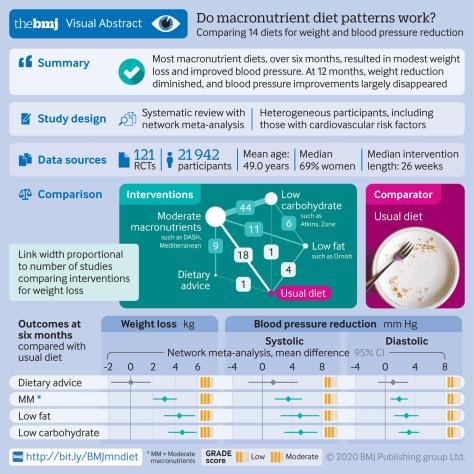
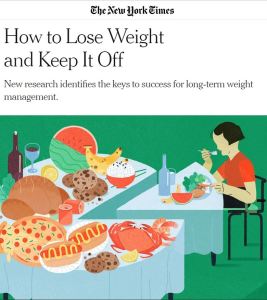 “Maintaining weight loss can get easier over time. Over time, less intentional effort, though not no effort, is needed to be successful. After about two years, healthy eating habits become part of the routine. Healthy choices become more automatic the longer people continue to make them. They feel weird when they don’t.”
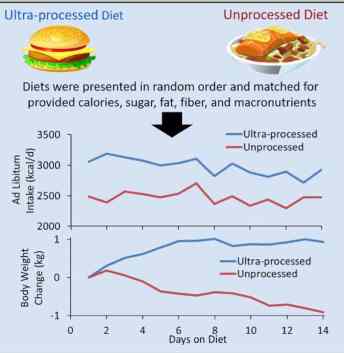 cookies and pies, salty snacks, frozen and shelf-stable dishes, pizza, and breakfast cereals.
 Habitual fish oil supplementation is associated with a 13% lower risk of all cause mortality, a 16% lower risk of CVD mortality, and a 7% lower risk of CVD events among the general population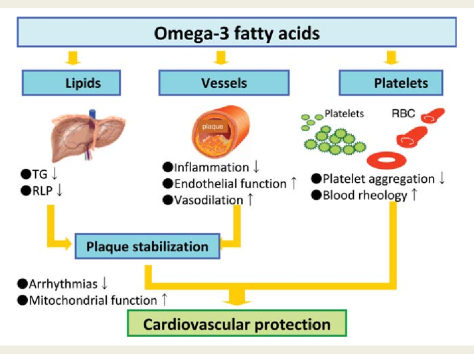
 Eat less, live longer- If you want to reduce levels of inflammation throughout your body, delay the onset of age-related diseases and live longer—eat less food. That’s the conclusion of a new study by scientists from the US and China that provides the most detailed report to date of the cellular effects of a calorie-restricted diet in rats.
  Boomers Daily