

From a Mondelēz International online release:
 Notably 6 in 10 adults worldwide (59%) say they prefer to eat many small meals throughout the day, as opposed to a few larger ones, with younger consumers especially leaning into snacks over meals as that number rises to 7 in 10 among Millennials (70%).
For consumers around the world, the role food plays in health and wellbeing is increasingly top of mind; people are more commonly considering how smaller bites – snacks – effect their emotional wellbeing, as well as their physical health.
- For more than 8 in 10 people, convenience (87%) and quality (85%) are among the top factors impacting snack choice.
- 80% of consumers are looking for healthy, balanced bites.
- 71% of adults say snacking helps them control their hunger and manage their calories throughout the day.
- Scking is a key way for people around the world to connect to their culture and share their sense of identity with their communities and families.
- 71% say snacking is a way to remind themselves of home.
- 7 in 10 adults make an effort to share their favorite childhood snacks with others (70%).

 In a
In a 
 In summary, dietary fructose, but not glucose, supplementation of HFD impairs mitochondrial size, function, and protein acetylation, resulting in decreased fatty acid oxidation and development of metabolic dysregulation.
 Our findings suggest that higher adherence to a Mediterranean diet is associated with better cognitive performance, and therefore less cognitive decline, in older but not middle-aged individuals.
 2 years of moderate calorie restriction significantly reduced multiple cardiometabolic risk factors in young, non-obese adults. These findings suggest the potential for a substantial advantage for cardiovascular health of practicing moderate calorie restriction in young and middle-aged healthy individuals, and they offer promise for pronounced long-term population health benefits.
 Breakfast
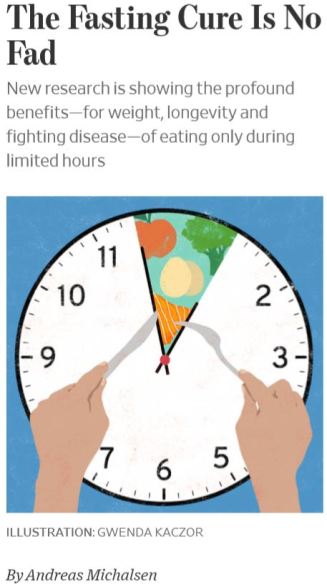 At the Charité University Hospital in Berlin, I’ve employed what’s called intermittent fasting, or time-restricted eating, to help patients with an array of chronic conditions. These include diabetes, high blood pressure, rheumatism and bowel diseases, as well as pain syndromes such as migraines and osteoarthritis.
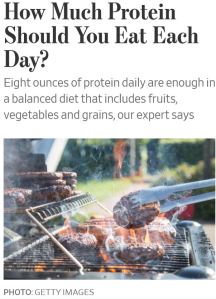 Unlike carbohydrates or fats, proteins are the only nutrients that can be used to build new cells that can form tissue, said Dr. Walter, a registered dietitian.
  Boomers Daily