For years, Silk Road travelers made the grueling trek past towering mountain ranges and ancient cities now lost to time. Centuries later, one writer attempts to retrace the journey.
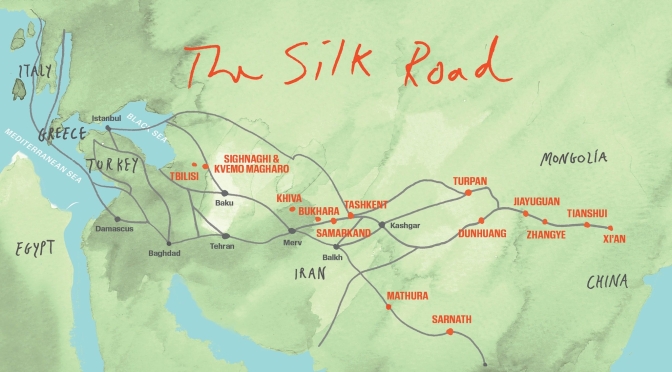
This year, T’s spring Travel issue is devoted to just five stories, each an account of its writer’s journey along a different section of the Silk Road — the ancient network of trade routes that until the 15th or 16th century spanned some 4,000 miles of the globe, from Central Asia across the Middle East to Southern Europe, and formed a vital conduit for both new commodities and new ideas. While venturing to faraway places might seem like a distant possibility now, a year after this issue began to take shape, as we reckon with the global pandemic, these pieces are a powerful reminder of our innate desire to move and explore.
A conversation with the acclaimed poet and New Yorker writer Cynthia Zarin that transports us to two of her favorite cities, Venice and Rome, in a celebration of Italy as the country begins to loosen the longest coronavirus-related lockdown in Europe. The episode features evocative readings from her forthcoming book,Two Cities, which captures the meditative yet constantly surprising nature of travel from a deeply personal point of view.
From acclaimed poet and New Yorker writer Cynthia Zarin comes a deeply personal meditation on two cities, Venice and Rome—each a work of art, both a monument to the past—and on how love and loss shape places and spaces.
Here we encounter a writer deeply engaged with narrative in situ—a traveler moving through beloved streets, sometimes accompanied, sometimes solo. With her, we see, anew, the Venice Biennale, the Lagoon, and San Michele, the island of the dead; the Piazza di Spagna, the Tiber, the view from the Gianicolo; the pigeons at San Marco and the parrots in the Doria Pamphili. As a poet first and foremost, Zarin’s attention to the smallest details, the loveliest gesture, brings Venice and Rome vividly to life for the reader.
The sixteenth book in the expanding, renowned ekphrasis series, Two Cities creates space for these two historic cities to become characters themselves, their relationship to the writer as real as any love affair.
ekphrasis
Dedicated to publishing rare, out-of-print, and newly commissioned texts as accessible paperback volumes the ekphrasis series is part of David Zwirner Books’s ongoing effort to publish new and surprising pieces of writing on visual culture.
Cynthia Zarin
Cynthia Zarin is the author of five books of poetry, most recently, Orbit (2017), as well as five books for children and a collection of essays, An Enlarged Heart: A Personal History (2013). Her honors and awards include a Guggenheim Fellowship for Literature, the Ingram Merrill Award, and the Los Angeles Times Book Prize for Poetry. A longtime contributor to The New Yorker, Zarin teaches at Yale University.
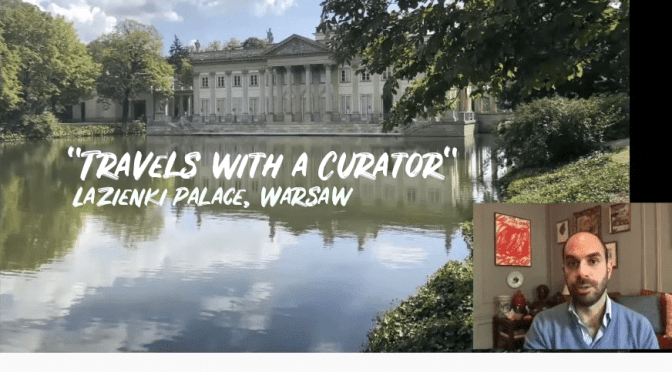
In this episode of “Travels with a Curator,” we travel to Warsaw, Poland, with Xavier F. Salomon, Peter Jay Sharp Chief Curator. Xavier enchants us with the romantic Łazienki Park and Palace, also known as the Palace on the Isle. The idyllic gardens and ornately decorated interior spaces are similar in many ways to our own Frick mansion. One of the Frick’s Rembrandt paintings, “The Polish Rider,” once hung in the royal apartments on the second floor.
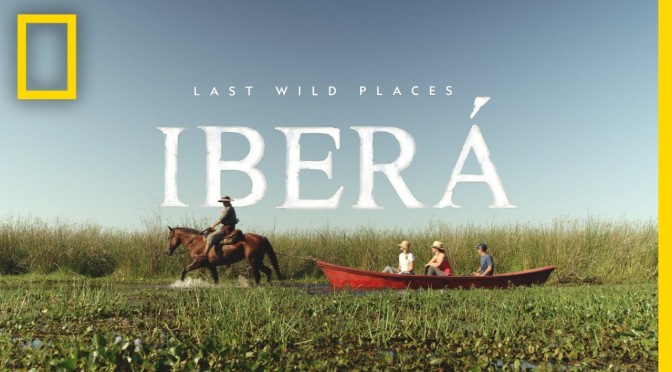
Iberá National Park in northeastern Argentina is part of one of the largest wetlands in South America, but much of its wildlife went extinct in the 20th century due to widespread hunting and habitat loss. Now, a dedicated team of conservationists is working hand in hand with local communities to reintroduce many of the keystone species that were lost, while also helping to preserve the region’s unique cultural heritage.
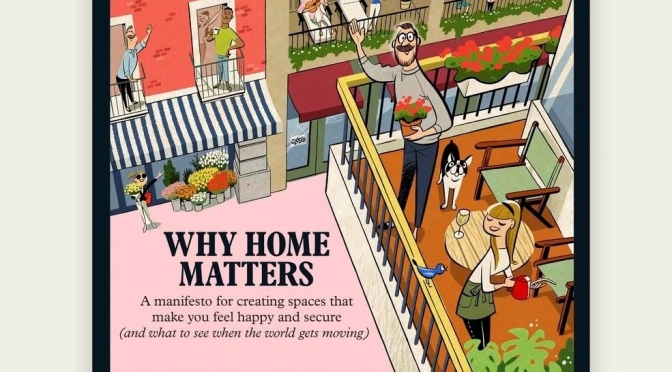
Monocle’s home-focused May issue goes beyond the dramatic headlines to look at how to create spaces that are apt to linger in.
We launch a manifesto for building better, look at the firms eyeing up the domestic market and profile a few elegant residences. Elsewhere, we examine the importance of keeping manufacturing onshore, decode the US political advertising industry and recommend the best media to hunker down with.
With such names as ‘Paradise’ and ‘Super Paradise,’ the sands of these shores have captured the imaginations and hearts of industry titans, artists, and party-goers alike from all around the globe, marking it as a stable cosmopolitan destination and as a paramount it haven on the jet-set circuit.
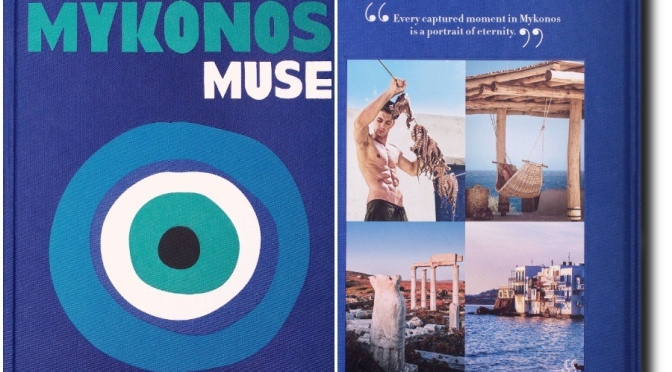
Located in the Cyclades and surrounded by the blue-green water of the Aegean sits whitewashed, windmill-strewn Mykonos, the island of the winds. This ancient island and those surrounding it, mythologized as the bodies of gods felled by Hercules in the time of antiquity, are older than legend and have played host to countless cultures for more than millennia. At forty-square-miles and boasting a population of only ten-thousand, the ‘Ibiza of Greece’ has become prized for gorgeous architecture, welcoming and open-minded locals, and fantastic beaches.
This book chronicles the culture and society that has defined Mykonos over the past century—from its days as a hideout for such luminaries and elites as Le Corbusier and Antonis Benakis, to its moment as a sanctuary for the gay community,to its predominant party scene—all the while indulging the reader with the ruins and myths hidden there.
Lizy Manola is a Greek photographer. A freelancer, her focus is on documentary photography. For more than fifteen years, she has traveled and shot in distant places, where culture and everyday life preserve their natural authenticity. She has published two books with Assouline, Certain Realities and Ethiopian Highlands. Her work has featured in solo and group exhibitions in Greece and worldwide. She lives and works in Athens and New York. Thirty years ago, she bought a house on Mykonos; she has spent endless summers holidays on the island ever since.
Overlooking the Aegean Sea, a charming string of coastal neighborhoods form the Athens Riviera, a serene escape from the constant activity in the city’s center. A selection of high-end hotels lines the pristine stretch of beaches down to the southernmost point of the Attica Peninsula.
The revamped Four Seasons Astir Palace, with a history of housing foreign dignitaries and film stars of the 1960s, is the most luxurious hotel in Athens, perhaps even in all of Greece. The night club, Island, is bringing back the glamour and excitement of the twentieth century bouzouki clubs reminiscent of names such as Melina Mercouri and Stavros Niarchos.
Athens is experiencing a revival—in art, night life and design. For a metropolis constantly associated with the past, the modern strides in development and culture are sometimes overlooked in favor of the ruins and artifacts from antiquity. When in fact, the juxtaposition only enhances the beauty of both. Athens Riviera puts the old-world beside the new-world and a deeper understanding of this ancient capital emerges. With one foot in the past and one foot in the future; access to both the electricity of city life and the tranquility of a beach side resort, Athens cannot be defined in simple terms. One just has to experience it for themselves.
Stéphanie Artarit began her career as a journalist, and worked as a psychoanalyst for many years in Tokyo. She then went on to write the novel Variations of the Devil in 2013. Today, she divides her time between homes in Athens and the Cycladic island of Antiparos, where she also operates her boutique, Petit Tipota, and represents several French fashion labels in Greece. In 2018, she began her company, The Gang of Style, which specializes in designing in-house boutiques for luxury hotels all over the world.
Monocle 24’s “The Stack” chats with Randy Kennedy, editor of ‘Ursula’, the beautiful print quarterly from Hauser & Wirth.
‘Ursula’ is the quarterly art magazine featuring essays, profiles, interviews, original portfolios, and photography by some of the most thought-provoking writers and artists in the world, as reported by Artnet. ‘Ursula’ takes its name from the internationally admired co-founder of the gallery: patron, collector, mentor, and art world mater familias Ursula Hauser. Reflecting the inclusive values and broad perspective of the gallery she helped to establish in Zurich in 1992, ‘Ursula’ will showcase not only the work of artists and estates represented by Hauser & Wirth, but also a wide, adventurous swath of the international art world of the 20th and 21st centuries.
We ask our housebound editors and correspondents across the globe to reflect on what they cherish about the places in which they live and to pen a love letter to their cities: London, Hong Kong, Rio de Janeiro, Toronto and Milan.


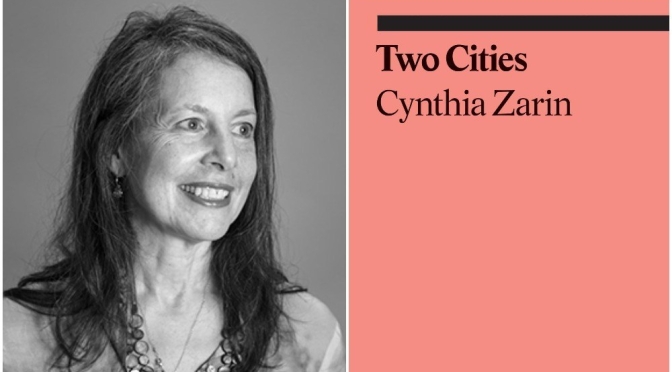
 A conversation with the acclaimed poet and New Yorker writer Cynthia Zarin that transports us to two of her favorite cities, Venice and Rome, in a celebration of Italy as the country begins to loosen the longest coronavirus-related lockdown in Europe. The episode features evocative readings from her forthcoming book,Two Cities, which captures the meditative yet constantly surprising nature of travel from a deeply personal point of view.

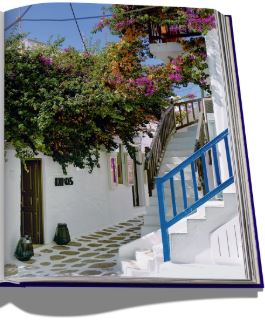 With such names as ‘Paradise’ and ‘Super Paradise,’ the sands of these shores have captured the imaginations and hearts of industry titans, artists, and party-goers alike from all around the globe, marking it as a stable cosmopolitan destination and as a paramount it haven on the jet-set circuit.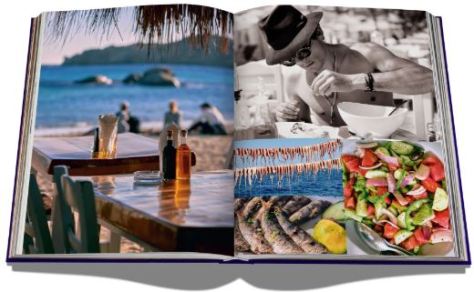
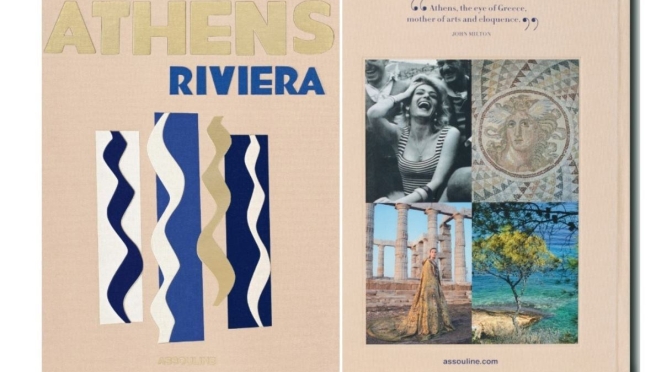
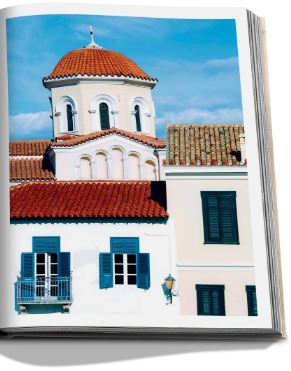 Overlooking the Aegean Sea, a charming string of coastal neighborhoods form the Athens Riviera, a serene escape from the constant activity in the city’s center. A selection of high-end hotels lines the pristine stretch of beaches down to the southernmost point of the Attica Peninsula.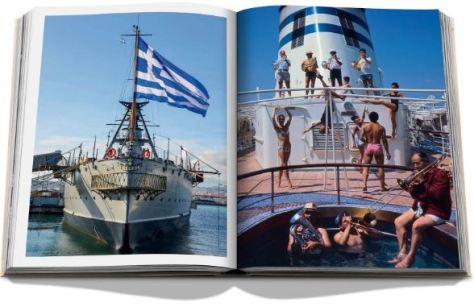
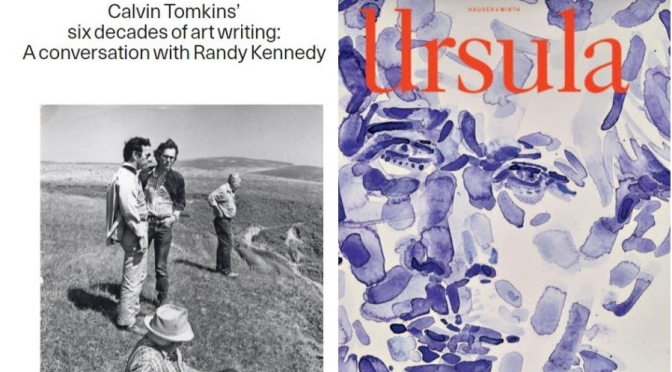
 Monocle 24’s “The Stack” chats with Randy Kennedy, editor of ‘Ursula’, the beautiful print quarterly from Hauser & Wirth.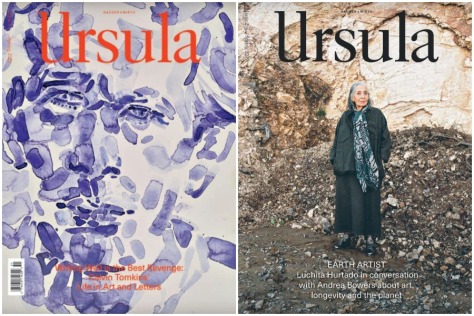
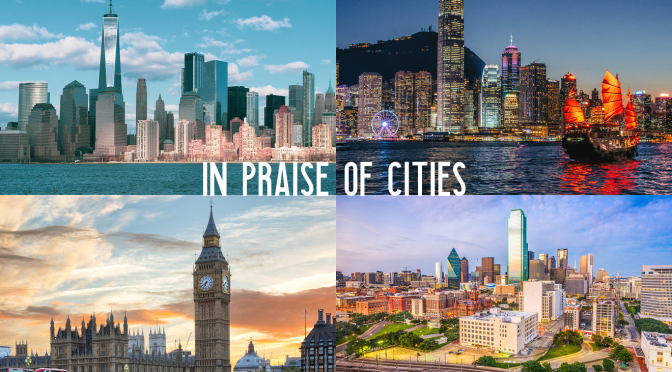
 We ask our housebound editors and correspondents across the globe to reflect on what they cherish about the places in which they live and to pen a love letter to their cities: London, Hong Kong, Rio de Janeiro, Toronto and Milan.
 Boomers Daily