
On the eve of his retirement in 2001, the former CEO of G.E. spoke with Lesley Stahl about turning his company around, embracing the internet, and the reputation that earned him the nickname “Neutron Jack.” Welch died Monday, March 2, 2020.

On the eve of his retirement in 2001, the former CEO of G.E. spoke with Lesley Stahl about turning his company around, embracing the internet, and the reputation that earned him the nickname “Neutron Jack.” Welch died Monday, March 2, 2020.
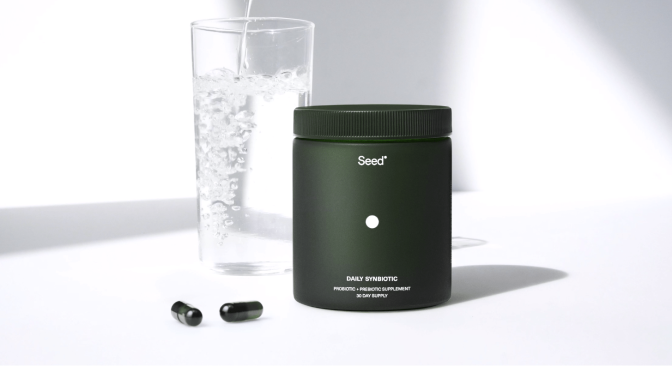
Raja Dhir is the co-founder of microbiome company Seed. Based in LA, Seed is a collective of scientists and doctors, researching how bacteria can improve human health and that of our planet. Its first product, a daily synbiotic, focuses on the stomach.
Raja Dhir is a life sciences entrepreneur and Co-Founder of Seed, a venture-backed  microbiome company pioneering the application of bacteria for both human and planetary health. He leads Seed’s R&D, academic collaborations, technology development, clinical trial design, supply chain, and intellectual property strategy.
 Together with Dr. Jacques Ravel, he Co-Chairs Seed’s Scientific Advisory Board–an interdisciplinary group of scientists and doctors who lead research teams and teach at institutions including the teaching hospital of Harvard Medical School and the Trial Innovation Unit of Mass. General Hospital (MGH). Raja has designed clinical trials with leading academic institutions including the teaching hospital of Harvard Medical School and the Trial Innovation Unit of Mass. General Hospital (MGH).
Raja has unique expertise translating scientific research for product development with a track record that includes patented inventions to stabilize sensitive compounds to improve alpha-diversity of the gut microbiome (derived from micro-algae) and most recently, the co-invention of microbial technologies to protect honeybee populations (Apis mellifera) from neonicotinoid pesticides and pathogen colonization. His work also includes biofermentation and scale-up for both facultative and strict anaerobic organisms.
From a Restaurant Dive online article:
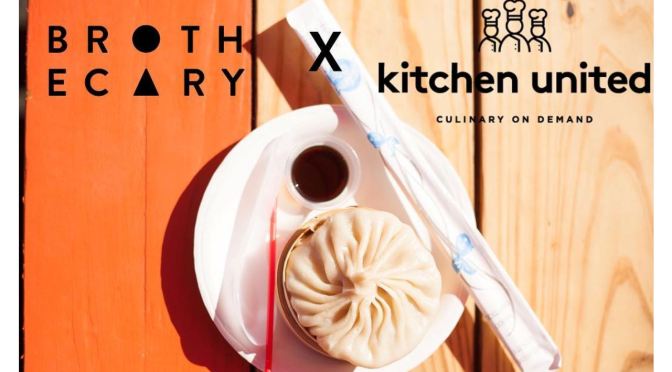
 “What virtual kitchens, or the Kitchen United concept does, is create a new economic model, where no longer do [restaurants] have to invest in expensive real estate and fancy front-of-house overhead and dining rooms, [they] can share kitchen space, optimize capital that is there and hopefully create a more profitable model for delivery,” NPD Group Vice President David Portalatin told Restaurant Dive.
When Kitchen United received $40 million in funding from RXR Realty during the summer, it became clear the two-year-old shared kitchen startup is paving a path for rapid expansion. The company will partner with the real estate company to open kitchens in New York City and the tri-state area.
This partnership fits within Kitchen United’s overall goal of opening 400 kitchen centers and 5,000 kitchens within the next few years. But it certainly isn’t alone in opening virtual kitchens, or restaurants without a traditional retail storefront. Grubhub, DoorDash and Uber Eats have all been trying their hand in delivery-only restaurants over the last two years.
To read more; https://www.restaurantdive.com/news/innovator-kitchen-united-restaurant-dive-awards/566463/
From a RetailDive.com online article:
 ThredUp, which sells brands ranging from American Eagle Outfitters to Burberry, may prove to be a beneficial partner to many retailers. A separate report from Accenture Strategy and Fashion For Good found that recommerce operating margin for the luxury, premium and mid-market sectors was 39%, 28% and 22%, respectively.
This year could be considered the year the circular economy really took hold, particularly the resale space, and a major force leading the charge was e-commerce  platform ThredUp.
Resale grew 21 times faster than the apparel market over the past three years, by ThredUp’s own measures. The resale platform also projects the market to grow from $24 billion to $51 billion by 2023.
To read more: https://www.retaildive.com/news/disruptor-thredup-dive-awards/566185/
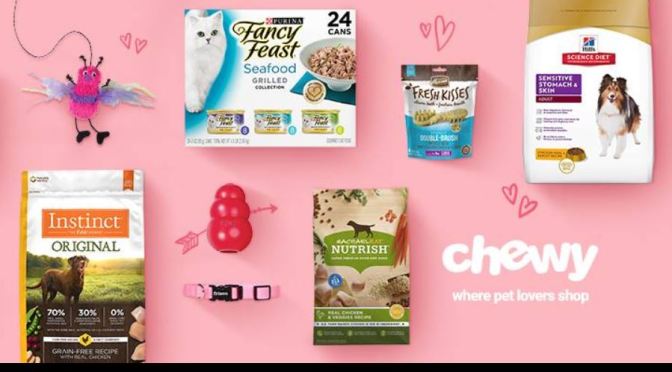
 Pet-supply stores had long withstood the threat posed by online shopping. That was until Chewy came along. WSJ’s Miriam Gottfried tells the story of how PetSmart responded to the new competition.
From a RestaurantBusinessOnline.com release:
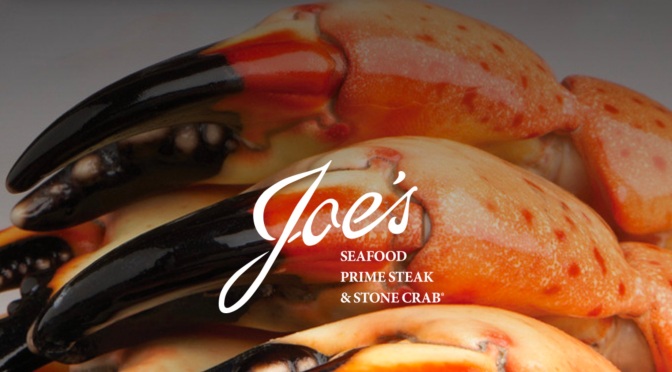
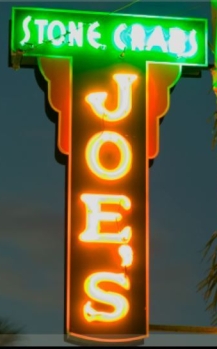 Joe’s Stone Crab in Miami Beach, Fla., is the top-grossing independent restaurant in the country, according to Restaurant Business’ annual ranking of the Top 100 Independents. In its first time in the top spot, the restaurant brought in more than $38 million in 2018.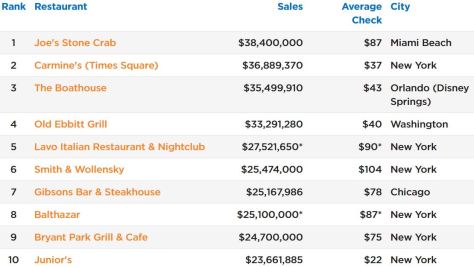
From a Guidant Financial and online lending marketplace LendingClub study:
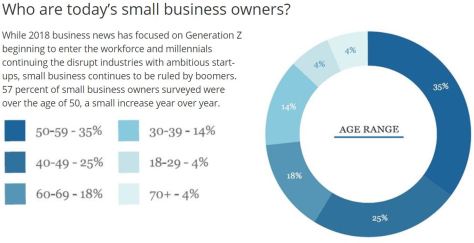
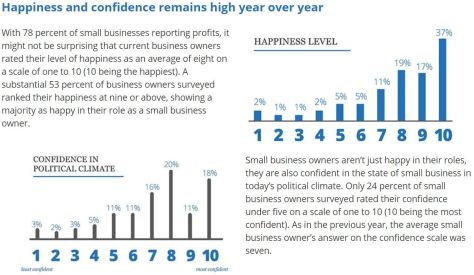
Click on link below to see more:
https://www.guidantfinancial.com/small-business-trends/franchise-business-trends/


 Boomers Daily