
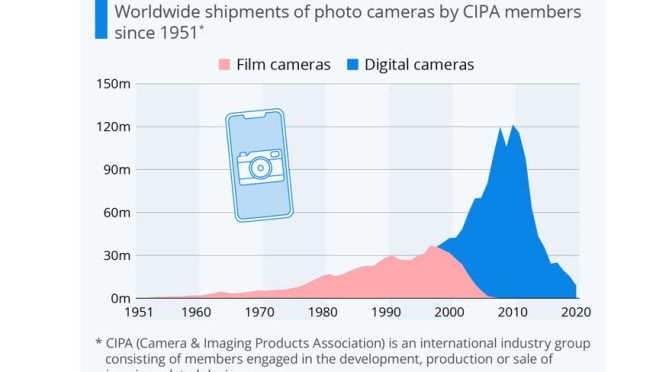
#Smartphone cameras have improved significantly and so much so, that many people no longer see the need to carry or buy a dedicated camera.
— Statista (@StatistaCharts) August 19, 2021
To the #camera and photo equipment industry, the rise of smartphone #photography has had devastating effects.https://t.co/hJvruHel63 pic.twitter.com/NS8LmHHu3L
Category Archives: Business

Investing: The Risks Of Buying Chinese Stocks
Chinese tech stocks popular among U.S. investors have tumbled amid the country’s regulatory crackdown on technology firms. WSJ explains some of the new risks investors face when buying shares of companies like Didi or Tencent. Photo Composite: Michelle Inez Simon

Analysis: How Marriott Became The Largest Hotel Operator In The World
Marriott International has been a stalwart in the hotel industry for decades. However, the hotel giant — along with its competitors — was hit hard by the Covid-19 pandemic in 2020. Last year was the worst on record for U.S. hotels, and Marriott was particularly hard hit. The company posted in 2020 its first full-year loss in more than a decade. Despite those challenges, the rollout of vaccines and signs of pent-up travel demand has led to a renewed sense of optimism for the hotel operator.
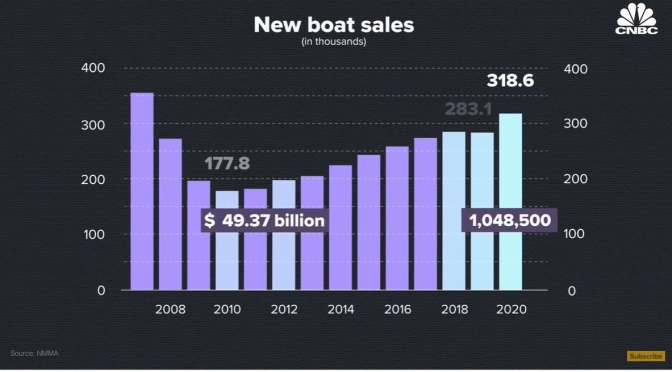
Recreation: Why U.S. Boat Sales Are Booming (CNBC)
Every year, about a third of Americans spend at least some time on a boat. In the landscape of recreational power sports, which includes boats, some categories have seen their fair share of struggles in recent years. But boat industry revenues have been mostly growing. Boat sales have seen a boost during Covid, but some analysts think the growth is poised to continue.
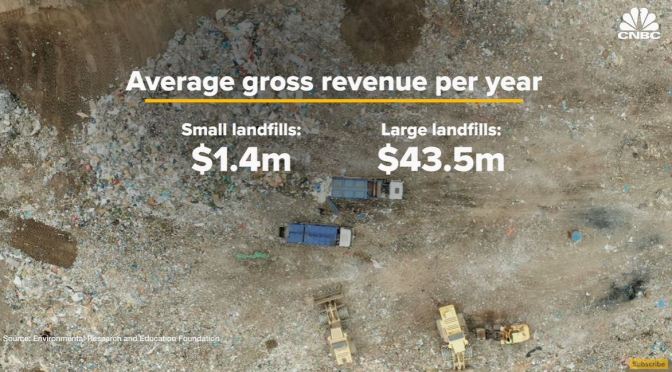
Analysis: How Landfills Make Millions From Trash
In 2019, the North American waste management market reached $208 billion. Thanks to advancements in modern chemistry and support from municipal governments, landfills have seen astonishing financial success in recent years. Private companies like Waste Management and Republic Services now own a majority of landfills across the U.S., their stocks outperforming the market every year since 2014. So how exactly are landfills turning a profit out of garbage and just how much money can be made? Watch the video to find out.

Views: How Louisiana Rice Farmers Produce Millions Of Pounds Of Crawfish
Rice farmers like Mike Frugé of Cajun Crawfish in Louisiana figured out that the two year growing cycle of crawfish synced perfectly with the two year cycle of the rice crop. He shows us how his rice fields are seeded with baby crawfish every other year, creating a new source of food and income for farmers in the area.
Credits: Host: Daniel Geneen Producer/Director: Connor Reid Camera: Connor Reid, Matthew Koesy Editor: Mike Imhoff

Conservation: The Marble Quarries Of Carrara, italy
Italy’s Carrara marble quarries are a source of controversy, pitting nature against economic gain. Environmentalists warn of overexploitation, while others defend the jobs these Tuscan quarries provide.
Franco Barratini quarries marble blocks that sell for €4,000 per ton. The amount of marble that was once quarried in a month can now be extracted in just three days, and environmentalists are alarmed at the consequences. Marble dust leaks into groundwater, turns rivers milky-white and hangs in the air. The effects of this are still not completely clear.
Sandro Manfredi is fighting what he sees as severe overexploitation in the marble quarries of Tuscany’s Apuan Alps. In 2018, he filed a complaint against an illegal marble quarry, and afterwards was nearly killed when someone tampered with his car. Carrara has experienced four floods in the last nine years. Environmentalists blame marble quarrying, which has increased dramatically thanks to rapidly evolving extraction techniques, upsetting the region’s hydrogeological balance.

Stock Trading: The Rise Of Robinhood (WSJ Video)
The twists and turns of the online brokerage’s path to a public offering The brokerage app Robinhood has transformed retail trading. WSJ explains its rise amidst a series of legal investigations and regulatory challenges as it looks forward to its IPO. Photo illustration: Jacob Reynolds/WSJ
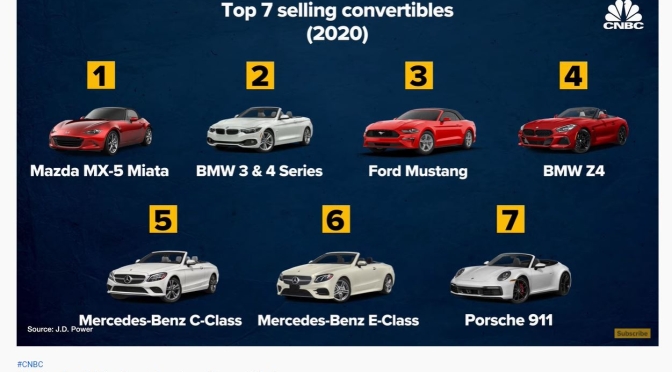
Automobiles: Decline Of The American Convertible
Rising in popularity in the 1950s and 1960s, the convertible car is an automotive American icon. It was a vehicle meant for leisure and fun. Some of the most iconic models throughout history were convertibles, such as the Chevrolet Corvette and the Ford Mustang. However, in the last few years, convertibles have been slowly declining in popularity. Along with rising prices, American car buyers, especially those with children, value practicality and functionality over looks and leisure, leading their interest towards SUV’s and midsize sedans. In 2021, convertibles make up only 0.46% of new car sales. Can the iconic design stand the test of time?

Aviation: Boeing & Airbus Counter China’s Comac
Boeing and Airbus dominate global aviation, but China’s Comac wants to challenge the duopoly with new planes. WSJ’s Jon Sindreu explains how supply chains, technology and geopolitics could help the Western aircraft makers to protect key markets. Photo Composite: George Downs
 Boomers Daily