
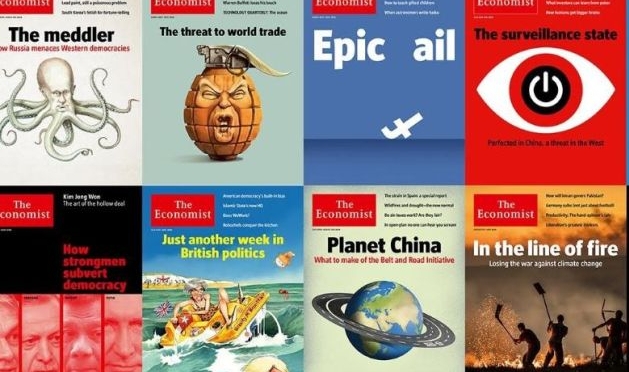
The Economist, May 14, 2022 – The Indian economy is being rewired. The opportunity is immense—and so are the stakes.
Category Archives: Business
Cover Preview: Barron’s Magazine – May 9, 2022

Food: Sourcing Local Fish In Southwest England
The war in Ukraine has hit the supply of grains and vegetable oils, while around 70% of the world’s cod and haddock comes from Russian boats. Global food prices are soaring and some restaurateurs fear a plate of cod and chips could rise to £20. The FT’s Daniel Garrahan and food writer and restaurateur Tim Hayward travel to England’s south west coast to see how two restaurants which source local, sustainable fish are coping with inflationary pressures.
Filmed by Petros Gioumpasis and Richard Topping. Edited by Richard Topping. Produced by Daniel Garrahan and Tim Hayward.
Cover Preview: Barron’s Magazine – May 2, 2022
Columns
UP AND DOWN WALL STREET
A Tough Month Hits Stocks Hard but Spares the Real Economy
Randall W. Forsyth
THE TRADER
Earnings Season Has Been Just One More Reason to Sell Stocks
Ben Levisohn
TECHNOLOGY TRADER
This Time, Big Tech Can’t Easily Fix the Market’s Woes
Eric J. Savitz
UP AND DOWN WALL STREET
China’s Plunging Yuan Is a Bigger Deal Than Twitter
Randall W. Forsyth
EMERGING MARKETS
Russia’s Gas-for-Rubles Plan Finds Soft Targets. What It Means for Prices.
Craig Mellow
INCOME INVESTING
Why REITs Can Help You Win, or Lose Less, Right Now
Lawrence C. Strauss
Previews: The Economist Magazine – April 30, 2022
So far, the invasion of Ukraine has been a disaster for Russia’s armed forces. About 15,000 troops have been killed in two months of fighting, according to Britain’s government. At least 1,600 armoured vehicles have been destroyed, along with dozens of aircraft and the flagship of the Black Sea fleet.
Cover Preview: Barron’s Magazine – April 25, 2022
Columns
UP AND DOWN WALL STREET
Here Come the Rate Hikes. They Could Be Even Worse Than Many Feared.
Randall W. Forsyth
THE TRADER
Apple Is the Last FAANG Standing
Ben Levisohn
THE TRADER
Netflix’s Plunge Is a Wake-Up Call for Streaming
Nicholas Jasinski
THE TRADER
The Fed Finally Pushes the Market Over the Edge
Ben Levisohn
THE ECONOMY
Gold Is Headed Higher. It Isn’t Just Gold Bugs Who Think So.
Lisa Beilfuss
STREETWISE
Netflix Stumbles and Disney Takes Heat. Chill on the Stocks.
Jack Hough
World Economic Forum: Top Stories – April 22, 2022
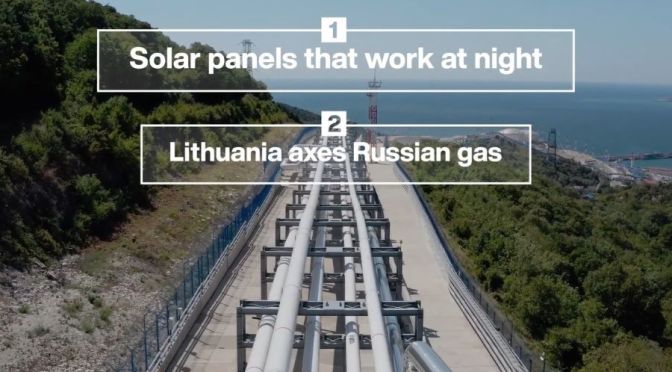
This week The World Economic Forum are highlighting 4 top stories – new solar panels that work at night, how Lithuania has cut Russian gas imports, first aid training in Ukraine, and how new e-chopsticks can add taste to your food.
Chapters: 00:15 Solar panels that work at night 01:45 Lithuania axes Russian gas 03:21 First aid training in Ukraine 05:46 E-Chopsticks add taste
Cover Preview: Barron’s Magazine – April 18, 2022
Sustainable Investing Failed Its First Big Test. A Reckoning Is Coming.
The popular strategy underperformed last quarter, raising new questions about its rationale—and its future.

The ‘Key-Man’ Risk and Tesla Shareholders’ Nerves
From provocative tweets and colorful media appearances to fantastic takeover bids, Elon Musk has an outsized influence on Tesla stock movements.1 min
Why Twitter Shareholders Should Sell Out to Elon Musk
Under its present management and business model, the stock is unlikely to revisit last year’s $80 peak.4 min
World Economic Forum: Top Stories – April 15, 2022
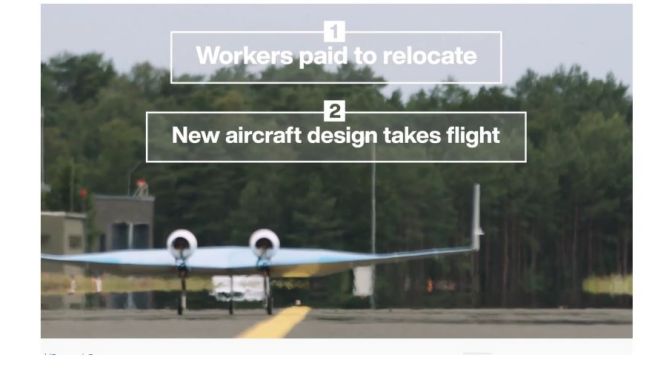
This week The World Economic Forum are highlighting 4 top stories – workers paid to relocate to rural areas, an innovative aircraft design, a lifesaving slime robot, and a wind and solar energy milestone.
Timeline: 00:15 Workers paid to relocate 01:40 New aircraft design takes flight 03:11 Lifesaving slime robot 04:22 Wind and solar energy milestone
The World Economic Forum is the International Organization for Public-Private Cooperation. The Forum engages the foremost political, business, cultural and other leaders of society to shape global, regional and industry agendas. We believe that progress happens by bringing together people from all walks of life who have the drive and the influence to make positive change.
 Boomers Daily