
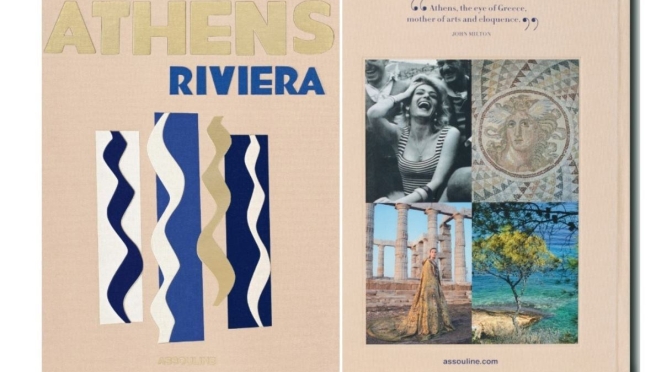
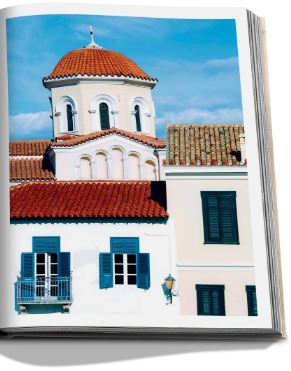
 Overlooking the Aegean Sea, a charming string of coastal neighborhoods form the Athens Riviera, a serene escape from the constant activity in the city’s center. A selection of high-end hotels lines the pristine stretch of beaches down to the southernmost point of the Attica Peninsula.
The revamped Four Seasons Astir Palace, with a history of housing foreign dignitaries and film stars of the 1960s, is the most luxurious hotel in Athens, perhaps even in all of Greece. The night club, Island, is bringing back the glamour and excitement of the twentieth century bouzouki clubs reminiscent of names such as Melina Mercouri and Stavros Niarchos.

Athens is experiencing a revival—in art, night life and design. For a metropolis constantly associated with the past, the modern strides in development and culture are sometimes overlooked in favor of the ruins and artifacts from antiquity. When in fact, the juxtaposition only enhances the beauty of both. Athens Riviera puts the old-world beside the new-world and a deeper understanding of this ancient capital emerges. With one foot in the past and one foot in the future; access to both the electricity of city life and the tranquility of a beach side resort, Athens cannot be defined in simple terms. One just has to experience it for themselves.
Stéphanie Artarit began her career as a journalist, and worked as a psychoanalyst for many years in Tokyo. She then went on to write the novel Variations of the Devil in 2013. Today, she divides her time between homes in Athens and the Cycladic island of Antiparos, where she also operates her boutique, Petit Tipota, and represents several French fashion labels in Greece. In 2018, she began her company, The Gang of Style, which specializes in designing in-house boutiques for luxury hotels all over the world.

 “The art world is the same as the rest of the world,” says British artist, writer, and punk-rocker Billy Childish. “What it requires is new, more, and now.” Childish has worked defiantly and prolifically outside of the mainstream since his expulsion from art school in the early 1980s. To the polymath—whose paintings, poems, novels, and music draw heavily from his autobiography—art is a deeply personal experience that should not rely on external validation, whether from critics or audiences. From his painting studio located on a historic dockyard in Kent, United Kingdom, Childish speaks passionately about the freedom that comes with self-validation. When asked about his perspective on the future of art, he demurs. “People think we’re continually ascending a mountain to success or to enlightenment,” he says. “It’s here and now and this is it.”
 Robert Bound speaks to writer Craig Brown about his new biography of the Beatles, called ‘One Two Three Four: The Beatles in Time’. How do you say something fresh about one of the most written-about bands in history?

 seashore-dwelling Atlantic puffin. David Sibley’s exacting artwork and wide-ranging expertise bring observed behaviors vividly to life.
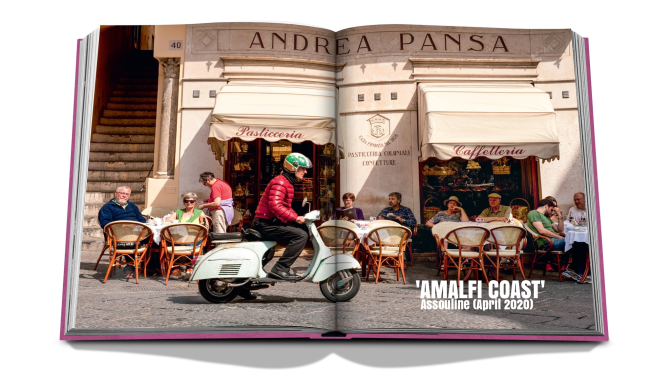
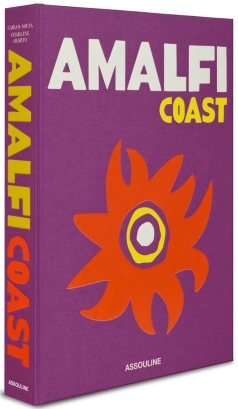 The Amalfi Coast is the pinnacle of the Italian dream. Tucked amongst the lemon blossoms and the bougainvillea is a line of thirteen towns that comprise the Amalfi Coast. Known for its vertical landscape, the villages are only accessible via the Strada Statale 163 — a narrow, winding, cliffside route that while unsettling to traverse, offers unparalleled views.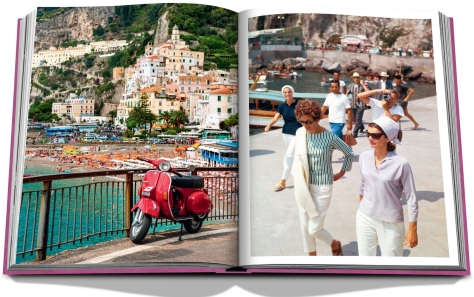
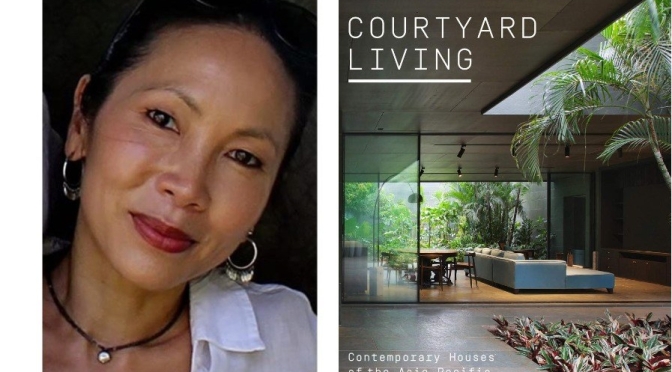
 Charmaine Chan, design editor for ‘South China Morning Post’ believes that courtyards offer an excellent urban solution to domestic solitude. She explains how they can be hubs of community and calm.
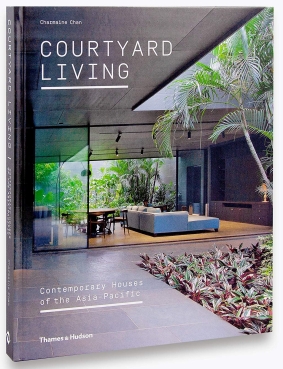 Courtyards have long played an important function in residential design, regulating light, shade, and the use of space. With thousands of years of tradition as inspiration, contemporary architects are now realizing courtyard living afresh. This lavish survey of twenty-five residences across the Asia-Pacific region features homes from Australia, Taiwan, Malaysia, Indonesia, Thailand, the Philippines, Singapore, India, Vietnam, and Sri Lanka.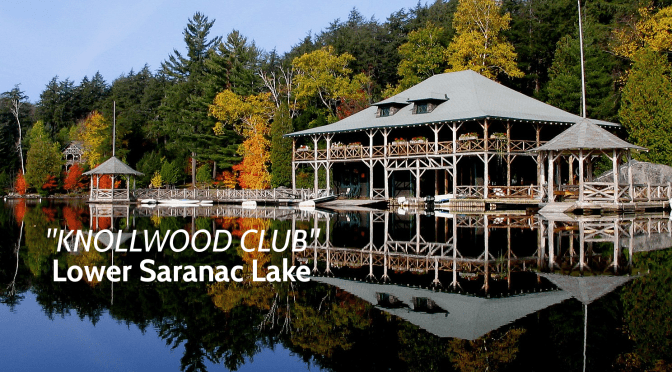
 second and enlarged edition, here is the foremost guide to the historic camps within America’s spectacular forest preserve, the six million acre Adirondack Park.


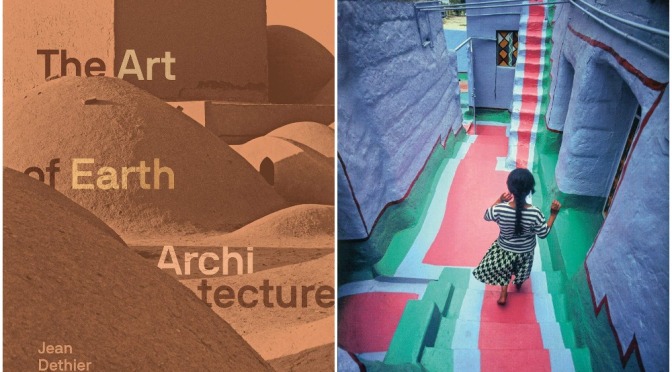
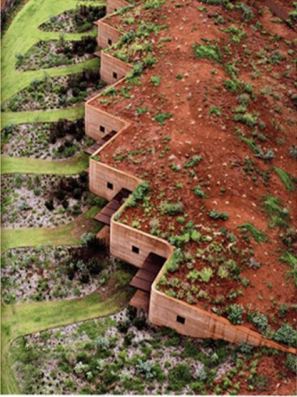 The Art of Earth Architecture demonstrates the wide-ranging applications and sustainability of this building material, while presenting a manifesto for its ecological significance. Featuring raw-earth masterpieces, monumental structures, and little known works, the book includes the temples and palaces of Mesopotamia, the Great Wall of China, large-scale urban developments in Tenochtitlan in Mexico, the medinas of Morocco, and housing in Marrakech and Bogota.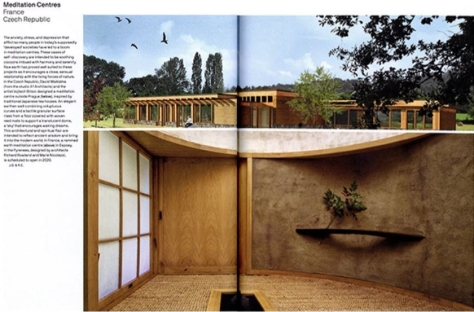
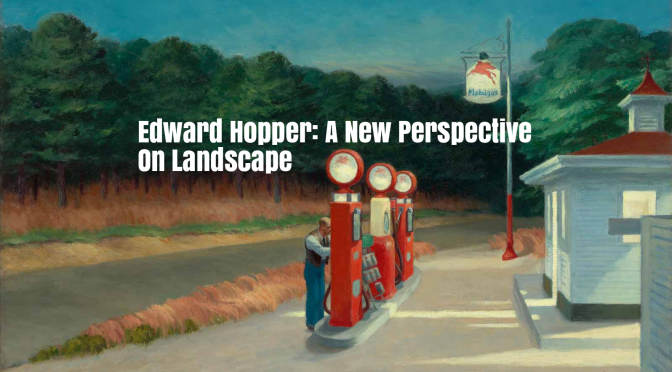
 Edward Hopper’s world-famous, instantly recognizable paintings articulate an idiosyncratic view of modern life, unfolding in a world of lonely lighthouses, gas stations, movie theaters, bars and hotel rooms. With his impressive subjects, independent pictorial vocabulary and virtuoso play of colors, Hopper’s work continues to this day to color our memory and imaginary of the United States in the first half of the 20th century.
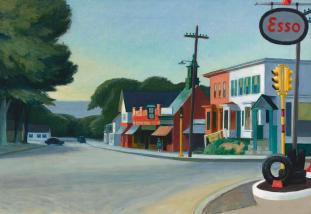 oil paintings. These paintings testify to the artist’s great interest in the effects of color and his mastery in depicting light and shadow, at work whether the artist was painting alienated figures in dreamlike interiors or desolate American landscapes.
 Boomers Daily