
Category Archives: Arts & Literature

The New York Times Book Review – March 26, 2023

Image

The New York Times Book Review – March 26, 2023:

Margaret Atwood Is Still Sending Us Notes From the Future

A photograph of Margaret Atwood, who is wearing a green scarf and green button-down shirt.
Margaret Atwood’s new book is “Old Babes in the Wood.”Credit…Arden Wray for The New York Times

Her new story collection, “Old Babes in the Wood,” offers elegiac scenes from a marriage plus a grab bag of curious fables.


There are authors we turn to because they can uncannily predict our future; there are authors we need for their skillful diagnosis of our present; and there are authors we love because they can explain our past. And then there are the outliers: those who gift us with timelines other than the one we’re stuck in, realities far from home. If anyone has proved, over the course of a long and wildly diverse career, that she can be all four, it’s Margaret Atwood.

50 Years On, ‘Wisconsin Death Trip’ Still Haunts and Inspires

Michael Lesy’s book of historical photographs and found text offers a singular portrait of American life.

Michael Lesy’s 1973 book “Wisconsin Death Trip” is an American oddity, a cult classic for a reason. In a way that few documentary texts do, it makes us leave the baggage of modernity at the trailhead. It forces us back into the inconceivably long nights in rural and small-town America before the widespread use of electricity, before radio, before antibiotics for dying children and antidepressants for anxiety bordering on mania, when events could make a family feel that some nocturnal beast had chalked its door.

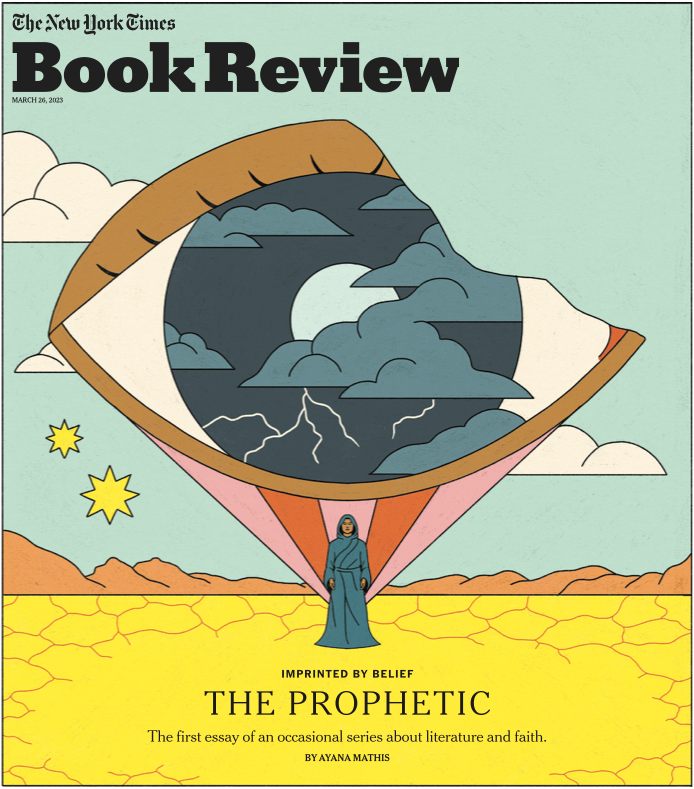
The Prophetic

This illustration depicts a barren landscape, with yellow ground and, in the distance, a low brown mountain range beneath an aqua sky scattered clouds and a couple yellow stars. In the middle of the landscape stands a small figure of a woman in a long green tunic. Above her head, and connected to her body via several pink and red rays, is an enormous human eyeball. At the center of the eye, where the pupil and iris should be, there is a stormy sky: a white moon, half hidden by dark clouds, and streaks of lightning.
Credit…Nada Hayek

The first installment of an essay series on American literature and faith.

I am a child of the church. In an early memory, I am 6 years old, half-asleep in the back of my grandparents’ station wagon on the way home from a revival…
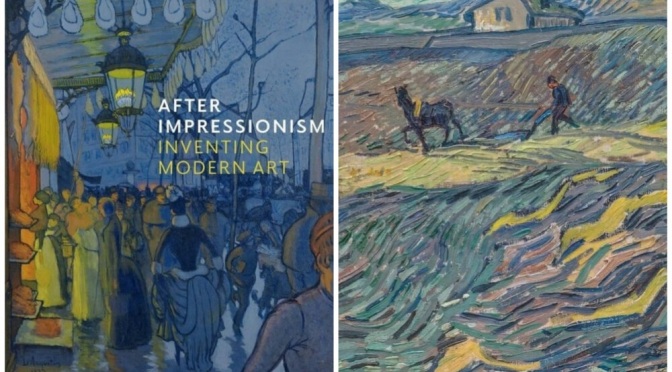
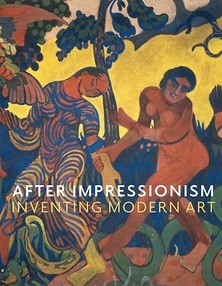
Exhibitions: Inside ‘After Impressionism’ In London

Christie’s (March 24, 2023) – Curator MaryAnne Stevens explains the inspiration for the National Gallery’s new show, which is sponsored by Christie’s. Dominated by Cezanne, Van Gogh, Gauguin and Munch, it also includes lesser-known figures such as Isidre Nonell and Max Slevogt.

After Impressionism: Inventing Modern Art

25 March – 13 August 2023

Explore a period of great upheaval when artists broke with established tradition and laid the foundations for the art of the 20th and the 21st centuries.

The decades between 1880 and the outbreak of the First World War in 1914 were a complex, vibrant period of artistic questioning, searching, risk-taking and innovation.

The exhibition celebrates the achievements of three giants of the era: Paul Cézanne, Vincent van Gogh and Paul Gauguin and follows the influences they had on younger generations of French artists, on their peers and on wider circles of artists across Europe in Barcelona, Berlin, Brussels and Vienna.

Exhibition Views: Shirley Jaffe – Form As Experiment

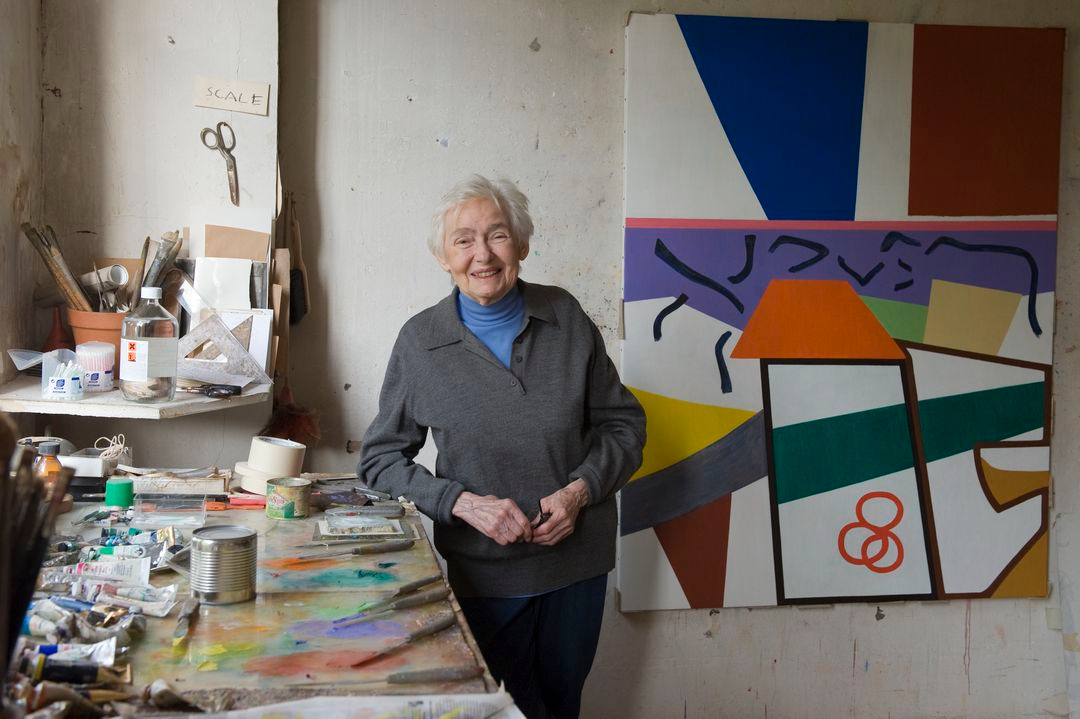
VernissageTV (March 24, 2023) – The exhibition “Shirley Jaffe: Form as Experiment” at Kunstmuseum Basel is the first retrospective of the American abstract painter in Switzerland. Shirley Jaffe (1923-2016) was born in the United States and settled in Paris in the 1950s.

The exhibition at the Kunstmuseum Basel presents 113 works, from Shirley Jaffe’s early abstract expressionist works to the geometric paintings that are characteristic of her late oeuvre.

Shirley Jaffe – Form as Experiment

March 25 to July 30, 2023

Atelier de Shirley Jaffe, Paris, 13 octobre 2008, Kunstwerk im Hintergrund : Shirley Jaffe, "Bande Dessinée en Noir et Blanc", 2009, © 2023, ProLitteris, Zurich, © Bibliothèque Kandinsky, Centre Pompidou, MNAM-CCI / Jean-Christophe Mazur
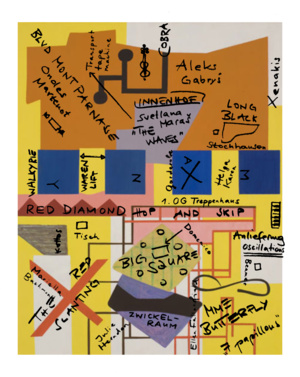
Shirley Jaffe
Manyness by Shirley Jaffe

Born in New Jersey in 1923 as Shirley Sternstein, in 1949, the artist, now Mrs Jaffe, moved to Paris. Following her short-lived her marriage to the journalist Irving Jaffe, the painter decided to remain in France. Having soon established herself in the city, she held regular contact with the American “art expats” Norman Bluhm, Sam Francis, and Joan Mitchell, who had relocated to Paris somewhat later.

Her work dating from this period may be attributed to Abstract Expressionism, a form that sought to draw exclusively from its own resources and which consisted primarily of wildly applied fields of colour and gestures. Although, for the art market at the time, this amounted to a success formula Jaffe nevertheless decided to strike out in a different direction.

Reviews: ‘The Week In Art’

March 24, 2023: This week: Art Basel Hong Kong bounces back. After cancellations, delays and two years of restricted fairs, the fair has returned to something like pre-Covid normality.

So, as other Asian art centres like Seoul and Singapore become increasingly influential, what is the atmosphere like in Hong Kong? Gareth Harris, chief contributing editor at The Art Newspaper, joins us to discuss the fair, the M+ museum and more. It is becoming increasingly clear that social media corporations have become self-appointed cultural gatekeepers that decide which works of art can freely circulate, be pushed into the digital margins or even banned.

Our live editor, Aimee Dawson, talks to the artist Emma Shapiro and Elizabeth Larison, the Director of the Arts & Culture Advocacy Program at the National Coalition Against Censorship, about the issue and a project to counter this tendency, called Don’t Delete Art. And this episode’s Work of the Week is Naabami (thou shall/will see): Barangaroo (army of me), a photographic project by Brenda L. Croft, in which she depicts fellow First Nations women and girls.

The work is part of The National 4: Australian Art Now, a survey across multiple venues in Sydney. One of the show’s curators, Beatrice Gralton, tells us about Croft’s epic series.Art Basel Hong Kong, until 25 March.Visit Don’t Delete Art: dontdelete.artThe National 4: Australian Art Now continues until 23 July. 

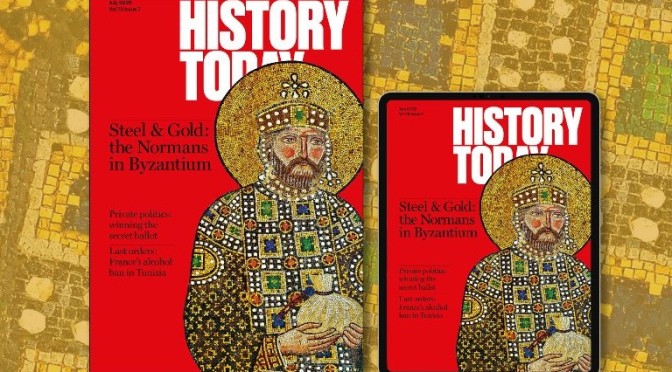
Preview: History Today Magazine – April 2023

Image

HISTORY TODAY MAGAZINE – APRIL 2023 ISSUE

The First Folio

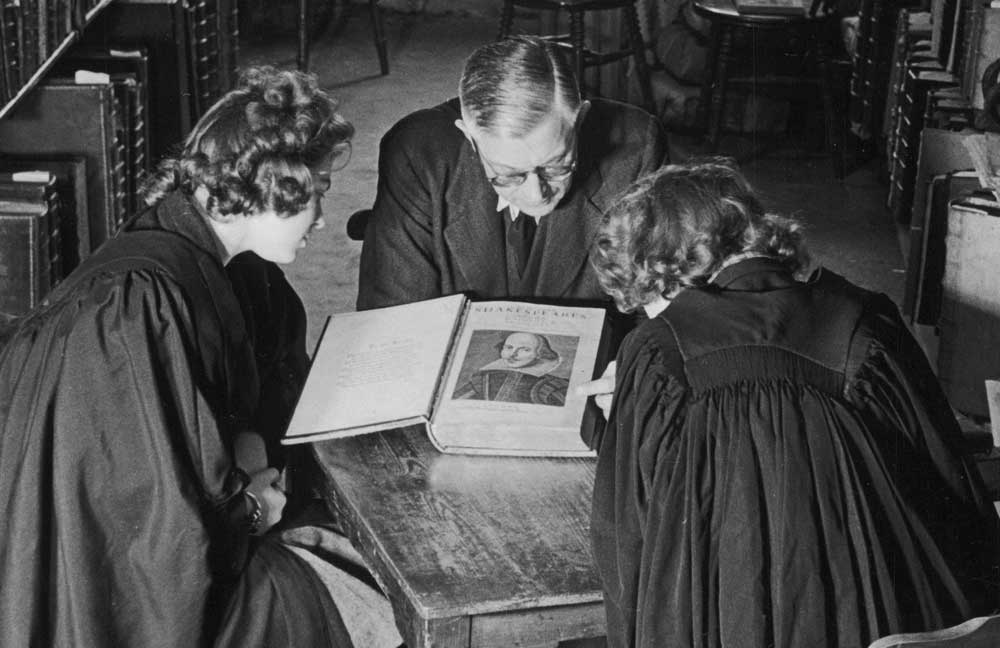
Shakespeare’s First Folio in the library of Durham University, 1950s.

The stage has a short memory, print a long one: 400 years since its first publication, Shakespeare’s First Folio is the reason we remember him.

American Moppets

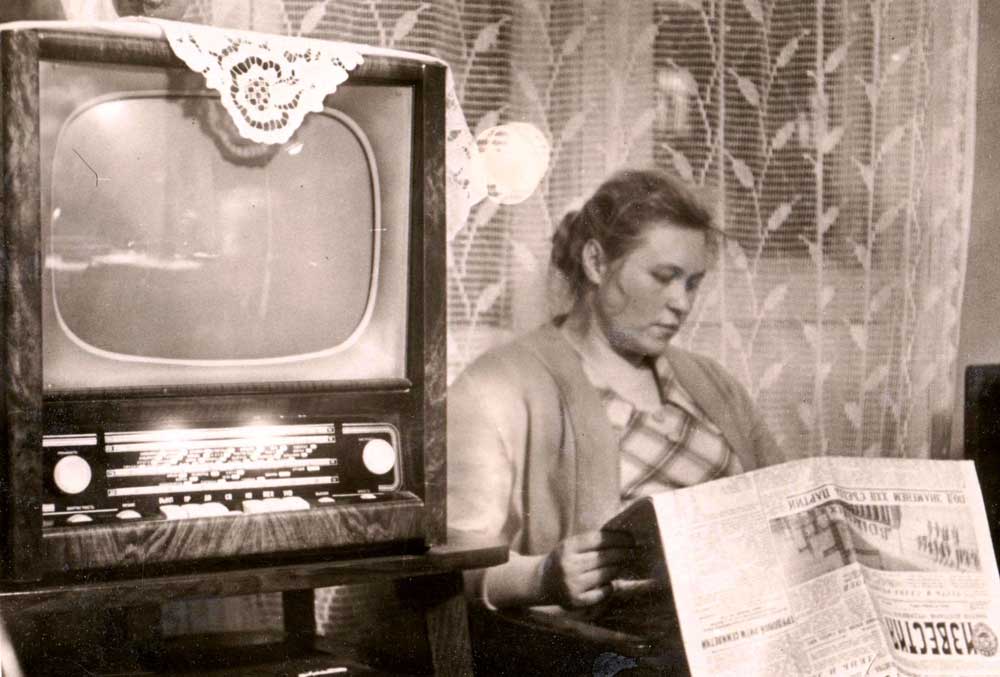
 Teleradiola "Belarus-5" in an ordinary Soviet house.
 ‘The ‘Belarus-5’ in an ordinary Soviet house,’ photographed in the 1960s. 

Americanised globalisation and the new world of Russian business in the 1990s.

In the 1990s, a version of the satirical puppet show Spitting Image arrived on Russian television. A Muscovite once told the story of his father, who took great care to record every episode on VHS.

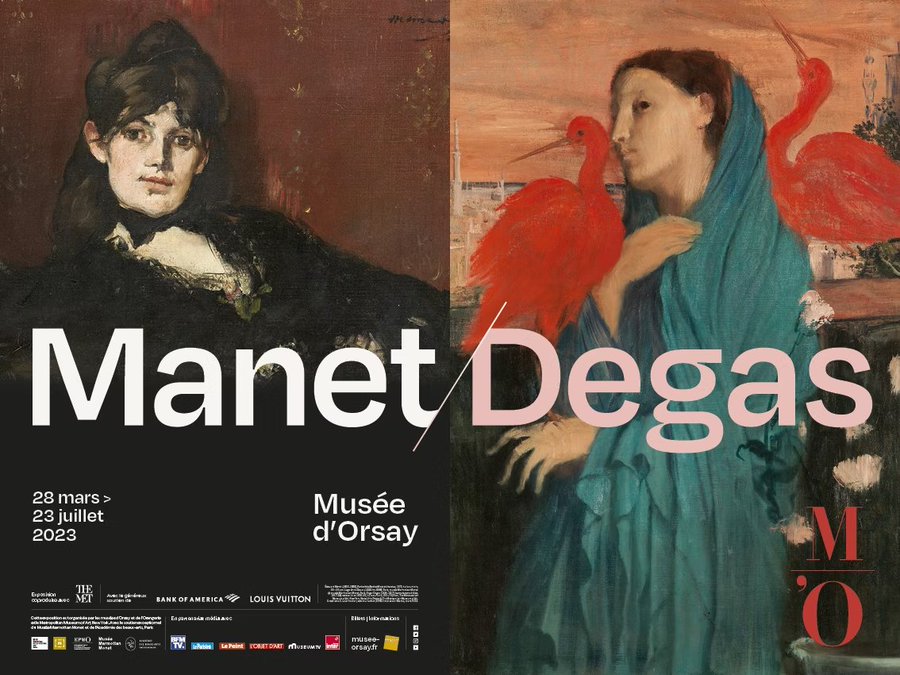
Exhibition Views: Manet/ Degas, Musée d’Orsay Paris

Image

Musée d’Orsay (March 23, 2023) – Édouard Manet (1832-1883) and Edgar Degas (1834-1917) were both key players in the new painting of the 1860s-80s. This exhibition, which brings together the two painters in the light of their contrasts, forces us to take a new look at their real complicity.

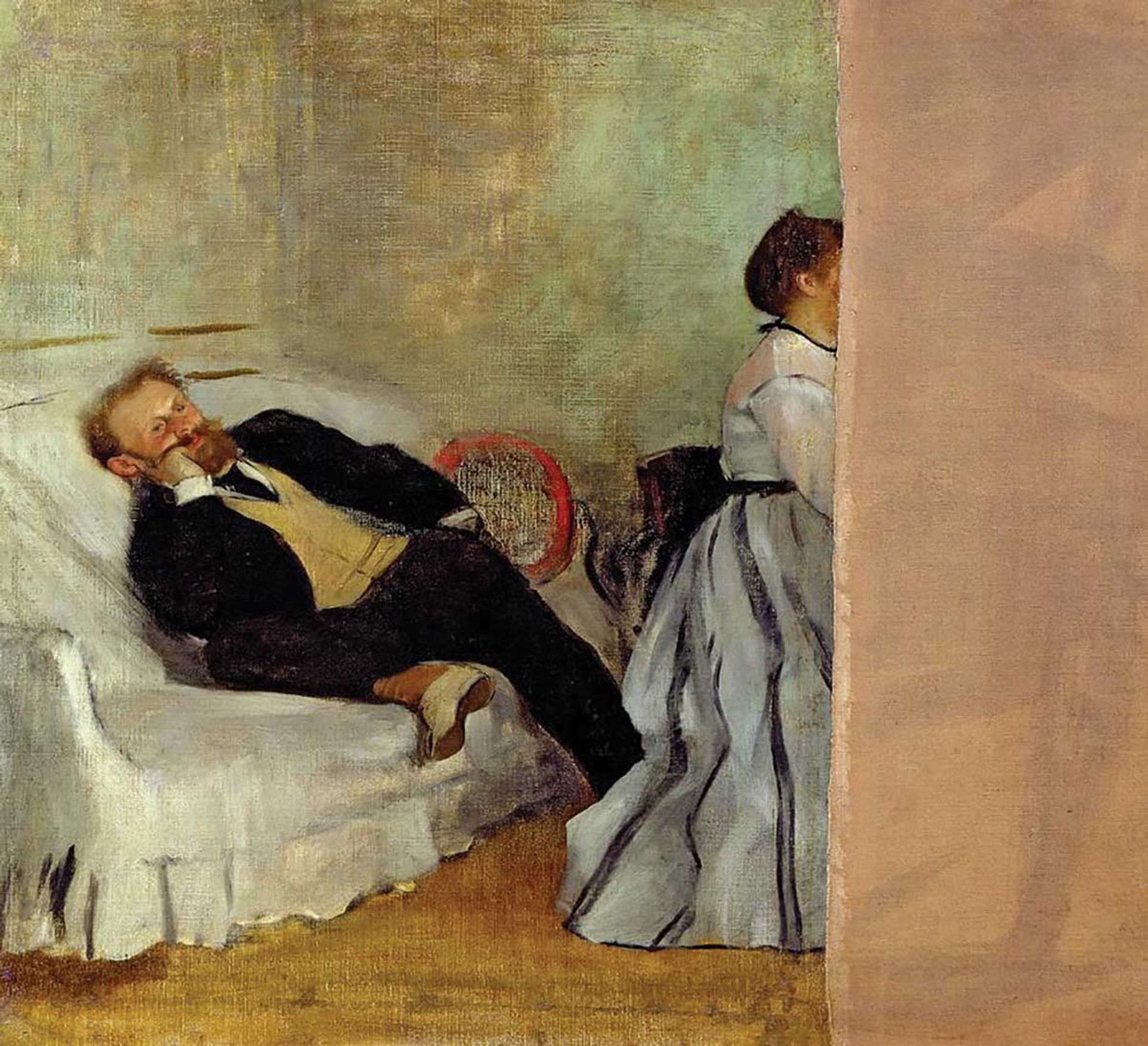
Edgar Degas’s Édouard Manet et sa femme (around 1868-69). Manet was unhappy with the “deformation” of his wife Suzanne’s features and cut her face out of the painting

Kitakyushu Municipal Museum of Art
Edgar Degas’s Édouard Manet et sa femme (around 1868-69). Manet was unhappy with the “deformation” of his wife Suzanne’s features and cut her face out of the paintingKitakyushu Municipal Museum of Art

 It shows what was heterogeneous and conflicting in pictorial modernity, and reveals the value of Degas’s collection, where Manet took a greater place after his death.

A comparison of artists as crucial as Manet and Degas should not be limited to identifying the similarities in their respective bodies of work.

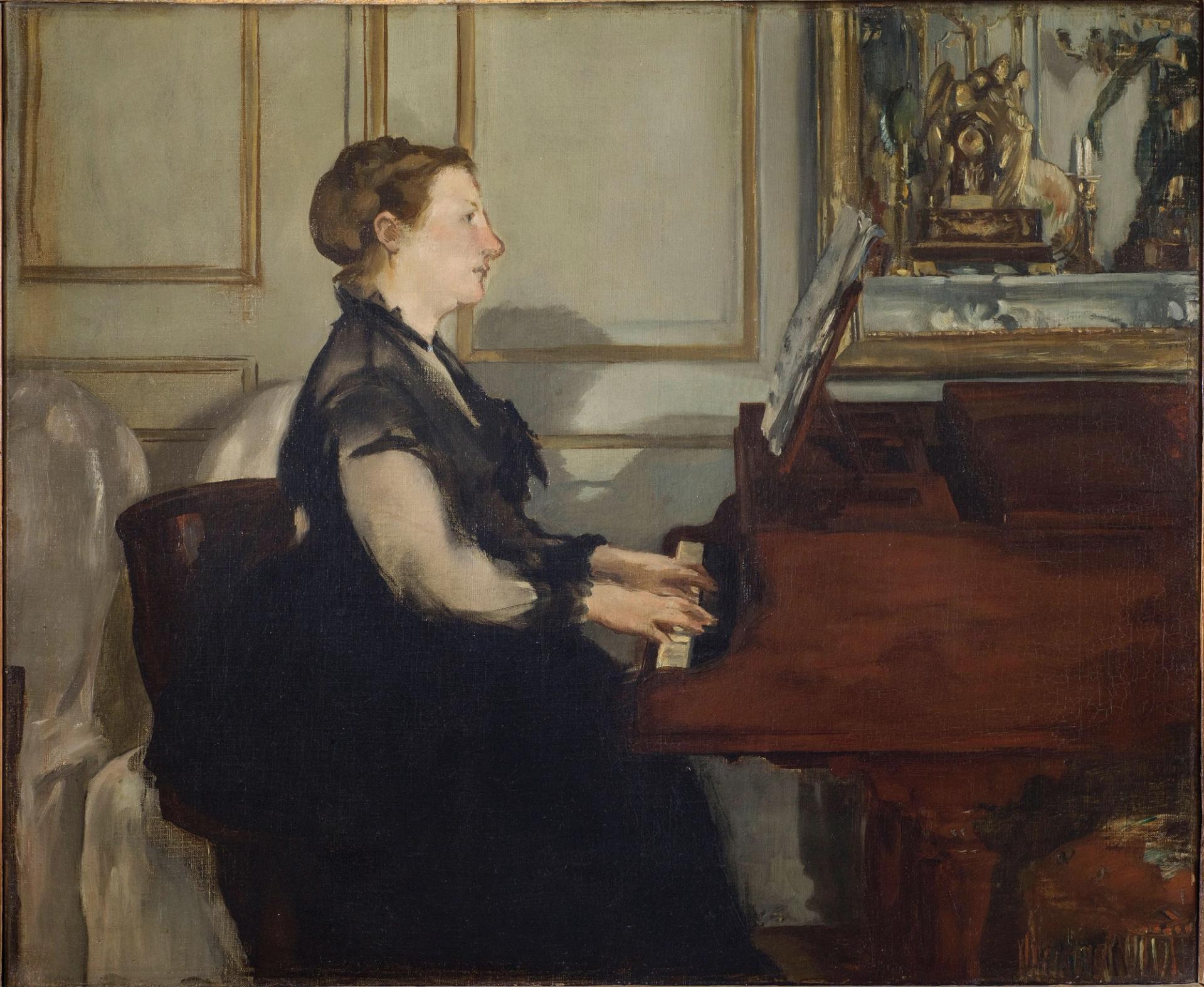
Edouard Manet’s Madame Manet au piano (1868)© Musée d’Orsay, Dist. RMN-Grand Palais / Patrice Schmidt

Admittedly, there is no lack of analogies among these key players in the new painting of the 1860s-80s when it comes to the subjects they imposed (from horse races to café scenes, from prostitution to the tub), the genres they reinvented, the realism they opened to other formal and narrative potentialities, the market and the collectors they managed to tame, and the places (cafés, theaters) and circles, whether comprised of family (Berthe Morisot) or friends, where they crossed paths.

Manet / Degas

From March 28 to July 23, 2023

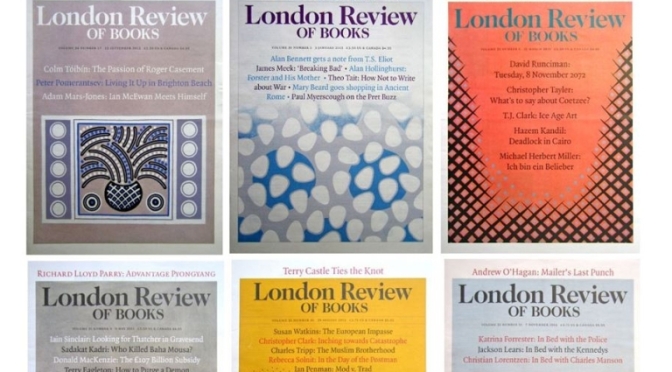
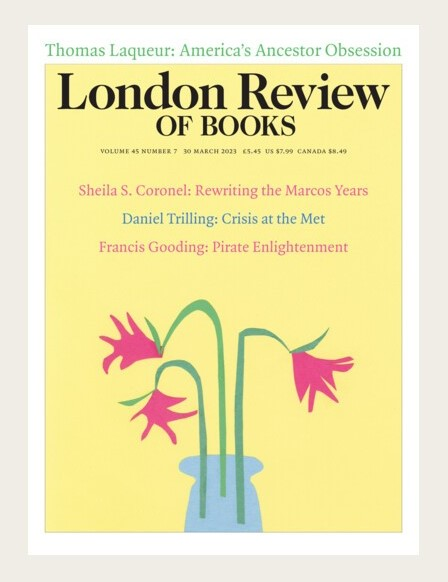
Preview: London Review Of Books – March 30, 2023

Image

London Review of Books (LRB) – March 30, 2023 issue:

The Pocahontas Exception

A Nation of Descendants: Politics and the Practice of Genealogy in US History by Francesca Morgan.

In A Nation of Descendants: Politics and the Practice of Genealogy in U.S. History (University of North Carolina Press, 2021), historian Francesca Morgan tracks Americans’ obsession with tracing family ancestry. Morgan sheds light on the evolution of genealogical knowledge from the early republic to the present day. Although our New Books Network conversation concentrates on African Americans, in her text, she looks explicitly at how Anglo-American white, Mormon, Jewish, African American, and Native American people wrestled with locating and documenting their kin and ultimately shaped the practice of genealogy. A Nation of Descendants also explores the transformation of genealogical practices as it becomes commercialized and commodified.

When Thieves Retire

Pirate Enlightenment, or the Real Libertalia by David Graeber

Pirate Enlightenment, or the Real Libertalia

Pirates have long lived in the realm of romance and fantasy, symbolizing risk, lawlessness, and radical visions of freedom. But at the root of this mythology is a rich history of pirate societies―vibrant, imaginative experiments in self-governance and alternative social formations at the edges of the European empire.

Art Exhibitions: Elizabeth Price, Sound Of The Break

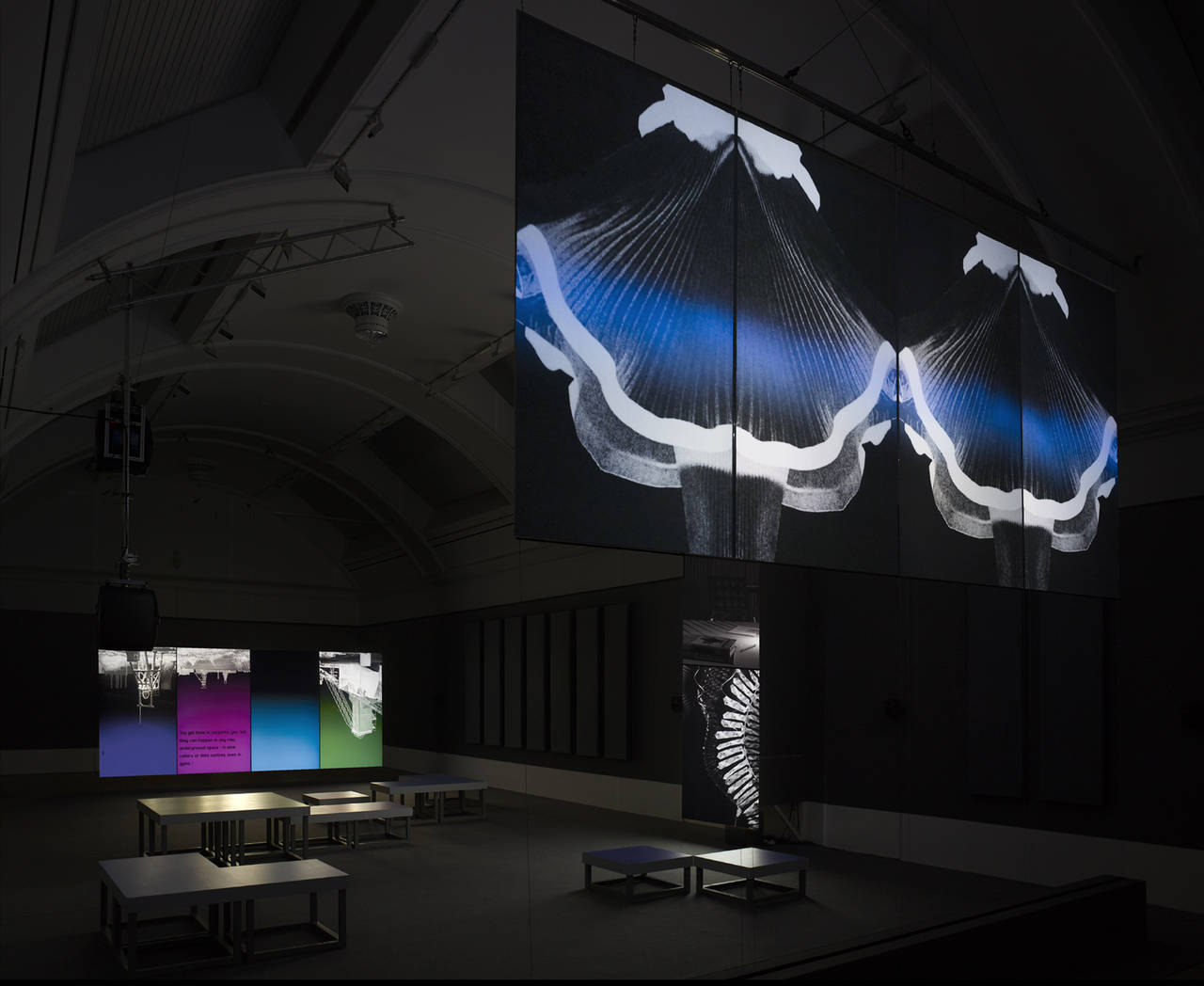
View of Elizabeth Price: A LONG MEMORY, The Whitworth, The University of Manchester, Manchester, UK, 2019–2020. © Elizabeth Price and The Whitworth, The University of Manchester.

SCHIRN KUNSTHALLE FRANKFURT (March 22, 2023) – From March 23 to May 29, 2023, the Schirn Kunsthalle Frankfurt is presenting a major solo exhibition by the Turner Prize winner Elizabeth Price (b. 1966), including both new and recent works that are being shown for the first time in Germany.

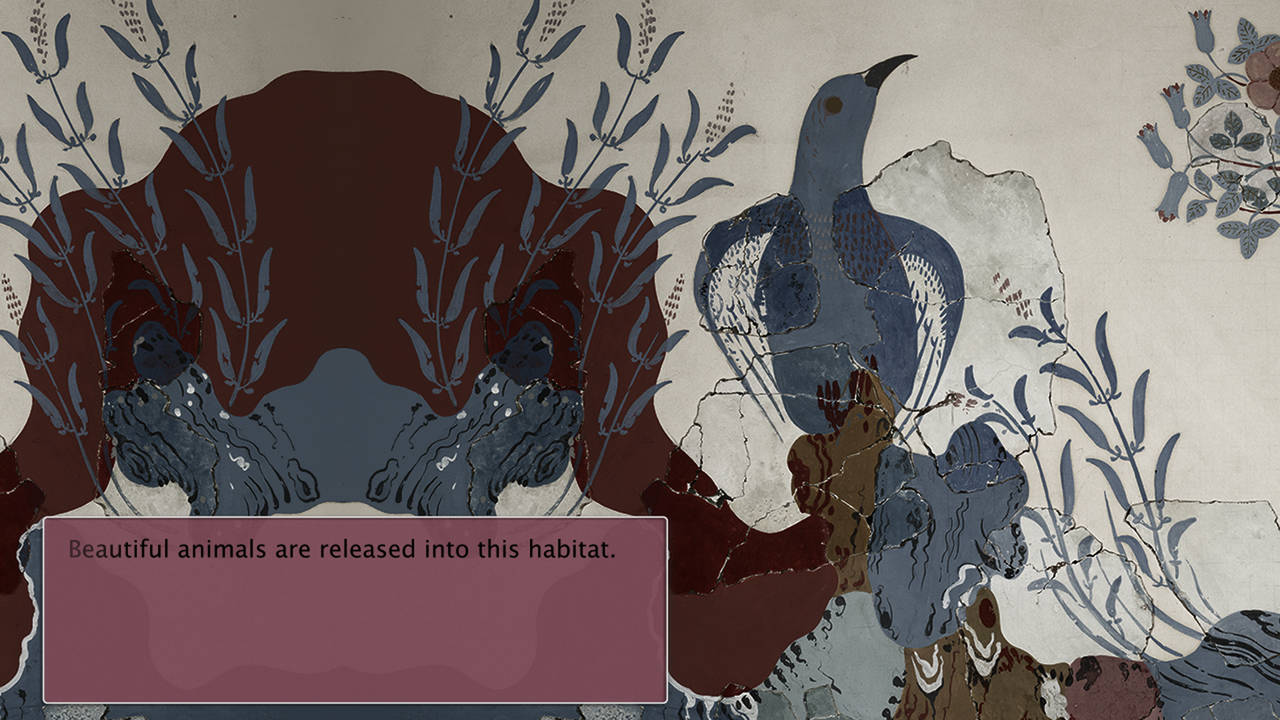
The artist creates moving-image works, composing visuals, text, and sound to form spatial installations that restage cultural and sociopolitical events and focus attention on largely unnoticed stories. Price’s moving-image works are grounded in a conceptual approach.

ELIZABETH PRICE. SOUND OF THE BREAK

23 MARCH – 29 MAY 2023

Eliz­a­beth Price (b. 1966) makes the trans­for­ma­tion of digital works visible. The artist creates moving images, composing visuals, text, and sound to form spatial instal­la­tions that restage cultural and sociopo­lit­ical events and focus atten­tion on largely unno­ticed stories. The SCHIRN is presenting a major solo exhi­bi­tion of this winner of the Turner Prize, including both new works and others that are being shown for the first time in Germany.

Each of her video works is the result of metic­u­lous research and a wide-ranging exam­i­na­tion of archives and collec­tions of mate­rial. Over the course of her digital appro­pri­a­tion, Price develops new narra­tives from art objects and docu­ments of histor­ical events. A recur­ring topic is the changing world of work as a result of digi­tal­iza­tion, the migra­tion of manual work to emerging coun­tries that pay low wages, and the increase in infor­ma­tion work, office activ­i­ties, and admin­is­tra­tion. The SCHIRN is showing two exten­sive instal­la­tions, each with two corre­sponding videos, as well as four video lectures created during the coro­n­avirus lock­down which provide insight into the artist’s working process. Price’s videos defa­mil­iarize the past until it is no longer recog­niz­able, replacing it with new, seduc­tive, and anar­chic energy.

Press release

READ MORE AT e-flux

Arts/Books: Times Literary Supplement-March 24, 2023

Image

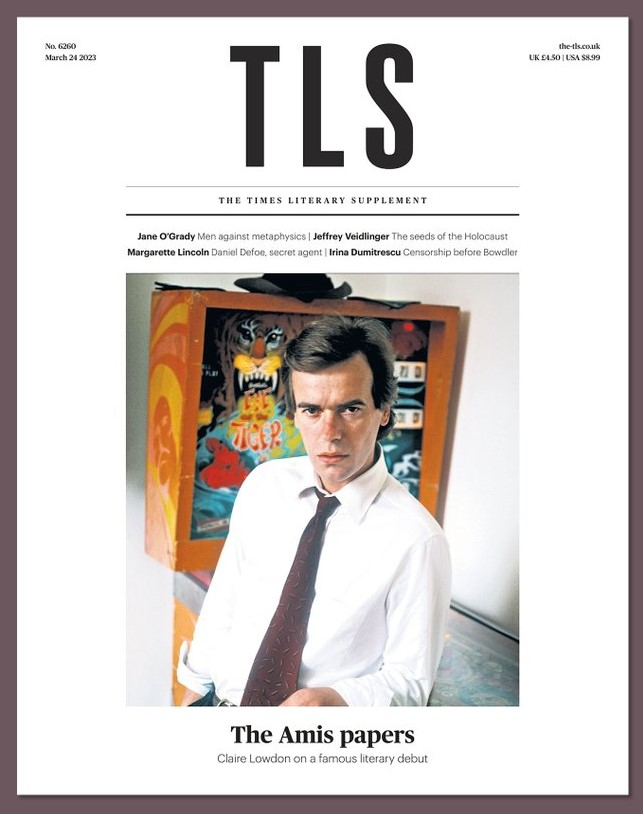
Times Literary Supplement @TheTLS (March 24, 2023) – This week’s @TheTLS, featuring Claire Lowdon of The Rachel Paper at fifty; @Veidlinger on the Holocaust; @margarettelinc1 on Defoe’s letters; @_RachelHandley on Murdoch, Foot, Midgley & Anscombe; new poems by Bidhu Padhi and @otium_Catulle – and more.

Literary Arts: The London Magazine – April/May 2023

Image

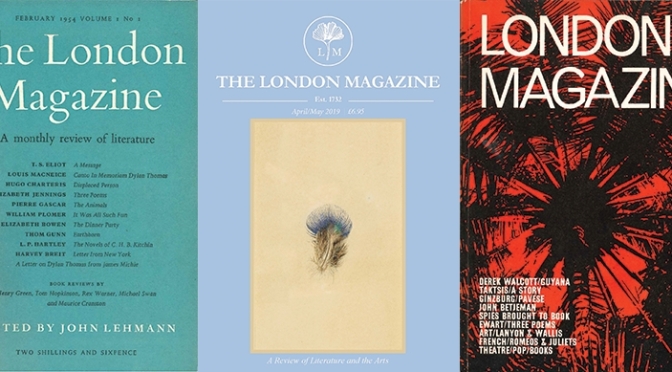
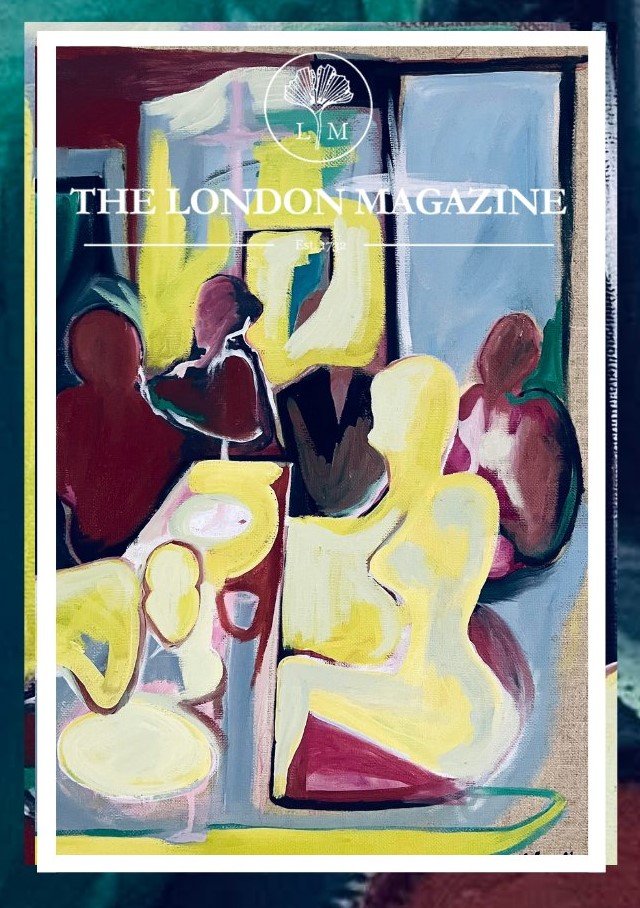
The London Magazine – April/May 2023

Manet, Mandarins and Me


Chloë Ashby

My husband doesn’t enjoy peeling oranges. He doesn’t like the little white webs of pith or the way the juice trickles between his fingers and soaks and stains the skin. He’s not a fan of pips. The citrus-sweet taste he could take or leave. If I had to choose between him and my favourite fruit, I like to think I’d stick with him.

On this episode of The London Magazine Podcast, we speak with Max Wilkinson.Max is a playwright and screenwriter whose award-winning play, Rainer, about a voyeuristic delivery rider riding around London, played at the Arcola Theatre last summer and is being produced for BBC Radio Four’s Afternoon play slot.

The Uses of Beauty

Hugh Dunkerley

When Clare wakes, the car is moving along a wide valley between fields of grazing cattle. She shifts in her seat, her side sweaty where her brother Robbie has been leaning against her. The last thing she remembers is crossing into Austria at a high pass, a young border guard peering in at them through the drizzle. Now the sun is out, and the tarmac is steaming in the heat. At a junction, her father slows down. ‘This is it,’ he says, turning the car. They pass through a village, all whitewashed houses with large overhanging roofs. In the deserted square is a small inn, Der Jäger painted across one wall in beautiful gothic script. Next to the lettering is a twenty-foot-high figure of a hunter in Tyrolean leather trousers and green hat, striding across a mountain side. Clare notices that he has the same jaw as John Travolta in Grease.