Category Archives: Art

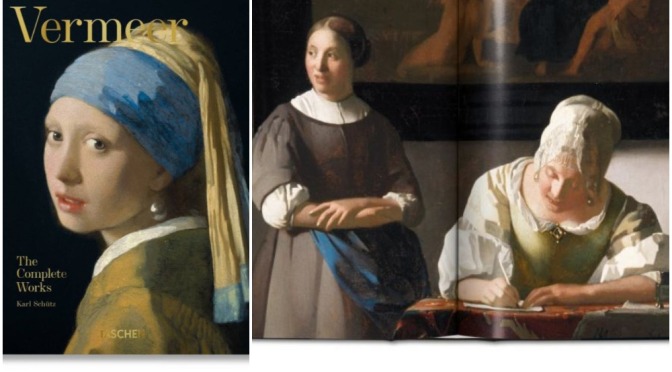
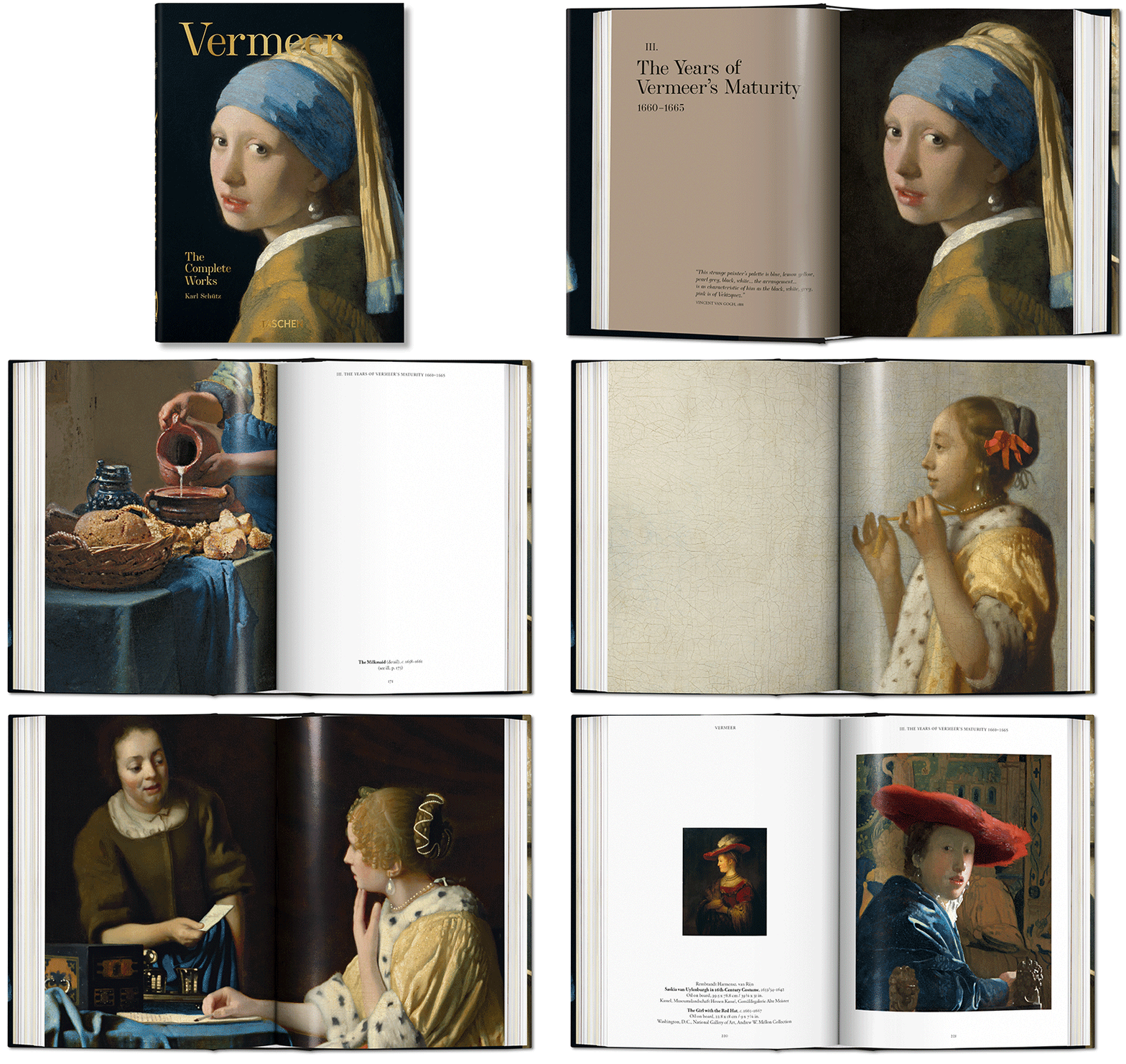
New Art Books: ‘Vermeer – The Complete Works’

In his lifetime, however, the fame of Johannes Vermeer (1632–1675) barely extended beyond his native Delft and a small circle of patrons. After his death, his name was largely forgotten, except by a few Dutch art collectors and dealers. 

TASCHEN

Despite numbering at just 35, his works have prompted a New York Times best seller; a film starring Scarlett Johansson and Colin Firth; record visitor numbers at art institutions from Amsterdam to Washington, DC; and special crowd-control measures at the Mauritshuis, The Hague, where thousands flock to catch a glimpse of the enigmatic and enchanting Girl with a Pearl Earring, also known as the “Dutch Mona Lisa”.

Outside of Holland, his works were even misattributed to other artists. It was not until the mid-19th century that Vermeer came to the attention of the international art world, which suddenly looked upon his narrative minutiae, meticulous textural detail, and majestic planes of light, spotted a genius, and never looked back.

This 40th anniversary edition showcases the complete catalog of Vermeer’s work, presenting the calm yet compelling scenes so treasured in galleries across Europe and the United States into one monograph of utmost reproduction quality. Crisp details and essays tracing Vermeer’s career illuminate his remarkable ability not only to bear witness to the trends and trimmings of the Dutch Golden Age but also to encapsulate an entire story in just one transient gesture, expression, or look.

The author

After completing his studies of art history and archaeology at the University of Vienna, Karl Schütz joined the staff of the Gemäldegalerie of the city’s Kunsthistorisches Museum, serving from 1972 as a curator and from 1990 to 2011 as its director. His particular scholarly interests include Netherlandish and Flemish painting, early-16th-century German painting, courtly portraiture, and the history of the Gemäldegalerie collection.

Read more

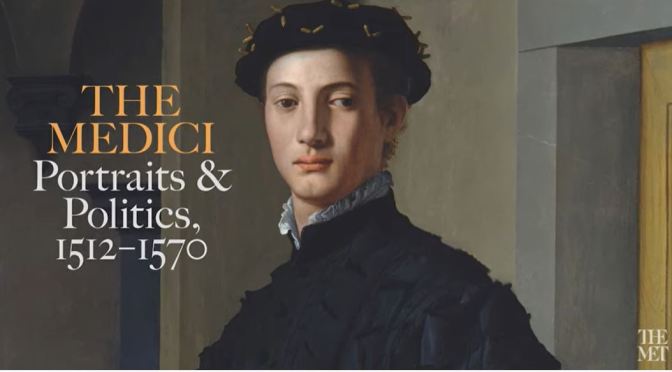
Met Museum Exhibit Tour: The Medici – Portraits And Politics, 1512-1570 (Video)

Join exhibition curator Keith Christiansen and Renaissance art historians Linda Wolk-Simon and Davide Gasparatto in conversation about the exhibition “The Medici: Portraits and Politics, 1512–1570,” and the development of the Florentine identity through portraits under Cosimo I de’ Medici’s rule. Film made possible by the generous support of The Brownstein Family Foundation, a Patron Member of The Friends of the Bargello. Learn more about the exhibition “The Medici: Portraits and Politics, 1512–1570” on The Met’s website: https://www.metmuseum.org/MediciPortr…

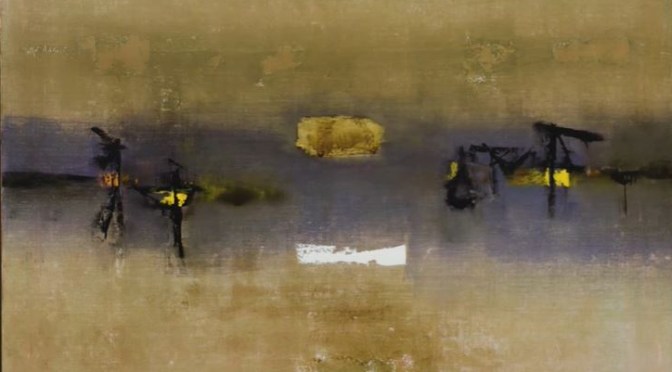
Art: Vasudeo S. Gaitonde’s “Painting 4” – The Abstract Artist ‘Haven From Chaos’

Cara Manes, Associate Curator in the Department of Painting and Sculpture, discovers a haven from the chaos of the everyday amid the “silence” and imperfection of Vasudeo S. Gaitonde’s “Painting, 4.”

Vasudeo S. Gaitonde was regarded as one of India’s foremost abstract painters. He received the Padma Shri Award in 1971.

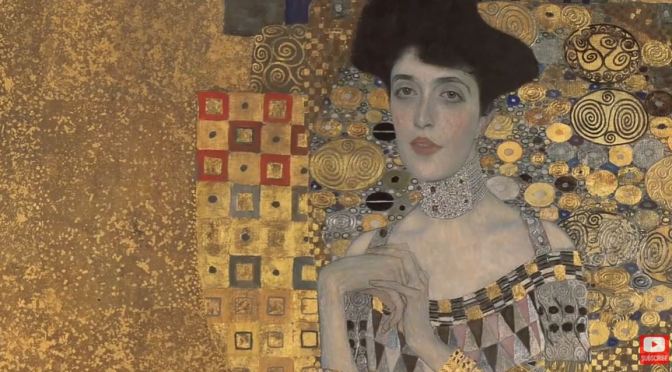
Symbolist Views: Austrian Painter Gustav Klimt

Gustav Klimt was an Austrian symbolist painter and one of the most prominent members of the Vienna Secession movement. Klimt is noted for his paintings, murals, sketches, and other objets d’art. Klimt’s primary subject was the female body, and his works are marked by a frank eroticism. 

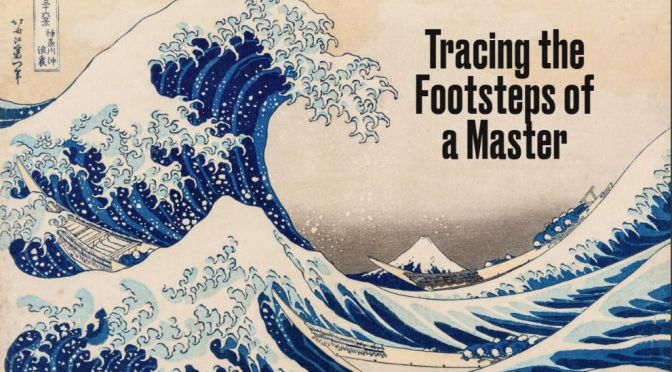
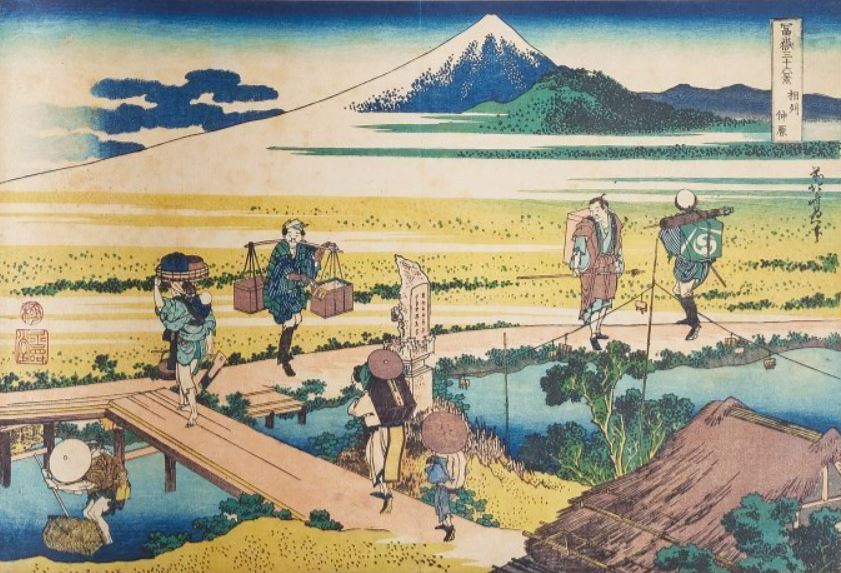
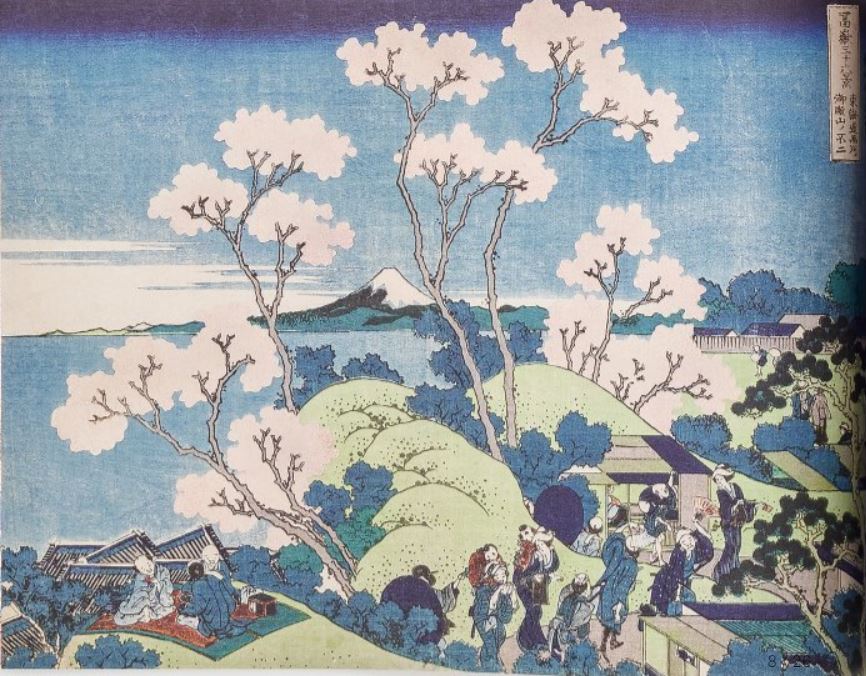
Art: ‘Hokusai. Thirty-Six Views Of Mount Fuji’

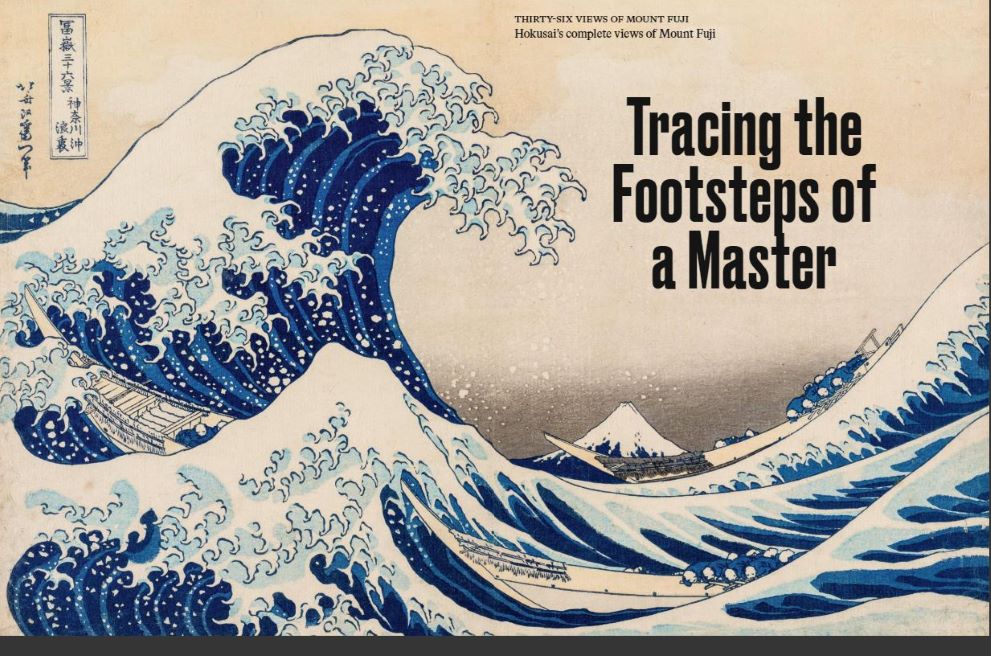
Mount Fuji has long been a centerpiece of Japanese cultural imagination, and nothing captures this with more virtuosity than the landmark woodblock print series Thirty-six Views of Mount Fuji by Katsushika Hokusai (1760–1849).

The renowned printmaker documents 19th-century Japan with exceptional artistry and adoration, celebrating its countryside, cities, people, and serene natural beauty. Produced at the peak of Hokusai’s artistic ambition, the series is a quintessential work of ukiyo-e that earned the artist world-wide recognition as a leading master of his craft.

The prints illustrate Hokusai’s own obsession with Mount Fuji as well as the flourishing domestic tourism of the late Edo period. Just as the mountain was a cherished view for travelers heading to the capital Edo (now Tokyo) along the Tōkaidō road, Mount Fuji is the infallible backdrop to each of the series’ unique scenes. Hokusai captures the distinctive landscape and provincial charm of each setting with a vivid palette and exquisite detail. Including the iconic Under the Great Wave off Kanagawa (also The Great Wave), this widely celebrated series is a treasure of international art history.

Read more

Art History: Whistler’s ‘Comte Robert de Montesquiou-Fezensac’

In the final episode of “Cocktails with a Curator,” Deputy Director and Peter Jay Sharp Chief Curator Xavier F. Salomon bids audiences farewell with a discussion of “Arrangement in Black and Gold: Comte Robert de Montesquiou-Fezensac” by James McNeill Whistler, the best-represented artist at the Frick with twenty works in the collection. Whistler met the eccentric poet and aristocrat depicted in the painting in 1885, and they soon became fast friends, with Montesquiou sitting for the portrait in 1891–92, making it the most modern work on display at Frick Madison. This week’s complementary cocktail is the Black Manhattan, a spin-off of the cocktail from the very first episode of “Cocktails with a Curator.” Xavier, Aimee, and Giulio extend their thanks to all those who made this program possible and, of course, to you, the viewers—cheers! To view this painting (or object) in detail, please visit our website: https://www.frick.org/whistlerblackgold

The Arts: Rembrandt And The History Of Mahogany

In the inaugural episode of “Where in the World?,” Curator Aimee Ng explores the history of mahogany, a material hidden beneath the surface of a Rembrandt portrait and sourced oceans away from the famed artist’s homeland.

The Frick’s temporary move to Frick Madison has prompted new ways of looking at our works of art. The reframing of the collection sheds light on the fact that the Frick’s art, although predominantly European, is undeniably linked to the world beyond Europe. In this series, we’re exploring some of these stories, asking “where in the world” we can find new connections to familiar objects.

To view the Rembrandt painting in detail, please visit our website: https://www.frick.org/rembrandtruts

Profiles: British Artist Aimee Lax (V&A Museum)

Aimee Lax is an artist whose work examines the fragility and strength of the natural world, showing how it can be simultaneously threatening and beautiful. During her residency she has focussed on the question of the Anthropocene, looking at the burial of nuclear waste and the strange morphological effects on organisms in areas exposed to nuclear radiation. Creating works which convey a sense of otherworldliness and the uncanny, she uses clay to illustrate the dangers of the past, present and future. Engaging Ceramics Artist in Residence October 2019 – July 2020.

French Views: The Lasting Legacy Of King Louis XIV

Louis XIV embodies absolute monarchy more than any other French king. The Sun King, who ruled from 1643 to 1715, left his mark on many places in France, from Versailles to Saint-Jean-de-Luz and the Gobelins tapestry factory in Paris. Even today, his legacy lives on in all of them. FRANCE 24 takes you on a tour.