

Video timeline: 0:00 Intro 0:52 Why 155s are so important in Ukraine 2:40 How 155mm shells are made 4:20 History of 155mm shells 4:53 Other expensive weapons NATO has sent Ukraine 5:51 How America is sending cluster bombs during shortage

Video timeline: 0:00 Intro 0:52 Why 155s are so important in Ukraine 2:40 How 155mm shells are made 4:20 History of 155mm shells 4:53 Other expensive weapons NATO has sent Ukraine 5:51 How America is sending cluster bombs during shortage

Video timeline: 00:00 Intro 00:35 Charlottenburg Palace 03:06 Glienicke Palace 04:30 Grunewald Hunting Lodge Palace
Hannah takes you from the Mediterranean-style Glienicke Palace to the royal baroque Charlottenburg Palace and on to the remote Grunewald Hunting Lodge Palace.

We were lucky enough to be invited to explore this unique country steeped in history and culture, where a traditional way of life reigns supreme and we were given access to film places cameras have never been before. Join us as we explore a remote indigenous mountain village, meditate with monks, and are welcomed into the homes of locals.
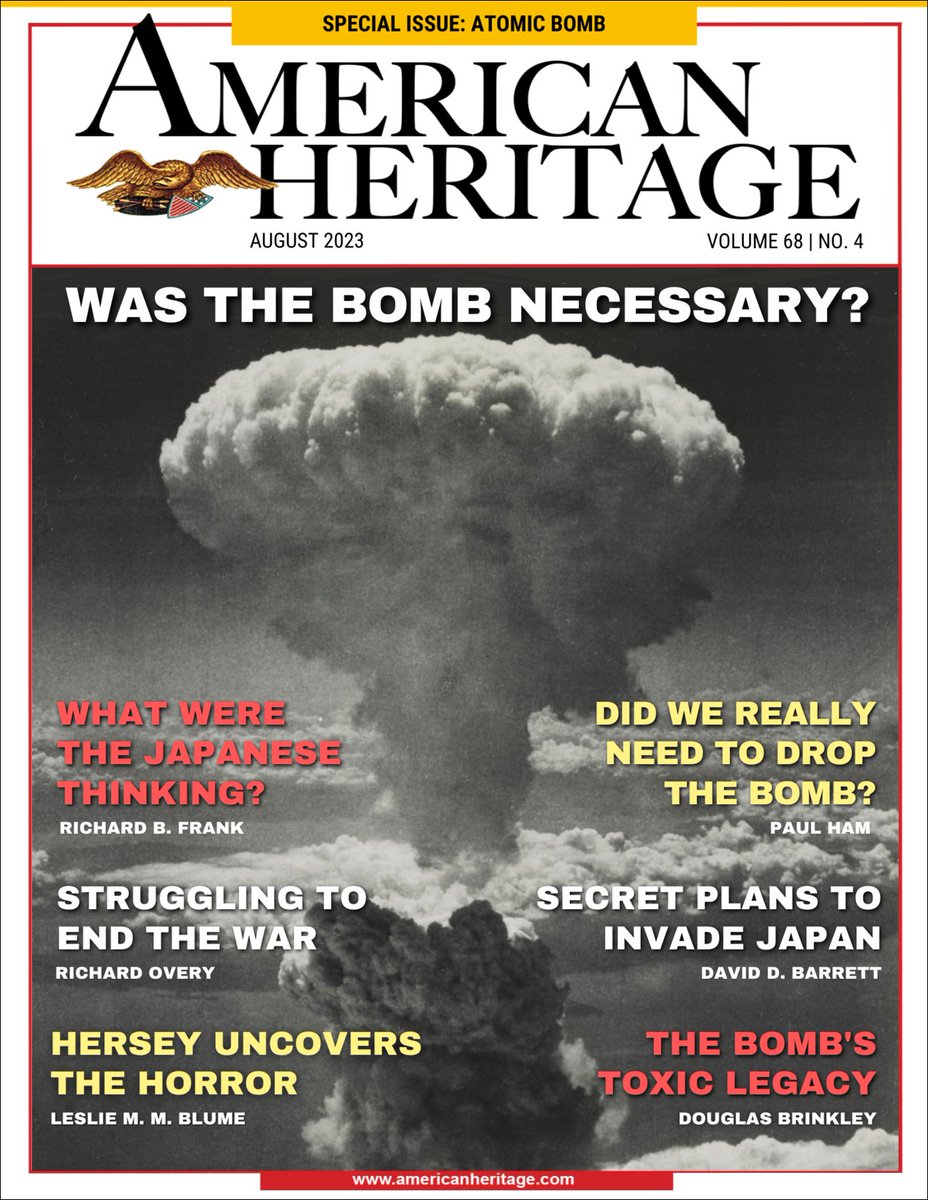

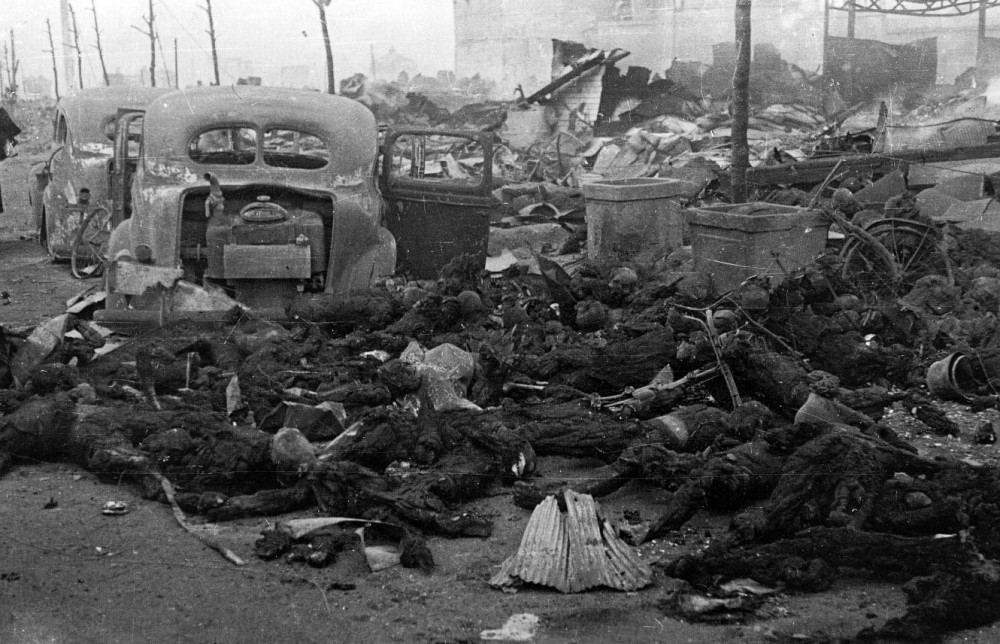
In the spring of 1945, American bombing raids destroyed much of Tokyo and dozens of other Japanese cities, killing at least 200,000 people, without forcing a surrender.
After the bloody battles at Iwo Jima and Okinawa, planners feared as many as two million American deaths if the US invaded the Japanese homeland.
By the summer of 1944, U.S. military power in the Pacific Theater had grown spectacularly. Beginning days after the D-Day invasion in France, American forces launched their largest attacks yet against the Japanese-held islands of Saipan on June 15, Guam on July 21, and Tinian on July 24. Situated 1,200 to 1,500 miles south of Japan in the crescent-shaped archipelago known as the Marianas, they were strategically important, defending the empire’s vital shipping lanes from Asia and preventing increased aerial attacks on the homeland.
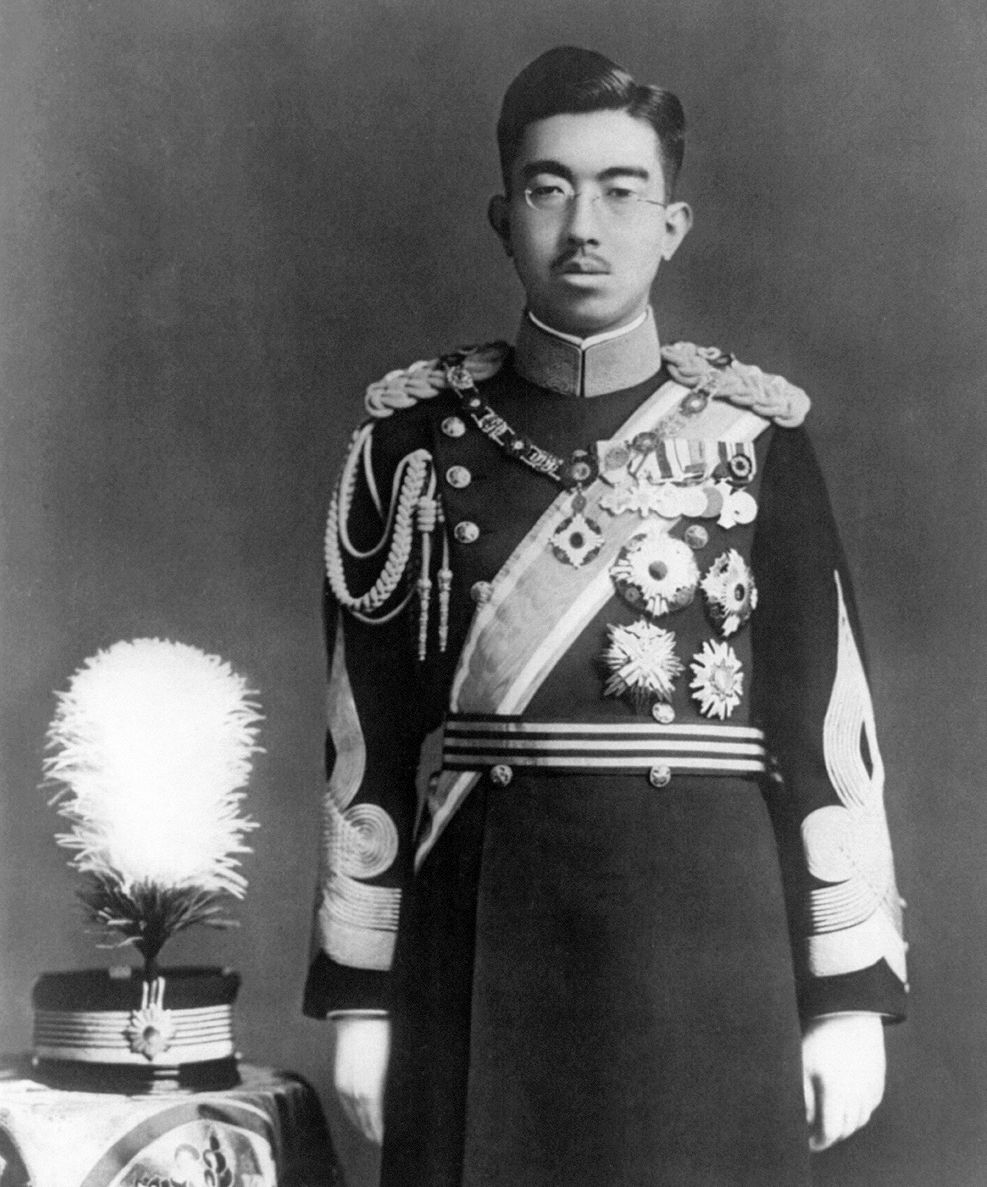
As defeat became inevitable in the summer of 1945, Japan’s government and the Allies could not agree on surrender terms, especially regarding the future of Emperor Hirohito and his throne.
As the Allied armies closed in on the German capital in 1945, the complications for ending the war in Europe paled, in comparison with the difficulty of forcing a Japanese surrender. For the Japanese military, the concept was unthinkable, a state of mind confirmed by the hundreds of thousands of Japanese servicemen who had already been killed, rather than giving up a hopeless contest.
For the Japanese leadership, the whole strategy of the Pacific war had been predicated on the idea that, after initial victories, a compromise would be reached with the Western enemies to avoid having to fight to a surrender. Switzerland was thought of as a possible neutral intermediary; so, too, the Vatican, for which reason a Japanese diplomatic mission was established there early in the war.
The Japanese government watched the situation in Italy closely, when General Pietro Badoglio became prime minister after the fall of Mussolini’s fascist regime, and remained in power after the Italian surrender in 1943. If Badoglio could modify unconditional surrender by retaining the government and Victor Emmanuel as king, then a “Badoglio” solution in Japan might ensure the survival of its imperial system.
August 6, 2023 – Emma Nelson, Damita Pressl and Charles Hecker unpack the weekend’s hottest topics. We also hear from Monocle’s editorial director, Tyler Brûlé, and our Bangkok correspondent, Gwen Robinson.
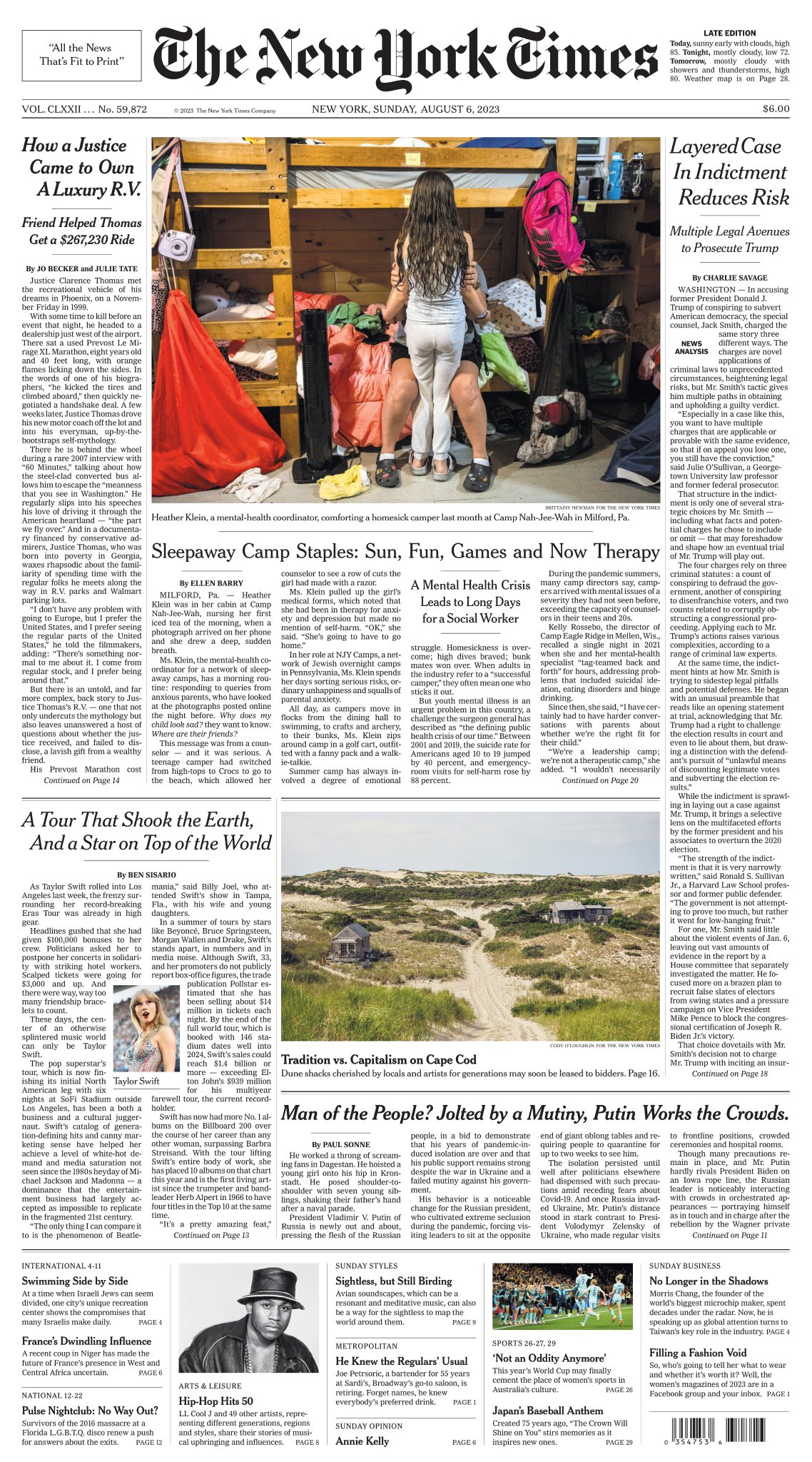

The special counsel layered varied charges atop the same facts, while sidestepping a free-speech question by not charging incitement.

The vehicle is a key part of the justice’s just-folks persona. It’s also a luxury motor coach that was funded by someone else’s money.
As the United States grapples with a mental-health crisis, summer camps are looking more closely at the children in their care.
His contained interactions with crowds this summer are a noticeable change for the Russian leader, who disdains retail politics and operated in extreme seclusion during the pandemic.

The temple compound is nestled in Kyoto’s Eastern Mountain (Higashiyama), and its buildings, most of them connected by covered walkways and staircases, are scattered among a range of heights.
– Main gate – the Kōrai-mon (高麗門) is named after the ancient Korean kingdom of Goguryeo (Kōrai in Japanese). The current structure dates from the late Edo period (mid-19th century).
– Inner gate – the Yakui-mon (薬医門), along with the Kōrai-mon, derive from the fortress gates that would have surrounded the aristocratic mansion before it became a temple. Their placement and architecture are said to still reflect these origins today. The current structure dates to 1744.


THE NEW YORK TIMES MAGAZINE (August 6, 2023) –

Many writers are looking for ways to capture the everyday realities that the government keeps hidden — sometimes at their own peril.
By Han Zhang
On an August evening in 2021, the best-selling Chinese novelist Hao Qun, who writes under the name Murong Xuecun, was procrastinating in his one-bedroom apartment. He needed to be at Beijing Capital International Airport around 6 the next morning to catch a flight to London, but he found it hard to pack. Though Hao had a valid tourist visa to Britain, the Chinese government had kept tabs on him for years, and it was possible that he would be prevented from leaving; other public intellectuals had tried to travel abroad only to discover that they were under exit bans. Hao might have been packing for a life of exile or a futile trip to the airport.

It was an explosive claim — that a Virginia school district covered up a crime in order to protect transgender rights. But was it true?
For months a sort of aerosolized fury had hung over the Loudoun County school district. There were fights over Covid closures and mask mandates, over racial-equity programs, over library books. Now, in the weeks before the school board’s meeting on June 22, 2021, attention had shifted to a new proposal: Policy 8040, which would let transgender students choose pronouns, play sports and use bathrooms in accordance with their declared gender identity. In May, an elementary-school gym teacher announced that as a “servant of God,” he felt he could not follow the policy. The district swiftly suspended him — and just as swiftly, the antennae of conservative media outlets and politicians swiveled toward Loudoun County.
The magazine’s Ethicist columnist on helping people who are institutionalized against their will.
By Kwame Anthon

0:15 Half of Gen Z & Millenials live paycheck to paycheck – A new survey asked young people their biggest concerns. The cost-of-living crisis came out top. Many say they’ve been forced to take on side jobs to make ends meet or postpone big life decisions such as buying a house. And the extra stress is taking its toll. 46% of Gen Zs and 39% of millennials feel anxious at work all or most of the time and levels of burnout are on the rise. Their second biggest concern is unemployment.
1:51 This start-up recycles household batteries – The Better Battery Company sells batteries in special packaging. Its batteries are white at the positive end and blue at the negative. Inside the box, the batteries are arranged in rows with the white end upturned. When each battery runs out, you put it back in the box the other way up so it’s easy to see which are used and which are new. When the box is filled with spent batteries, you return it using a free postage label and the Better Battery Company sends them off to be recycled.
3:01 AI translates K pop hits into 6 languages – K-pop stars have recorded songs in Japanese and English before but a simultaneous 6-language release is a global first. Right now, the pronunciation correction process takes ‘weeks or months’, according to HYBE. But one day, AI could translate songs in real-time. This isn’t the only way AI is changing the music industry. Streaming platforms use AI to analyse users’ listening habits to pick the perfect playlist AIs are even composing their own music or being employed as collaborators.
4:48 New airline tires can cut pollution – Airless tyres could cut pollution and make punctures a thing of the past. Made of shape memory alloy, these tyres are puncture-proof, sustainable, and easier to recycle.
_____________________________________________
The World Economic Forum is the International Organization for Public-Private Cooperation. The Forum engages the foremost political, business, cultural and other leaders of society to shape global, regional and industry agendas. We believe that progress happens by bringing together people from all walks of life who have the drive and the influence to make positive change.

‘A novelist is condemned to produce a succession of novelties, new names for characters, new incidents for his plots, new scenery,’ reflects the beleaguered hero of The Ordeal of Gilbert Pinfold, Evelyn Waugh’s portrait of the artist as a middle-aged car crash.


In 1958, a Cambridge don called Frederick J. Stopp produced a study of Waugh – uniquely, Waugh himself gave ‘generous assistance’ – which warmly endorsed the idea that he had basically ‘two books in his armoury’, the first featuring the ‘contrast between sanity and insanity’ and the second ‘sanity venturing out into the surrounding sphere of insanity, and defeating it at its own game’.
Whether this particular dualism had Waugh’s approval is unclear, but either way it doesn’t seem entirely satisfactory since the two alternatives look like variants of the same thing. Less well-disposed readers have thought that Waugh’s books divided on much more rudimentary lines: the good ones, which are funny, and the bad ones, which are pious.
There is the string of brilliant, brittle social comedies in the 1930s, and then there is whatever started happening with the publication in 1945 of Brideshead Revisited. Stopp reported, presumably with his master’s sanction, that ‘Mr Waugh’s reputation among the critics has hardly yet recovered from the blow.’ Brigid Brophy had the best joke: ‘In literary calendars, 1945 is marked as the year Waugh ended.’








 Boomers Daily