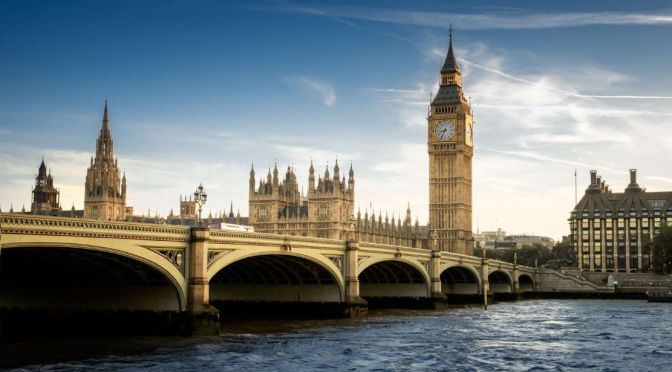
DW Euromaxx – After years of renovation work, London’s famous landmark finally sounds again: Big Ben! We take you on a tour of the inside of the tower and reveal five secrets about it. This much in advance: The tower is not called Big Ben…
Big Ben is the nickname for the Great Bell of the striking clock at the northeast end of the Palace of Westminster. The nickname is frequently extended to refer also to the clock and to the entire clock tower.
In 2012, the official name of the tower was changed to “Elizabeth Tower” to commemorate the Queen’s Diamond (60th year as queen) Jubilee.
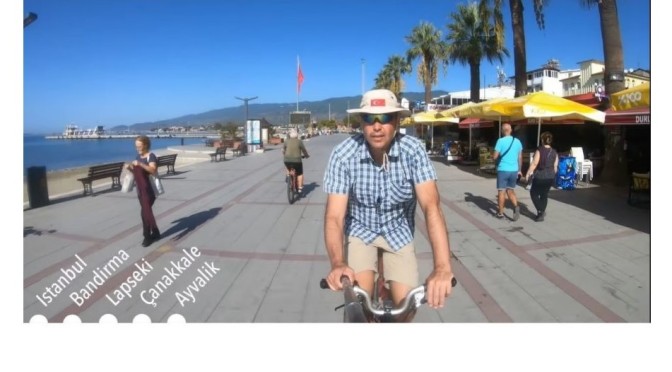
Brompton Traveler – Bikepacking with Gianni Filippinifrom Istanbul to Antalya in Turkey:
Istanbul is a major city in Turkey that straddles Europe and Asia across the Bosphorus Strait. Its Old City reflects cultural influences of the many empires that once ruled here. In the Sultanahmet district, the open-air, Roman-era Hippodrome was for centuries the site of chariot races, and Egyptian obelisks also remain. The iconic Byzantine Hagia Sophia features a soaring 6th-century dome and rare Christian mosaics.
Antalya is a Turkish resort city with a yacht-filled Old Harbor and beaches flanked by large hotels. It’s a gateway to Turkey’s southern Mediterranean region, known as the Turquoise Coast for its blue waters. Remnants remain from Antalya’s time as a major Roman port. These include Hadrian’s Gate, built to honor the Roman emperor’s visit in 130 A.D and 2nd-century Hidirlik Tower, with harbor views.
In plays like ‘Death of a Salesman’ and ‘The Crucible,’ Miller gave voice to the anxieties behind the optimism of mid-20th-century America. Review by Willard Spielgelman
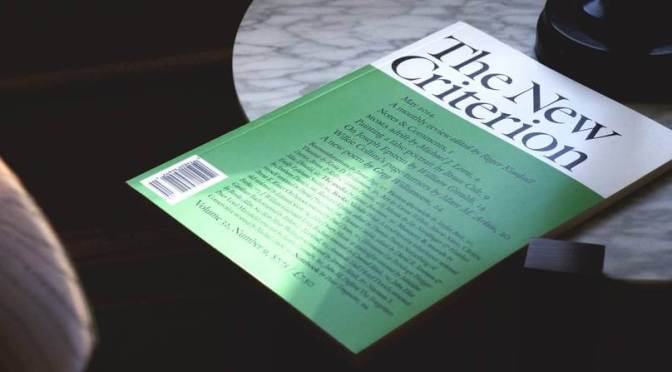
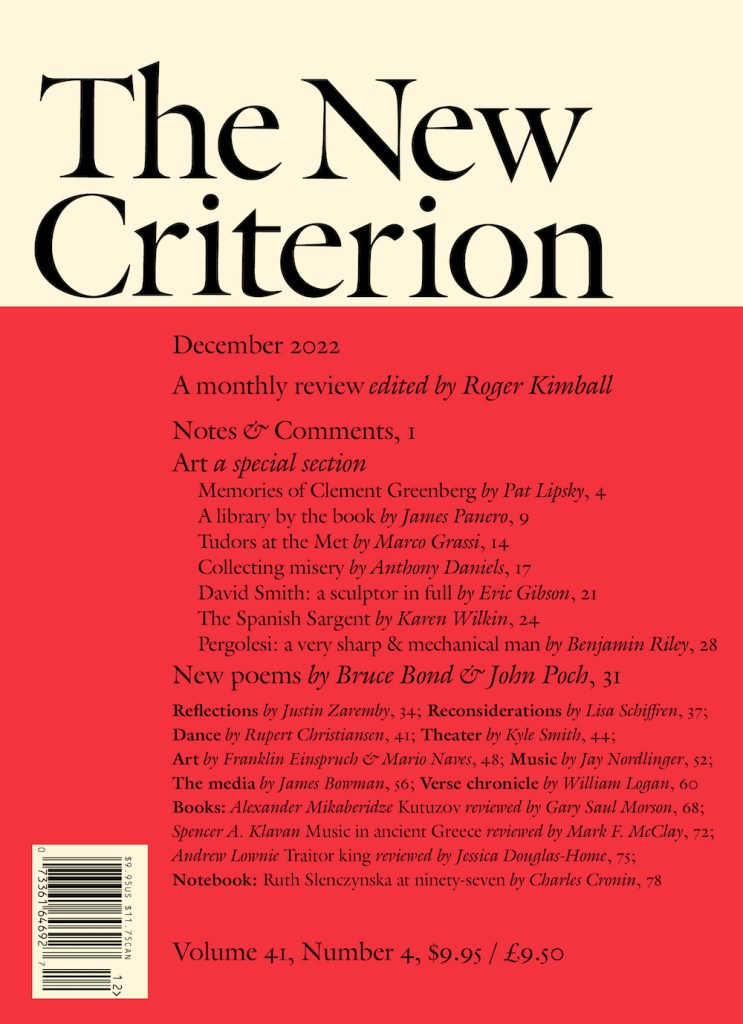
Art a special section Memories of Clement Greenberg by Pat Lipsky A library by the book by James Panero Tudors at the Met by Marco Grassi Collecting misery by Anthony Daniels David Smith: a sculptor in full by Eric Gibson The Spanish Sargent by Karen Wilkin Pergolesi: a very sharp & mechanical man by Benjamin Riley
PBS NewsHour – New York Times columnist David Brooks and Washington Post associate editor Jonathan Capehart join Judy Woodruff to discuss the week in politics, including the red wave that failed to materialize and what it means for former President Trump’s role in the Republican party.
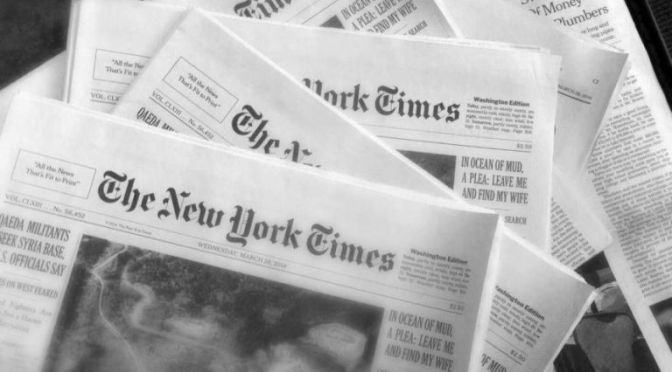
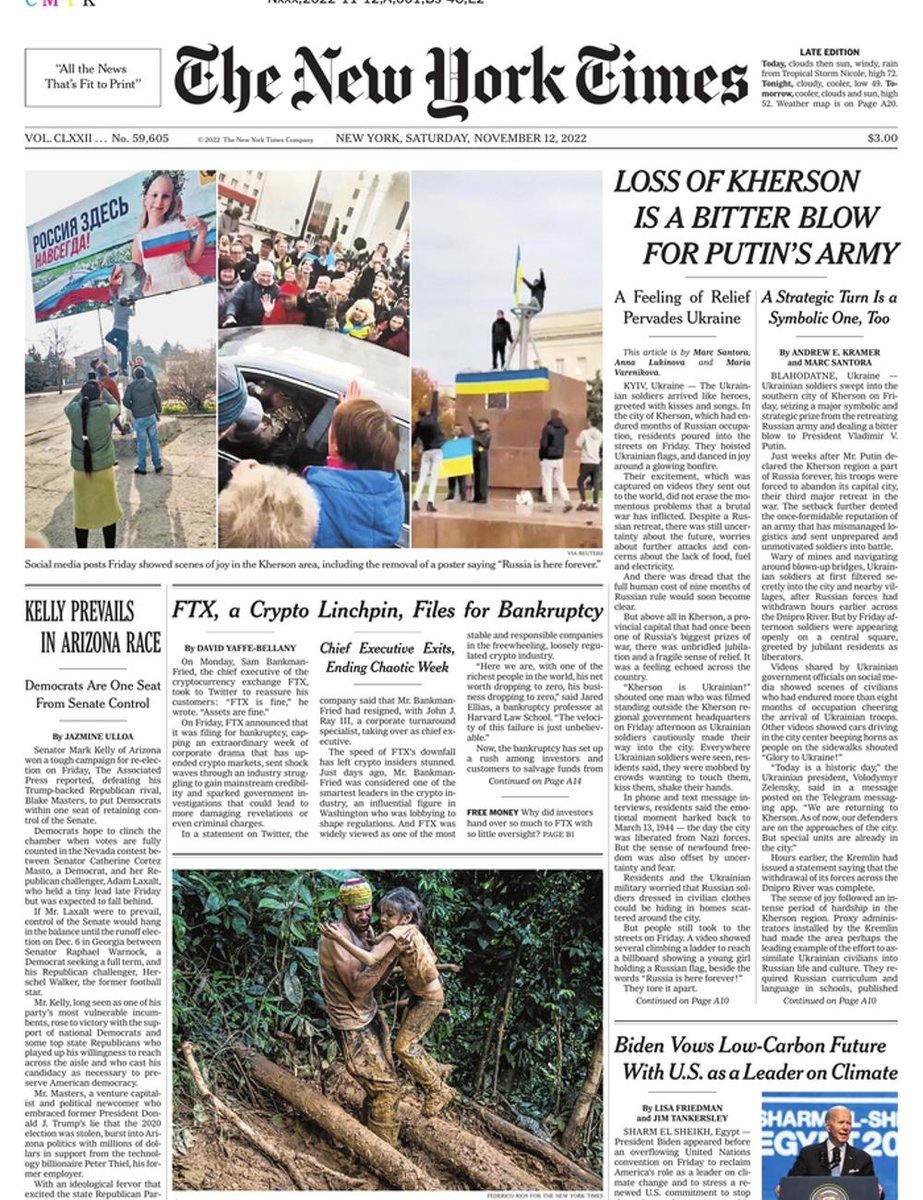
Jubilant crowds poured into the streets, greeting Ukrainian soldiers and waving flags. But officials said the city was not out of danger, warning of potential Russian reprisals.
After months of Russian occupation, residents said the moment recalled being liberated from the Nazis in World War II. But there was also fear about further Russian attacks.
Mr. Kelly, who ran as a bipartisan legislator devoted to the needs of Arizona, defeated Blake Masters, a Republican newcomer whose ideological fervor failed to win over enough independent voters.
On this week’s show: How sci-fi writer Kurt Vonnegut foresaw many of today’s ethical dilemmas, and 70 years of tunas, billfishes, and sharks as sentinels of global ocean health
First up this week on the podcast, we revisit the works of science fiction author Kurt Vonneugt on what would have been his 100th birthday. News Intern Zack Savitsky and host Sarah Crespi discuss the work of ethicists, philosophers, and Vonnegut scholars on his influence on the ethics and practice of science. Researchers featured in this segment:
Peter-Paul Verbeek, a philosopher of science and technology at the University of Amsterdam and chair of the World Commission on the Ethics of Scientific Knowledge and Technology David Koepsell, a philosopher of science and technology at Texas A&M University, College Station Christina Jarvis, a Vonnegut scholar at the State University of New York, Fredonia, and author of the new book Lucky Mud & Other Foma: A Field Guide to Kurt Vonnegut’s Environmentalism and Planetary Citizenship Sheila Jasanoff, a science studies scholar at Harvard University
Next, producer Kevin McLean discusses the connection between fishing pressure and extinction risk for large predatory fish such as tunas and sharks. He’s joined by Maria José Juan Jordá, a postdoc at the Spanish Institute for Oceanography, to learn what a new continuous Red List Index using the past 70 years of fisheries data can tell us about the effectiveness and limits of fishing regulations. Finally, in a sponsored segment from the Science/AAAS Custom Publishing Office, Sean Sanders, director and senior editor for custom publishing, interviews Joseph Hyser, assistant professor in the Department of Molecular Virology and Microbiology at Baylor College of Medicine about his use of wide-field fluorescence live cell microscopy to track intercellular calcium waves created following rotavirus infection.
In his elegiac memoir, “Come Back in September,” the novelist and critic Darryl Pinckney recalls his former writing teacher and lifelong friend, and the vibrant New York intellectual world they once inhabited.
Pajtim Statovci shares his love of Finnish literature and the books that helped him, a child of immigrants, to find his voice and grow from reader to award-winning writer.
“The Song of the Cell,” the latest work by the Pulitzer Prize-winning oncologist, recounts our evolving understanding of the body’s smallest structural and functional unit — and its implications for everything from immune therapy and in vitro fertilization to Covid-19.
This biography of Britain’s shortest-serving prime minister was overtaken by events, but its lively style and air of authority illuminates her failings














 Illustrated by Chloe Niclas


 Boomers Daily