
 Rossini’s 1829 opera “William Tell” is rarely performed today, but its Overture lives on as one of the most popular works in the classical repertoire. The Overture is essentially an instrumental suite written in four parts and performed without pause. The best-known section is the last, the allegro vivace, famously used as the rousing theme music for “The Lone Ranger” radio and TV series (and notoriously so in “A Clockwork Orange).
Recorded on 11/03/2019.
More from: La Jolla Symphony & Chorus (https://www.uctv.tv/lj-symphony-chorus)


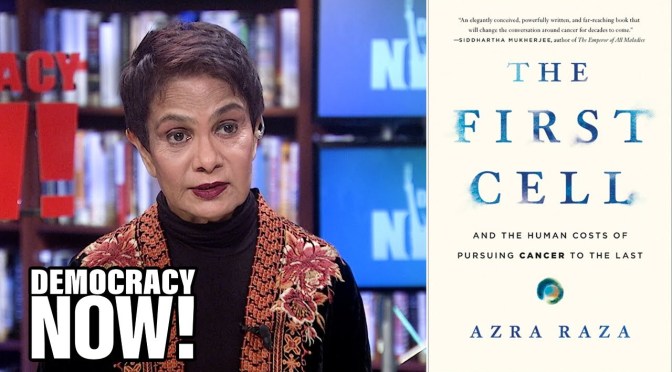
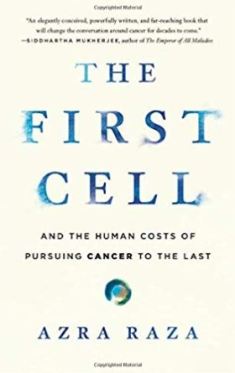 surgery, chemotherapy and radiation. We spend $150 billion each year treating cancer, yet a patient with cancer is as likely to die of it today — with a few exceptions — as one was 50 years ago. Today we spend the hour with renowned cancer doctor, Dr. Azra Raza, author of the new book, “The First Cell: And the Human Costs of Pursuing Cancer to the Last.” She argues that experiments and the funding for eradicating cancer look at the disease when it is in its later stages, when the cancer has grown and spread. Instead, she says, the focus should be on the very first stages — the first cell, as her book is titled. She says this type of treatment would be more effective, cheaper and less toxic.

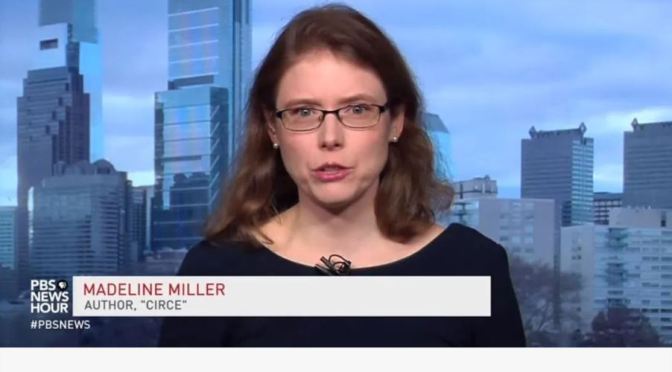
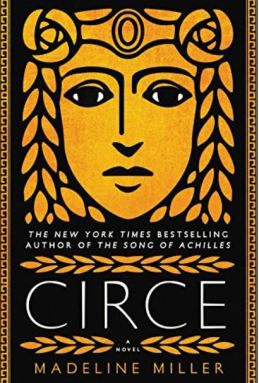 In the house of Helios, god of the sun and mightiest of the Titans, a daughter is born. But Circe is a strange child–not powerful, like her father, nor viciously alluring like her mother. Turning to the world of mortals for companionship, she discovers that she does possess power–the power of witchcraft, which can transform rivals into monsters and menace the gods themselves.
 Boomers Daily