
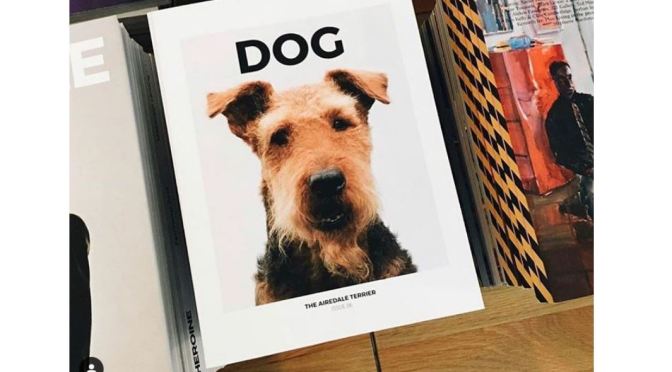
 Monocle 24 “The Stack” speaks to Julian Victoria and Emily Rogers, the duo behind ‘Dog’ magazine.
DOG is a modern lifestyle magazine exploring the presence and influence of dogs and their owners in society. Each issue centres on a specific breed and theme and explores the meaningful interactions between individuals and their dogs through photographic portfolios, interviews and personal essays.
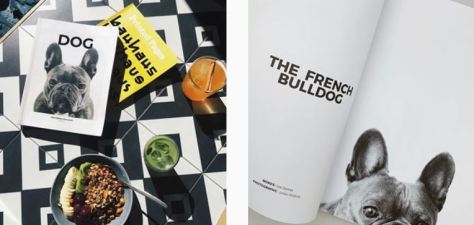
Visual, poetic, current and innovative, DOG offers original content and a new perspective on what it means to be a dog lover and owner. Content for DOG comes from a variety of creative sources, including emerging and established photographers, designers, illustrators, writers and visual artists.

 David Rabe joins Deborah Treisman to read and discuss “

 With voting for 2020 set to begin in Iowa on Monday, “The Daily” sat down with
 Structural biologists rejoiced when cryo–electron microscopy, a technique to generate highly detailed models of biomolecules, emerged. But years after its release, researchers still face long queues to access these machines. Science’s European News Editor Eric Hand walks host Meagan Cantwell through the journey of a group of researchers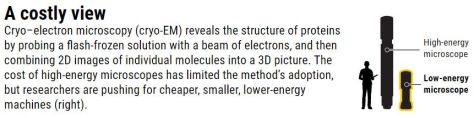


 Steve Tidball is the CEO and co-founder of Vollebak, a men’s outerwear label launched with one question: what does the future of clothing look like? Steve and his brother Nick dreamed up the brand while running ultra-marathons in extreme conditions. Today, leaning heavily on science and technology, their team creates pieces from materials most have never thought to use, from titanium to graphene.
 The Indestructible Puffer is made from Dyneema which is the single strongest fibre known to man today. If you’re into chemistry, it’s an ultra-high molecular weight polyethylene that combines extreme strength with very low weight. On a weight for weight basis Dyneema is up to 15x stronger than steel and 40% stronger than high-strength aramid fibres. While it’s often used as a composite – an ingredient added to other materials to make them exceptionally strong – the entire outside of this jacket is made from 100% Dyneema.
 Listen to the latest from the world of science, with Benjamin Thompson and Nick Howe. This week, establishing climate change’s role in Australian bushfires, and revisiting Isaac Asimov’s thoughts robots.
 There are many named diets that receive a great deal of attention. But what are they and do they work? David Heber, MD, PhD, from the UCLA Center for Human Nutrition explains these diets.
 Leblon. Run by the owner of Brazilian fashion label Osklen, this home away from home in an old seafront building stays faithful to the brand with its chic tropical touches.
 Upscale Leblon is known for its beach, one of the city’s trendiest, most tranquil stretches of sand. Inland, leafy streets have restaurants ranging from cozy French bistros to lively steakhouses, plus mellow bars for beers and caipirinhas. Shopping options include designer fashion boutiques and Shopping Leblon, a modern mall. Teatro do Leblon is a grassroots venue with a packed, eclectic program.
 Theatre critics Matt Wolf and Lyn Gardner join Robert Bound to give their verdict on the new production of Chekhov’s ‘Uncle Vanya’ at the Harold Pinter Theatre, starring Toby Jones and Ciarán Hinds.
 Boomers Daily