
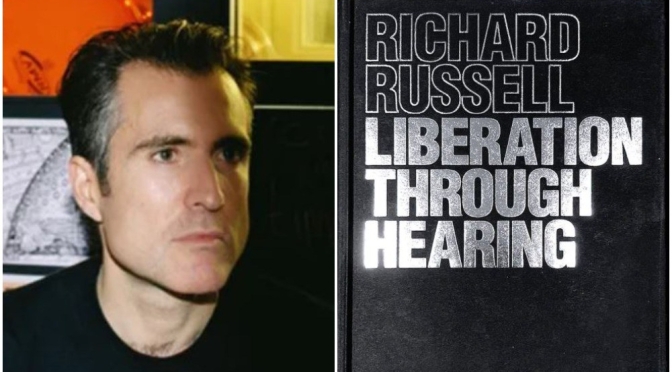
 “Monocle On Culture” speaks to Richard Russell, head of XL Recordings about his brand new book and his incredible career producing records for everyone from Damon Albarn to Bobby Womack, his life in New York that kicked everything off and the unusual start of his collaboration with Gil Scott Heron.
For almost 30 years as label boss, producer and talent conductor at XL Recordings, Richard Russell has discovered, shaped and nurtured the artists who have rewritten the musical dictionary of the 21st century, artists like The Prodigy, The White Stripes, Adele, M.I.A., Dizzee Rascal and Giggs. Growing up in north London in thrall to the raw energy of ’80s US hip hop, Russell emerged as one part of rave outfit Kicks Like a Mule in 1991 at a moment when new technology enabled a truly punk aesthetic on the fledgling free party scene. For most of the ’90s identified with breakbeat and hardcore, Russell’s stewardship at the label was always uncompromising and open to radical influences rather than conventional business decisions.
Liberation Through Hearing tells the remarkable story of XL Recordings and their three decades on the front line of innovation in music; the eclectic chorus of artists who came to define the label’s unique aesthetic and Russell’s own story; his highs and lows steering the fortunes of an independent label in a rapidly changing industry, his celebrated work with Bobby Womack and Gil Scot Heron on their late-career masterpieces; and his own development as a musician in Everything Is Recorded.
Always searching for new sounds and new truths, Liberation Through Hearing is a portrait of a man who believes in the spiritual power of music to change reality. It is also the story of a label that refused to be categorised by genre and in the process cut an idiosyncratic groove which was often underground in feel but mainstream in impact.
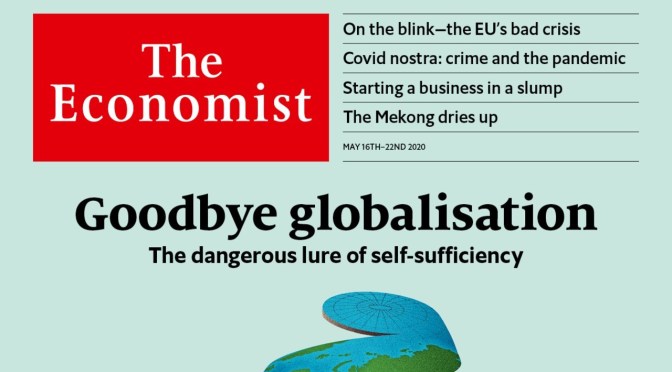
 A selection of three essential articles read aloud from the latest issue of The Economist. This week, has
 Colin Cowherd talks with Dr. Patrick Soon-Shiong who is not only a Doctor helping to fight Covid-19 but also owns the LA Times and is a minority owner of the Lakers. Dr. Shiong talks about the things we are learning about the disease and why it is so much more dangerous than previous pandemics.

 Monocle’s editor in chief, Tyler Brûlé, discusses the weekend’s top stories with his guests. Topics include how the coronavirus outbreak is being felt in Switzerland, the UK and Japan.
 With questionable coronavirus content flooding airwaves and online channels, what’s being done to limit its impact?
 Contributing Correspondent Lizzie Wade talks with host Sarah Crespi about the role of inequality in past pandemics. Evidence from medical records and cemeteries suggests diseases like the 1918 flu, smallpox, and even the Black Death weren’t indiscriminately killing people—instead these infections caused more deaths in those with less money or status.
 This week, Elisabeth Bik tells us about her work uncovering potential image manipulation, and a new route for particulate pollution formation.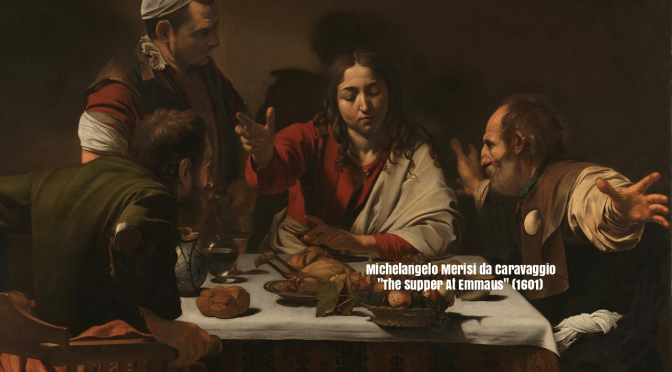
 Michelangelo Merisi da Caravaggio is one of the most admired painters of the late 16th and early 17th centuries. Known for his powerful, dramatically lit compositions, Caravaggio depicted violence and the human form with a degree of realism unprecedented at the time. He was among the most famous painters in Rome—but not only because of his skill as an artist.
 Caravaggio was also notorious for his wild life and shocking temper. After being sentenced to death for murder, he fled Rome and died in exile at age 38 . Three biographies written in the decades after his death constitute nearly all that is known about the enigmatic artist.
 The federal government is spending big to combat the economic damage of the coronavirus crisis, and federal debt has climbed to record levels.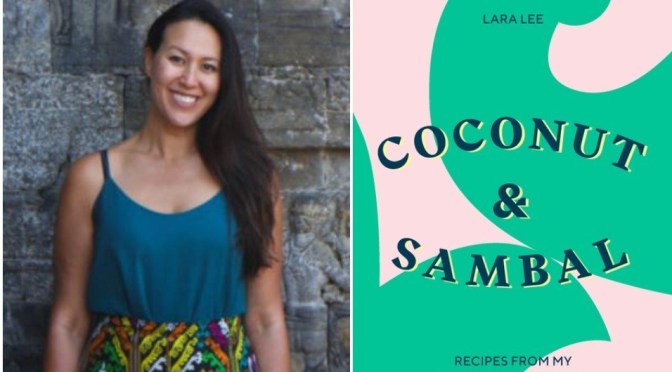
 Lara Lee, the author of the new cookery book ‘Coconut & Sambal’, shares one of her favourite recipes.
 Be transported to the bountiful islands of Indonesia by this collection of fragrant, colourful and mouth-watering recipes.
 Boomers Daily