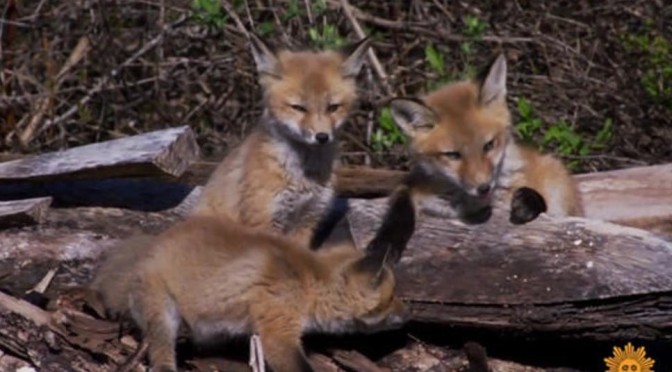
“Sunday Morning” takes us on a visit to a spring litter of red foxes, at home in Durham, Maine. Videographer: Mauricio Handler.
The red fox is the largest of the true foxes and one of the most widely distributed members of the order Carnivora, being present across the entire Northern Hemisphere including most of North America, Europe and Asia, plus parts of North Africa. It is listed as least concern by the IUCN.
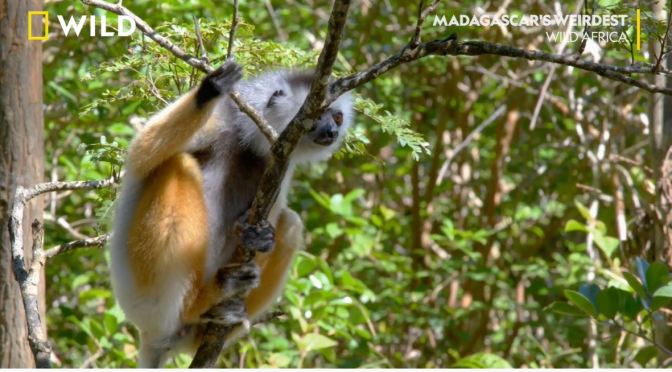
As one of the largest species of Lemur, the Diademed Sifaka is an endangered species that is endemic to Madagascan rainforests. With their long legs and short arms, they are marvellous at leaping through the trees of the rainforest, with each leap being as long as 10m. However, take this adapt leaper out of the trees and onto the forest floor, and things become a bit more bouncy!
Madagascar, officially the Republic of Madagascar, and previously known as the Malagasy Republic, is an island country in the Indian Ocean, approximately 400 kilometres off the coast of East Africa across the Mozambique Channel. At 592,800 square kilometres Madagascar is the world’s second-largest island country.
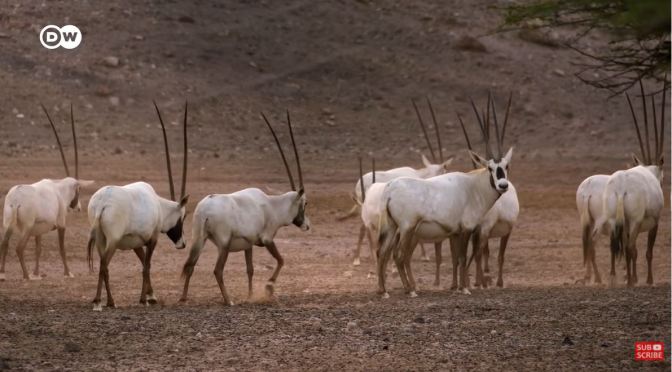
The Arabian oryx is a beautiful, almost luminously white antelope. But, after being over-hunted by humans in the 20th century, it only narrowly escaped extinction. Today, on the desert island of Sir Bani Yas, the endangered animals find refuge. Part of an archipelago west of Abu Dhabi, Sir Bani Yas is home to a large wildlife reserve, where animals from Arabia, Asia and Africa roam freely. You can watch cheetahs hunting, and imagine how the Bedouins once lived, under open desert skies. Established in the 1970s, extensive ecological measures turned Sir Bani Yas into a man-made “paradise for wild animals.” Now, the reserve stands for the region’s desire for a sustainable future. It’s also a great place to see the magnificent Arabian oryx running free, once more.
Sir Bani Yas Island is part of the Al Gharbia region of the United Arab Emirates. It’s dominated by the Arabian Wildlife Park, with its roaming giraffes, cheetahs and gazelles. Multiple archaeological sites across the island include the ruins of an ancient Christian monastery. Salt dome hills define the island’s desert interior. The coast features beaches, sea kayak routes and a shipwreck.
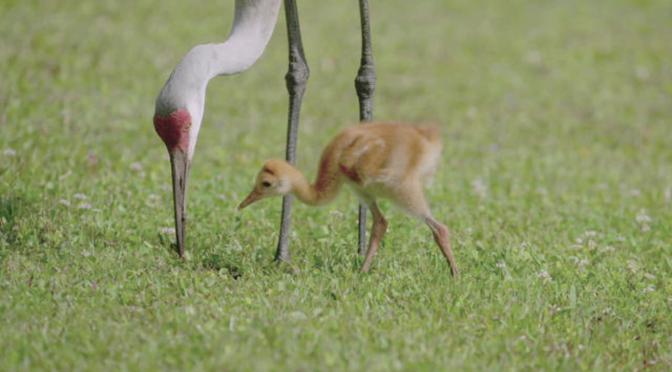
On this Mother’s Day “Sunday Morning” takes us among sandhill cranes and their chicks in Titusville, Florida. Videographer: Doug Jensen.
The sandhill crane is a species of large crane of North America and extreme northeastern Siberia. The common name of this bird refers to habitat like that at the Platte River, on the edge of Nebraska’s Sandhills on the American Plains.
Titusville is a city and the county seat of Brevard County, Florida, United States. The city’s population was 43,761 as of the 2010 United States Census. Titusville is located along the Indian River, west of Merritt Island and the Kennedy Space Center, and south-southwest of the Canaveral National Seashore.
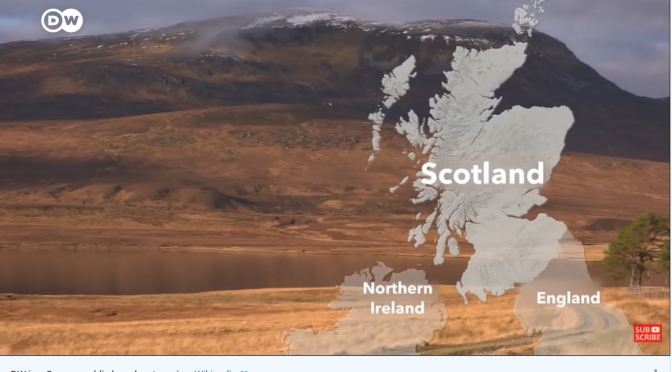
What does it mean to be Scottish? Since Brexit, people here at the northernmost end of the island of Great Britain have been asking this question with renewed vigour. Now, with the Scottish Parliament election approaching, many Scots see their future outside of the United Kingdom. So how do ordinary Scottish citizens see their homeland?
On her journey through Scotland, journalist Diana Zimmermann quickly learns that it is impossible to travel through the country these days without talking about Brexit. Geography and history have brought the Scots to a breaking point. Just ask Sophie Gault, a deer-hunter whose breath-taking workplace is in the heart of the Highlands, at the foot of Ben Alder. “Being Scottish is something I’m really proud of,” says Gault, adding that taking this job was the best decision she ever made.
“Being with nature and with wildlife, it makes you appreciate Scotland even more. There’s always that sense of community. And I’m very proud of our own Scottish humour.” What does fisherman Victor Laurenson, who had hoped Brexit would bring him better fishing conditions, think of his country now?
Janey Godley, a comedian from Glasgow, brings yet another perspective: In the Scottish independence referendum in 2014, she says, the English told the Scots to vote against independence so that Scotland could stay in the EU. “It’s basically like your Mum and Dad saying – look – if you go to bed early, when you wake up, you will have a pony. And you go to bed, you sleep early, you wake up and there’s just a cushion in the shape of a cat instead, and it’s not even a good cat.”
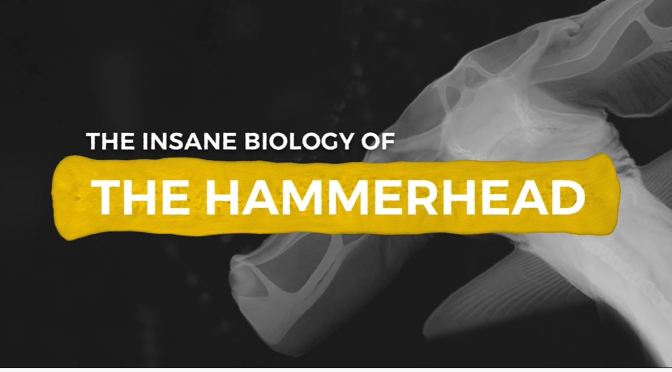
The hammerhead sharks are a group of sharks that form the family Sphyrnidae, so named for the unusual and distinctive structure of their heads, which are flattened and laterally extended into a “hammer” shape called a cephalofoil.
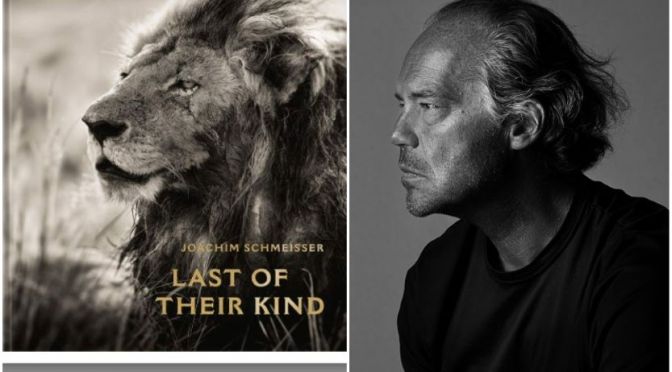
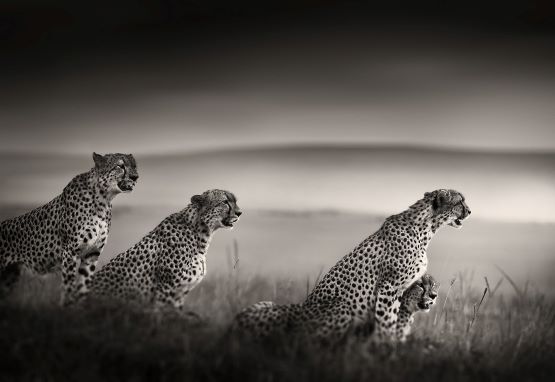
“Some of the largest and most wonderful creatures in Africa have become very dear to me over the years,” Schmeisser writes. His book of portraits carries two messages. “It [is] a homage and warning at the same time—a visual message with the aim of sharpening our clouded view of the one, infinitely complex and vulnerable nature and to recognize which treasures we are about to irretrievably lose,” he writes.
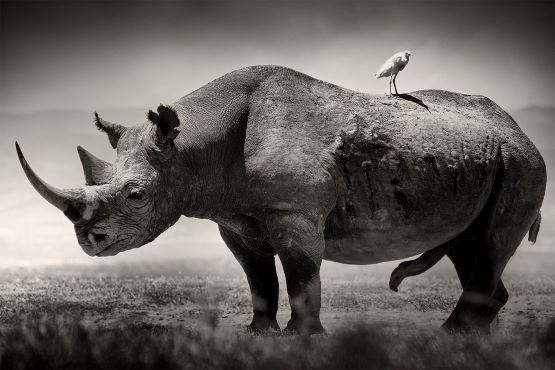
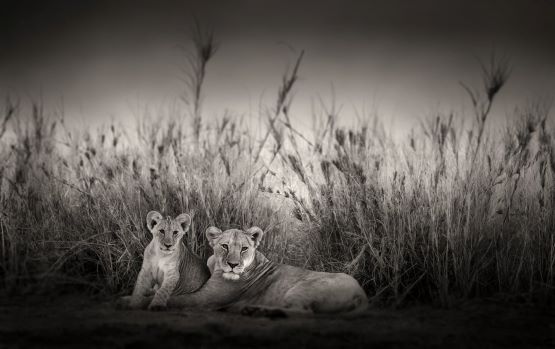
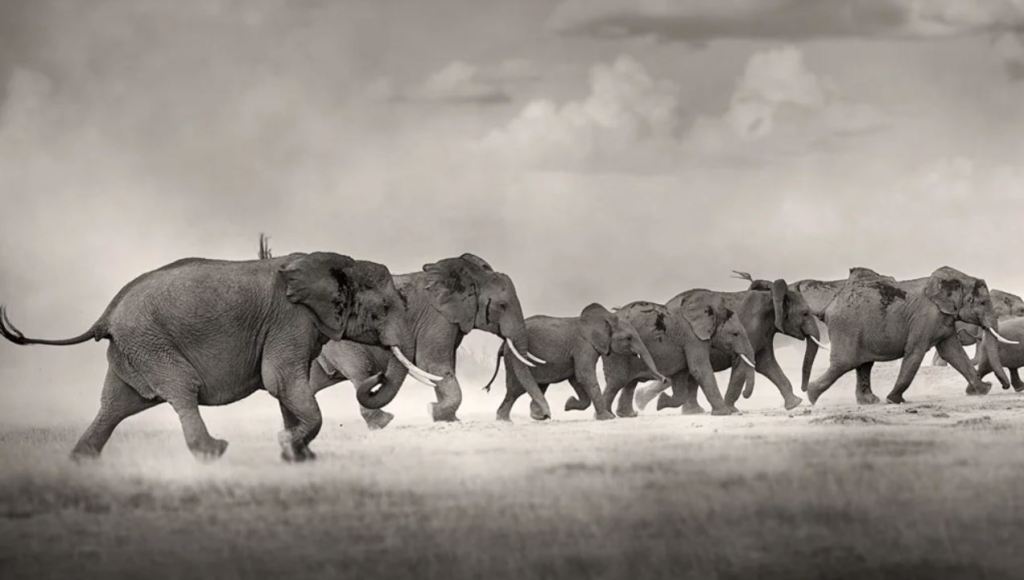
There are exactly two black rhinos left in the world, a subspecies of the white rhino, the very last of their kind. In this deeply poignant tribute, photographer Joachim Schmeisser presents these rhinos as well as other wild animals in the Amboseli National Park in Kenya, where Maasai tribespeople ensure that nobody endangers them. With his breathtaking black-and-white images, Schmeisser brings us up close to these extraordinary and endangered creatures, creating a powerful document of nature’s splendor and fragility.
The Recovering America’s Wildlife Act is a bipartisan bill that would provide $1.4 billion to state and tribal wildlife conservation initiatives to support at-risk wildlife populations and their habitats. The funding would come from existing revenues and would not require any new taxes.
Texas would receive more than $50 million per year for projects to conserve vulnerable wildlife like the much-loved Texas horned lizard, our state fish the Guadalupe bass, and many songbirds and coastal birds. This funding will also help recover species that are already endangered, such as sea turtles and the Whooping crane. The additional resources are urgently needed to aid fish and wildlife populations under increasing pressure from habitat loss, invasive species, emerging diseases, and extreme weather events in Texas and throughout the country.
News, Views and Reviews For The Intellectually Curious

 Boomers Daily