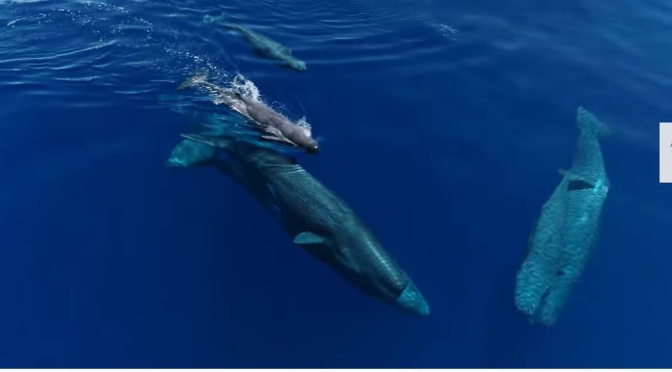
The sperm whale is the world’s largest toothed predator. It also has the biggest brain of any animal on earth.. This mind has helped them outwit their natural predators, but what happened when sperm whales came up against humans?
The sperm whale or cachalot is the largest of the toothed whales and the largest toothed predator. It is the only living member of the genus Physeter and one of three extant species in the sperm whale family, along with the pygmy sperm whale and dwarf sperm whale of the genus Kogia.
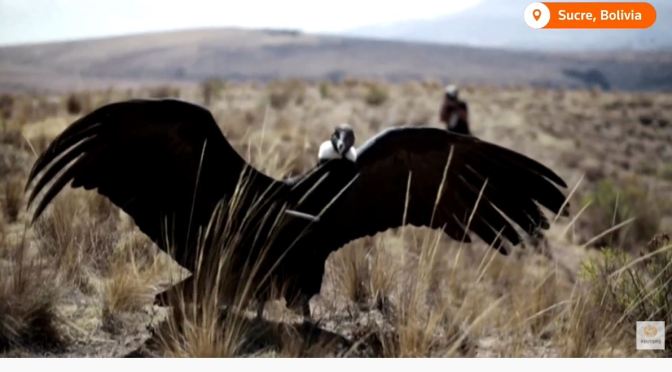
The Andean condor is a South American bird in the New World vulture family Cathartidae and is the only member of the genus Vultur. Found in the Andes mountains and adjacent Pacific coasts of western South America, the Andean condor is the largest flying bird in the world by combined measurement of weight and wingspan. Two Andean condors were released back to the wild in the mountains of Bolivia after they were nursed back to health.
Nearly 30 percent of the 138,374 species assessed by the International Union for the Conservation of Nature (IUCN) for its survival watchlist are now at risk of vanishing in the wild forever, as the destructive impact of human activity on the natural world deepens.
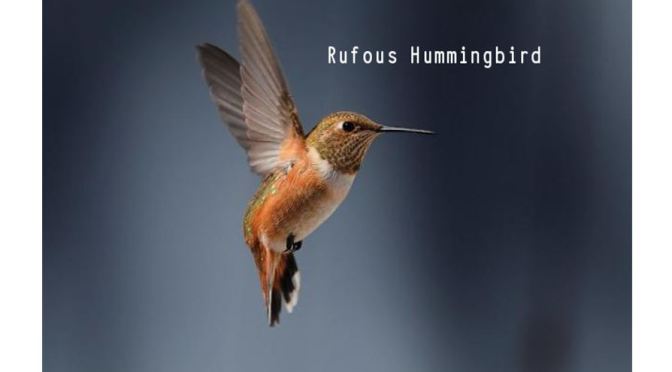
In the spring, Rufous Hummingbirds journey from Mexico to the northwest U.S., some as far north as Alaska! That’s almost 1000 miles one way for a bird measuring just under four inches beak to tail, making this the longest migration of any bird relative to body length. Not long after arriving, they bulk up on nectar and bugs for the scenic return trip over the Rocky Mountains.
In their search for food, these crabs must leap from rock to rock, dodging the predators that lie in wait.
Sally Lightfoot crabs are brightly-coloured coastal scavengers, found in the Galapagos Islands and across the western coast of South and Central America.
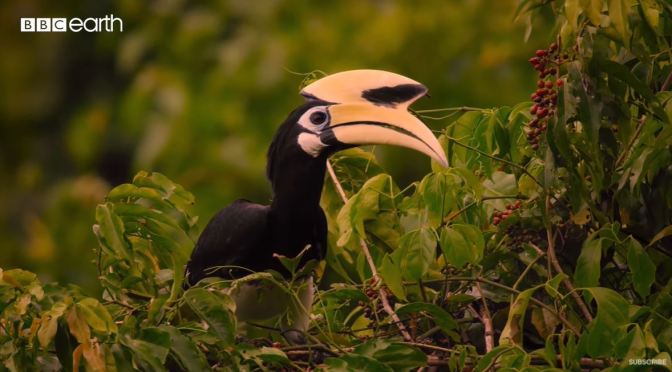
Hawk-eagles and hornbills play to their unique strengths as they pluck bats mid-flight.
The oriental pied hornbill is an Indo-Malayan pied hornbill, a large canopy-dwelling bird belonging to the family Bucerotidae. Two other common names for this species are Sunda pied hornbill and Malaysian pied hornbill. The species is considered to be among the smallest and most common of the Asian hornbills.
As it floats on the surface of the ocean, the Man O’ War looks beautiful and harmless but packs a killer sting with its deadly tentacles.
The Portuguese man o’ war, also known as the man-of-war, bluebottle, or floating terror is a marine hydrozoan found in the Atlantic Ocean and the Indian Ocean. It is considered to be the same species as the Pacific man o’ war, which is found mainly in the Pacific Ocean.
News, Views and Reviews For The Intellectually Curious






 Boomers Daily